

Overview of Tanzania Geography
Tanzania is a diverse and geographically rich country located in East Africa. It features a varied landscape that includes vast savannahs, lush mountains, expansive lakes, and coastal plains. The country’s strategic position along the Indian Ocean contributes to its vibrant ecosystems and climate. Understanding Tanzania’s geography is essential for appreciating its ecological diversity and the significance of its location on the Africa map.
Location within East Africa
Tanzania, located in East Africa, is a country renowned for its diverse geography and rich natural landscapes. It is bordered by Kenya and Uganda to the north, Rwanda, Burundi, and the Democratic Republic of the Congo to the west, Zambia, Malawi, and Mozambique to the south, and the Indian Ocean to the east. The country’s terrain includes vast savannahs, highlands, and great lakes, notably Lake Victoria, Lake Tanganyika, and Lake Nyasa. Tanzania’s strategic position within East Africa makes it a key region for ecological and cultural diversity, with notable features such as Mount Kilimanjaro, the continent’s highest peak, and Serengeti National Park, famous for its wildlife migrations. Its geographic location within Africa’s eastern part provides it with a significant coastline along the Indian Ocean, contributing to its importance as a hub for trade and tourism.
Boundaries and Neighboring Countries
Tanzania is a country located in East Africa, known for its diverse landscapes and rich natural resources. It features a varied geography that includes coastal plains, vast savannahs, and highland regions. The country is bordered by several nations, sharing boundaries to the north with Kenya and Uganda, to the west with Rwanda, Burundi, and the Democratic Republic of the Congo, and to the south with Zambia, Malawi, and Mozambique. To the east, Tanzania has a coastline along the Indian Ocean, which provides access to important maritime trade routes. Its strategic position makes it a key player in the region, with a landscape that supports extensive wildlife reserves and national parks, including the famous Serengeti and Mount Kilimanjaro. Overall, Tanzania’s geography and its neighboring countries shape its cultural diversity and economic activities, especially in tourism and agriculture.
Region Divisions and Administrative Borders
Tanzania, located in East Africa, is known for its diverse geography, which includes plains, mountains, lakes, and coastlines. The country is bordered by Kenya and Uganda to the north, Rwanda, Burundi, and the Democratic Republic of Congo to the west, and Mozambique, Malawi, and Zambia to the south. Its eastern coastline borders the Indian Ocean. The geographical features make Tanzania a country with a rich variety of landscapes and ecological zones.
- Regions: Tanzania is divided into 31 administrative regions, each serving as a territorial and administrative entity. These regions are further subdivided into districts.
- Major geographical features: Mount Kilimanjaro, the highest peak in Africa, is located in the Kilimanjaro region, while Lake Victoria, the largest African lake, lies in the northern part of the country. Other significant lakes include Lake Tanganyika and Lake Nyasa.
- Administrative borders: The regions are delineated by official boundaries that facilitate governance, resource management, and development planning across the country.
The map of Tanzania highlights these regional divisions and borders, offering a detailed view of its geographical and administrative landscape, essential for understanding its diverse environment and political organization.
Key Features of the Tanzania Map
The Tanzania Africa map showcases the diverse and vibrant landscape of this East African nation. It highlights key geographical features, including national parks, mountain ranges, lakes, and cities. The map provides essential information about Tanzania’s extensive wildlife reserves and scenic regions, making it a valuable resource for travelers, students, and geography enthusiasts.
Major Landforms and Topography
The Tanzania map highlights the diverse and prominent landforms that characterize the country, making it a unique geographical region in Africa. Key features include vast plains, highlands, and coastal regions that shape its topography. The country is marked by the presence of the Great Rift Valley, which runs from the northern to the southern part, creating a series of deep valleys and rugged terrain. Mount Kilimanjaro, Africa’s highest peak, stands as a significant landmark within the mountainous areas in northeastern Tanzania. The Serengeti Plain, famous for its wildlife and savannah landscapes, covers extensive parts of northern Tanzania. Along the coast, the topography is characterized by low-lying plains and mangrove forests, especially along the Indian Ocean coastline. The varied landforms support diverse ecosystems and contribute to Tanzania’s rich natural heritage. Overall, the map illustrates a country with a complex and impressive topography that is vital for its climate, biodiversity, and human settlement patterns.
Important Water Bodies and Coastline
The Tanzania Africa map prominently features diverse geographical elements that highlight the country’s natural beauty and strategic location. A key feature is its expansive coastline along the Indian Ocean, which greatly influences the climate and economy of the region. Important water bodies include Lake Victoria, the largest lake in Africa and a vital source of freshwater and transportation for Tanzania. Additionally, Lake Tanganyika and Lake Nyasa are significant lakes that contribute to the country’s biodiversity and serve as important economic resources. The map also showcases the country’s varied terrain, from coastal plains to highlands and mountain ranges like the Eastern Arc Mountains and the volcanic Mount Kilimanjaro, the tallest peak in Africa. These natural features make Tanzania a unique and vital part of the African continent’s landscape and geography.
National Parks and Protected Areas
The Tanzania map highlights the diverse geography of the country, showcasing its prominent national parks and protected areas. These features are essential for understanding Tanzania’s rich natural heritage and conservation efforts.
- National Parks: The map features major parks such as Serengeti, Ngorongoro Crater, Tarangire, Manyara, and Ruaha, each known for unique wildlife and landscapes.
- Protected Areas: It highlights various game reserves, conservation zones, and UNESCO World Heritage Sites that play a vital role in preserving biodiversity.
- Geographical Features: The map displays significant landscapes including mountains like Mount Kilimanjaro, lakes such as Lake Victoria, Lake Tanganyika, and Lake Malawi, and extensive savannahs.
- Transportation Networks: Major roads, railways, and airports are marked for better navigation and access to key sites within the country.
- Cultural and Tourist Sites: Locations of cultural significance and tourist destinations are pinpointed to assist visitors in planning their travels.
- Regional Borders: The map clearly delineates the administrative regions, facilitating geographic orientation throughout Tanzania.
Major Cities and Urban Areas

Major cities and urban areas in Tanzania play a vital role in the country’s development and cultural diversity. These urban centers serve as hubs for economic activity, education, and transportation, shaping the nation’s landscape. Exploring Tanzania’s map reveals the significance of these cities in connecting people and resources across the region.
Capital City: Dodoma
Tanzania, located in East Africa, features a diverse landscape that includes major cities and bustling urban areas. The capital city of Tanzania is Dodoma, serving as the political and administrative center of the country. Dodoma was designated as the official capital in 1974, replacing Dar es Salaam, to promote centralized governance. Apart from Dodoma, Dar es Salaam remains the largest city and a key economic hub, known for its vibrant port and commercial activities. Other important urban areas include Arusha, known for tourism and wildlife safaris, and Mwanza, situated on the shores of Lake Victoria. These cities contribute to the dynamic development and cultural richness of Tanzania, making the country an intriguing focal point on the Africa map.
Largest City: Dar es Salaam
Dar es Salaam is the largest city in Tanzania and serves as the country’s main economic hub. It is a major urban area with a vibrant port, diverse culture, and growing population, making it a key city on the Tanzania Africa map. The city is known for its bustling markets, modern infrastructure, and importance in trade and commerce across East Africa.
Other Significant Urban Centers
Tanzania features a diverse array of major cities and urban areas that play vital roles in the country’s economy and culture. Dar es Salaam is the largest city and principal commercial hub, known for its bustling port and vibrant markets. Dodoma serves as the political capital, housing government institutions and the parliament. Arusha, located in northern Tanzania, is an important center for tourism and wildlife conservation, especially as a gateway to the Serengeti and Mount Kilimanjaro. Mwanza, situated on the southern shores of Lake Victoria, is a key economic center with significant fishing and manufacturing industries. Other notable urban centers include Moshi, known for its proximity to Kilimanjaro, and Tanga, which has developed as a major port and industrial zone. These cities and urban centers collectively contribute to the country’s development, reflecting Tanzania’s dynamic urban landscape on the map of Africa.
Physical Geography and Landmarks
Physical geography and landmarks play a vital role in shaping the landscape and identity of Tanzania, Africa. This country is known for its diverse terrains, including vast savannas, majestic mountains, and stunning lakes. Key landmarks such as Mount Kilimanjaro, Serengeti National Park, and Lake Victoria highlight Tanzania’s natural beauty and ecological significance. Understanding these geographical features provides a deeper insight into the country’s rich environment and its place on the African map.
Great Rift Valley
The Great Rift Valley is a prominent geographical feature in Tanzania, Africa, stretching over 6,000 kilometers from Lebanon to Mozambique. This massive trench is a result of tectonic plate movements, creating a series of deep valleys, lakes, and volcanic mountains that define the region’s landscape.
- The Rift Valley in Tanzania is known for its stunning scenery, including lakes such as Natron, Manyara, and Tanganyika.
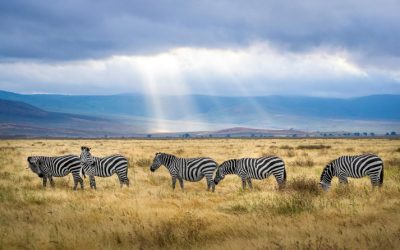
- It hosts some of the world’s most famous wildlife reserves, including the Serengeti National Park and Ngorongoro Crater.
- The valley’s volcanic activity has led to the formation of various volcanoes, such as Mount Kilimanjaro and Mount Meru.
- The geological features of the Great Rift Valley significantly influence the climate and biodiversity of the area, making it a vital part of Tanzania’s physical geography.
Mount Kilimanjaro and Other Mountains
Tanzania, located in East Africa, boasts a diverse and breathtaking physical geography that features some of the continent’s most renowned landmarks. The country is characterized by expansive plains, highlands, and numerous mountains, making it a fascinating destination for nature lovers and explorers alike. Among these, Mount Kilimanjaro stands out as Africa’s highest peak, rising dramatically to 5,895 meters (19,341 feet) above sea level. This majestic mountain is a dormant volcano and a popular trekking destination, attracting climbers from all over the world. Besides Kilimanjaro, Tanzania is home to other notable mountains such as Mount Meru and the Rungwe Volcanic Province, each contributing to the country’s diverse topography. These mountains, along with lakes like Victoria and Tanganyika, define Tanzania’s striking landscapes and are essential features on the map of Tanzania in Africa. They not only influence climate and ecosystems but also hold cultural and economic significance for local communities. Overall, Tanzania’s physical geography and its iconic mountains make it a unique and vital part of the African continent’s natural heritage.
Lake Victoria, Lake Tanganyika, and Lake Nyasa
Tanzania, located in East Africa, features a diverse physical geography that includes several prominent lakes. Among these, Lake Victoria is the largest tropical lake in the world and serves as a major freshwater resource for the region. It is situated at the border of Tanzania, Uganda, and Kenya, and is famous for its rich biodiversity and vital role in local transportation and trade.
Lake Tanganyika is another significant landmark, known for being one of the deepest and longest freshwater lakes globally. Shared by Tanzania, Democratic Republic of Congo, Burundi, and Zambia, it supports numerous endemic species and plays a crucial role in regional ecology and economy.
Lake Nyasa, also called Lake Malawi, lies between Tanzania, Malawi, and Mozambique. It is renowned for its stunning clarity and unique fish species, making it a vital aspect of Tanzania’s physical landscape and ecological diversity. These lakes collectively shape Tanzania’s geography and contribute to its cultural and economic development.
Natural Resources on the Tanzania Map
The Tanzania map highlights the country’s rich natural resources that play a vital role in its economy and development. Located in East Africa, Tanzania is endowed with diverse natural assets including minerals, forests, and water bodies. These resources not only support local communities but also attract international investment, making Tanzania a significant player in the region’s resource sector.
Mineral Deposits and Mining Areas
Tanzania, located in East Africa, is richly endowed with natural resources that significantly contribute to its economy. The map of Tanzania highlights various mineral deposits and active mining areas across the country. Key mineral resources include gold, diamonds, tin, iron ore, uranium, and tanzanite, a gemstone unique to Tanzania. Mineral deposits are predominantly found in regions such as the Lake Victoria Goldfields, the Mererani Hills for tanzanite, and the Manyara and Dodoma areas. The mining industry plays a vital role in harnessing these resources, supporting local communities and contributing to national revenue. Detailed mapping of mineral deposits and mining zones helps in the sustainable development of Tanzania’s natural resources and promotes responsible mining practices across the country.
Forests and Agricultural Land
Tanzania, located in East Africa, boasts a rich array of natural resources, including vast forests and extensive agricultural land. Its diverse landscapes contribute significantly to its economic development and environmental sustainability.
- Forests cover approximately 40% of Tanzania’s land area, providing timber, medicinal plants, and supporting wildlife habitats.
- The major forested regions include the Eastern Arc Mountains, the Eastern and Coastal Forests, and the Miombo woodlands.
- Agricultural land accounts for around 37% of the land area, making agriculture a crucial sector for the country’s economy.
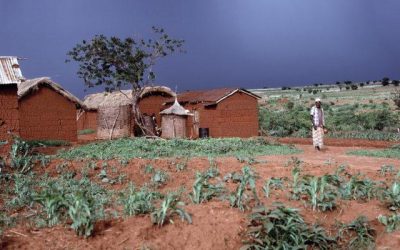
- Crops such as coffee, tea, tobacco, maize, and cashews are cultivated extensively across various regions.
- The fertile lands are vital for supporting both subsistence farming and commercial agriculture, contributing to food security and exports.
Oil, Gas, and Other Natural Assets
Tanzania, located in East Africa, is rich in natural resources that contribute significantly to its economy. The country boasts substantial reserves of natural gas, with large deposits found offshore in the Indian Ocean, which are increasingly being explored for energy production and export opportunities. Oil reserves are also present, though they are less developed compared to other natural resources. Additionally, Tanzania is endowed with valuable mineral resources such as gold, diamonds, and tanzanite, which are mined extensively within the region. Other natural assets include the country’s vast forests providing timber and non-timber forest products, as well as abundant wildlife, supported by numerous national parks and conservation areas. These resources, highlighted on the Tanzania map, play a crucial role in shaping the nation’s development and environmental landscape.
Transport and Infrastructure on the Map
The Transport and Infrastructure on the Map of Tanzania provides a comprehensive overview of the country’s key transportation networks and infrastructure development. It highlights major roads, railways, airports, and ports that facilitate movement and trade within Tanzania and across its borders. Understanding these elements is essential for grasping the nation’s connectivity and economic potential in the African continent.
Road and Rail Networks
The map of Tanzania in Africa highlights its extensive transport and infrastructure networks, which are crucial for economic development and regional connectivity. The road network in Tanzania is well-developed, connecting major cities, towns, and border crossings, facilitating the movement of goods and people across the country. Major highways such as the A-1 and A-7 serve as primary routes linking Dar es Salaam to other parts of the country and neighboring nations. Additionally, Tanzania’s rail network plays a significant role, with the Tanzania-Zambia Railway (TAZARA) and the Central Railway Line providing vital links for freight and passenger services. Ports like Dar es Salaam port are essential hubs for maritime trade, supported by these overland transportation routes. Overall, Tanzania’s transport infrastructure forms the backbone of its economic activity and regional integration in East Africa.
Harbors and Ports
Transport and infrastructure, including harbors and ports, are vital components of Tanzania’s geographic layout on the Africa map. The country boasts several key ports along its extensive coastline, such as Dar es Salaam, Tanga, and Mtwara, which serve as major gateways for maritime trade and connectivity. These ports facilitate the movement of goods to and from neighboring landlocked countries and play a crucial role in Tanzania’s economy. The transportation network is further supported by well-developed roadways and railways that connect inland regions with coastal ports, enabling efficient distribution of resources and commodities. Overall, Tanzania’s transport infrastructure enhances its strategic position within the East African region and promotes regional integration and economic growth.
Airports and Air Routes
In the Tanzania Africa map, transport and infrastructure are well developed, with a network of airports and air routes facilitating international and domestic travel. The main airports, such as Julius Nyerere International Airport in Dar es Salaam and Kilimanjaro International Airport, serve as key hubs connecting Tanzania to various global destinations. Air routes in the region connect major cities and regional airports, enabling efficient movement across East Africa and beyond. These infrastructures play a vital role in supporting tourism, trade, and economic growth within Tanzania and throughout Africa.
Map Usage and Practical Applications
The Tanzania Africa map serves as a valuable tool for understanding the geographical layout, regional divisions, and key landmarks of Tanzania. Maps are essential for practical applications such as navigation, planning travel routes, studying geographic features, and exploring cultural sites. By utilizing the map effectively, travelers, researchers, and policymakers can gain a clearer insight into the diverse landscape and vibrant regions of Tanzania, ensuring informed decisions and enriching experiences in this remarkable country.
Tourism and Conservation
The Tanzania Africa map serves as a vital tool for both tourists and conservationists by providing detailed geographic information about the region. It helps visitors navigate the diverse landscapes, from savannahs to mountains, ensuring a smooth travel experience while highlighting key attractions and routes.
In terms of practical applications, a Tanzania map is essential for planning safaris, exploring national parks like Serengeti and Ngorongoro, and locating accommodations. Conservation efforts benefit from accurate maps to monitor wildlife habitats, manage protected areas, and coordinate anti-poaching strategies.
For tourism, the map enhances visitors’ understanding of the country’s major landmarks, cultural sites, and transport links, which leads to better resource management and sustainable tourism development. It also supports local communities and government initiatives aimed at eco-tourism and preserving Tanzania’s natural beauty.
- Navigation through national parks and wildlife reserves
- Identifying eco-tourism sites and cultural landmarks
- Supporting wildlife conservation projects
- Planning transportation and infrastructure development
- Promoting sustainable tourism initiatives
Economic Planning and Development
The Tanzania Africa map is a valuable tool for understanding the geographical layout and resource distribution within the country, facilitating effective economic planning and development strategies. By utilizing detailed maps, policymakers and businesses can identify key areas for investment, infrastructure development, and resource management, which are essential for sustainable growth.
- Urban and Rural Planning: Maps help in designing infrastructure projects, expanding transportation networks, and improving access to services across different regions.
- Resource Allocation: Geographical data supports the equitable distribution of resources such as water, minerals, and land, boosting local economies.
- Investment and Market Expansion: Businesses use maps to identify new markets and areas with high growth potential, aligning their expansion strategies accordingly.
- Environmental Conservation: Maps assist in monitoring ecological zones and planning conservation efforts to balance economic development with environmental sustainability.
- Disaster Management: Accurate geographic data enables better disaster preparedness and response, minimizing economic losses from natural calamities.
Educational and Research Purposes
The Tanzania Africa map serves as a vital tool for various educational and research purposes, providing detailed geographic information about the country and its surroundings. Students and educators utilize the map to learn about Tanzania’s topography, regions, natural resources, and key landmarks, enhancing their understanding of African geography. Researchers depend on these maps to analyze spatial data, study environmental patterns, and plan fieldwork activities. Furthermore, maps of Tanzania facilitate urban planning, development projects, and conservation efforts by offering accurate visual representations of land use and demographic distribution. Overall, the Tanzania Africa map is an indispensable resource that supports both learning and practical applications across multiple disciplines.


0 Comments