
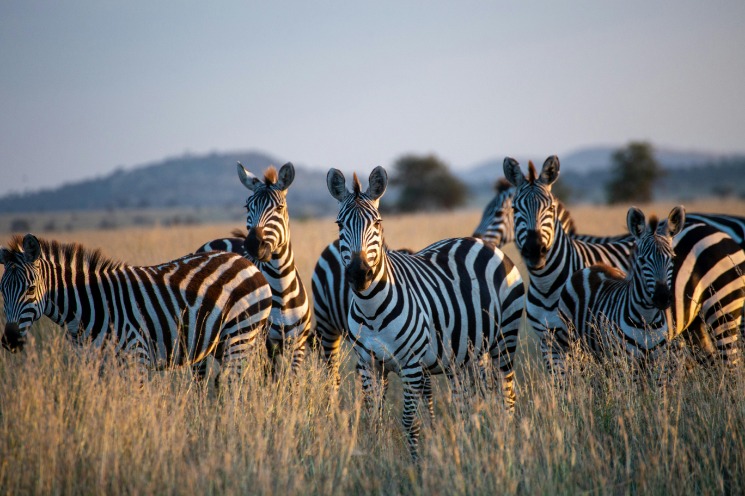
Geography and Location of the Serengeti
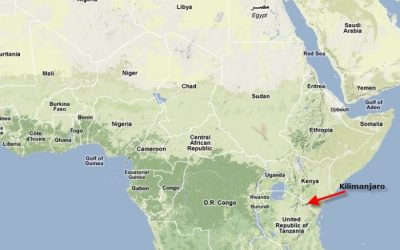
The Serengeti is a vast and iconic ecosystem located in northern Tanzania, renowned for its breathtaking landscapes and diverse wildlife. Covering approximately 14,750 square kilometers, it stretches across the borders of Tanzania and Kenya, forming part of the Serengeti National Park. Its strategic location near the equator contributes to its warm climate and rich biodiversity, making it one of the most famous wildlife reserves in the world.
Extent and Boundaries
The Serengeti is a vast savannah ecosystem located in northern Tanzania, renowned for its stunning landscapes and abundant wildlife. It covers a significant part of the East African Rift Valley and forms one of the most celebrated national parks in the world.
- The Serengeti extends approximately 30,000 square kilometers (around 11,583 square miles), making it one of Africa’s largest and most iconic protected areas.
- It is situated primarily in Tanzania, with a small portion extending into southwestern Kenya, although the core of the Serengeti is within Tanzania.
- The park lies between Lake Victoria to the west and the Ngorongoro Conservation Area to the south, with the eastern boundary adjoining the Maasai Mara in Kenya.
- The boundaries of the Serengeti are defined by a combination of governmental designations and natural features, such as rivers and plains, that shape its borders.
- The terrain is characterized by extensive plains, grasslands, savannahs, and some wooded areas, supporting a diverse array of flora and fauna.
Physical Features and Terrain
The Serengeti of Tanzania is a vast and iconic savannah ecosystem renowned for its expansive plains and diverse wildlife. Located in northern Tanzania, it extends across approximately 14,750 square kilometers and borders Kenya’s Maasai Mara. The region is situated between the Great Rift Valley and the highlands of Tanzania, providing a unique geographical setting. The Serengeti’s location makes it a central hub for animal migrations and abundant biodiversity.
Physically, the Serengeti features a variety of landforms, including open grassy plains, rolling hills, and acacia woodlands. It encompasses a series of rivers and seasonal water sources that sustain its ecosystems throughout the year. The terrain is predominantly flat with some gently undulating areas, offering ideal conditions for large herds of herbivores and predators. Its diverse physical features support the rich flora and fauna that make the Serengeti one of the most remarkable natural landscapes in Africa.
Climate and Weather Patterns
The Serengeti of Tanzania is a vast and iconic savannah region renowned for its incredible biodiversity and stunning landscapes. Located in northern Tanzania, it stretches across some of the country’s most fertile and scenic areas, bordering Kenya’s Maasai Mara. The Serengeti is characterized by expansive plains, scattered acacia trees, and rolling hills, creating an open environment that supports a wide variety of wildlife.
The climate in the Serengeti is generally tropical and semi-arid, with distinct wet and dry seasons that influence the region’s ecology. The area experiences warm temperatures year-round, with daytime temperatures often ranging between 25°C and 30°C (77°F to 86°F). Rainfall mainly occurs during the long rains from March to May and the short rains around November, resulting in lush vegetation during the rainy season that sustains herbivores and predators alike.
Weather patterns in the Serengeti are driven by the African monsoon system, leading to predictable seasonal changes. The dry season, from June to October, is marked by cooler temperatures and minimal rainfall, creating ideal conditions for wildlife migrations and viewing. During the rainy season, the landscape transforms into a verdant haven, supporting the growth of grasses and attracting numerous species of animals. These seasonal patterns are essential for maintaining the delicate balance of the Serengeti ecosystem.
Ecology and Wildlife of the Serengeti
The Serengeti of Tanzania is a remarkable ecosystem renowned for its rich biodiversity and stunning landscapes. It is one of the most famous wildlife regions in the world, supporting a vast array of species including the iconic big cats, elephants, zebras, and wildebeests. The Serengeti’s ever-changing scenery and abundant wildlife make it a vital sanctuary for conservation and a spectacular destination for nature enthusiasts.
Native Flora and Vegetation
The Serengeti of Tanzania is renowned for its rich and diverse ecology, supporting a wide variety of wildlife and plant species. This expansive savannah ecosystem is characterized by open grasslands, acacia woodlands, and seasonal rivers, creating an ideal habitat for many animals. The region is especially famous for the Great Migration, where millions of wildebeests, zebras, and other herbivores move across the plains in search of fresh grazing grounds, attracting predators like lions, cheetahs, and hyenas.
The native flora of the Serengeti primarily consists of grasses, shrubs, and scattered trees that have adapted to the climate and seasonal changes. Tall grasses such as red oat grass and lion’s tail dominate the landscape, providing essential forage for herbivores. Acacia trees, with their distinctive thorny branches and drought-resistant leaves, are prevalent and offer shade and food for various species. During the dry seasons, many plants enter dormancy, while the rainy season stimulates rapid growth and regeneration.
The vegetation plays a crucial role in maintaining the ecological balance, supporting the diverse animal populations, and sustaining the region’s overall health. The interplay between the native flora and fauna creates a dynamic and resilient ecosystem that continues to thrive under protection and responsible management. This unique blend of wildlife and vegetation makes the Serengeti a vital area for conservation and ecological studies.
Major Animal Species
The Serengeti of Tanzania is renowned for its rich ecology and diverse wildlife, making it one of the most famous natural habitats in the world. The ecosystem supports a wide variety of species, thriving amidst vast grasslands, acacia trees, and seasonal water sources. The region’s climate and landscape create ideal conditions for animal life to flourish, supporting complex food webs and seasonal migrations.
Major animal species found in the Serengeti include the iconic African elephant, which roams the plains in large herds, and the enormous pride of lions that hunt in packs. The plains are also home to leopards and cheetahs, known for their agility and hunting prowess. The wildebeest migration, one of the most spectacular animal spectacles, involves millions of wildebeest, zebras, and gazelles traveling in search of fresh grazing grounds. Other notable species are elephants, buffaloes, hyenas, crocodiles, and numerous bird species such as ostriches and vultures, contributing to the vibrant and dynamic wildlife of the Serengeti.
Migration Patterns
The Serengeti of Tanzania is renowned for its rich ecology and vibrant wildlife. This vast savannah ecosystem supports a diverse range of species, including predators, herbivores, and numerous bird species, making it one of the most iconic wildlife reserves in the world.
Migration patterns in the Serengeti are among the most spectacular natural phenomena. Every year, over two million wildebeests, along with hundreds of thousands of zebras and gazelles, migrate in a circular route in search of fresh grazing areas and water. This migration is driven by the seasonal rains and ensures the survival of these species, as well as maintaining the ecological balance of the region.
The migration begins with the herds moving from the southern plains during the dry season towards the greener northern and western areas when the rains arrive. They then return southward as the rainy season ends. Along their journey, predators like lions, cheetahs, and crocodiles follow the herds, preying on the vulnerable and contributing to the healthy functioning of the ecosystem.
The Serengeti’s dynamic migration patterns highlight the delicate interplay between climate, animal behavior, and habitat, underscoring the importance of conservation efforts to preserve this extraordinary natural spectacle for future generations.
Predators and Prey Dynamics
The Serengeti of Tanzania is renowned for its rich ecology and diverse wildlife, making it one of the most iconic safari destinations in the world. This vast savannah ecosystem supports a complex web of predator and prey interactions that are vital to maintaining ecological balance. Predators such as lions, cheetahs, leopards, and hyenas play a crucial role in controlling the populations of herbivores like zebras, wildebeests, and gazelles.
The predator-prey dynamics in the Serengeti are characterized by seasonal migrations and hunting strategies that influence animal populations and behaviors. During the annual migration, millions of wildebeests and zebras move in search of fresh grazing lands, which also attracts predators following prey movements. Lions often hunt in prides, targeting the weaker or isolated individuals, while cheetahs rely on their speed to catch fleet-footed prey such as gazelles.
This natural balance ensures the survival of various species and promotes biodiversity within the Serengeti. It also provides a fascinating glimpse into evolutionary adaptations, as predators develop strategies to catch prey, while prey animals evolve speed, agility, and vigilance to escape predation. Overall, the predator-prey interactions are essential components of the serene yet dynamic ecology that defines the Serengeti’s wilderness.
Serengeti National Park
The Serengeti National Park, located in Tanzania, is one of the world’s most renowned wildlife conservation areas. Famous for its incredible annual migration of over two million wildebeest and numerous other species, the park offers breathtaking landscapes and diverse ecosystems. It is a vital sanctuary for both predators and prey, making it a must-visit destination for nature enthusiasts and adventurers alike.
History and Establishment
The Serengeti National Park, located in Tanzania, is one of the most renowned wildlife conservation areas in the world. It has a rich history that dates back thousands of years, originally inhabited by various indigenous tribes who coexisted with the diverse flora and fauna of the region. The name “Serengeti” is derived from the Maasai word “Siringet,” which means “the land that spreads on forever,” reflecting the vastness of the plains.
The establishment of the Serengeti National Park was formally recognized in 1951 when the Tanzanian government designated this expansive area as a protected region for wildlife conservation and tourism. This move was part of broader efforts to preserve the unique ecosystem and to promote sustainable tourism that benefits local communities and the environment.
Conservation Efforts
The Serengeti National Park in Tanzania is renowned for its vast savannahs, diverse wildlife, and the annual migration of millions of wildebeest and other animals. Conservation efforts in the park are vital to preserving its unique ecosystem and endangered species. Initiatives include anti-poaching patrols, community-based conservation programs, and habitat management to ensure sustainable coexistence between wildlife and local communities. Additionally, collaborations with international organizations help fund conservation projects and promote scientific research. These efforts aim to maintain the Serengeti’s ecological integrity while supporting local livelihoods and fostering awareness about the importance of protecting this iconic landscape.
Tourist Attractions and Activities
Serengeti National Park in Tanzania is one of the most famous wildlife reserves in the world, renowned for its breathtaking landscapes and incredible biodiversity. It offers an unforgettable experience for travelers seeking a true safari adventure. Visitors can witness the famous wildebeest migration, which is one of the largest and most spectacular animal migrations on Earth. The park is home to the Big Five—lion, elephant, buffalo, leopard, and rhinoceros—providing excellent opportunities for wildlife viewing and photography.
Among the top tourist attractions are the endless plains, which create a dramatic backdrop for game drives and hot air balloon safaris. The park’s diverse ecosystems include grasslands, woodlands, and riverine forests, each harboring unique flora and fauna. Visitors can also explore Lake Serengeti, a vital water source attracting numerous animals, especially during dry seasons. The park’s scenic beauty is complemented by the opportunity to experience local Maasai culture through guided visits and cultural tours.
Popular activities in Serengeti National Park include game drives, guided walking safaris, hot air balloon safaris, and bird watching. Wildlife enthusiasts can participate in night safaris to observe nocturnal animals. The park also offers camping and luxury lodges for those wanting to immerse themselves in the wilderness while enjoying comfort and amenities. Whether watching the majestic predators stalking prey or witnessing the plains filled with migrating herds, visitors can expect an adventure filled with awe-inspiring sights and memorable experiences.
Park Infrastructure and Facilities
The Serengeti National Park in Tanzania is renowned for its vast savannahs, diverse wildlife, and breathtaking landscapes. The park’s infrastructure and facilities are designed to enhance visitor experience while conserving its fragile ecosystems.
- Visitor Centers and Lodges: The park features several well-equipped visitor centers that provide information, exhibits, and orientation. Luxury lodges, tented camps, and mobile camps are available for overnight stays, offering comfort amid the wilderness.
- Road Infrastructure: The park has a network of well-maintained gravel roads and tracks, enabling safe and easy access to various wildlife hotspots. These roads are managed to minimize environmental impact.
- Guided Tours and Safari Vehicles: Visitors can explore the park through guided game drives using open-sided safari vehicles, often arranged by tour operators or lodge services.
- Facilities and Amenities: Basic amenities such as restrooms, picnic sites, and designated camping areas are available at key locations within the park to support visitor needs.
- Conservation and Research Centers: Facilities dedicated to wildlife conservation, research, and community engagement help preserve the park’s biodiversity and support sustainable tourism.
- Transportation Services: The park is accessible by air through several small airstrips, facilitating quick transfers from major cities and airports in Tanzania.
Cultural Significance and Human Interaction
The Serengeti of Tanzania is more than just a vast wilderness; it is a region rich in cultural significance and deeply intertwined with human interaction. For centuries, local communities and indigenous tribes have coexisted with this iconic landscape, shaping its traditions, stories, and way of life. The cultural heritage of the Serengeti reflects a profound relationship between people and nature, highlighting the importance of conservation, identity, and collective history in maintaining this extraordinary environment.
Local Communities and Livelihoods
The Serengeti of Tanzania holds profound cultural significance for local communities, particularly the Maasai people, who have inhabited the region for centuries. Their traditions, folklore, and way of life are deeply intertwined with the landscape, making it a vital part of their cultural identity. Human interaction with the Serengeti is marked by a commitment to coexistence and conservation, often blending traditional practices with modern initiatives to protect this unique ecosystem.
Local communities in the Serengeti rely heavily on the land for their livelihoods, engaging in activities such as pastoralism, tourism, and sustainable agriculture. Ecotourism, in particular, offers economic opportunities while encouraging the preservation of wildlife and natural resources. These interactions foster a symbiotic relationship where the well-being of the environment directly supports the social and economic stability of the communities, ensuring the Serengeti remains a vibrant landscape for generations to come.
Impact of Tourism
The Serengeti of Tanzania holds immense cultural significance and fosters profound human interaction, making it a vital symbol of Tanzanian heritage and natural wonder. This vast ecosystem is not only home to diverse wildlife but also a sacred landscape for indigenous communities such as the Maasai, whose traditions and way of life are deeply intertwined with the environment.
- Preserves traditional Maasai lifestyle and customs, emphasizing the cultural connection between humans and nature.
- Serves as a site for cultural tourism, enabling visitors to learn about local traditions and lifestyles.
- Offers opportunities for community-based conservation projects that involve local populations in protecting the ecosystem.
- Facilitates intercultural exchange, fostering mutual understanding and appreciation between tourists and indigenous communities.
However, increased tourism in the Serengeti also has significant impacts. While it promotes economic development and awareness about conservation, it can also lead to environmental degradation, disturbance to wildlife, and cultural disruption if not managed sustainably.
- Economic benefits through employment, hospitality, and guided tours that support local communities.
- Environmental challenges such as habitat fragmentation, pollution, and increased resource consumption.
- Potential erosion of traditional customs and lifestyles due to exposure to external influences.
- The necessity for sustainable tourism practices to balance human interaction, cultural preservation, and ecological health.
Traditions and Cultural Heritage
The Serengeti of Tanzania holds immense cultural significance for the indigenous Maasai people, whose traditions and way of life are deeply intertwined with the region’s landscape and wildlife. Their customs, music, dance, and pastoral practices reflect a rich cultural heritage that has been preserved for generations, symbolizing their enduring connection to the land. Human interaction with the Serengeti has shaped the region’s identity, fostering a relationship of respect and coexistence with nature.
Traditional ceremonies and folklore play a vital role in maintaining the cultural fabric of local communities, showcasing their reverence for the natural world and the animals that inhabit it. These customs not only serve as a means of cultural expression but also help sustain their social cohesion and identity. The Serengeti thus represents a unique blend of natural wonder and human heritage, where conservation efforts often seek to balance ecological preservation with the preservation of cultural traditions.
Conservation Challenges and Initiatives
The Serengeti of Tanzania is one of the world’s most celebrated ecosystems, home to a rich diversity of wildlife and vital for ecological balance. However, it faces numerous conservation challenges, including habitat loss, poaching, and human-wildlife conflict. In response, various initiatives have been launched to protect this iconic landscape, involving local communities, governments, and international organizations working together to ensure its preservation for future generations.
Poaching and Illegal Wildlife Trade
The Serengeti of Tanzania faces significant conservation challenges, primarily due to poaching and the illegal wildlife trade. These activities threaten the diverse species that inhabit the region, including elephants, rhinoceroses, and lions. Poaching is driven by the high demand for ivory, horns, and other animal parts in international markets, exacerbating the decline of these iconic species. In response, various initiatives have been implemented to combat these threats. Conservation organizations and the Tanzanian government have increased patrols, established anti-poaching units, and promoted community-based conservation programs that involve local communities in protecting wildlife. Additionally, wildlife tourism has become a vital tool for generating revenue that supports conservation efforts and provides alternative livelihoods for local residents. Continued collaboration and increased awareness are essential to ensure the long-term preservation of the Serengeti’s rich biodiversity.
Habitat Loss and Environmental Threats
The Serengeti of Tanzania faces numerous conservation challenges and initiatives aimed at preserving its rich biodiversity. Habitat loss due to agricultural expansion, deforestation, and infrastructure development continues to threaten the region’s delicate ecosystems. Environmental threats such as climate change, droughts, and poaching exacerbate these issues, putting many species at risk. In response, conservation initiatives like the Serengeti National Park management efforts, community-based conservation programs, and international collaborations focus on protecting wildlife corridors, promoting sustainable land use, and raising awareness. These efforts are crucial to ensuring the longevity of the Serengeti’s iconic wildlife and maintaining the ecological balance of this world-renowned savannah.
International and Local Conservation Projects
The Serengeti of Tanzania faces numerous conservation challenges that threaten its rich biodiversity. Poaching, illegal wildlife trade, and habitat destruction due to agricultural expansion and infrastructure development are among the primary concerns. Climate change also impacts the region by altering rainfall patterns and disrupting animal migration cycles. To address these issues, both international and local organizations have launched various conservation initiatives aimed at protecting the ecosystem. International efforts include support from organizations such as UNESCO and the World Wildlife Fund, which fund anti-poaching measures, habitat restoration, and community engagement programs. Locally, Tanzanian authorities and conservation groups work to enforce wildlife protection laws, promote sustainable tourism, and involve local communities in conservation activities. These combined efforts are crucial for safeguarding the Serengeti’s iconic wildlife and ensuring its ecological balance for future generations.
Research and Scientific Studies
Research and scientific studies play a crucial role in understanding the intricate ecosystems and biodiversity of the Serengeti in Tanzania. These investigations help uncover the dynamic relationships between the wildlife, climate, and landscapes, providing valuable insights for conservation efforts. By studying this iconic savannah, scientists can better appreciate the ecological processes that sustain one of the world’s most renowned wildlife destinations.
Wildlife Monitoring and Research
The Serengeti of Tanzania is renowned for its rich biodiversity and serves as a vital hub for wildlife monitoring and scientific research. Researchers from around the world conduct studies on the region’s diverse species, including the iconic wildebeest, zebras, lions, and elephants, to better understand their behaviors, migration patterns, and ecological roles. Scientific studies in the Serengeti contribute significantly to conservation efforts, helping to develop strategies for preserving this unique ecosystem. Modern wildlife monitoring techniques, such as GPS collaring, drone surveillance, and camera traps, are extensively utilized to gather crucial data. These efforts support ongoing research initiatives aimed at ensuring the long-term sustainability of the Serengeti’s wildlife populations, fostering a deeper understanding of the complex interactions within this extraordinary savannah ecosystem.
Ecological Studies and Biodiversity Assessments
The Serengeti of Tanzania is a renowned region for its extensive research and scientific studies, offering invaluable insights into ecosystems and wildlife behaviors. These investigations help in understanding the delicate balance of the savannah’s environment, guiding conservation efforts and sustainable management practices.
- Ecological studies in the Serengeti examine the interactions between flora, fauna, and the environment, revealing patterns in predator-prey dynamics, seasonal movements, and habitat usage.
- Biodiversity assessments are conducted to catalog the numerous species inhabiting the region, including elephants, lions, and countless bird species, highlighting the area’s status as a biodiversity hotspot.
- Scientific research often involves tracking migrations, analyzing ecological impacts of climate change, and evaluating human-wildlife conflicts to develop effective conservation strategies.
- These studies contribute to global ecological knowledge, emphasizing the importance of protecting the Serengeti’s rich biological heritage for future generations.
Impact of Climate Change
The Serengeti of Tanzania is globally renowned for its stunning biodiversity and vast plains, which are significantly impacted by climate change. Scientific studies show that rising temperatures and altered rainfall patterns are affecting the migration patterns of wildebeests and other species, disrupting the delicate balance of this ecosystem. Research indicates that prolonged droughts and unpredictable weather are leading to habitat loss and decreased food availability, threatening the survival of many animals. These changes not only threaten the wildlife but also impact local communities that depend on tourism and sustainable farming. Continued scientific research is crucial to understanding these impacts and developing conservation strategies to preserve the Serengeti’s unique environment for future generations.

0 Comments