
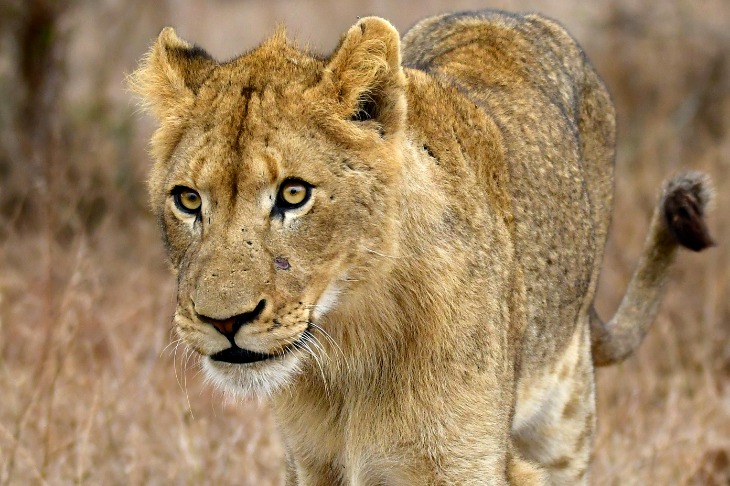
Overview of Safari in Tanzania
Tanzania is renowned for its spectacular safaris, offering travelers an unforgettable experience amidst diverse wildlife and breathtaking landscapes. From the vast plains of the Serengeti to the unique ecosystems of Ngorongoro Crater, Tanzania’s safari adventures showcase the world’s most iconic animals in their natural habitat. This country stands as a top destination for wildlife enthusiasts seeking authentic and immersive safari journeys.
What is a Safari?
A safari in Tanzania offers an unforgettable adventure into some of the world’s most stunning wilderness areas, renowned for their abundant wildlife and breathtaking landscapes. Tanzania is home to iconic national parks such as Serengeti, Ngorongoro Crater, and Tarangire, making it a premier destination for safari enthusiasts.
A safari is a journey or expedition to observe and photograph wildlife in their natural habitat. It provides travelers with a chance to experience the beauty and diversity of nature, often involving game drives, walking safaris, and boat trips. In Tanzania, safaris are typically conducted in open-sided vehicles that allow for close-up views of animals like lions, elephants, giraffes, and zebras, offering a unique opportunity to learn about and connect with the environment.
Unique Features of Tanzanian Safaris
Tanzania is renowned for its extraordinary safari experiences, offering a diverse range of wildlife and breathtaking landscapes. It is home to some of Africa’s most iconic national parks and game reserves, making it a top destination for safari enthusiasts.
One of the unique features of safaris in Tanzania is the opportunity to witness the incredible Great Migration in the Serengeti, where millions of wildebeests, zebras, and other herbivores traverse the plains in search of fresh grazing lands. This awe-inspiring event attracts predators and creates a dynamic, ever-changing wilderness spectacle.
Tanzania’s Ngorongoro Crater, a UNESCO World Heritage Site, offers a unique safari experience within a volcanic caldera, hosting a dense concentration of wildlife in a relatively small area. The crater’s stunning scenery and abundant animals make it a must-visit destination.
Additionally, Tanzania provides diverse safari environments, including savannahs, woodlands, lakes, and coastal regions, allowing visitors to encounter a wide variety of species and landscapes. The country also offers the chance to combine game viewing with cultural visits to Maasai villages, enriching the safari experience.
Overall, Tanzania’s safaris are distinguished by their natural beauty, immense wildlife populations, and the chance to witness some of the most extraordinary phenomena in the animal kingdom, making it a premier destination for memorable wildlife adventures.
Top Safari Destinations in Tanzania
Tanzania is renowned for its breathtaking safari experiences, offering some of the most spectacular wildlife viewing opportunities in Africa. From vast plains teeming with iconic animals to lush parks home to unparalleled biodiversity, Tanzania is a premier destination for adventure seekers and nature lovers alike. Explore the country’s top safari destinations and discover the mesmerizing landscapes and incredible wildlife that make Tanzania a must-visit for any safari enthusiast.
Serengeti National Park
Serengeti National Park is one of the most iconic safari destinations in Tanzania, renowned for its breathtaking landscapes and incredible wildlife. Visitors to the Serengeti can witness the famous Great Migration, where millions of wildebeest, zebras, and other animals move in search of fresh pasture, creating a spectacular natural event. The park is also home to the Big Five—lion, elephant, buffalo, leopard, and rhinoceros—offering memorable wildlife sightings. Besides the Serengeti, Tanzania boasts other top safari destinations such as Ngorongoro Crater, known for its dense wildlife concentration in a volcanic caldera, and Lake Manyara National Park, famous for its birdlife and tree-climbing lions. Selous Game Reserve and Tarangire National Park are also popular for their diversity of animals and scenic landscapes. Tanzania’s rich wilderness and commitment to conservation make it a premier location for an unforgettable safari experience.
Ngorongoro Conservation Area
Ngorongoro Conservation Area is one of Tanzania’s most renowned safari destinations, offering an extraordinary wildlife experience within a UNESCO World Heritage Site. Nestled in the heart of Northern Tanzania, it is famous for the Ngorongoro Crater, the world’s largest intact volcanic caldera, which provides a unique opportunity to witness a dense concentration of wildlife including lions, elephants, rhinoceroses, and wildebeests. The area also includes extensive savannahs, forests, and waterfalls, making it a diverse landscape for safari adventures. Visitors can enjoy game drives, spotting the Big Five, and exploring archaeological sites that showcase ancient human history. Ngorongoro Conservation Area offers an authentic and breathtaking safari experience that is ideal for nature enthusiasts and wildlife photographers alike.
Lake Manyara National Park
Lake Manyara National Park is one of the top safari destinations in Tanzania, renowned for its diverse landscapes and abundant wildlife. Located at the base of the Great Rift Valley, this park offers stunning views and a rich variety of animals, including elephants, giraffes, zebras, and countless bird species, especially flamingos that adorn the lake’s shores. Visitors can enjoy game drives and birdwatching in a relatively compact area, making it an ideal spot for those seeking a scenic and wildlife-rich safari experience. The park’s unique ecosystem also features lush forests, open plains, and salt flats, providing a variety of habitats to explore. Lake Manyara’s combination of natural beauty and wildlife makes it a must-visit destination for safari enthusiasts traveling to Tanzania.
Tarangire National Park
Tarangire National Park is one of Tanzania’s most remarkable safari destinations, renowned for its stunning landscapes and diverse wildlife. Located in the northern part of Tanzania, this park offers a unique safari experience with its iconic baobab trees and expansive plains. Visitors often flock to Tarangire to witness large herds of elephants, which are a hallmark of the park, along with lions, cheetahs, giraffes, and countless antelope species. The park’s seasonal wetlands attract a variety of birdlife, making it a paradise for birdwatchers. With its relatively fewer crowds and breathtaking scenery, Tarangire provides an authentic and unforgettable safari adventure in Tanzania’s rich wildlife heritage.
Selous Game Reserve
Tanzania is renowned for its incredible safari experiences, offering vast wilderness areas teeming with diverse wildlife. Among its top destinations is the Selous Game Reserve, one of Africa’s largest and most unspoiled safari parks. The reserve is renowned for its remote wilderness, abundant wildlife, and unique landscape, making it a must-visit for safari enthusiasts. Visitors can enjoy game drives, boat safaris on the Rufiji River, and walking safaris that provide intimate encounters with nature. The reserve hosts elephants, lions, rhinos, and a variety of bird species, offering a quintessential Tanzanian safari adventure. Exploring Selous provides an authentic and off-the-beaten-path experience, immersing travelers in the heart of Tanzania’s wilderness and showcasing the rich biodiversity that the country is famous for.
Mahale Mountains and Gombe Stream
Tanzania is renowned for its spectacular safari destinations, offering unparalleled wildlife experiences and stunning landscapes. Among the top locations are the Mahale Mountains and Gombe Stream National Parks, both famous for their exceptional chimpanzee encounters and lush environments. These parks provide a unique opportunity for travelers to observe primates in their natural habitat while enjoying the breathtaking scenery of Western Tanzania. Visitors can immerse themselves in the tranquility of the mountains, spot various wildlife species, and learn about conservation efforts that support these vital ecosystems. A safari in Tanzania promises unforgettable adventures and a deep connection with nature’s most fascinating creatures.
Wildlife to Expect in Tanzanian Safaris
Tanzania is renowned for its incredible wildlife and breathtaking safaris, offering visitors a chance to witness some of the world’s most iconic animals in their natural habitat. From the vast plains of the Serengeti to the lush forests of the Ngorongoro Crater, travelers can expect to see an impressive diversity of wildlife, including majestic elephants, powerful lions, elusive leopards, graceful giraffes, and countless species of antelope and birds. Embarking on a safari in Tanzania promises unforgettable encounters with nature’s most extraordinary creatures amidst stunning landscapes.
Big Five Animals
Tanzania is renowned for its incredible wildlife and is considered one of the top safari destinations in Africa. Visitors to Tanzanian safaris can expect to encounter a rich variety of animals thriving in their natural habitats, from vast savannahs to lush forests. The country is famous for hosting the Big Five—lion, elephant, buffalo, leopard, and rhinoceros—which are the most sought-after creatures by wildlife enthusiasts. These majestic animals can often be seen roaming freely in famous national parks such as Serengeti, Ngorongoro Crater, and Tarangire. Besides the Big Five, travelers might also spot cheetahs, giraffes, wildebeests, zebra, and numerous bird species, making a Tanzanian safari truly a spectacular experience for nature lovers. The diverse landscapes and abundant wildlife ensure that every safari adventure is memorable and full of exciting discoveries.
Wildebeest Migration
Embarking on a safari in Tanzania offers an incredible opportunity to witness some of the world’s most iconic wildlife. Among the many animals you can expect to see are elephants, lions, leopard, rhinoceroses, and buffalo, often referred to as the “Big Five.” The country’s vast national parks, such as Serengeti, Ngorongoro Crater, and Tarangire, host diverse ecosystems teeming with wildlife, providing unforgettable safari experiences.
One of the most spectacular events to witness in Tanzanian safaris is the Wildebeest Migration. Each year, over a million wildebeests, along with hundreds of thousands of zebras and other herbivores, traverse the plains of the Serengeti in search of fresh grazing grounds. This awe-inspiring migration, which also involves dramatic river crossings and predator encounters, is considered one of the greatest wildlife spectacles on Earth, drawing visitors from all over the world.
Bird Species Diversity
Tanzania is renowned for its incredible wildlife and diverse bird species, making it a premier destination for safari enthusiasts. Visitors can expect to see iconic animals such as elephants, lions, leopards, buffalo, and rhinoceroses roaming freely across vast savannahs and protected parks like Serengeti and Ngorongoro Crater. The country’s rich ecosystems support a wide variety of species, providing unforgettable wildlife encounters.
In addition to its large mammals, Tanzania boasts an extraordinary avian population. Bird watchers can enjoy the sight of over 1,000 bird species, including the stunning Lilac-breasted Roller, vibrant Crowned Crane, elegant Grey Crowned Crane, and numerous kingfishers, storks, and vultures. The diverse habitats, from lush wetlands to arid plains, contribute to the incredible bird species diversity, making Tanzania a true paradise for birding aficionados.
Rare and Endangered Species
Tanzania is renowned for its incredible wildlife and offers some of the most memorable safari experiences in Africa. Visitors can expect to encounter vast herds of elephants, majestic lions, elusive leopards, and herds of graceful giraffes. The Serengeti National Park, famous for the Great Migration, provides endless opportunities to witness large-scale animal movements and abundance of wildlife.
Besides the well-known species, Tanzania is home to rare and endangered animals such as the black rhinoceros, which can be seen in protected areas like the Ngorongoro Crater. The African wild dog, one of the most social and highly endangered predators, sometimes roams in some parks, offering a rare sighting for travelers.
Other notable species include the elegant sitatunga antelope, often found in swampy areas, and the fascinating hippos and crocodiles that inhabit the waterways. The diverse habitats across Tanzania, from savannahs to forests and wetlands, support a wide array of wildlife, making safaris here a truly remarkable adventure for nature enthusiasts and photographers alike.
Best Time to Visit Tanzania for Safari
Embarking on a safari in Tanzania offers an extraordinary adventure through some of Africa’s most remarkable landscapes and wildlife. The best time to visit depends on your desire to witness the great migration, avoid the crowds, or experience the lush green scenery. Understanding the seasonal variations can help you plan an unforgettable safari experience in this wildlife-rich country.
Dry Season (June to October)
The best time to visit Tanzania for a safari experience is during the dry season, from June to October. This period offers optimal wildlife viewing opportunities as animals gather around water sources and vegetation is less dense, making them easier to spot. The weather is generally clear and cool, providing comfortable conditions for game drives. Additionally, this time of year coincides with the migration of animals such as zebras and wildebeests, especially in the Serengeti, allowing for unforgettable viewing and photography experiences. Visiting during these months ensures a more rewarding and enjoyable safari adventure in Tanzania.
Wet Season (November to May)
The best time to visit Tanzania for a safari during the wet season, spanning from November to May, offers a unique and rewarding experience for travelers. During this period, the landscape is lush and vibrant, providing breathtaking scenery that enhances the safari adventure. The rainy season attracts an abundance of wildlife to waterholes, making wildlife viewing easier and more rewarding, especially for birdwatchers eager to see migratory species. Additionally, the lower travel costs and fewer crowds during these months make for a more intimate and affordable safari experience. Although some remote lodges and roads may be less accessible during heavy rains, the overall beauty and wildlife opportunities make the wet season an excellent time to explore Tanzania’s national parks. This period also offers the chance to witness the calving season in Southern Serengeti, where vast herds of newborn animals migrate across the plains, creating incredible viewing opportunities for enthusiasts. Overall, visiting Tanzania during the wet season provides a lush, lively, and cost-effective safari adventure filled with extraordinary wildlife encounters and scenic beauty.
Types of Safaris in Tanzania
Tanzania is renowned for its incredible safaris, offering a diverse range of experiences for wildlife enthusiasts and adventure seekers alike. From expansive national parks to private reserves, visitors can explore various types of safaris that showcase the country’s rich biodiversity and stunning landscapes. Whether you’re seeking guided game drives, walking safaris, or boat safaris, Tanzania provides a multitude of ways to immerse yourself in its breathtaking natural beauty.
Luxury Lodge Safaris
Luxury lodge safaris in Tanzania offer an exceptional way to experience the country’s rich wildlife and stunning landscapes in utmost comfort and style. These safaris typically include stays at high-end lodges and tented camps that are strategically located near major national parks such as Serengeti, Ngorongoro Crater, and Tarangire. Guests can enjoy personalized services, gourmet meals, and panoramic views from their accommodations while indulging in guided game drives and cultural experiences.
Mobile Camping Safaris
Mobile camping safaris in Tanzania offer an adventurous and flexible way to explore the country’s diverse wildlife and stunning landscapes. Unlike traditional fixed lodge safaris, these safaris involve moving with portable tents and equipment, allowing travelers to experience remote and pristine areas of Tanzania that are often inaccessible by vehicle or foot. This type of safari provides an authentic bush experience, immersing visitors in the natural environment while enjoying the comfort of a well-organized mobile camp. It is ideal for those seeking a close connection to nature, panoramic views, and a sense of adventure in the heart of Tanzania’s wilderness.
Walking Safaris
Walking safaris in Tanzania offer a unique and immersive experience, allowing travelers to explore the wilderness on foot and get up close to nature and wildlife. Unlike traditional game drives, walking safaris enable visitors to observe the smaller details of the landscape, such as tracks, plants, and birdlife, guided by expert rangers. They are typically conducted in well-regulated national parks and reserves like Serengeti, Tarangire, and Ruaha, where safety measures are strictly followed. This type of safari provides a deeper connection to the environment and a sense of adventure that is unmatched by vehicle-based safaris, making it a popular choice for those seeking a more personal and authentic Tanzanian safari experience.
Balloon Safaris
Balloon safaris in Tanzania offer a magical experience, allowing travelers to view the stunning landscapes and diverse wildlife from a unique vantage point. These safaris typically take place at dawn, providing breathtaking views of the Serengeti, Ngorongoro Crater, and other iconic national parks. Floating silently above the plains, visitors can enjoy unobstructed sights of herds of elephants, lions, giraffes, and zebras, all while basking in the warm glow of sunrise. Balloon safaris provide an adventurous and intimate way to explore Tanzania’s wilderness, often combined with game drives for a comprehensive safari experience.
Planning Your Safari Trip
Planning a safari trip in Tanzania promises an unforgettable adventure filled with breathtaking wildlife encounters and stunning landscapes. Carefully organizing your itinerary, choosing the right time to visit, and selecting reputable tour operators can ensure a smooth and memorable experience. With its vast national parks and rich biodiversity, Tanzania is the perfect destination for travelers seeking to immerse themselves in the wilderness and explore nature’s wonders.
Visa and Entry Requirements
Planning your safari trip to Tanzania involves careful preparation to ensure a smooth and enjoyable experience. It’s essential to research the best time to visit, choose the right safari parks, and plan accommodation options to suit your preferences and budget. Familiarizing yourself with the cultural etiquette and safety guidelines will enhance your adventure while respecting local communities.
Regarding visa and entry requirements, most travelers to Tanzania need a visa to enter the country. Visitors can obtain a visa online through the eVisa system or upon arrival at major entry points. You will need a valid passport with at least six months of remaining validity, along with a completed visa application form and the applicable fee. It is advisable to check the latest entry requirements and health advisories, including any vaccinations required, before your trip. Staying informed about these regulations helps avoid delays or complications during your journey to explore Tanzania’s stunning wilderness and wildlife.
Health and Safety Precautions
Embarking on a safari in Tanzania requires thoughtful planning to ensure a memorable and safe adventure. It is important to research the best parks and seasons to visit, such as Serengeti or Ngorongoro Crater, and consider hiring experienced guides for a richer experience. Preparing necessary documents, vaccinations, and appropriate clothing will help you stay comfortable throughout your journey.
Health and safety precautions are vital when exploring Tanzania’s wilderness. Consult your doctor about vaccinations like yellow fever, typhoid, and hepatitis, and carry prophylactics against malaria. Drink bottled or boiled water and practice good hygiene to prevent illnesses. Always follow safety guidelines provided by your guides, stay within designated areas, and inform someone about your itinerary. Carry a basic first aid kit, and be aware of local emergency contacts to ensure your trip remains enjoyable and safe.
Recommended Packing List
Planning a safari trip to Tanzania requires thoughtful preparation to ensure you have a safe and memorable experience. Creating a comprehensive packing list can help you stay organized and ready for the adventure ahead. Consider the essentials needed for the varied climate and activities involved in a Tanzanian safari.
Recommended Packing List for a Tanzanian Safari:
Clothing: Lightweight, breathable shirts and pants for daytime, a wide-brimmed hat for sun protection, a warm jacket or fleece for early mornings and evenings, and neutral-colored clothing to blend into the environment.
Footwear: Comfortable walking shoes or hiking boots, and sandals for relaxing at your lodge or camp.
Sun Protection: Sunglasses, high-SPF sunscreen, and lip balm with SPF to protect against the strong African sun.
Camera Equipment: A good camera or smartphone with extra batteries or chargers, binoculars for wildlife viewing, and a protective case.
Other Essentials: A reusable water bottle, insect repellent, personal toiletries, a small first aid kit, and any necessary medications.
Extras: A lightweight towel, a flashlight or headlamp, and local currency for tips and purchases. Remember to pack light but thoroughly to enjoy your Tanzanian safari fully.
Guided Tours vs. Independent Travel
When planning a safari trip in Tanzania, travelers often face the choice between guided tours and independent travel. Guided tours offer the benefit of experienced guides who know the best spots for wildlife viewing, navigation, and safety, making it easier for first-time visitors to enjoy a seamless experience. They also typically include accommodations, transportation, and activities, allowing for a hassle-free adventure. Conversely, independent travel provides flexibility to customize your itinerary, explore off-the-beaten-path areas, and potentially reduce costs. However, it requires thorough planning, knowledge of the region, and self-reliance. Ultimately, your choice depends on your adventure style, budget, and familiarity with Tanzanian safari regions such as the Serengeti and Ngorongoro Crater.
Cultural Experiences in Tanzania
Discover the vibrant cultural tapestry of Tanzania through its diverse traditions, lively festivals, and ancestral heritage. As a premier destination for safaris, Tanzania offers more than breathtaking landscapes and wildlife; it provides a deep immersion into the rich cultures of its many ethnic groups. From the colorful Maasai rituals to the historic Swahili coast, visitors can experience authentic cultural encounters that complement the stunning safari adventures across the Serengeti and Ngorongoro Crater.
Local Maasai Communities
Experiencing the local Maasai communities in Tanzania offers a unique glimpse into one of Africa’s most iconic cultures. Visitors can engage with Maasai traditions, observe traditional dances, and learn about their customs and way of life. These interactions provide deeper appreciation for the Maasai’s rich heritage and their harmonious relationship with nature. Such cultural encounters enrich the safari experience, making it more than just wildlife viewing but also an immersion into the vibrant local communities of Tanzania.
Traditional Food and Crafts
Exploring Tanzania offers a rich tapestry of cultural experiences that immerse visitors in its vibrant traditions and heritage. From bustling markets to colorful festivals, travelers can learn about the diverse communities that make up this beautiful country. Traditional music, dance, and storytelling are integral parts of Tanzanian culture, often showcased during local celebrations and events.
Traditional food in Tanzania reflects its diverse cultural influences, featuring flavorful dishes such as Ugali, a maize porridge, accompanied by nyama choma (grilled meat) or fish. Visitors should also try local delicacies like pilau (spiced rice) and mandazi (sweet fried dough). These authentic foods provide a taste of Tanzanian life and history, often prepared using age-old recipes passed down through generations.
Tanzanian crafts, renowned for their intricate designs and vibrant colors, include handmade jewelry, woven baskets, and wood carvings. The Maasai are famous for their beadwork, while coastal communities produce beautiful coral jewelry. Visitors can visit local markets and workshops to observe artisans at work and purchase unique souvenirs that reflect the rich cultural tapestry of Tanzania.
Villages and Cultural Tours
Discover the rich tapestry of Tanzanian culture through immersive village visits and cultural tours that offer a unique glimpse into the daily lives and traditions of local communities. These experiences provide travelers with authentic interactions, enabling them to learn about indigenous customs, music, dance, and crafts that have been preserved for generations. Engaging with local villagers not only enriches your safari adventure but also fosters a deeper understanding and appreciation of Tanzania’s diverse cultural heritage.



0 Comments