
History of the Tanzanian Shilling
The Tanzanian Shilling, the official currency of Tanzania, has a rich history that reflects the nation’s economic and colonial legacy. Introduced in the early 1960s following independence from British rule, the shilling replaced the East African shilling and has undergone various phases of inflation, redenomination, and modernization. Its evolution mirrors Tanzania’s journey through independence, socialist policies, and economic reforms aimed at fostering growth and stability.
Origin and Early Use
The Tanzanian Shilling (TZS) is the official currency of Tanzania, with its origins dating back to the period shortly after the country’s independence. The shilling was introduced in 1966, replacing the East African shilling at par, as part of a broader effort to establish a distinct national identity and monetary system. Its early use was primarily focused on stabilizing the economy and facilitating trade within Tanzania and the East African region. The currency was initially issued by the Bank of Tanzania, established shortly after independence, which took over the responsibilities for issuing and managing the currency. Throughout its early years, the Tanzanian Shilling saw various denominations, featuring designs that highlighted national symbols and cultural heritage, reflecting Tanzania’s identity and aspirations as a newly independent nation. The introduction of the shilling marked a significant step in Tanzania’s economic development, helping to establish a unified monetary system and supporting the country’s growth and integration into regional trade networks.
Transition from the East African Shilling
The Tanzanian Shilling (TZS) has a rich history that reflects the country’s economic development and independence from colonial monetary systems. Initially, during the colonial period, the region used the East African Shilling, a currency shared by Uganda, Kenya, and Tanganyika (modern-day Tanzania). This shared currency was introduced in 1919 under British colonial rule and facilitated trade among the East African colonies.
The transition from the East African Shilling to the Tanzanian Shilling began after Tanganyika gained independence in 1961. The new nation’s government aimed to establish a distinct monetary identity, leading to the introduction of the Tanzanian Shilling in 1966, replacing the East African Shilling at par. This move marked an essential step in asserting economic sovereignty and fostering national economic policies specific to Tanzania.
The Tanzanian Shilling has undergone various changes and reforms over the years, including currency redesigns and adjustments to manage inflation and economic challenges. Despite these changes, it remains the official currency of Tanzania today, symbolizing the country’s post-independence economic evolution and national identity.
Introduction of the Modern Tanzanian Shilling
The Tanzanian Shilling has a rich history that reflects the country’s economic evolution and colonial past. Originally, the region used various local currencies and barter systems before adopting official currencies during colonial rule. In the early 20th century, the German East African rupiah and later the British East African shilling were widely used in the territory that is now Tanzania.
The modern Tanzanian Shilling was introduced in 1966, replacing the East African shilling following independence from colonial rule. This change aimed to establish a national currency that represented Tanzania’s sovereignty and economic independence. The new currency was issued by the Bank of Tanzania, which was established to promote and regulate the nation’s monetary policy. Since its introduction, the Tanzanian Shilling has undergone various denominations and series, reflecting the country’s growth and development. Today, it remains a vital part of Tanzania’s economy, symbolizing the nation’s sovereignty and economic identity.
Denominations and Currency Notes
The Tanzanian Shilling is the official currency of Tanzania, widely used across the country for daily transactions. It features various denominations and currency notes that facilitate both small and large purchases. Understanding the different denominations of Tanzanian Shilling notes helps in smooth financial exchanges and improves awareness of the country’s monetary system.
Banknotes of the Tanzanian Shilling
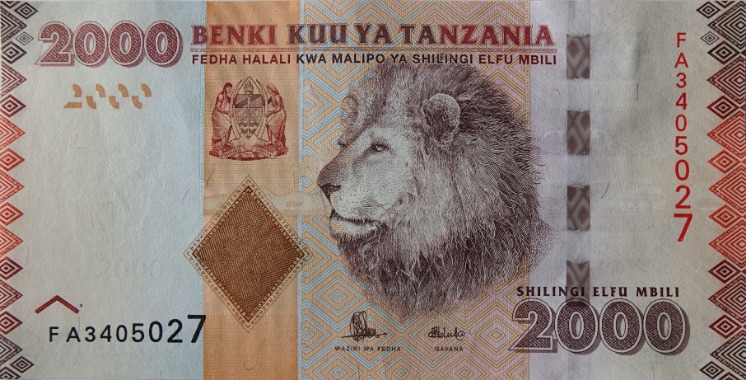
The Tanzanian Shilling is the official currency of Tanzania, used throughout the mainland and Zanzibar. It is denoted by the symbol TSh and subdivided into 100 cents. The currency has a rich history, evolving from colonial eras to modern banknotes featuring prominent national figures and cultural symbols. Tanzanian banknotes are issued by the Bank of Tanzania and come in various denominations, including coins and paper notes. Common banknotes include denominations of 1000, 2000, 5000, 10,000, and 20,000 shillings, each showcasing images that represent Tanzania’s heritage, wildlife, and national landmarks. The currency notes are designed to prevent counterfeiting and reflect the country’s identity and economic progress. Overall, the Tanzanian Shilling plays a vital role in the country’s daily transactions and economic development, symbolizing national pride and stability.
Coins in Circulation
The Tanzanian shilling is the official currency of Tanzania, representing the country’s monetary system. It is issued and regulated by the Bank of Tanzania, ensuring the stability and integrity of the currency. The currency notes and coins in circulation include a variety of denominations to facilitate everyday transactions. Banknotes are available in denominations such as 500, 1,000, 2,000, 5,000, and 10,000 shillings, featuring images of prominent landmarks, national symbols, and notable figures. Coins are primarily in denominations of 50, 100, 200, 300, 500, and 1,000 shillings, used mainly for smaller transactions. These notes and coins are designed to be durable and secure, incorporating features that prevent counterfeiting. The currency system plays a vital role in Tanzania’s economy by supporting commerce and trade across the country. The circulation of both notes and coins helps meet the needs of consumers and businesses, contributing to economic growth and financial stability in the region.
Design Features and Security Elements
The Tanzanian Shilling (TZS) is the official currency of Tanzania, featuring various denominations and currency notes that are designed to reflect the nation’s cultural heritage. These notes come in multiple denominations, ranging from small to larger values, each tailored with distinctive design elements that highlight Tanzania’s history, flora, fauna, and landmarks.
The design features of Tanzanian Shilling notes typically include images of national symbols, prominent personalities, and significant cultural icons. Security features incorporated into these notes are sophisticated elements such as holograms, watermarks, security threads, microprinting, and color-shifting inks. These security elements are intended to prevent counterfeiting and ensure the authenticity of the currency, safeguarding the economy and maintaining trust in the monetary system of Tanzania.
Currency Issuance and Regulation
The issuance and regulation of currency play a crucial role in maintaining monetary stability and supporting economic growth. In the context of Tanzania, the Tanzanian Shilling serves as the official currency managed by the Bank of Tanzania. This process involves the careful production, distribution, and oversight of currency to ensure trust and confidence among users while aligning with national financial policies and economic objectives.
Role of the Bank of Tanzania
The Tanzanian shilling is the official currency of Tanzania, and its issuance and regulation are primarily managed by the Bank of Tanzania. As the central bank, the Bank of Tanzania plays a crucial role in maintaining the stability and integrity of the currency, ensuring smooth economic transactions across the country.
- The Bank of Tanzania is responsible for issuing the Tanzanian shilling notes and coins, balancing the supply of money with the economic needs of the country.
- It regulates the currency to prevent inflation and illegal activities like counterfeiting, safeguarding the trust of the public in the Tanzanian shilling.
- The bank uses monetary policy tools to control inflation, interest rates, and overall money supply to promote economic stability.
- It also manages currency reserves and engages in interventions in financial markets to stabilize the currency’s value against foreign currencies.
- The Bank of Tanzania collaborates with government agencies and international bodies to ensure the currency’s stability and uniformity within the country and in the foreign exchange market.
Monetary Policy and Management
The Tanzania Shilling (TZS) serves as the official currency of Tanzania and is regulated by the Bank of Tanzania, which functions as the central bank responsible for its issuance and management. The Bank of Tanzania ensures the stability of the Shilling through careful control of monetary supply, overseeing currency issuance, and implementing regulations to prevent counterfeiting and inflation. In terms of monetary policy, the central bank employs tools such as interest rate adjustments, reserve requirements, and open market operations to influence liquidity, stabilize prices, and support economic growth. Effective regulation and prudent management of the Tanzania Shilling are vital for maintaining overall financial stability and fostering sustainable development within the country.
Currency Exchange Regulations
The Tanzania Shilling (TZS) is the official currency of Tanzania, and its issuance and regulation are overseen by the Bank of Tanzania. The central bank is responsible for managing the money supply, ensuring monetary stability, and issuing new currency notes and coins as needed to meet the country’s economic demands. Currency regulation includes establishing policies to prevent counterfeiting and maintain the integrity of the currency system, as well as overseeing banking operations and financial institutions involved in currency distribution.
Currency exchange regulations in Tanzania are designed to facilitate lawful and stable foreign exchange transactions. The Bank of Tanzania regulates the buying and selling of foreign currencies, setting guidelines for individuals and businesses engaging in currency exchange activities. Foreign currency must typically be declared when exceeding certain thresholds, and official exchange rates are used for conversion purposes. These regulations help control inflation, stabilize the Tanzanian Shilling, and promote a secure and transparent foreign exchange market.
Exchange Rates and International Trade
Exchange rates play a crucial role in international trade, affecting the cost of goods and services between countries. The value of the Tanzania shilling influences how Tanzanian products are bought and sold globally, impacting economic growth and competitiveness. Understanding the dynamics of exchange rates helps businesses and policymakers navigate the complexities of international commerce effectively.
Current Exchange Rate Trends
The Tanzanian Shilling (TZS) plays a crucial role in facilitating international trade for Tanzania, influencing import and export prices and overall economic stability. Recent trends in the exchange rate of the TZS have shown fluctuations driven by global economic factors, commodity prices, and domestic economic policies. In the current landscape, the Tanzanian Shilling has experienced periods of both appreciation and depreciation, reflecting changes in international demand for Tanzanian exports and foreign investment inflows. Additionally, external shocks such as shifts in oil prices and regional economic developments have also impacted the exchange rate. As Tanzania continues to grow economically, monitoring these trends is vital for traders, policymakers, and investors to make informed decisions and manage currency risk effectively.
Impact on Import and Export
The exchange rate of the Tanzania Shilling plays a significant role in shaping the country’s international trade dynamics. When the Tanzanian Shilling depreciates against major currencies, Tanzanian exports become cheaper and more competitive in the global market, potentially increasing export volumes. Conversely, a stronger Shilling can make imports cheaper for local businesses and consumers, leading to a rise in imported goods. However, an appreciating Shilling may negatively impact export sectors by making Tanzanian products more expensive abroad, possibly reducing export earnings. Fluctuations in exchange rates can also introduce uncertainty for traders, affecting investment decisions and international trade agreements. Overall, stable and predictable exchange rates facilitate balanced import and export activities, fostering sustainable economic growth for Tanzania.
Foreign Exchange Reserves
The Tanzanian Shilling (TZS) plays a vital role in the country’s international trade dynamics and exchange rate mechanisms. As Tanzania engages in global markets, fluctuations in the Shilling’s value can impact import and export competitiveness, influencing trade balances. Maintaining a stable exchange rate is essential for attracting foreign investment and supporting economic growth.
Foreign exchange reserves are crucial for Tanzania to manage its currency stability and meet international payment obligations. Adequate reserves help defend the Tanzanian Shilling during periods of market volatility and ensure smooth transactions with foreign partners. Monitoring and managing these reserves allow the country to maintain confidence in its currency and foster sustainable trade relationships.
Economic Factors Affecting the Shilling
The value of the Tanzanian shilling is influenced by a variety of economic factors that shape its strength and stability. These include macroeconomic indicators, government policies, inflation rates, and external economic conditions. Understanding these factors is essential for assessing the currency’s performance and its impact on the country’s economy.
Inflation and Price Stability
The Tanzanian shilling’s stability is significantly influenced by various economic factors, including inflation rates and overall price stability. High inflation can erode the purchasing power of the shilling, leading to increased costs of living and reduced savings for residents. Conversely, a stable inflation rate helps maintain consumer confidence and encourages investment, which are vital for economic growth. External factors such as changes in global commodity prices, exchange rates, and international trade also impact the shilling’s value and stability. Policymakers in Tanzania strive to implement monetary policies that control inflation and foster a stable economic environment, ultimately supporting sustainable development and economic resilience.
Foreign Investment and Remittances
The value of the Tanzanian shilling is significantly influenced by various economic factors, including foreign investment and remittances. Increased foreign investment in Tanzania often leads to higher demand for the local currency as investors convert their capital into shillings for operational needs, which can strengthen its value. Conversely, economic instability or unfavorable investment conditions may deter foreign investors, leading to depreciation of the shilling. Remittances from Tanzanians living abroad also play a crucial role by increasing foreign currency inflows, supporting the shilling’s stability and promoting economic growth. Fluctuations in global economic trends, interest rates, and political stability further impact these factors, shaping the overall strength and stability of the Tanzanian currency. Maintaining a balance between attracting foreign investment, encouraging remittances, and managing economic policies is essential for ensuring the resilience of the Tanzanian shilling.
Government Fiscal Policies
The value of the Tanzanian shilling is significantly influenced by various economic factors, including inflation rates, interest rates, and balance of payments. When inflation rises, the purchasing power of the shilling diminishes, often leading to depreciation. Similarly, high interest rates may attract foreign investment, strengthening the shilling, while a persistent trade deficit can exert downward pressure. External factors such as global commodity prices and exchange rates also play a vital role in shaping the currency’s stability.
Government fiscal policies are crucial in maintaining the stability of the Tanzanian shilling. Policies that focus on controlling public expenditure, managing national debt, and enhancing revenue collection help promote economic stability. A disciplined fiscal approach can foster investor confidence and support a stable exchange rate. Conversely, excessive public borrowing or deficits may undermine the currency’s strength and lead to inflationary pressures. Therefore, prudent fiscal management is essential for the sustainable valuation of the Tanzanian shilling.
Challenges Facing the Tanzanian Shilling
The Tanzanian Shilling faces several challenges that threaten its stability and growth. Economic fluctuations, inflation rates, and external pressures from global markets play significant roles in influencing the currency’s value. Additionally, political and infrastructural issues within the country can impact investor confidence, further affecting the shilling’s performance. Understanding these challenges is crucial for assessing the future prospects of Tanzania’s economy and its national currency.
Inflationary Pressures
The Tanzanian Shilling faces several challenges, primarily driven by inflationary pressures and external economic factors. Inflation erodes the purchasing power of the local currency, making it more expensive for consumers and businesses to buy goods and services. This can lead to increased costs for living and operating businesses within Tanzania, further destabilizing the economy.
- High inflation rates weaken the value of the Tanzanian Shilling against major foreign currencies.
- External factors such as fluctuations in oil prices and global commodity markets impact inflation and currency stability.
- Fiscal deficits and increased government borrowing can lead to currency depreciation.
- Limited foreign reserves reduce the country’s ability to stabilize the currency during periods of volatility.
- Structural issues in the financial sector impede effective monetary policy implementation and currency control.
Addressing these challenges requires coordinated monetary and fiscal policies, along with efforts to diversify the economy and boost foreign exchange reserves to ensure the stability of the Tanzanian Shilling.
Counterfeit Currency Issues
The Tanzanian Shilling faces several challenges that impact its stability and value. One major issue is the fluctuation in its exchange rate due to external economic shocks and global market volatility. Additionally, regional economic policies and trade deficits can put downward pressure on the currency. Another significant challenge is inflation, which erodes purchasing power and hampers currency confidence among users. Limited foreign exchange reserves also constrain the government’s ability to stabilize the currency during turbulent times.
Counterfeit currency remains a persistent problem for the Tanzanian Shilling, undermining trust in the financial system and resulting in financial losses for individuals and businesses. Counterfeit notes often circulate in the economy, complicating cash transactions and increasing the cost of currency management for the Central Bank. Efforts to combat this issue include the implementation of advanced security features on banknotes, public awareness campaigns, and strict law enforcement measures. Despite these initiatives, counterfeit currency continues to challenge the integrity and stability of the Tanzanian currency system.
Currency Devaluation Risks
The Tanzanian Shilling faces several challenges that threaten its stability, including inflationary pressures, fluctuating commodity prices, and political uncertainties. These factors can undermine investor confidence and lead to increased volatility in the currency market. Additionally, Tanzania’s reliance on export commodities like gold and coffee makes the shilling vulnerable to global price fluctuations, which can trigger rapid devaluation. Currency devaluation risks are compounded by external shocks such as changes in international interest rates and economic conditions of major trading partners. Debt levels and fiscal deficits further contribute to concerns over the shilling’s long-term stability, prompting policymakers to adopt measures to mitigate potential devaluation. Overall, maintaining the strength of the Tanzanian Shilling requires careful economic management amid the evolving global and domestic landscape.
Future Outlook for the Tanzanian Shilling
The future outlook for the Tanzanian Shilling presents a dynamic landscape influenced by economic growth, government policies, and regional trade developments. As Tanzania continues to expand its industrial base and attract foreign investment, the shilling’s stability and value are expected to experience fluctuations. Monitoring key indicators such as inflation rates, foreign exchange reserves, and geopolitical factors will be crucial in understanding the currency’s trajectory in the coming years.
Economic Growth Projections
The future outlook for the Tanzanian Shilling appears cautiously optimistic, supported by ongoing economic reforms and steady growth in key sectors such as agriculture, mining, and tourism. While inflation remains a concern, recent government initiatives aimed at stabilizing prices and attracting foreign investment could bolster the currency’s stability. Economic growth projections for Tanzania suggest a continued upward trajectory, driven by infrastructure development, improved trade relations, and increased production capabilities. However, external factors such as global market fluctuations and regional economic conditions could influence the Shilling’s performance in the near term.
Potential Currency Reforms
The future outlook for the Tanzanian Shilling remains cautiously optimistic, influenced by the country’s economic growth, inflation control measures, and ongoing development projects. As Tanzania continues to expand its agricultural and mineral sectors, increased foreign investment could bolster the currency’s stability and value.
Potential currency reforms in Tanzania may include measures aimed at enhancing monetary policy effectiveness, improving exchange rate management, and increasing currency convertibility. The government might also consider digitizing the currency or implementing new regulations to facilitate smoother international transactions. Such reforms can strengthen investor confidence and promote economic resilience, ensuring the Tanzanian Shilling remains competitive in the regional and global markets.
Technological Innovations in Currency Management
The future outlook for the Tanzanian Shilling is expected to be influenced by technological innovations in currency management, which are transforming the financial landscape in Tanzania. These advancements aim to enhance the efficiency, security, and accessibility of monetary transactions, contributing positively to the stability and growth of the currency.
- Implementation of Digital Payment Systems: Adoption of mobile and digital payment platforms like M-Pesa has increased financial inclusion and reduced cash dependence.
- Blockchain Technology Integration: Exploring blockchain for transparent and secure currency transactions may reduce fraud and enhance trust in the currency system.
- Central Bank Digital Currency (CBDC) Development: Tanzania is considering CBDC to modernize monetary policy and improve transaction efficiency nationwide.
- Enhanced Security Measures: Use of biometric verification and encryption in currency management minimizes counterfeiting and secures transactions.
- Data Analytics and Artificial Intelligence: Leveraging AI for real-time currency monitoring and fraud detection supports economic stability and confidence in the Shilling.



0 Comments