
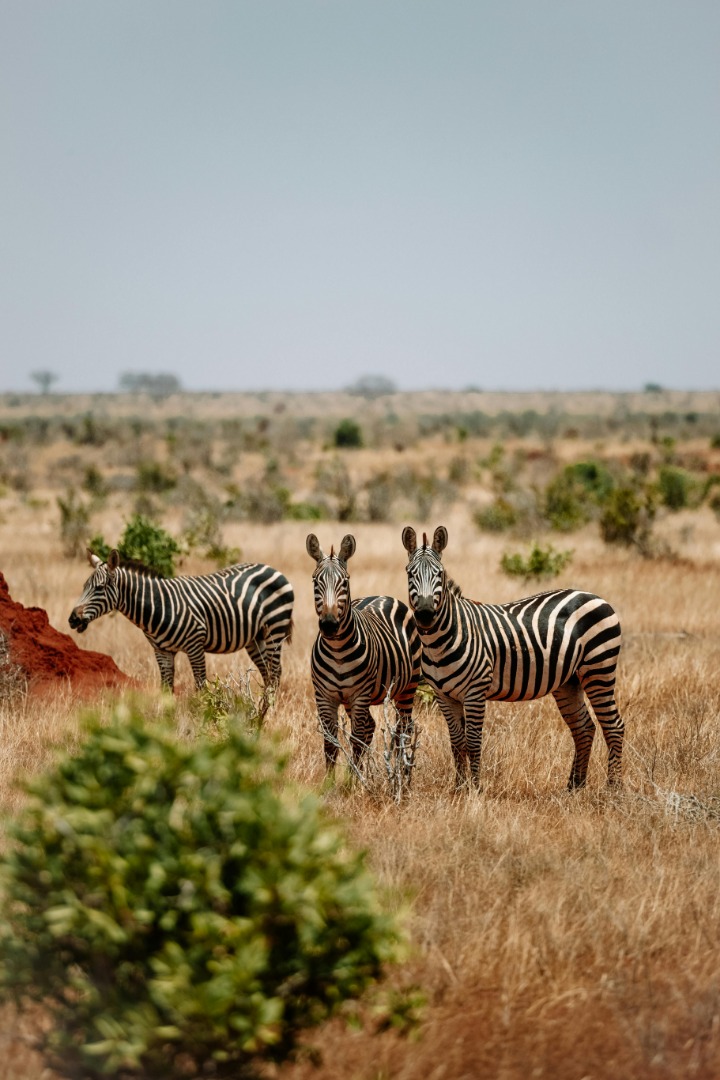
Overview of Tanzania Safari Costs
Embarking on a safari in Tanzania offers an incredible adventure into some of Africa’s most renowned wildlife parks. Understanding the costs associated with a Tanzania safari is essential for planning a memorable experience within your budget. From luxury lodges to budget camping options, the expenses can vary widely depending on choices, season, and duration of the trip. This overview provides a helpful guide to understanding the key factors that influence Tanzania safari costs.
Factors Influencing Safari Prices
Understanding the costs of a Tanzania safari is essential for planning an unforgettable adventure while staying within your budget. Safari prices can vary widely depending on several key factors, influencing the overall experience and expenses involved.
The type of safari chosen greatly impacts the cost, with luxury and private safaris generally being more expensive than group or budget options. Accommodation style also plays a significant role, ranging from basic tented camps to luxurious lodges, each offering different price points.
Seasonality is another important factor, as peak seasons like the dry months of June to October typically see higher prices due to increased demand, while off-peak periods may offer more affordable rates.
The duration of the safari and the number of national parks or reserves included also affect the total cost. Longer safaris with extensive park visits tend to be more expensive, especially if they include Kilimanjaro climbs or specific high-cost activities.
Additional costs such as park entrance fees, transportation, guided tours, and optional activities should be considered when budgeting for a trip. Ultimately, customizing your safari based on preferences and budget allows for a fulfilling experience without overspending.
Average Cost Range for Safari Packages
The cost of a safari in Tanzania can vary widely depending on the type of experience, season, and level of luxury. On average, travelers can expect to spend a range of prices based on their preferences and budget. Budget safaris typically start around $150 to $300 per person per day, offering basic accommodations and essential safari experiences. Mid-range packages usually range from $400 to $800 per person per day, providing more comfortable lodges and additional excursions. Luxury safari experiences can cost upwards of $1,000 to $3,000 or more per person per day, featuring high-end accommodations, private guides, and exclusive tours. Overall, it is important to plan according to your preferred comfort level and the specific safari experience you desire to ensure a memorable trip within your budget.
Types of Safari Experiences and Their Costs
Embarking on a safari in Tanzania offers a diverse range of experiences, each catering to different preferences and budgets. From luxurious lodges to budget camping adventures, the types of safari experiences vary widely in terms of comfort, activities, and overall expense. Understanding the various options can help travelers plan their dream Tanzanian safari while managing costs effectively.
Luxury Safari Tours
Luxury safari tours in Tanzania offer an unparalleled experience for travelers seeking comfort, exclusivity, and close encounters with wildlife. These high-end safaris typically include private guides, gourmet dining, and luxury accommodations such as tented camps or lodges with top-tier amenities. The cost of such experiences varies depending on the level of luxury, the length of the trip, and the destinations included, but they generally start from several thousand dollars per person for a week-long safari.
Standard safari experiences provide a more affordable way to explore Tanzania’s incredible landscapes and wildlife. These tours often involve group excursions with shared accommodations, which significantly lowers the price. Costs for these safaris can range from a few hundred to a couple of thousand dollars per day, depending on the season and services included.
Specialized safari types, such as walking safaris, boat safaris, or photographic safaris, tend to have additional costs due to the specialized equipment and expertise required. Furthermore, luxury options tend to include exclusive behaviors like private game drives or tailored itineraries, which contribute to their higher prices, making them ideal for travelers seeking a personalized and opulent adventure.
Mid-Range Safari Options
When considering Tanzania safari cost, mid-range safari options provide a comfortable and memorable experience without the high price of luxury adventures. These safaris typically include well-appointed lodges or tented camps that offer a good balance of comfort and authenticity. Visitors can enjoy game drives, guided walks, and cultural visits, often included in the package, and are ideal for travelers seeking a step above budget options.
Mid-range safaris generally cost between $200 to $500 per person per night, covering accommodation, some meals, and park fees. This range allows travelers to explore top wildlife destinations like the Serengeti or Ngorongoro Crater while enjoying amenities such as private bathrooms, hydrotherapy showers, and even small pools in some camps. These experiences are perfect for those wanting a quality safari experience without overspending.
Additionally, mid-range options often incorporate small group tours, experienced guides, and flexible itineraries, providing personalized attention and insights into Tanzania’s rich ecosystems and cultures. Overall, these safaris represent a great value for travelers aiming to immerse themselves in the African wilderness comfortably and affordably.
Budget Safari Experiences
When planning a Tanzania safari, understanding the different types of safari experiences and their associated costs is essential. Budget safari experiences are a popular choice for travelers seeking adventure without overspending, offering a taste of Tanzania’s incredible wildlife and landscapes at an affordable rate.
- Basic Camping Safaris: These safaris typically involve staying in tented camps or designated wilderness campsites. They are the most economical option, with costs ranging from $150 to $300 per day per person, depending on the location and duration.
- Budget Lodge Safaris: Staying in simple lodges or guesthouses outside national parks can cost between $200 and $400 per day. These options offer more comfort than camping but remain affordable for budget travelers.
- Shared Camping Tours: Participating in group safaris with shared accommodation helps reduce costs, often falling within $100 to $250 per day per person. This option is suitable for solo travelers and those looking to meet others.
- Self-Drive Safaris: Renting a 4×4 vehicle and exploring independently can be cost-effective, with daily expenses starting around $100 for vehicle rental plus park fees and fuel, making this a flexible budget option for adventurous travelers.
Ultimately, budget safaris in Tanzania provide an incredible safari experience at a fraction of the cost of luxury tours, allowing travelers to immerse themselves in the wilderness and witness iconic wildlife without breaking the bank.
Major Cost Components
Understanding the major cost components of a Tanzania safari is essential for planning an unforgettable adventure within your budget. These primary expenses typically include transportation, accommodation, park fees, guided tours, and meals. By breaking down these elements, travelers can better estimate their overall expenses and make informed decisions to maximize their experience while managing costs effectively.
Park Entrance Fees
Park entrance fees are a significant component of the overall Tanzania safari cost. These fees are typically charged per person and vary depending on the park or reserve visited, as well as the nationality of the traveler. Understanding the structure of these costs is essential for budgeting a safari trip efficiently.
- Local Visitor Fees: Usually lower for Tanzanian citizens and residents, encouraging local tourism.
- Foreign Non-Resident Fees: Higher rates apply to international tourists from outside East Africa.
- Individual Park Fees: Each national park or reserve has its own entrance fee, reflecting the park’s conservation value and infrastructure.
- Special Activity Fees: Additional charges may be levied for activities such as guided tours, night safaris, or birdwatching.
- Tax and Conservation Fees: These are often included in the entrance fee or added as extra charges to support park maintenance and wildlife conservation efforts.
Overall, park entrance fees can range from $60 to $100 or more per day for foreign visitors, making them a crucial factor in planning the total cost of a Tanzania safari experience.
Accommodation Costs
Accommodation costs are a significant portion of the overall expenses when planning a safari in Tanzania. These costs vary depending on the type of lodging chosen, ranging from budget campsites to luxury lodges and tented camps. Budget travelers can find affordable hostels or basic tented accommodations, while those seeking a premium experience may opt for high-end lodges with all-inclusive amenities. The location of the accommodation also influences the price, with properties inside or near major national parks generally costing more. To optimize expenses, travelers should consider the level of comfort desired and the proximity to key wildlife viewing areas. Overall, accommodation costs play a crucial role in shaping the total Tanzania safari budget, requiring careful planning and early booking to secure the best deals.
Transportation and Transfers
When planning a Tanzania safari, understanding the major cost components, including transportation and transfers, is essential to budgeting effectively. These expenses significantly influence the overall cost and can vary based on the type of safari and level of comfort desired.
- Transportation Costs: This includes flights to and within Tanzania, park transfers, and vehicle rentals. International flights can be a major expense, especially if traveling from distant locations. Once in Tanzania, safari vehicles are used for game drives, with costs depending on the vehicle type and duration of use.
- Transfers: Transfers refer to the movement between airports, lodges, and national parks. These can be arranged via private transfers or shared shuttles. Private transfers offer convenience but are more expensive, while shared options are cost-effective. Transfer costs vary based on the distance and the mode of transportation used.
Including these components in your budget helps ensure a smooth and enjoyable safari experience in Tanzania while managing expenses effectively.
Guides and Safari Vehicles
When planning a Tanzania safari, understanding the major cost components is essential for budgeting effectively. These include park entrance fees, accommodation expenses, guided tour costs, and transportation, particularly safari vehicle rentals. Guides are crucial for a successful safari experience, and their fees vary depending on their expertise and the length of the tour. Safari vehicles are specially designed for wildlife viewing, offering a comfortable and unobstructed perspective; rental rates depend on the vehicle type, rental duration, and included amenities. Proper planning of these components ensures a memorable and affordable safari adventure in Tanzania.
Additional Activities and Excursions
When considering the cost of a Tanzania safari, it is essential to understand the major cost components, additional activities, and excursions that can influence the overall budget. The primary expenses typically include park entrance fees, guided safari tours, accommodation, transportation, and meals. These costs vary depending on the level of luxury and the specific safari package chosen.
Beyond the basic package, travelers often opt for additional activities such as hot air balloon safaris, cultural visits to local villages, walking safaris, or night game drives. These excursions offer unique experiences but can add significantly to the total cost. Planning ahead and selecting activities that align with personal interests and budgets can help optimize the safari experience without unexpected expenses.
Best Time to Visit and Cost Implications
Understanding the best time to visit Tanzania for a safari is crucial for a memorable experience, as it influences wildlife sightings and weather conditions. Additionally, considering the cost implications during different seasons helps travelers plan their trip within their budget. From peak seasons to off-peak periods, the timing can significantly affect overall expenses and availability of accommodations and tours.
High Season (Dry Season)
The best time to visit Tanzania for a safari generally falls during the high season, which coincides with the dry season from July to October. During this period, wildlife is more easily spotted as animals congregate around water sources and vegetation is less dense, providing clearer viewing opportunities. The dry season also offers favorable weather conditions, with less rain and more predictable climate, making travel more comfortable and reliable.
However, visiting during the high season often comes with increased costs. Safari prices tend to be higher due to increased demand, especially for popular parks like Serengeti and Ngorongoro Crater. Accommodation rates and guided tours may also see a significant rise, as lodges and tour operators capitalize on peak visitor numbers. Planning your trip during this period can still be worthwhile if you prioritize optimal wildlife viewing, but it is advisable to budget accordingly to accommodate higher costs. Booking well in advance can also help secure better rates and availability during this busy season.
Low Season (Wet Season)
The best time to visit Tanzania for a safari largely depends on your preferences for weather, wildlife viewing, and budget considerations. Visiting during the low season, which coincides with the wet season, can offer significant cost benefits while providing a different experience of the spectacular landscapes and wildlife. Understanding the implications of traveling during this period can help you plan a more affordable and enjoyable safari adventure.
- Lower Costs: Accommodation, park fees, and tour prices are generally reduced during the low season, making it more budget-friendly for travelers.
- Fewer Crowds: Less tourist traffic results in a more exclusive experience and easier access to popular sites and lodges.
- Wildlife Viewing: Although some animals may be harder to spot due to lush vegetation and ongoing rains, migratory animals like elephants and predators are still active.
- Weather Considerations: Expect frequent rain showers, which can disrupt travel plans and safari game drives, though it also means greener landscapes and fewer dust issues.
- Potential Access Limitations: Some remote areas or roads may be impassable during heavy rains, so check current conditions when planning your trip.
Cost-Saving Tips for Safari Travelers
Embarking on a safari in Tanzania can be a life-changing experience, but managing costs is essential to make the adventure affordable. With some smart planning and strategic choices, travelers can enjoy the breathtaking landscapes and abundant wildlife without overspending. This article offers practical cost-saving tips to help you make the most of your Tanzanian safari experience while staying within your budget.
Booking in Advance
Booking your Tanzania safari in advance can significantly reduce overall costs by securing better deals on transportation, lodges, and permits. Planning ahead allows travelers to compare various providers and choose the most affordable options tailored to their budget. Early reservations often come with discounts and special offers that are not available closer to the travel date. Additionally, pre-booking ensures availability during peak seasons, avoiding premium prices and last-minute price hikes. By investing time in planning early, safari travelers can enjoy a memorable experience without overspending.
Choosing Less Popular Parks
Opting for less popular parks in Tanzania can significantly reduce your safari costs while offering a more authentic and private experience. These parks often have lower entrance fees and accommodation costs compared to famous ones like Serengeti or Ngorongoro. Visiting sites such as Mikumi, Ruaha, or Katavi allows travelers to enjoy stunning wildlife sightings without the crowds, often at a fraction of the price. Additionally, traveling during the shoulder seasons or off-peak times can help secure better deals on lodges and tour packages. Planning a safari visit to lesser-known parks can be a smart strategy to save money and enjoy a unique adventure in Tanzania.
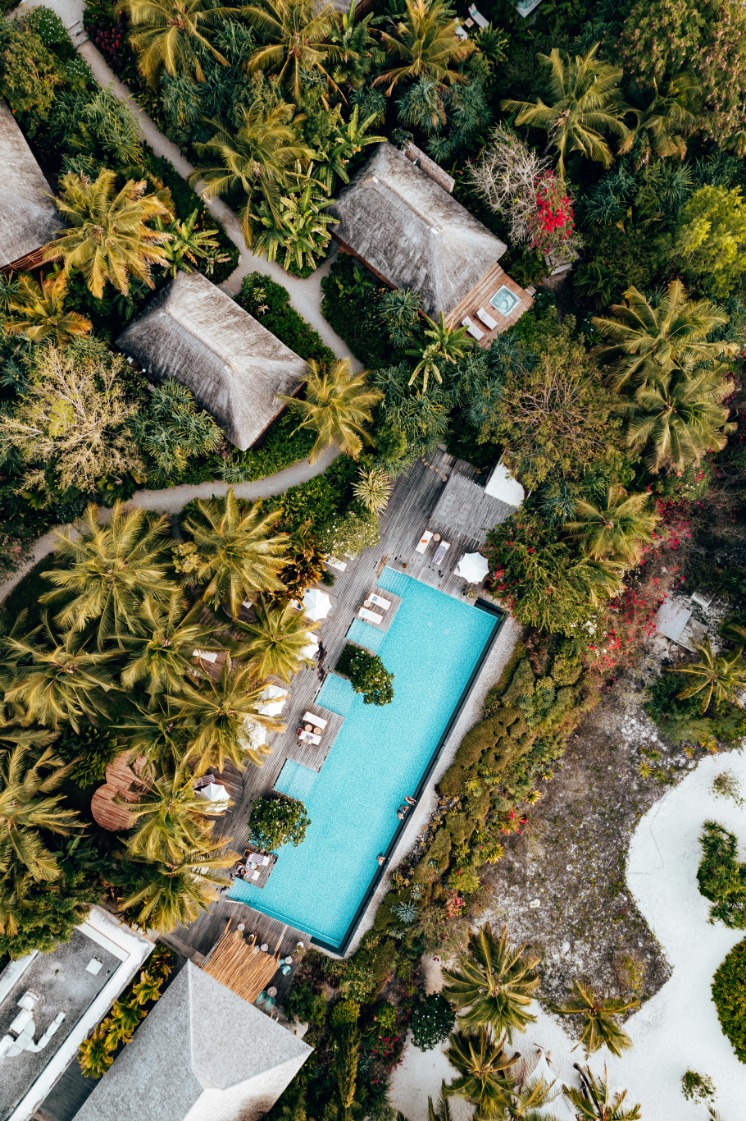
Group Tours and Shared Safaris
Traveling to Tanzania for a safari can be an unforgettable experience, but managing costs is essential to make the trip affordable. For safari travelers, group tours and shared safaris are among the most cost-effective options, allowing you to split expenses such as transportation, park fees, and guiding services.
Opting for group tours rather than private safaris significantly reduces your overall expenditure. Shared safaris also often include meals and accommodation, further lowering costs. Booking these tours well in advance can secure better rates and availability, especially during peak seasons.
Consider choosing budget-friendly lodges or camping options instead of luxury accommodations, which can save a substantial amount. Additionally, traveling during the shoulder seasons—just before or after peak tourist times—can offer lower prices and less crowded parks.
Research and compare different tour operators to find those offering competitive prices without compromising safety and experience. Some providers also offer discounts for group bookings or extended itineraries, adding to cost savings.
Finally, planning your own itinerary by arranging transport, park fees, and accommodation separately may sometimes be cheaper, but ensure it’s done with proper guidance to avoid unexpected expenses. Overall, smart planning, group travel, and choosing shared safaris are key strategies to experience Tanzania’s breathtaking wildlife without overspending.
Average Daily Expenses Breakdown
Understanding the average daily expenses breakdown is essential for planning an affordable and enjoyable Tanzania safari. By examining the various costs involved, travelers can better manage their budget and select options that suit their preferences. This overview provides insight into the typical expenses you might encounter during your adventurous journey through Tanzania’s stunning landscapes and wildlife reserves.
Accommodation
The average daily expenses for accommodation during a Tanzania safari can vary widely depending on the type of lodging chosen. Budget travelers can expect to pay around $50 to $150 per night for basic tents or guesthouses, while mid-range options such as lodges and boutique hotels typically range from $150 to $300 per night. For those seeking luxury experiences, high-end lodges and tented camps can cost $400 or more per night, offering premium amenities and exclusive locations. It is important to consider that accommodation costs form a significant part of the overall safari budget, and booking in advance can often secure better rates. Additionally, some lodges may include meals and park fees, which can influence the total daily expenses. Ultimately, the choice of accommodation influences the overall experience and budget, making it a critical factor in planning a Tanzania safari trip.
Meals and Dining
When considering Tanzania safari costs, it is important to understand the average daily expenses for meals and dining. Typically, travelers can expect to spend around $10 to $25 per day on meals, depending on their choice of dining options. Budget travelers often opt for local eateries or street food, which provides authentic cuisine at lower prices. Mid-range travelers may dine at lodge restaurants or cafes, where costs are slightly higher but meals are of better quality. For those seeking a more luxurious experience, high-end restaurants and safari lodges may charge $30 or more per day for gourmet meals and fine dining. Overall, planning for these expenses helps ensure a comfortable and enjoyable safari experience in Tanzania.
Guided Tours and Activities
When considering the cost of a Tanzania safari, it’s important to understand the average daily expenses, available guided tours, and activities to plan your budget effectively. These components can vary based on the level of comfort, the type of safari, and the activities you wish to experience.
Average Daily Expenses Breakdown
The daily expenses for a Tanzania safari generally include accommodation, meals, park entrance fees, and guide services. Budget safaris might cost around $150 to $250 per day, mid-range options typically range from $250 to $500, and luxury safaris can exceed $1000 per day.
Guided Tours and Activities
- Game Drives: The primary activity, offering opportunities to view wildlife such as lions, elephants, and giraffes in their natural habitat.
- Walking Safaris: Guided walking tours provide a closer encounter with nature and smaller wildlife, often offered in specific parks.
- Hot Air Balloon Safaris: An optional aerial view of the Serengeti or Ngorongoro Crater for a breathtaking perspective.
- Cultural Tours: Visiting local Maasai villages or interacting with indigenous communities to learn about their traditions and lifestyle.
- Private Guided Tours: Personalized safaris with dedicated guides, often at a premium cost, offering tailored experiences.
Tips and Additional Costs
When planning a Tanzania safari, understanding the average daily expenses breakdown can help you budget effectively. Typically, costs include accommodation, park fees, guiding services, meals, and transportation. Accommodation ranges from luxury lodges to budget camping sites, influencing overall expenses. Park entry fees and guided tours are significant parts of the budget and vary depending on the parks visited. Meals can be affordable at local eateries or more expensive at high-end lodges. Transportation costs, including transfers and game drives, should also be factored into daily expenses.
To save money, travelers can opt for budget accommodations, join group safaris, and plan visits during the shoulder seasons when prices tend to be lower. Tipping is customary for guides, drivers, and staff; generally, $10-20 per day per person is appreciated. Additional costs might include travel insurance, vaccinations, tips, souvenirs, and optional activities such as hot air balloon safaris. Planning ahead and understanding these potential expenses will help ensure a memorable and financially manageable Tanzanian safari experience.
Conclusion
In conclusion, understanding the costs associated with a Tanzania safari is essential for planning a memorable and enjoyable experience. While the expenses can vary depending on the type of safari, accommodation choices, and duration, travelers can find options that suit most budgets by researching thoroughly and making informed decisions. Ultimately, investing in a Tanzania safari offers a unique opportunity to witness breathtaking wildlife and landscapes, making it a worthwhile adventure worth considering regardless of the costs involved.

0 Comments