
Geography of Tanzania
Tanzania, pronounced as “TAN-uh-zee-uh,” is a country located in East Africa known for its diverse geography. It features vast plains, mountain ranges, lakes, and coastal areas that create a rich and varied landscape. From the iconic Mount Kilimanjaro to the expansive Serengeti plains and extensive Indian Ocean coastline, Tanzania’s geography plays a crucial role in its culture, wildlife, and climate.
Location and Borders
Tanzania, pronounced as “TAN-zuh-nee-uh,” is a country located in East Africa. It is known for its diverse geography, which includes savannas, mountains, lakes, and coastal regions. Tanzania shares borders with several countries: Kenya and Uganda to the north, Rwanda, Burundi, and the Democratic Republic of the Congo to the west, and Zambia, Malawi, and Mozambique to the south. To the east, it has a coastline along the Indian Ocean. The country’s strategic location makes it a key part of the East African community and a hub for wildlife and tourism.
Major Landforms and Terrain
Tanzania, pronounced as “tan-zuh-nee-uh,” is a country in East Africa known for its diverse and scenic geography. It features a variety of major landforms and terrains that contribute to its rich natural landscape. The country is characterized by vast savannahs, expansive plains, and lush forests that support abundant wildlife. The Great Rift Valley runs through Tanzania, creating a series of dramatic escarpments, lakes, and volcanic mountains. Notable among these is Mount Kilimanjaro, Africa’s highest peak, which stands as a prominent volcanic massif. Tanzania also contains several large lakes, including Lake Victoria, Lake Tanganyika, and Lake Nyasa, which are some of the largest freshwater lakes in the world. The coastal areas along the Indian Ocean are characterized by low-lying plains and sandy beaches. Overall, Tanzania’s terrain is a mix of mountainous regions, deep valleys, and expansive flatlands that together form a diverse and unique geographical landscape.
Climate and Weather Patterns
Tanzania is a country located in East Africa, known for its diverse landscapes which include savannahs, mountains, and coastal regions. The geography features the iconic Mount Kilimanjaro, the continent’s highest peak, as well as extensive plains and numerous lakes such as Lake Victoria and Lake Tanganyika. These varied terrains contribute to the country’s rich biodiversity and scenic beauty.
The climate of Tanzania varies significantly depending on the region and altitude. In the coastal areas and the islands, the climate tends to be hot and humid with high temperatures and seasonal rains. The inland savannah regions experience a tropical climate with distinct wet and dry seasons, while the highland areas, including Kilimanjaro and the areas around Arusha, enjoy cooler temperatures due to higher elevations. Generally, the country experiences warm weather year-round, with variations influenced by altitude and proximity to the ocean.

Weather patterns in Tanzania are influenced by the Intertropical Convergence Zone, monsoon winds, and regional temperature fluctuations. The long rainy season occurs from March to May, bringing heavy rains that sustain agricultural activities. The short rainy season happens from November to December. The dry season, which is the best time for wildlife safaris and tours, spans from June to October. These weather patterns play a vital role in shaping the agricultural cycle and tourism industry in Tanzania.
History of Tanzania
Tanzania, located in East Africa, has a rich history shaped by ancient civilizations, colonial influence, and the struggle for independence. The region was once home to the influential Swahili city-states and later became a Portuguese, German, and British colony. It gained independence in 1961, leading to the formation of a united republic in 1964. Today, Tanzania’s history reflects a blend of diverse cultures, revolution, and resilience that continue to influence its identity and growth.
Pre-Colonial Era
The history of Tanzania during the pre-colonial era is rich and diverse, reflecting a long period of cultural development and societal organization before European powers arrived on the continent. This era laid the foundation for the country’s later history and identity.
- The region now known as Tanzania was inhabited by various indigenous groups, including the Bantu-speaking communities, who migrated into the area around 1000 AD and established agriculture, settlements, and trade networks.
- Throughout the centuries, the coastal regions were influential hubs of trade, connecting Africa with the Middle East, Asia, and Europe. The development of city-states such as Kilwa, Mombasa, and Zanzibar facilitated commerce in gold, ivory, and slaves.
- Islam was introduced through trade, leading to the establishment of Islamic culture and influence along the coast, which remains significant in the region’s cultural identity today.
- Inside the mainland, powerful kingdoms like the Great Zimbabwe and the inland kingdoms of the Nyamwezi, Sukuma, and Hehe emerged, each with their unique social structures and economies.
- There was also notable interaction and sometimes conflict among different groups, which shaped the political landscape and contributed to the complex cultural mosaic of Tanzania.
Colonial Period and Independence
The history of Tanzania is a rich tapestry shaped by ancient civilizations, colonial influences, and its journey to independence. The region was originally inhabited by various indigenous groups with distinct cultures and traditions. Over centuries, it became a crossroads for trade and migration, particularly along the East African coast.
During the colonial period, present-day Tanzania was divided between German East Africa and British control. The Germans established a colonial regime in the late 19th century, focusing on agriculture and resource extraction. After World War I, the territory was mandated to Britain and became known as Tanganyika. Colonial rule introduced new infrastructure, colonial borders, and administration, but also led to economic disparities and social upheaval among local populations.
Independence movements gained momentum in the mid-20th century, driven by nationalists seeking self-rule. Tanganyika gained independence from Britain on December 9, 1961, with Julius Nyerere emerging as a prominent leader. In 1964, Tanganyika united with the Zanzibar islands, which had their own complex history of Arab and European influence, to form the United Republic of Tanzania. This union marked a new chapter emphasizing unity, socialism, and development.
- Ancient civilizations and trade routes influenced early Tanzanian history.
- German colonization began in the late 19th century, followed by British control after World War I.
- Why the colonial period was marked by infrastructure development but also social challenges.
- Independence was achieved in 1961, leading to the formation of the modern Tanzanian nation.
- The union with Zanzibar in 1964 established Tanzania as a unified country with diverse cultural roots.
Post-Independence Developments
Tanzania, pronounced as “tan-ZAHN-ee-uh,” has a rich history marked by its struggle for independence and subsequent development. After centuries of Arab, Portuguese, and German influence, the region gained independence from British rule in 1961, initially as Tanganyika. In 1964, Tanganyika united with the islands of Zanzibar to form the United Republic of Tanzania, symbolizing unity and sovereignty. Post-independence, Tanzania embarked on a path of socialist policies under its first president, Julius Nyerere, focusing on rural development, education, and self-reliance. These efforts helped lay the groundwork for economic and social progress. Over the years, Tanzania has experienced political stability, economic growth, and efforts to diversify its economy, particularly in agriculture, tourism, and natural resources. The nation’s post-independence period has been characterized by a focus on unity, modernization, and overcoming challenges to improve living standards for its citizens.
Culture and Traditions
Tanzania is a country rich in culture and traditions that reflect its diverse history and vibrant communities. From colorful festivals to unique customs, the cultural heritage of Tanzania plays a vital role in shaping the identity of its people. Exploring these traditions offers a glimpse into the nation’s soul and highlights the importance of preserving its cultural legacy for future generations.
Languages Spoken
Tanzania is a country rich in culture and traditions that reflect its diverse history and ethnic groups. Each community has unique customs, festivals, music, and dance styles that contribute to the vibrant cultural landscape of the nation. Traditional attire and ceremonies play a significant role in preserving the heritage of various tribes such as the Chaga, Maasai, and Sukuma.
The official languages spoken in Tanzania are Swahili and English. Swahili, also known as Kiswahili, serves as the national lingua franca and is widely used in daily communication, media, and education. English is primarily used in government, higher education, and formal settings. Besides these official languages, there are numerous indigenous languages spoken across different regions, reflecting the country’s linguistic diversity.
Traditional Music and Dance
Tanzania, a land rich in cultural heritage, boasts vibrant traditions that are deeply embedded in everyday life. Its diverse communities celebrate their unique customs through colorful festivals, traditional attire, and communal gatherings that preserve their history and identity.
Traditional music and dance play a vital role in Tanzanian culture, serving as expressions of joy, spirituality, and social cohesion. Each ethnic group has its own distinct styles, instruments, and rhythms, which are often performed during ceremonies, rites of passage, and celebrations.
In Tanzanian music, drums, thumb pianos, and string instruments are commonly used, creating lively melodies that encourage lively dance movements. Dances such as the Maasai adumu (jumping dance) and the Chagga warriors’ ceremonial dances exemplify the dynamic and storytelling aspects of Tanzanian performing arts.
Festivals and Celebrations
Tanzania is a country rich in culture and traditions, reflecting the diverse ethnic groups that inhabit it. The traditions are deeply rooted in community values, respect for elders, and spiritual beliefs. Music, dance, and art play a vital role in the daily lives of Tanzanians, showcasing their vibrant cultural identity. Festivals and celebrations are an essential part of Tanzanian society, often marking significant events, seasonal changes, or religious observances.
One of the most prominent festivals in Tanzania is the Serengeti Cultural Festival, where different ethnic groups showcase their traditional dance, music, and crafts. The Maulidi Festival, celebrating the birth of Prophet Muhammad, is widely observed, especially among Muslim communities. Another significant celebration is the Independence Day on December 9th, which features parades, performances, and cultural displays across the country.
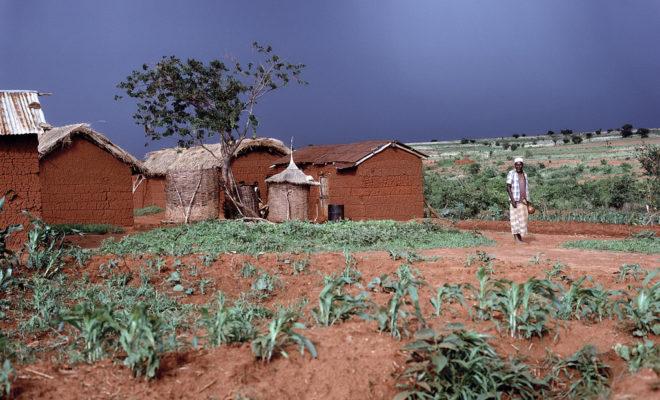
Tanzanian culture also emphasizes traditional clothing like the kitenge and kangas, which are colorful fabrics worn during festivities. Food plays an important role during celebrations, with dishes such as ugali, nyama choma, and fresh seafood enjoyed by communities. Overall, Tanzania’s culture and festivals foster unity and pride among its people, preserving their rich heritage for future generations.
Economy of Tanzania
The economy of Tanzania is a diverse and growing sector primarily driven by agriculture, mining, tourism, and manufacturing. As one of East Africa’s most prominent economies, Tanzania has experienced steady development over recent years, supported by its rich natural resources and strategic location. The country continues to focus on expanding its industrial base and attracting foreign investment to improve living standards and foster sustainable growth.
Major Industries
The economy of Tanzania is primarily based on agriculture, which employs a large portion of the population and contributes significantly to the country’s GDP. Major industries in Tanzania include agriculture, mining, tourism, and manufacturing. Agriculture involves the cultivation of coffee, tea, cotton, and maize. Mining is a vital sector, with gold, gemstones, and phosphates being the main resources extracted. Tourism is also a key industry, attracting visitors to national parks and natural attractions such as Mount Kilimanjaro and Serengeti National Park. Additionally, manufacturing industries focus on food processing, textiles, and building materials, supporting economic diversification and growth in Tanzania.
Agriculture and Livestock
Tanzania’s economy is primarily driven by agriculture, which remains the backbone of the country’s development. The sector employs the majority of the population and contributes significantly to the national GDP. Agriculture in Tanzania includes the cultivation of crops such as maize, rice, coffee, tea, and tobacco, along with livestock farming. Livestock production, including cattle, goats, sheep, and poultry, plays a vital role in enhancing food security and improving livelihoods for many Tanzanians. The government continues to invest in improving agricultural infrastructure, access to markets, and sustainable practices to boost productivity and ensure long-term economic growth.
Tourism Sector
Tanzania’s economy is primarily driven by agriculture, which employs a significant portion of the population, along with mining, manufacturing, and services. The country has experienced steady growth over the years, largely due to its rich natural resources and increasing investments in infrastructure. The tourism sector plays a vital role in Tanzania’s economy, contributing substantially to foreign exchange earnings and employment. Known for its stunning wildlife, national parks, and Mount Kilimanjaro, Tanzania attracts millions of tourists annually. The sector benefits from the country’s diverse ecosystems and cultural heritage, making it a top destination for safaris and eco-tourism. Continued development and conservation efforts are essential to sustain its tourism appeal and economic growth. Overall, Tanzania’s economy and tourism sector are closely linked, providing opportunities for development and global recognition.
Wildlife and Natural Resources
Wildlife and natural resources are vital elements of Tanzania’s rich environmental heritage. Known for its diverse ecosystems, the country is home to a wide variety of animals, plants, and natural landscapes that support both local communities and global biodiversity. Preserving these resources is essential for sustainable development, ecological balance, and the country’s tourism industry, which attracts visitors from around the world to experience its stunning wildlife and natural beauty.
National Parks and Conservation Areas
Tanzania is renowned for its rich wildlife and extensive natural resources, making it a prime destination for conservation and eco-tourism. The country boasts many national parks and conservation areas that play a vital role in protecting diverse ecosystems and endangered species. These protected regions, such as Serengeti National Park, Ngorongoro Conservation Area, and Tarangire National Park, are home to iconic animals like lions, elephants, giraffes, and cheetahs. Tanzania’s commitment to preserving its natural heritage ensures the sustainability of its wildlife populations and supports local communities through eco-friendly practices. Visitors to Tanzania can experience the beauty of untouched landscapes while contributing to conservation efforts that benefit both the environment and future generations. The country’s efforts in wildlife preservation and natural resource management highlight its importance as a global leader in conservation initiatives.
Endangered Species
Tanzania is renowned for its rich biodiversity and vast natural resources, making it a vital part of the African continent’s ecological heritage. The country boasts an array of wildlife, including elephants, lions, giraffes, and buffalo, many of which inhabit world-famous national parks like Serengeti and Ngorongoro Crater. These parks are crucial for conserving the diverse ecosystems and providing habitat for numerous species.
Endangered species in Tanzania face threats from poaching, habitat destruction, and illegal wildlife trade. Notably, the African elephant and rhinoceros are critically endangered due to the demand for ivory and horn. Efforts by the government, conservation organizations, and local communities aim to protect these species through anti-poaching measures, habitat preservation, and promoting eco-tourism.
Tanzania’s commitment to wildlife conservation is vital for maintaining ecological balance and supporting sustainable tourism. Protecting endangered species not only preserves the country’s natural beauty but also contributes to the global effort of biodiversity conservation. Continued vigilance and international cooperation are essential to ensure that Tanzania’s wildlife heritage remains intact for future generations.
Natural Resources and Mining
Tanzania is renowned for its rich wildlife and abundant natural resources, making it a prominent destination for nature enthusiasts and conservation efforts. The country boasts diverse ecosystems, including the Serengeti plains, Mount Kilimanjaro, and the Ngorongoro Crater, which are home to a wide variety of wildlife such as elephants, lions, giraffes, and rhinoceroses. These natural assets are vital for tourism and local ecosystems, emphasizing the importance of sustainable management and conservation strategies.
Natural resources in Tanzania extend beyond wildlife to include minerals, gemstones, and agricultural products. The nation is a significant producer of gold, diamonds, and tanzanite, a gemstone unique to Tanzania. Mining activities contribute substantially to the economy but also raise concerns about environmental sustainability and the impact on local communities. Responsible mining practices and regulation are crucial to ensuring that these resources benefit the country while preserving its natural environment.
Politics and Governance
Politics and governance are fundamental aspects that shape the development and stability of a country. In Tanzania, these realms play a crucial role in guiding the nation’s policies, leadership, and societal progress. Understanding the political landscape and governance structures offers valuable insights into how Tanzania navigates its path toward growth and development.
Government Structure
Tanzania’s political and governance structure is a unitary republic characterized by a democratic form of government. The country operates under a constitution that defines the separation of powers among the executive, legislative, and judicial branches, ensuring a system of checks and balances.
- The President of Tanzania is both the head of state and government, elected by popular vote for a five-year term and eligible for re-election.
- The Parliament of Tanzania is a unicameral body comprising elected Members of Parliament (MPs), appointed members, and representatives from special groups.
- The judiciary is independent, with the Supreme Court being the highest judicial authority, responsible for ensuring the rule of law.
- The local government system decentralizes authority to regional, district, and ward levels, promoting grassroots involvement in governance.
Political stability has been maintained through peaceful elections and a multi-party system, with the Chama Cha Mapinduzi (CCM) being the dominant political party for many years. The government emphasizes development, democratic governance, and the rule of law in its policy framework.
Political History and Current Leadership
Tanzania has a rich political history characterized by its transition from colonial rule to independence and subsequent development of its governance structures. It is known for its unique approach to leadership and its efforts to promote stability and unity across diverse ethnic groups.
- Political History: Tanzania gained independence from British colonial rule in 1961, initially as Tanganyika, and later unified with Zanzibar in 1964 to form the United Republic of Tanzania. The leadership of Julius Nyerere, the country’s first president, was influential in shaping its socialist policies and national identity.
- Current Leadership: The current president, including the most recent election results, plays a vital role in guiding the nation’s development agenda, emphasizing economic growth, social welfare, and regional integration. The political landscape is marked by a dominant ruling party, Chama Cha Mapinduzi (CCM), which has held power for decades.
- Political Governance: Tanzania operates a multiparty system, but the CCM remains the most influential party. The government structure includes executive, legislative, and judicial branches, with efforts ongoing to strengthen democratic institutions and promote transparency and accountability.
- Challenges and Prospects: Tanzania continues to face challenges such as political pluralism, economic diversification, and managing ethnic diversity. Leadership initiatives aim to foster national unity, improve governance, and ensure sustainable development for all citizens.
International Relations
Tanzania’s politics and governance are shaped by its unique historical background and commitment to stability and development. The country operates under a unitary presidential system, with the President serving as both head of state and government. The governance structure emphasizes democratic processes, although elections and political freedoms have faced challenges over recent years.
- The ruling party, Chama Cha Mapinduzi (CCM), has maintained a dominant position in Tanzanian politics since independence.
- The nation’s constitution provides a framework for political pluralism, though opposition parties often face restrictions.
- In recent years, Tanzania has engaged in active international relations to promote regional stability and economic growth.
- Key diplomatic priorities include strengthening trade ties within East Africa and participating in regional organizations such as the East African Community (EAC) and the African Union (AU).
International relations are a vital aspect of Tanzania’s national strategy, emphasizing diplomatic engagement, regional cooperation, and development aid. The country maintains a peaceful stance, fostering partnerships across Africa and beyond, aiming to enhance its position as a stable and influential nation on the continent.


0 Comments