
Geographical Overview of Pemba Island
Pemba Island, part of Tanzania’s Zanzibar Archipelago, is a stunning and culturally rich island situated in the Indian Ocean. Known for its lush landscapes, vibrant coral reefs, and historic towns, Pemba offers a unique blend of natural beauty and traditional Swahili culture. The island’s geographical features include rolling hills, dense forests, and pristine beaches, making it a notable destination for travelers and researchers interested in biodiversity and coastal ecosystems.
Location and Size
Pemba Island is a prominent island situated off the northeastern coast of Tanzania. Known for its lush landscapes and vibrant marine life, it forms part of the Zanzibar Archipelago. The island’s geographical location makes it a key destination for tourism and marine activities.
- Location: Pemba Island lies in the Indian Ocean, approximately 50 kilometers northeast of the main island of Zanzibar and about 100 kilometers east of the Tanzanian mainland.
- Size: The island covers an area of roughly 988 square kilometers, making it the second largest island in the Zanzibar Archipelago after Unguja.
Topography and Landscape
Pemba Island, part of Tanzania’s Zanzibar Archipelago, is renowned for its lush landscapes and diverse topography. Situated northeast of the mainland, it is characterized by a rugged terrain with numerous hills, valleys, and fertile plains. The island features a predominantly volcanic origin, which contributes to its dramatic landscape and rich, fertile soils that support vibrant agriculture. Its coastline is dotted with beautiful coral reefs, sandy beaches, and small coves, providing a picturesque setting that attracts visitors. Pemba’s interior is marked by dense tropical forests and plantations, making the island both scenic and ecologically significant.
Climate and Weather Patterns
Pemba Island, part of Tanzania’s Zanzibar Archipelago, is located in the Indian Ocean and is known for its lush landscapes and diverse geography. The island features fertile volcanic soil, dense forests, and pristine beaches, making it a unique geographical region within East Africa. It is characterized by rolling hills, coral reefs, and a rich variety of flora and fauna, contributing to its natural beauty and ecological significance.
The climate of Pemba Island is tropical, with warm temperatures prevailing throughout the year. The weather patterns are influenced by the Indian Ocean monsoon system, leading to distinct wet and dry seasons. The island experiences a long rainy season from March to May, and a shorter one in November. The dry season, from June to October, is marked by lower humidity and cooler breezes, offering ideal conditions for visitors. Overall, Pemba’s climate supports vibrant marine life and lush terrestrial ecosystems, making it an important area for agriculture, especially spice cultivation.
Historical Background
The historical background of Pemba Island, part of Tanzania, is rich and diverse, reflecting a complex tapestry of cultural influences and significant events. As a vital center for trade and exploration in the Indian Ocean, Pemba has historically been a crossroads for Arab, Persian, Portuguese, and Swahili civilizations. Its strategic location has contributed to its vibrant history, shaping the island’s identity and cultural heritage over centuries. Understanding this background provides valuable insight into the island’s present-day significance and cultural landscape.
Ancient Settlements and Archaeological findings
Pemba Island, part of the Zanzibar Archipelago in Tanzania, boasts a rich historical background that dates back centuries. It has been a key center for maritime trade, cultural exchange, and Islamic influence in East Africa. The island’s strategic location facilitated interactions with Arab traders, Portuguese explorers, and later European colonizers, shaping its diverse cultural heritage.
Ancient settlements on Pemba Island reveal an intricate history of human habitation. Archaeological evidence suggests the presence of early Swahili communities engaged in trading activities along the Indian Ocean coast. These settlements often featured coral rag constructions, mosques, and marketplaces that underscore the island’s role in regional trade networks. The local populations practiced agriculture, fishing, and trading, which contributed to the island’s prosperity over centuries.
Numerous archaeological findings on Pemba Island highlight its historical significance. These include relics of ancient port sites, pottery shards, and inscriptions that trace back to the medieval period. Notable discoveries include coral stone mosques and fortified settlements that point to advanced construction techniques and the influence of Islamic culture. Excavations continue to uncover artifacts that offer insights into Pemba’s past as a vital hub in the Indian Ocean trade route.
Colonial Era and Influences
The history of Pemba Island, part of Tanzania, is deeply rooted in its colonial past and cultural exchanges. Originally inhabited by the Shirazi, Omani, and Swahili traders, Pemba has long been a crossroads for maritime trade and cultural interactions along the East African coast. During the colonial era, the island was influenced by Arab, Portuguese, and later British powers, each leaving an indelible mark on its social, economic, and political landscape. These colonial influences introduced new administrative systems, architecture, and trade networks, shaping Pemba’s development. The island’s strategic location and rich resources prompted various colonial powers to establish control, which impacted local governance and societal structures. Today, Pemba’s vibrant culture and language are reflective of these diverse historical influences, blending indigenous traditions with the legacies of its colonial past.
Post-Independence Developments
The history of Pemba Island, part of Tanzania, is rooted in centuries of cultural exchange and trade, influenced by Arab, Portuguese, and indigenous Bantu civilizations. Historically, Pemba was a significant trading hub due to its strategic location in the Zanzibar Archipelago, which facilitated the exchange of spices, ivory, and other goods. During the colonial period, Pemba fell under German rule as part of German East Africa, and later came under British control after World War I. Post-independence, Tanzania was established in 1964, uniting Tanganyika and Zanzibar, including Pemba Island, into a single nation. Since independence, Pemba has experienced developments aimed at improving its infrastructure, agriculture, and tourism sectors, although it retains much of its traditional culture. Efforts to preserve its unique Swahili heritage and promote sustainable resources have been central to its post-independence development trajectory, contributing to Tanzania’s broader economic and social progress.
Cultural Heritage and Traditions
The cultural heritage and traditions of Pemba Island in Tanzania are rich and vibrant, reflecting centuries of history, diverse influences, and local customs. This unique island is renowned for its Swahili culture, intricate crafts, music, dance, and traditional practices that have been preserved and passed down through generations. Exploring Pemba’s cultural heritage offers a glimpse into the island’s identity, showcasing the enduring spirit of its people and their deep connection to their history and environment.
Local Languages and Dialects
Tanzania’s Pemba Island is a vibrant tapestry of cultural heritage and traditions that reflect its rich history and diverse influences. The local communities on Pemba maintain age-old customs, celebrating festivals, dance, and music that have been handed down through generations, preserving their unique identity amidst modern changes. The island also boasts a variety of local languages and dialects, primarily Kikuyu and other Swahili-based dialects, which play a crucial role in daily communication and cultural expression. These languages serve as a vital link to the island’s history, traditions, and social fabric, allowing residents to sustain their cultural legacy and foster community bonds.
Music, Dance, and Festivals
Pemba Island, part of Tanzania’s Zanzibar Archipelago, boasts a rich cultural heritage filled with unique traditions, music, dance, and festivals that reflect its diverse history and vibrant community. These cultural expressions serve as important links to the island’s heritage and are celebrated with enthusiasm by locals and visitors alike.
- Cultural Heritage and Traditions: Pemba Island is known for its ancestral customs, including traditional fishing methods, craft-making such as basket weaving and dhow building, and age-old rituals that are passed down through generations. The island’s Swahili heritage influences many local practices and social customs.
- Music and Dance: The music of Pemba features lively rhythms created with drums, ukuleles, and traditional instruments. Taarab music, a blend of Arab, African, and Indian influences, is popular, and local dance forms such as the Maulidi dance are performed during community events and celebrations.
- Festivals: Pemba hosts various festivals that showcase its cultural identity. Notable among these is the Maulidi Festival, which celebrates the birth of the Prophet Muhammad with prayers, traditional music, and dance. The island also celebrates the Pemba Cultural Festival, highlighting local arts, crafts, and performances that attract visitors from around the world.
Traditional Crafts and Art Forms
Pemba Island, part of Tanzania’s Zanzibar archipelago, boasts a rich cultural heritage rooted in centuries of history, tradition, and craftsmanship. The island’s customs and artistic expressions play a vital role in preserving its identity and attracting visitors interested in authentic cultural experiences.
- Traditional Crafts: Pemba artisans are renowned for their skilled craftsmanship in basket weaving, wood carving, and pottery. These crafts are often passed down through generations and hold cultural significance in local life.
- Art Forms: The island features vibrant dance and music traditions, such as Taarab music and lively dance performances that celebrate religious and social events. These art forms serve as a means of storytelling and cultural expression.
- Architectural Heritage: Pemba’s historic stone towns and Swahili-style houses reflect its diverse cultural influences, showcasing intricate carvings and traditional building techniques that are still practiced today.
- Festivals and Rituals: Festivals like the Mwaka Kogwa, a New Year celebration, highlight the island’s community spirit and preserve traditional rituals, including dances, storytelling, and symbolic ceremonies.
Economy and Industry
The economy and industry of Pemba Island, part of Tanzania, are shaped by its rich natural resources and historical trading importance. As an island with a diverse landscape, Pemba’s economy relies heavily on agriculture, fishing, and tourism. The development of these sectors is crucial for providing livelihoods to the local population and promoting sustainable growth on the island. Understanding how industry and economic activities evolve here offers insights into the region’s potential for future prosperity.
Agriculture and Fishing
Tanzania Pemba Island boasts a growing economy largely driven by its agriculture and fishing industries. The island’s fertile land supports the cultivation of spices, such as cloves, which are among its main exports. Agriculture also includes the farming of crops like maize, cassava, and bananas, providing livelihoods for many local residents. The fishing sector is vital to Pemba’s economy, with abundant marine resources supporting both small-scale subsistence and commercial fishing activities. These industries collectively contribute to the economic development of Pemba Island, highlighting its reliance on natural resources and traditional practices. Ongoing efforts aim to enhance sustainable practices and boost exports to promote economic stability and growth.
Tourism and Hospitality
Pemba Island, part of Tanzania’s Zanzibar Archipelago, boasts a growing economy driven by tourism, agriculture, and small-scale industries. The island’s lush landscapes and pristine beaches attract visitors from around the world, boosting the hospitality sector and creating numerous job opportunities. Tourism plays a vital role in Pemba’s economy, supported by its rich cultural heritage and natural beauty, including coral reefs and historical sites. Agriculture remains a key industry, with cloves, spices, and various fruits cultivated for local consumption and export. Additionally, efforts to develop local industries and infrastructure are fostering sustainable growth, enhancing Pemba’s economic resilience and attractiveness as a unique destination in East Africa.
Handicrafts and Local Markets
The economy and industry of Pemba Island in Tanzania are primarily driven by traditional activities such as agriculture, fishing, and handicrafts. These sectors form the backbone of the local economy, providing livelihoods to the island’s residents. In addition to natural resource-based industries, small-scale industries and local markets play a vital role in sustaining the community and promoting regional trade.
- Handicrafts are a significant part of Pemba’s local economy, with artisans creating intricate crafts from materials like wood, shell, and coral. These products often include jewelry, ornaments, and decorative items that reflect the island’s cultural heritage.
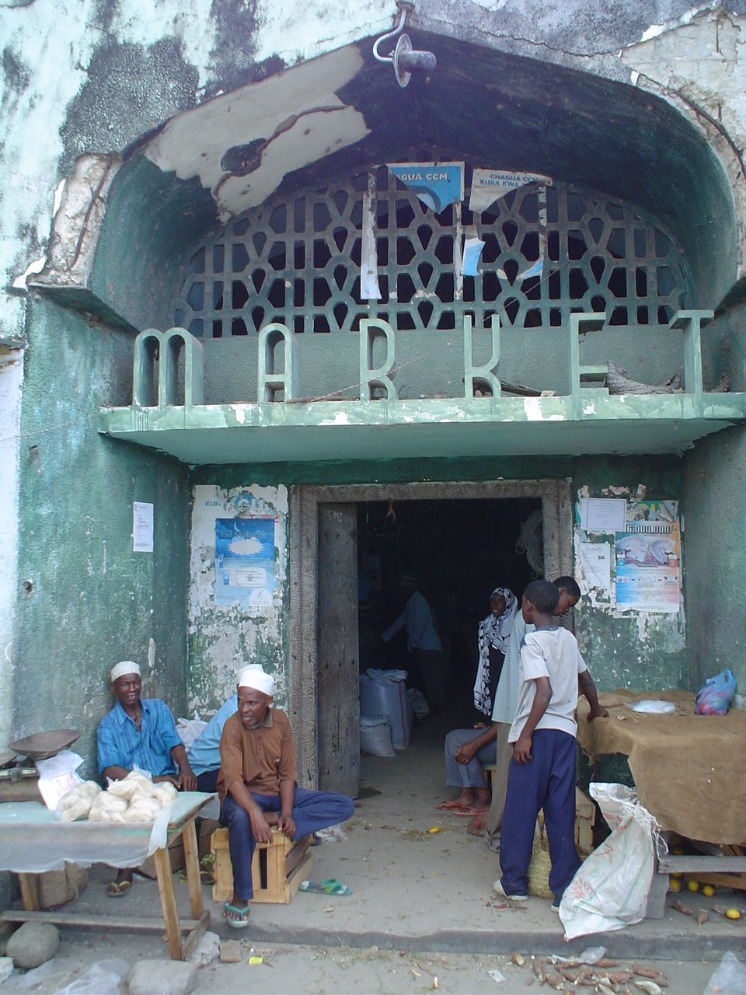
- The local markets in Pemba are vibrant hubs where farmers and fishermen sell their fresh produce, seafood, and handmade crafts. These markets not only support local commerce but also attract tourists seeking authentic local products.
- Agriculture on the island predominantly involves the cultivation of spices, particularly cloves, which are among the most important cash crops. Other crops include coconut, bananas, and cassava, which support both local consumption and export.
- Fishing remains a vital industry with Pemba’s rich waters providing abundant fish and seafood. The fishing industry supplies the island’s markets and also contributes to regional trade networks.
Natural Attractions and Biodiversity
Pemba Island, part of Tanzania’s Zanzibar archipelago, is renowned for its stunning natural attractions and rich biodiversity. Surrounded by turquoise waters and lush landscapes, the island offers a unique habitat that supports a wide variety of plant and animal species. Its pristine beaches, vibrant coral reefs, and diverse ecosystems make Pemba a perfect destination for nature lovers seeking to explore untouched natural beauty and experience the island’s thriving biodiversity.
Marine Life and Coral Reefs
Tanzania’s Pemba Island is renowned for its rich natural attractions and vibrant biodiversity, making it a paradise for nature lovers. The island boasts lush forests, pristine beaches, and an abundance of marine life, creating a stunning environment that supports diverse ecosystems.
- Biodiversity: Pemba Island hosts a wide variety of plant and animal species, including rare tropical trees, colorful birdlife, and unique terrestrial animals. The island’s protected areas serve as vital habitats for many endemic and migratory species.
- Marine Life: The surrounding waters of Pemba are teeming with marine biodiversity. Visitors can experience snorkeling and diving among vibrant coral reefs populated with schools of tropical fish, sea turtles, rays, and sharks.
- Coral Reefs: The coral reefs around Pemba are some of the most pristine in the Indian Ocean. These vibrant ecosystems provide shelter and breeding grounds for numerous marine species and play a crucial role in maintaining the health of the ocean environment.
Preserving these natural attractions and biodiversity is vital for maintaining the ecological balance and supporting sustainable tourism on Pemba Island, ensuring that future generations can continue to enjoy its breathtaking natural beauty.
Forest Reserves and Wildlife
Tanzania Pemba Island is renowned for its rich natural attractions and exceptional biodiversity. The island boasts lush forests, vibrant coral reefs, and pristine beaches that attract eco-tourists and nature lovers alike. Its diverse ecosystems are home to numerous species of plants and animals, many of which are endemic and found nowhere else in the world. The island plays a crucial role in conserving the region’s ecological balance and offers unique opportunities for wildlife viewing and ecological research.
Forest reserves on Pemba Island are vital for protecting its biodiversity and ensuring the sustainability of local ecosystems. These reserves harbor a variety of flora and fauna, including rare bird species, primates, and forest-dwelling reptiles. Conservation efforts are focused on safeguarding these habitats from illegal logging and habitat destruction, emphasizing the importance of sustainable practices.
Wildlife in Pemba Island includes marine species such as dugongs, sea turtles, and colorful reef fish, as well as terrestrial animals like monkeys and bushbabies. The island’s protected areas and marine parks serve as vital sanctuaries for these species, supporting both conservation initiatives and eco-tourism. Preserving Pemba’s natural attractions and biodiversity is essential for maintaining its ecological integrity and ensuring the well-being of local communities dependent on its natural resources.
Important Conservation Areas
Tanzania’s Pemba Island is renowned for its stunning natural attractions and rich biodiversity. The island boasts pristine beaches, vibrant coral reefs, and lush mangrove forests, making it a haven for eco-tourism and marine life enthusiasts. Its landscapes are characterized by tropical forests and extensive coastal areas that provide critical habitats for numerous species.
Important conservation areas on Pemba Island include the Pemba Island Marine Reserve, which protects diverse marine ecosystems, including corals, fish, and invertebrates. The Jozani Forest, although more famous in Zanzibar, also has conservation zones that support endemic and threatened species. These areas play a vital role in preserving Tanzania’s natural heritage and supporting biodiversity conservation efforts on the island.
Transportation and Infrastructure
Transportation and infrastructure play a vital role in the development and connectivity of Pemba Island, part of Tanzania. Efficient networks of roads, ports, and communication facilities are essential for supporting local communities, boosting tourism, and facilitating trade. As Pemba continues to grow, investing in modern infrastructure is key to unlocking its full potential and ensuring sustainable progress for residents and visitors alike.
Ports and Ferry Services
Transportation and infrastructure on Pemba Island play a vital role in connecting the island to the mainland and facilitating movement within the island itself. The primary mode of transportation includes ferry services that link Pemba to Zanzibar and Mainland Tanzania, ensuring smooth movement of both passengers and goods. Ports on Pemba are strategically located to support these ferry operations, with the main port being Mkoani Port, which serves as a hub for maritime activities. These ports are equipped to handle cargo, fishing vessels, and passenger ferries, promoting trade and tourism. In recent years, efforts have been made to upgrade the port facilities and expand ferry services to improve accessibility, safety, and efficiency. Additionally, the transportation infrastructure within Pemba Island includes roads that connect rural areas to the ports and main towns, facilitating economic activities and community connectivity. Overall, the development of ports and ferry services is essential for Pemba’s growth, enhancing its connectivity with the outside world and supporting its economic development.
Road Networks and Access Points
Transportation and infrastructure on Pemba Island play a vital role in connecting communities and supporting economic development. The island features a network of well-maintained roads that facilitate movement across urban and rural areas, enhancing accessibility for residents and visitors alike. Primary roads link major towns such as Wete and Mkoani, enabling efficient travel and transportation of goods. Access points are primarily through small ports and ferry terminals that connect Pemba with Zanzibar mainland and other neighboring islands, providing vital links for trade and tourism. Efforts to improve road quality and expand infrastructure are ongoing to accommodate increasing tourism and local needs, ensuring sustainable development for the island.
Communication and Utilities
Transport and infrastructure on Pemba Island, Tanzania, play a vital role in connecting the community and supporting economic activities. The island is accessible primarily via ferries from Dar es Salaam and Zanzibar, with limited air connectivity through small airports. Road networks on Pemba are mostly unpaved, which can hinder transportation during adverse weather conditions, but efforts are ongoing to improve these routes. Telecommunications have advanced in recent years, with mobile networks providing coverage across most parts of the island, facilitating communication and business operations. Utilities such as electricity are available in some towns and tourist areas, often generated through diesel power plants, with ongoing projects aiming to expand renewable energy sources. Overall, infrastructure development continues to enhance connectivity and improve the quality of life for residents and visitors on Pemba Island.
Tourist Attractions and Destinations
Discover the breathtaking beauty and unique wonders of Pemba Island, one of Tanzania’s hidden gems. Known for its pristine beaches, vibrant marine life, and lush landscapes, Pemba offers a perfect escape for adventure seekers and nature lovers alike. From colorful coral reefs to historic sites, this island destination promises an unforgettable experience for every traveler.
Misali Island and Marine Parks
Pemba Island, part of Tanzania’s Zanzibar archipelago, is a tropical paradise renowned for its stunning tourist attractions and vibrant marine life. Among the must-visit destinations is Misali Island, a protected marine area famous for its pristine beaches, clear turquoise waters, and abundant coral reefs. Visitors can enjoy snorkeling and diving to explore the colorful underwater world home to diverse marine species.
Additionally, Pemba Island boasts several marine parks that showcase its rich biodiversity and commitment to conservation. These marine parks offer opportunities for eco-tourism activities such as boat tours, fishing, and guided snorkeling trips. The lush landscapes, coral reefs, and vibrant marine ecosystems make Pemba Island a top destination for travelers seeking natural beauty and adventure in Tanzania.
Chake Chake Town and Markets

Chake Chake Town, the main city of Pemba Island in Tanzania, offers visitors a vibrant blend of culture, history, and scenic beauty. As the hub of the island, it features charming streets, colonial architecture, and welcoming local markets that showcase the rich heritage of Pemba.
Tourists can explore the bustling markets in Chake Chake, where they find a variety of fresh produce, spices, handcrafted goods, and local textiles. These markets provide an authentic experience of Pemba’s daily life and offer unique souvenirs for visitors.
Beyond the town, Pemba Island is renowned for its stunning beaches, lush green landscapes, and coral reefs perfect for snorkeling and diving. Notable attractions include Misali Island, known for its pristine beaches and diverse marine life, and the historical sites that reflect the island’s Swahili culture.
Overall, Chake Chake Town and its markets are key highlights for travelers seeking an immersive experience on Pemba Island, blending cultural exploration with natural beauty in Tanzania’s Indian Ocean paradise.
Historic and Cultural Sites
Tanzania’s Pemba Island is a captivating destination famous for its rich history and vibrant culture. Visitors can explore historic sites such as ancient Swahili towns and ruins that reveal the island’s past as a trading hub. Pemba’s lush landscapes, including spice plantations, offer a unique cultural experience, while beautiful beaches and coral reefs make it a perfect spot for snorkeling and diving. The island’s traditional villages provide insight into local customs and craftsmanship, making Pemba a must-visit for those interested in both history and culture.
Environmental Challenges and Sustainable Development
Environmental challenges pose significant threats to the sustainable development of Pemba Island, Tanzania. As the island faces issues such as deforestation, coastal erosion, and water scarcity, balancing economic growth with environmental preservation becomes crucial. Addressing these challenges is essential to ensure that Pemba Island can thrive while maintaining its natural beauty and resources for future generations.
Climate Change Impacts
Tanzania’s Pemba Island faces significant environmental challenges that threaten its natural beauty and local livelihoods. Climate change has increasingly impacted the region, leading to rising sea levels, coastal erosion, and unpredictable weather patterns. These changes affect marine ecosystems, which are vital to the island’s fishing industry, and threaten biodiversity, including vibrant coral reefs and diverse marine life. Sustainable development is crucial to balance economic growth with environmental conservation, ensuring that the island’s resources are preserved for future generations. Efforts to promote renewable energy, responsible tourism, and reef preservation are essential steps toward mitigating climate impacts and fostering resilience among local communities.
Marine Conservation Initiatives
Tanzania’s Pemba Island faces significant environmental challenges that impact its rich marine biodiversity and overall ecosystem health. Overfishing, coastal pollution, and illegal fishing practices threaten the delicate balance of marine life, putting coral reefs and marine habitats at risk. To address these issues, sustainable development efforts focus on protecting marine resources while fostering economic growth through eco-friendly tourism and responsible fishing practices. Marine conservation initiatives on Pemba Island include the establishment of marine protected areas, community-based management programs, and awareness campaigns to educate locals and visitors about sustainable practices. These efforts aim to preserve the island’s unique marine biodiversity for future generations while supporting the livelihoods of local communities.
Community-Based Conservation Programs
Pemba Island, part of Tanzania’s Zanzibar archipelago, faces several environmental challenges that threaten its rich biodiversity and sustainable development. Deforestation, illegal fishing, and overharvesting of natural resources have led to habitat loss and coral reef deterioration, impacting both wildlife and local communities. Addressing these issues requires innovative approaches that balance ecological conservation with socio-economic growth.
Community-Based Conservation Programs (CBCPs) have emerged as effective strategies in Pemba Island to promote sustainable use of natural resources. These initiatives involve local communities in protecting ecosystems, managing fisheries, and enforcing conservation laws, thereby empowering residents to become stewards of their environment. Through education, alternative livelihoods, and participatory decision-making, CBCPs foster a sense of ownership and responsibility among community members, leading to more resilient and sustainable development in the region.




0 Comments