
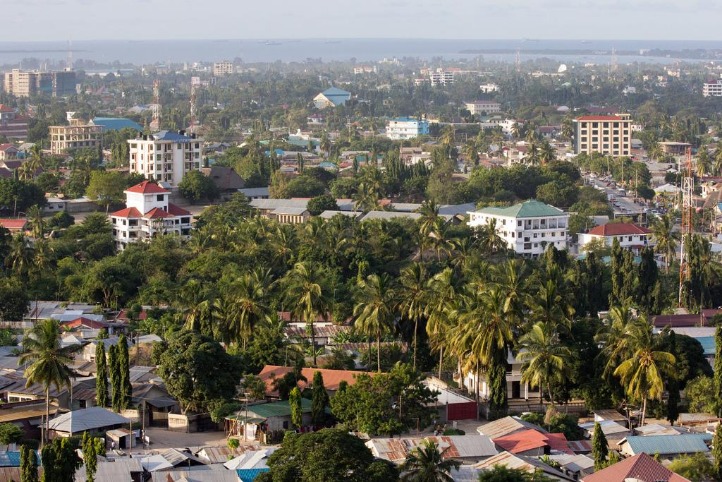
Serengeti National Park
Serengeti National Park, located in northern Tanzania, is renowned for its vast landscapes and incredible wildlife. It is one of the most famous safari destinations in Africa, offering a stunning array of animals including lions, elephants, cheetahs, and wildebeests. The park’s endless plains and dramatic scenery make it a must-see place for nature lovers and adventure seekers exploring Tanzania’s remarkable attractions.
Wildlife Safari Adventures
Serengeti National Park is one of Tanzania’s most iconic destinations, renowned for its breathtaking wildlife and stunning landscapes. This vast wilderness area is famous for the annual migration of over two million wildebeest, zebras, and other animals, offering spectacular wildlife viewing opportunities. Visitors can witness incredible predator-prey interactions, including lion prides, cheetahs, and crocodile-filled rivers. A wildlife safari adventure in the Serengeti promises unforgettable experiences, from hot air balloon rides over the plains to guided game drives that bring you close to Africa’s majestic wildlife. Exploring this UNESCO World Heritage Site provides a true immersion into the heart of Tanzania’s natural beauty and biodiversity. The park’s diverse ecosystems, ranging from grasslands to woodlands, make it an essential stop for those seeking an authentic African safari experience.
Great Migration Phenomenon
Serengeti National Park, located in Tanzania, is renowned for being one of the most spectacular wildlife destinations in Africa. It is famous for the Great Migration Phenomenon, where millions of wildebeest, zebras, and other herbivores travel across the plains in search of fresh grazing grounds. This incredible movement, which occurs annually, attracts nature enthusiasts and photographers from around the world, offering a breathtaking view of nature’s cycles. The park’s vast savannahs, diverse ecosystems, and abundant wildlife make it a must-visit place for those exploring Tanzania’s top destinations. Witnessing the migration is a once-in-a-lifetime experience and highlights the importance of conservation efforts in preserving this natural wonder.
Best Time to Visit
Serengeti National Park, located in Tanzania, is one of the most renowned wildlife destinations in the world, famous for its incredible annual migration of wildebeest and zebras. The best time to visit the Serengeti depends on what you want to experience, whether it’s witnessing the migration, game drives, or the lush landscapes.
- June to October: This period is ideal for witnessing the Great Migration as the animals move through the southern and central Serengeti. The weather is generally dry and animals congregate around water sources, making game viewing excellent.
- December to March: The southern Serengeti is lush and green, and calving season occurs, attracting predators and offering unique photo opportunities.
- April and May: These months are the wet season, with heavy rains making some areas difficult to access. However, it is less crowded and offers a chance to see the park in a different, lush landscape.
Choosing the best time to visit depends on your interests, but generally, the dry months of June to October are considered the optimal time for wildlife viewing and experiencing the iconic migration.
Ngorongoro Crater
The Ngorongoro Crater is one of Tanzania’s most remarkable natural wonders, often referred to as the “Eighth Wonder of the World.” Nestled within the Ngorongoro Conservation Area, this massive volcanic caldera offers stunning landscapes teeming with diverse wildlife, including lions, elephants, and rhinos. Its breathtaking scenery and rich ecosystems make it a must-visit destination for travelers exploring Tanzania’s incredible places to see.
Wildlife Viewing Opportunities
Ngorongoro Crater is one of Tanzania’s most renowned wildlife destinations, offering exceptional opportunities for viewing diverse animal species in their natural habitat. The crater, a UNESCO World Heritage Site, provides a unique enclosed ecosystem teeming with wildlife, making it an ideal spot for wildlife enthusiasts and photographers alike.
- Excellent Big Five sightings including elephants, lions, leopards, buffaloes, and rhinoceroses.
- High concentrations of herbivores such as zebras, wildebeests, and gazelles grazing on the lush crater floor.
- Seasonal movements of migratory animals, especially during the migration season, providing dynamic wildlife viewing experiences.
- Birdwatching opportunities with over 500 bird species, including flamingos, ostriches, and raptors.
- Unique chance to observe predator-prey interactions up close in a classic African wilderness setting.
Crater Rim Views
Ngorongoro Crater offers some of the most breathtaking crater rim views in Tanzania. As you look down from the rim, you’ll be captivated by the vast Caldera below, teeming with wildlife including elephants, lions, and rhinoceroses. The panoramic vistas provide a perfect setting for photography and sightseeing, allowing visitors to appreciate the extraordinary natural beauty of this UNESCO World Heritage Site. The cool breezes and expansive landscapes create an unforgettable experience for travelers exploring Tanzania’s remarkable places to see.
Ngorongoro Conservation Area
Ngorongoro Crater is one of Tanzania’s most renowned natural wonders and a must-visit destination for travelers exploring the country’s diverse landscapes. Located within the Ngorongoro Conservation Area, this UNESCO World Heritage Site is a massive, unbroken volcanic caldera spanning about 20 kilometers in diameter and towering 600 meters above the surrounding plains. The crater serves as a sanctuary for a wide variety of wildlife, including elephants, lions, rhinoceroses, and flamingos, making it a top destination for game drives and wildlife enthusiasts. Visitors can enjoy breathtaking views, see abundant wildlife, and learn about the Maasai culture in this unique conservation area. Ngorongoro Crater offers a striking blend of natural beauty, rich wildlife, and cultural heritage, making it a highlight of any trip to Tanzania.
Mount Kilimanjaro
Mount Kilimanjaro, located in Tanzania, is the tallest free-standing mountain in the world and a awe-inspiring natural wonder. It attracts adventurers and hikers from around the globe who seek to conquer its snow-capped peak. As a prominent landmark in Tanzania’s landscape, Kilimanjaro offers breathtaking vistas and a unique experience for those exploring the country’s diverse places to see.
Climbing Routes and Tours
Mount Kilimanjaro, located in Tanzania, is the highest peak in Africa and a popular destination for adventurous travelers. It offers several climbing routes that cater to different skill levels, making it accessible to both beginners and seasoned climbers. The most popular routes include the Marangu Route, known as the “Coca-Cola” route, which is the most straightforward and offers hut accommodations; the Machame Route, or “Whiskey” route, known for its scenic beauty and higher success rates; the Lemosho Route, which provides stunning views and better acclimatization options; and the Rongai Route, approaching from the north with a quieter experience. Guided tours and trekking packages are widely available, often including technical support, park fees, and accommodation arrangements. Climbing Kilimanjaro is a once-in-a-lifetime experience that promises breathtaking landscapes, diverse ecosystems, and a sense of achievement at the summit.
Best Time for Trekking
Mount Kilimanjaro, the tallest free-standing mountain in the world, is a must-visit destination in Tanzania, renowned for its breathtaking scenery and challenging trekking routes. The best time for trekking Kilimanjaro generally depends on weather conditions and the preferred experience.
- Dry Season (June to October): This is considered the optimal time for trekking due to minimal rainfall and clear skies, offering good visibility and safer climbing conditions.
- January to February: Also a favorable period with cooler temperatures and less rain, making it suitable for trekking and wildlife viewing.
- Rainy Season (March to May and November to December): Not recommended for climbing due to heavy rains, muddy trails, and risk of altitude sickness; however, lush scenery and fewer trekkers can be a plus.
Planning your trek during the dry season ensures a safer and more enjoyable experience on this iconic Tanzanian landmark.
Altitude and Preparation Tips
Mount Kilimanjaro, located in Tanzania, is Africa’s highest peak and a remarkable destination within the country’s diverse landscapes. Resting at an altitude of 19,341 feet (5,895 meters), it offers a challenging but rewarding experience for trekkers and adventure enthusiasts. To successfully summit Kilimanjaro, proper preparation is essential due to the high altitude, which can cause altitude sickness. Visitors should ensure they are physically fit, undergo altitude training, and acclimatize gradually during their climb. Packing appropriate gear, staying well-hydrated, and following a slow ascent are crucial preparation tips. Visiting Kilimanjaro not only provides an awe-inspiring natural wonder but also highlights Tanzania’s rich natural beauty and adventure opportunities among other notable places to see in the country.
Zanzibar Islands
The Zanzibar Islands, a stunning archipelago off the coast of Tanzania, are renowned for their pristine beaches, vibrant culture, and rich history. As a part of Tanzania, these islands offer a unique blend of African, Arab, and European influences, making them a must-visit destination for travelers seeking natural beauty and cultural experiences. From the historic Stone Town to the turquoise waters and coral reefs, Zanzibar is a captivating place to explore.
Beaches and Resorts
The Zanzibar Islands are a breathtaking destination in Tanzania, renowned for their pristine beaches and luxurious resorts. This archipelago offers a perfect blend of natural beauty and cultural heritage, making it an ideal place for relaxation and exploration. Visitors can enjoy powdery white sands, crystal-clear waters, and vibrant coral reefs that are perfect for snorkeling and diving. The islands are also home to historical sites such as Stone Town, a UNESCO World Heritage Site, providing a glimpse into the rich Swahili culture and history.
Beaches in Zanzibar are some of the most beautiful in Africa, offering idyllic settings for sunbathing, swimming, and water sports. Famous beaches like Nungwi and Kendwa boast lively atmospheres with beachfront bars and restaurants, while quieter spots like Paje and Jambiani are perfect for those seeking serenity. The resorts along these beaches cater to all preferences, from luxurious all-inclusive amenities to boutique accommodations that provide an authentic local experience.
Many resorts in Zanzibar offer spectacular views, private villas, and world-class facilities to ensure a memorable stay. Popular options include beachfront hotels with infinity pools, spa retreats, and diving centers where guests can explore the vibrant marine life. Whether you are seeking adventure, romance, or tranquility, Zanzibar’s beaches and resorts provide a diverse range of experiences to suit every traveler’s desires.
Stone Town Exploration
The Zanzibar Islands, located off the coast of Tanzania, are a stunning archipelago renowned for their rich history, vibrant culture, and breathtaking landscapes. Exploring Stone Town, the historic heart of Zanzibar City, offers a fascinating glimpse into the island’s past as a major trading hub. The narrow winding streets are lined with carved wooden doors, bustling markets, and ancient buildings that reflect a blend of Arab, Persian, Indian, and European influences. Visitors can wander through lively bazaars, visit the House of Wonders, and enjoy panoramic views from the old fort. A stroll through Stone Town provides an immersive experience into the island’s unique heritage and vibrant community, making it a must-see destination in Tanzania’s diverse array of attractions.
Water Activities and Snorkeling
The Zanzibar Islands are a stunning destination in Tanzania, renowned for their crystal-clear waters and vibrant marine life. Water activities such as swimming, paddleboarding, and boat cruises allow visitors to explore the archipelago’s natural beauty. Snorkeling is particularly popular here, offering an up-close view of colorful coral reefs and diverse marine species. Whether you’re a seasoned snorkeler or trying it for the first time, the clear waters surrounding Zanzibar provide an unforgettable experience. These activities make Zanzibar a must-visit spot for adventure seekers and nature lovers alike in Tanzania.
Tarangire National Park
Tarangire National Park, located in northern Tanzania, is renowned for its breathtaking landscapes and diverse wildlife. Aptly called the “Birthplace of the Big Migration,” it is famous for the massive herds of elephants and other animals that roam its open plains and riverbanks. This park offers a quintessential Tanzanian safari experience, with striking baobab trees and the lush Tarangire River attracting a variety of wildlife year-round.
Elephants and Baobabs
Tarangire National Park is one of Tanzania’s most spectacular destinations, renowned for its stunning landscapes and diverse wildlife. The park is famous for being home to large herds of elephants, which find refuge in its lush riverbanks and seasonal waters. These majestic creatures often gather around the iconic Baobab trees, which are scattered throughout the park and add to its unique scenery. Experiencing the sight of elephants roaming freely among ancient Baobabs creates an unforgettable impression of Tanzania’s natural beauty and wildlife richness.
Wildlife Safari Highlights
Tarangire National Park is one of Tanzania’s most iconic wildlife destinations, renowned for its vast herds of elephants and stunning landscapes. Visitors often encounter large groups of elephants gathering around the park’s famous baobab trees, creating unforgettable scenes. The park is also home to a diverse array of wildlife, including lions, cheetahs, giraffes, zebra, and wildebeest, making it a paradise for wildlife enthusiasts. During the dry season, animals congregate around the Tarangire River, providing excellent opportunities for game viewing. Birdwatchers will enjoy the park’s rich avian diversity, with over 500 bird species recorded. A safari to Tarangire offers a captivating experience of Tanzania’s natural beauty, making it a must-visit destination for nature lovers.
Selous Game Reserve
The Selous Game Reserve, one of Tanzania’s most breathtaking natural treasures, offers a remarkable experience for wildlife enthusiasts and nature lovers alike. Covering a vast area of unspoiled wilderness, it is renowned for its diverse ecosystem, abundant wildlife, and pristine landscapes. This UNESCO World Heritage Site provides visitors with the opportunity to see elephants, lions, rhinos, and a variety of bird species in their natural habitats, making it a must-visit destination for those exploring Tanzania’s incredible places to see.
Boat Safaris
Selous Game Reserve, one of Tanzania’s most renowned protected areas, offers a captivating experience for nature lovers and adventure seekers alike. Known for its vast wilderness, diverse wildlife, and outstanding boat safaris, it provides an unforgettable opportunity to explore Africa’s rich biodiversity from a unique perspective. Boat safaris within the Rufiji River and its surrounding waterways allow visitors to get close to elephants, crocodiles, hippos, and myriad bird species, all while enjoying the serenity of the river environment. This leisurely mode of exploration offers an intimate encounter with Tanzania’s natural heritage, making it a must-visit destination on any travel itinerary to Tanzania.
Wildlife and Bird Watching
Selous Game Reserve is one of Tanzania’s most renowned wilderness areas, offering an extraordinary opportunity to experience African wildlife in their natural habitat. Covering over 50,000 square kilometers, it boasts a diverse array of animals including elephants, lions, giraffes, and hippos, making it a prime destination for safari enthusiasts. The reserve’s lush landscapes feature rivers, lakes, and thick woodland, providing a perfect setting for an immersive wildlife adventure.
Wildlife viewing in Selous is incredibly rewarding, with opportunities for boat safaris along the Rufiji River that allow visitors to observe animals as they come to water to drink. Game drives in open-sided vehicles enable close encounters with Africa’s iconic species, offering unforgettable moments in the wild. The reserve is also home to rare species such as the African wild dog, making it a special place for wildlife enthusiasts seeking unique sightings.
Bird watching in Selous is exceptional, with over 300 species recorded in the area. Birders can enjoy sightings of kingfishers, herons, storks, eagles, and many migratory birds. The diverse habitats, including lakes, wetlands, and forests, support this rich avian species, making it a paradise for both amateur and experienced bird watchers. The peaceful environment of Selous provides an ideal setting for observing bird behavior and capturing stunning photographs.
Ruaha National Park
Ruaha National Park is one of Tanzania’s most incredible wilderness areas, renowned for its vast landscapes and diverse wildlife. Situated in the southern part of the country, it offers a perfect safari destination for nature enthusiasts and adventure seekers. The park is home to a rich variety of animals, including elephants, lions, cheetahs, and rare African wild dogs, making it a must-visit spot on the list of Tanzania’s top places to see.
Untouched Wilderness
Ruaha National Park is one of Tanzania’s most breathtaking and untouched wilderness areas, offering a truly authentic safari experience. Nestled in the heart of Tanzania, it boasts vast savannahs, dense woodlands, and the mighty Great Ruaha River that sustains the diverse ecosystem. The park is renowned for its high concentration of wildlife, including large populations of elephants, lions, cheetahs, and elusive rarities such as the leopard and African wild dog. Its remote location ensures minimal disturbance and a sense of pristine wilderness, perfect for travelers seeking solitude and a deep connection with nature. Ruaha’s rugged landscape and rich biodiversity make it a must-visit destination for adventurers and nature lovers exploring Tanzania’s remarkable array of natural wonders.
Big Game Viewing
Ruaha National Park is one of Tanzania’s most renowned destinations for big game viewing, offering an authentic safari experience away from the crowded northern parks. Nestled in the heart of Tanzania, this expansive reserve is home to a diverse array of wildlife, including large prides of lions, elephants, giraffes, and cheetahs. Visitors can enjoy excellent game sightings across vast wilderness landscapes that feature winding rivers, kopjes, and acacia woodlands. The park’s remote location and low visitor numbers provide an intimate experience with nature, making it perfect for those seeking unforgettable encounters with Africa’s majestic animals. Ruaha National Park is a must-visit for wildlife enthusiasts eager to witness the thrill of big game viewing in a pristine and less commercialized environment.
Mahale Mountains National Park
Mahale Mountains National Park is a stunning destination located in western Tanzania, renowned for its lush forests and diverse wildlife. It is especially famous for housing some of the world’s most remarkable wild chimpanzees, offering visitors a unique opportunity to observe these fascinating primates in their natural habitat. Surrounded by scenic lakes and mountains, the park provides a tranquil and immersive experience for nature lovers and adventure seekers alike.
Chimpanzee Tracking
Mahale Mountains National Park is one of Tanzania’s most incredible destinations, renowned for its lush landscapes and diverse wildlife. It offers a unique opportunity for visitors to engage in chimpanzee tracking, allowing them to observe these fascinating primates in their natural habitat. The park is situated along the shores of Lake Tanganyika, providing stunning scenic views and a serene environment for wildlife exploration.
During chimpanzee tracking in Mahale Mountains National Park, visitors can enjoy guided treks through the dense forests, where they may encounter groups of wild chimpanzees. These encounters offer a rare chance to observe the behavior and social interactions of one of mankind’s closest relatives. The experience is both thrilling and educational, highlighting the importance of conservation efforts to preserve these endangered species.
Aside from chimpanzee tracking, the park is also home to other wildlife, including baboons, forest monkeys, elephants, and a rich variety of bird species. Its remote location and pristine natural setting make it an ideal destination for eco-tourists seeking adventure and an authentic wilderness experience. Visiting Mahale Mountains National Park is a must for anyone interested in Tanzania’s diverse landscapes and extraordinary biodiversity.
Lakeside Activities
Mahale Mountains National Park offers a unique opportunity for lakeside activities amid stunning natural scenery. Visitors can enjoy swimming in the pristine waters of Lake Tanganyika, which borders the park, providing a refreshing escape. Canoeing and kayaking are popular pursuits, allowing travelers to explore the lake’s tranquil surface while observing local wildlife and scenic views. Fishing enthusiasts can try their luck catching endemic fish species, often for dinner under the stars. Additionally, relaxing lakeside picnics and boat cruises offer peaceful ways to immerse oneself in the park’s breathtaking environment, making it a must-see destination in Tanzania for nature lovers and adventure seekers alike.
Lake Victoria
Lake Victoria is one of the largest freshwater lakes in the world and a prominent feature in Tanzania’s landscape. It spans across several countries, including Tanzania, Uganda, and Kenya, serving as a vital resource for local communities. Known for its rich biodiversity, vibrant fishing industry, and stunning scenery, Lake Victoria offers travelers a unique and picturesque experience. Visiting this majestic lake provides an excellent opportunity to explore Tanzania’s natural beauty and cultural heritage.
Fishing and Boat Trips
Lake Victoria, one of Africa’s most iconic and expansive lakes, is a must-visit destination when exploring Tanzania. Known for its stunning scenery and vibrant fishing communities, it offers an authentic experience for travelers seeking adventure and culture. Fishing and boat trips on Lake Victoria are among the top activities, providing visitors with a unique opportunity to immerse themselves in the local way of life while enjoying the breathtaking surroundings.
- Take a boat trip around the lake to explore the local islands and fishing villages.
- Participate in traditional fishing excursions using local methods and techniques.
- Enjoy bird watching and spotting unique aquatic wildlife during your boat rides.
- Visit local markets along the shoreline to taste fresh fish and regional delicacies.
- Experience sunrise or sunset cruises for unforgettable scenic views and photography.
Discovering Lake Victoria, fishing, and boat trips provides a memorable highlight of Tanzania’s diverse attractions, combining natural beauty with cultural richness for an unforgettable travel experience.
Local Cultures around the Lake
Lake Victoria, the largest tropical lake in the world, is situated at the border of Tanzania, Uganda, and Kenya. In Tanzania, the region surrounding Lake Victoria is rich in cultural diversity and historical significance, offering travelers a unique glimpse into local traditions and lifestyles.
In Tanzania, the communities around Lake Victoria are predominantly populated by the Sukuma, Kurya, and Luo tribes. These groups have maintained their distinct cultural practices, including traditional dances, crafts, and Festival celebrations. Visitors can experience vibrant local markets, taste regional dishes prepared with fresh fish from the lake, and observe age-old rituals that have been passed down through generations.
- Visit Mwanza City: Known as the “Rock City,” Mwanza is a vibrant town on the shores of Lake Victoria with beautiful landscaped parks, bustling markets, and the impressive Bismarck Rock formation.
- Explore the Saanane Island National Park: Located near Mwanza, this small island offers wildlife viewing opportunities along with the chance to learn about the local fishing communities.
- Experience the Sukuma Culture: Attend traditional dance performances, visit local villages, and participate in community activities to learn about the Sukuma people’s way of life.
- Discover the Bissau Beach: A scenic spot popular for boat rides, fishing, and relaxing by the lakeside, offering a peaceful escape into nature.
- Attend Local Festivals: Participate in festivals such as the Sukuma Traditional Dance Festival, which showcases music, dance, and craft displays.




0 Comments