

Overview of Ghanaian Clothing
Ghanaian clothing is a vibrant and culturally rich expression of the country’s diverse heritage and traditions. It reflects the history, artistry, and identity of the Ghanaian people through unique fabrics, patterns, and styles. From traditional attire to modern fashion, Ghanaian clothing continues to evolve while preserving its cultural significance and vibrant aesthetic.
Traditional Garments
Ghanaian clothing is deeply rooted in the country’s rich cultural heritage and diverse ethnic groups. Traditional garments are worn during important ceremonies, festivals, and special occasions, showcasing vibrant colors, intricate patterns, and symbolic designs. These garments often reflect the wearer’s ethnic background, social status, and cultural identity.
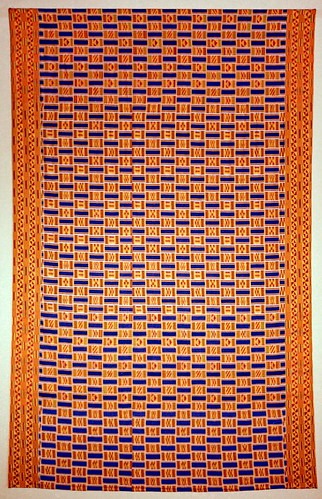
The most prominent traditional attire in Ghana is the Kente cloth, a colorful woven fabric originating from the Ashanti and Ewe people. Kente is known for its bright geometric patterns and is often reserved for special events such as weddings and chieftaincy ceremonies. Another popular traditional garment is the smock, commonly worn by the Northern tribes, characterized by its loose-fitting, embroidered fabric.
In addition to Kente and smocks, many Ghanaian communities have their unique traditional outfits, such as the Fugu from the Fante people and the Botey from the Ga-Dangme group. Modern Ghanaian fashion often incorporates these traditional elements, blending contemporary styles with cultural motifs to create vibrant and unique clothing that celebrates Ghanaian heritage.
Modern Fashion Trends
Ghanaian clothing is renowned for its vibrant colors, intricate patterns, and cultural significance. Traditional garments such as kente, wax prints, and smocks embody the rich history and diverse heritage of Ghanaian communities. These textiles are often worn during special occasions, ceremonies, and festivals, symbolizing identity and social status.
Modern fashion trends in Ghana blend traditional elements with contemporary styles, creating a dynamic and evolving fashion scene. Designers are increasingly incorporating local fabrics and motifs into everyday wear, street fashion, and high-end apparel, reflecting a fusion of tradition and modernity. Streetwear, casual chic, and eco-friendly designs are gaining popularity among Ghanaian youth, showcasing their creativity and global influence.
Influenced by international fashion, but rooted in cultural pride, Ghanaian clothing continues to adapt and thrive in the modern era. Fashion weeks, local boutiques, and online platforms promote Ghanaian designers who pay homage to heritage while innovating new styles. This vibrant fashion landscape highlights Ghana’s unique blend of tradition and modernity, making it a prominent contributor to African fashion trends globally.
Types of Ghanaian Clothing
Ghanaian clothing is renowned for its vibrant colors, intricate patterns, and rich cultural significance. Traditional attire plays a vital role in representing the diverse heritage and customs of the Ghanaian people. From ceremonial garments to everyday wear, Ghanaian clothing showcases a blend of history, identity, and artistry that continues to thrive in modern fashion.
Kente Cloth
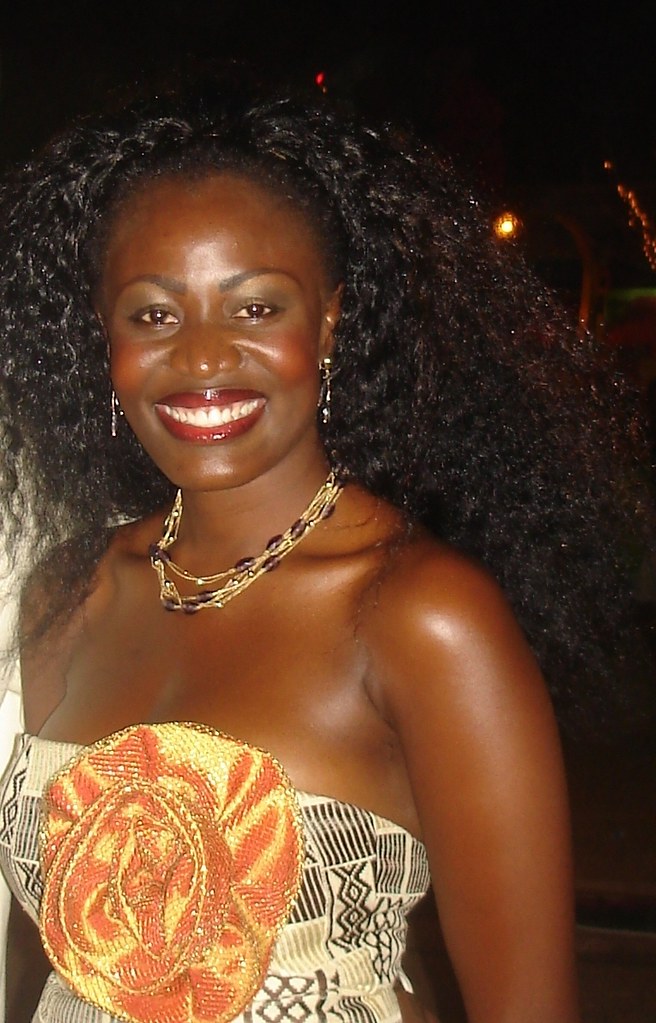
Ghanaian clothing is rich in tradition and diversity, reflecting the country’s vibrant culture and history. One of the most iconic fabrics is Kente cloth, renowned for its bright colors and intricate patterns. Kente is traditionally woven by the Ashanti and Ewe people and is often worn during special ceremonies and celebrations.
Aside from Kente, Ghanaian clothing includes other traditional garments such as the Smock, also known as Fugu or Batakari, which is made from handwoven fabric and is worn by men during cultural festivities. Women often wear colorful wrappers called ‘Kaba’ paired with blouses or dresses, showcasing the lively textile prints typical of Ghanaian fashion.
Modern Ghanaian fashion also incorporates Western styles, blending traditional fabrics and patterns with contemporary designs. This fusion creates a unique representation of Ghanaian identity, making their clothing distinctive and expressive of their culture.
Adinkra Textiles
Ghanaian clothing is rich in cultural heritage and diverse in styles, reflecting the country’s vibrant history and traditions. Traditional attire such as Kente, Adinkra textiles, and smock are commonly worn during special occasions and ceremonies. Kente is a colorful woven fabric symbolizing history, philosophy, and social status, often used for weddings, celebrations, and important events. Adinkra textiles feature distinctive symbols that represent concepts, values, and proverbs, typically printed or stamped onto fabric using natural dyes. These textiles are highly regarded for their symbolic meanings and artistic designs. Besides traditional clothing, modern fashion also incorporates Ghanaian fabrics, blending cultural elements with contemporary styles, showcasing the dynamic fashion industry in Ghana. Overall, Ghanaian clothing and textiles play a vital role in expressing cultural identity and preserving heritage across generations.
Kaba and Slit
Ghanaian clothing is diverse and rich in cultural heritage, showcasing various traditional styles that reflect the country’s history and identity. Among the most popular traditional attire are the Kaba and Slit, which are widely worn by women for both everyday activities and special occasions. The Kaba is a long, flowing dress made from colorful, patterned fabric, often paired with a matching headwrap. The Slit, as the name suggests, features a slit or split on one or both sides, allowing for ease of movement and adding a touch of elegance to the garment. These clothing styles are celebrated for their vibrant colors, intricate designs, and cultural significance, representing Ghana’s artistic expression and social customs. They are commonly worn during festivals, ceremonies, and other cultural events, serving as a symbol of pride and identity for the Ghanaian people.
Materials and Fabrics
Materials and fabrics play a crucial role in Ghanaian clothing, reflecting the rich cultural heritage and artisanal skills of the region. From vibrant Kente cloth to soft cottons and intricate textiles, Ghanaian fabrics are celebrated for their vibrant colors, symbolic patterns, and high-quality craftsmanship. These materials not only showcase traditional artistry but also serve as a medium for storytelling and cultural expression, making them an integral part of Ghanaian identity and fashion.
Cotton and Silk
Materials and fabrics play a significant role in Ghanaian clothing, with cotton and silk being two of the most prominent choices. Cotton is widely used due to its comfort, durability, and breathability, making it ideal for the warm climate in Ghana. It is often featured in traditional attire such as kente and smock, as well as modern garments. Silk, on the other hand, is prized for its luxurious texture and sheen, frequently used in high-quality garments and ceremonial clothing. Both fabrics reflect the rich cultural heritage and craftsmanship of Ghana, showcasing the vibrant colors and intricate designs characteristic of Ghanaian fashion.
Batakari (Fugu)
Materials and fabrics play a vital role in the traditional clothing of Ghana, especially in the making of the Batakari, also known as Fugu. These garments are typically crafted from a variety of textiles that reflect cultural heritage, social status, and regional identity. Cotton is the most commonly used fabric due to its durability, comfort, and availability, making it ideal for everyday wear and special occasions. In some regions, Batakari may incorporate woven or embroidered fabrics to enhance their aesthetic appeal.
The Batakari (Fugu) itself is a traditional Ghanaian smock, often made with handwoven or machine-made cotton fabric. It is characterized by its loose fit and intricate designs, which may include geometric patterns, symbols, or motifs significant to the wearer’s community. The fabric’s texture and color can vary, with natural dyes used to produce vibrant hues or more subdued tones, emphasizing craftsmanship and cultural symbolism.
Overall, materials and fabrics in Ghanaian clothing like the Batakari highlight a rich tradition of textile artistry, where the choice of fabric and craftsmanship reflects the history, identity, and artistry of Ghanaian communities.
Synthetic and Blended Fabrics
Materials and fabrics play a significant role in Ghanaian clothing, reflecting the rich cultural heritage and craftsmanship of the region. Among these, synthetic and blended fabrics are increasingly popular due to their affordability, durability, and versatility. Synthetic fabrics, such as polyester and nylon, are made through chemical processes and are often used in modern Ghanaian fashion for their ease of maintenance and vibrant color retention. Blended fabrics combine natural fibers like cotton or silk with synthetic fibers, offering a balance of comfort, strength, and affordability. These materials are widely utilized in creating stylish, durable, and affordable garments for various occasions, seamlessly blending traditional and contemporary fashion in Ghana.
Cultural Significance of Clothing
Clothing holds a profound cultural significance in Ghana, reflecting the rich history, traditions, and social identity of its people. Traditional garments such as Kente cloth and Smock are more than just attire; they symbolize status, heritage, and cultural pride. The vibrant colors and intricate designs of Ghanaian clothing serve as a visual language that conveys messages about identity, community, and cultural values. Understanding the significance of clothing in Ghana offers a deeper insight into its diverse customs and societal norms.
Ceremonial Attire
In Ghana, clothing and ceremonial attire hold deep cultural significance, serving as symbols of identity, social status, and tradition. Traditional garments like kente cloth, smocks, and batakari are worn during important ceremonies, celebrations, and rites of passage, reflecting the rich history and diverse heritage of various ethnic groups. These attires are often adorned with intricate patterns and vibrant colors that convey messages about the wearer’s community, achievements, or spiritual beliefs. Wearing ceremonial clothing in Ghana not only fosters a sense of pride and unity but also preserves and promotes the country’s cultural legacy for future generations.
Social Status and Identity
Clothing in Ghana holds deep cultural significance, serving as a powerful symbol of social status and individual identity. Traditional garments such as kente cloth, smocks, and adinkra fabrics are often worn during important ceremonies and celebrations, reflecting the wearer’s ethnic background, social standing, and personal achievements. These textiles are not merely decorative; they embody stories, proverbs, and historical values that are passed down through generations. The choice of clothing can denote respect, allegiance to a community, or honor for ancestors, making attire a vital aspect of Ghanaian cultural expression. In contemporary settings, while Western-style clothing is common, traditional attire remains a proud marker of cultural identity and social pride, bridging the past and present in Ghanaian society.
Festivals and Celebrations
Ghanaian clothing, festivals, and celebrations hold profound cultural significance as they embody the rich history, identity, and social values of the Ghanaian people. Traditional garments such as kente, smock, and wax prints are more than just fashion statements; they serve as symbols of heritage, social status, and communal unity. During festivals and ceremonies, wearing specific attire strengthens cultural bonds and showcases pride in Ghanaian ancestry. Celebrations like Homowo, Panafest, and the Independence Day festivities are marked by vibrant clothing and elaborate rituals that honor ancestors and promote cultural preservation. These customs foster a sense of belonging and continuity, ensuring that Ghana’s diverse cultural tapestry remains vibrant and influential across generations.
Regional Variations in Clothing
Regional variations in clothing within Ghana reflect the country’s rich cultural diversity and unique traditions. Different regions showcase distinct styles, fabrics, and techniques that are deeply rooted in local history and customs. These diverse clothing practices not only serve functional purposes but also symbolize identity, status, and community belonging. Exploring these variations offers a fascinating insight into Ghana’s vibrant cultural landscape.
Ashanti Region
The Ashanti Region is renowned for its rich cultural heritage, which is vividly expressed through traditional clothing. Visitors and locals alike often wear garments made from colorful kente cloth, which is a symbol of status, history, and identity among the Ashanti people. The intricate patterns and vibrant colors of kente vary depending on the occasion and social status, reflecting regional and societal distinctions. During festivals and important ceremonies, the attire becomes more elaborate, featuring richly embroidered fabrics, beads, and other adornments. This regional variation in clothing highlights the deep-rooted cultural values and artistic expressions unique to the Ashanti Region within Ghana’s diverse cultural landscape.
Volta Region
In the Volta Region of Ghana, traditional clothing reflects the rich cultural heritage and diverse ethnic groups present in the area. The Ewe people, who are predominant in this region, often wear vibrant and colorful garments that symbolize their identity and history. Women typically don wraps known as “kente” or “ankara” fabrics, complemented by bead necklaces and headscarves, while men wear smocks or shirts made from similar bright textiles. Each community within the Volta Region has unique patterns and styles that distinguish their traditional attire. These clothing styles are often showcased during festivals, ceremonies, and important social events, highlighting the region’s cultural distinctiveness. The use of locally woven fabrics during these occasions emphasizes the importance of craftsmanship and cultural pride in the Volta Region’s clothing traditions.
Northern Regions
In the northern regions of Ghana, traditional clothing reflects the rich cultural heritage and climatic conditions of the area. People often wear lightweight and breathable fabrics to stay comfortable in the hotter climate. Women typically adorn brightly colored fabrics such as beads, wrappers, and headscarves, while men may wear plain or patterned boubous and traditional smocks. These garments often feature intricate embroidery and vibrant colors that signify social status, ethnic identity, and cultural pride. The clothing styles in the northern regions differ significantly from those in the southern parts of Ghana, emphasizing the diversity within Ghanaian fashion and cultural expression.
Fashion Designers and Influence
Fashion designers play a crucial role in shaping cultural identities and trends through their creativity and innovation. In Ghana, clothing design reflects a rich blend of tradition and modern style, influencing not only local fashion but also the global fashion scene. These designers bring unique perspectives, showcasing the vibrant heritage and contemporary aesthetics of Ghanaian culture.
Prominent Ghanaian Designers
Ghanaian fashion designers have significantly contributed to the vibrant and diverse landscape of clothing in Ghana, blending traditional elements with modern styles to create unique and influential designs. Their innovative approach has positioned Ghana as a prominent hub for fashion in Africa, inspiring designers across the continent and beyond. These designers are not only shaping trends but are also preserving cultural heritage through their use of traditional fabrics like kente, beadwork, and Ankara in contemporary fashion pieces.
Prominent Ghanaian designers such as Ophelia Crossland, Kofi Ansah, and Christie Brown have gained international recognition for their exceptional craftsmanship and creativity. Ophelia Crossland is known for her elegant haute couture and bridal wear that seamlessly incorporate Ghanaian motifs. Kofi Ansah, often regarded as the pioneer of modern Ghanaian fashion, merged traditional fabrics with Western silhouettes, setting a foundation for future designers. Christie Brown, led by Aisha Ayakah, has gained fame for its innovative use of African prints and modern aesthetics, becoming a symbol of Ghanaian fashion on the world stage. These designers exemplify the fusion of tradition and innovation, influencing clothing styles across Ghana and inspiring a new generation of fashion enthusiasts.
Global Impact of Ghanaian Fashion
Ghanaian fashion designers have significantly influenced global style through their unique blend of traditional textiles and contemporary designs. Their innovative use of Kente cloth, Adinkra symbols, and other cultural elements has gained international recognition, showcasing the rich heritage of Ghana on the global fashion stage. These designers are not only shaping modern trends but also promoting Ghanaian culture worldwide, fostering cultural appreciation and understanding.
The global impact of Ghanaian clothing extends beyond aesthetics; it has become a symbol of identity, pride, and resilience. Major fashion events and collaborations featuring Ghanaian designers have helped to elevate the country’s profile in the international fashion scene. By doing so, Ghanaian fashion contributes to economic growth, tourism, and the promotion of sustainable fashion practices rooted in local traditions.
As more global audiences embrace the vibrant colors, intricate patterns, and storytelling elements of Ghanaian attire, it continues to influence designers around the world. This cross-cultural exchange not only enriches global fashion but also ensures that Ghanaian clothing remains a powerful expression of cultural heritage with a lasting global impact.
Contemporary Trends and Youth Fashion
Contemporary trends in youth fashion are constantly evolving, reflecting a blend of cultural influences and individual expression. In Ghana, this dynamic landscape is shaped by a rich heritage combined with modern styles, creating a vibrant fashion scene that resonates with young people. As Ghanaian youth embrace their identity, they incorporate traditional elements into contemporary clothing, making their fashion both unique and culturally meaningful.
Integration of Western Styles
Contemporary trends in Ghanaian clothing are increasingly influenced by global fashion, particularly Western styles, creating a vibrant fusion of traditional and modern aesthetics. Young people in Ghana are embracing Western-influenced streetwear, casual attire, and avant-garde fashion, blending these elements seamlessly with local textiles and patterns. This integration reflects a broader cultural shift where youth express their identity through a mix of global trends and indigenous heritage. As Western styles become more accessible through social media and fashion outlets, Ghanaian youth are adapting them to suit their unique cultural narratives, fostering a dynamic and innovative fashion scene. This fusion not only highlights creativity but also signifies a broader acceptance of global interconnectedness in contemporary Ghanaian clothing and youth fashion.
Streetwear and Urban Fashion
Contemporary trends in youth fashion and streetwear are heavily influenced by global urban culture while also reflecting Ghanaian identity and creativity. Streetwear and urban fashion in Ghana incorporate a mix of traditional fabrics like kente and smock with modern silhouettes, creating a unique fusion that resonates with the youthful population. This fusion emphasizes self-expression, individuality, and a connection to heritage, making Ghanaian streetwear distinct in the global fashion scene. As social media platforms continue to elevate local designers and streetwear brands, Ghanaian youth are increasingly adopting and adapting international trends to showcase their cultural pride. Overall, Ghana’s streetwear scene is vibrant, innovative, and a testament to the dynamic spirit of its youth observing contemporary trends while celebrating their cultural roots.
Ethical and Sustainable Practices
Ethical and sustainable practices are essential for promoting responsible growth within the Ghana clothing industry. As the demand for ethically produced fashion increases worldwide, Ghanaian brands are increasingly adopting environmentally friendly materials and fair labor policies. Emphasizing sustainability not only benefits the environment but also supports local communities, ensuring that traditional craftsmanship thrives while meeting modern ethical standards.
Local Artisans and Handcrafting
Ghana clothing is renowned for its vibrant colors, rich cultural symbolism, and handcrafted details that celebrate local artistry. Emphasizing ethical and sustainable practices ensures that these beautiful garments support local artisans, promote fair wages, and protect the environment. Many Ghanaian artisans use traditional methods, such as hand-dyeing and weaving, to create unique textiles that preserve cultural heritage. By choosing clothing from local artisans, consumers contribute to sustainable economic growth in Ghana, helping to sustain these craft traditions for future generations. Supporting these practices not only fosters authenticity and cultural preservation but also encourages environmentally responsible manufacturing processes that minimize waste and pollution.
Eco-friendly Materials and Techniques
Ghana clothing is increasingly embracing ethical and sustainable practices to preserve the environment and support local communities. Designers and manufacturers are turning to eco-friendly materials such as organic cotton, hemp, and locally sourced natural fibers to reduce environmental impact. Techniques like handwoven fabrics, traditional dyeing methods, and upcycling old garments promote sustainability and maintain cultural heritage. Emphasizing fair labor practices and transparent supply chains ensures that workers enjoy fair wages and safe working conditions. By prioritizing eco-conscious choices and ethical standards, Ghana’s clothing industry can contribute to a greener future while celebrating its rich textile traditions.


0 Comments