

Historical Overview of Ghanaian Kings
The history of Ghanaian kings is a rich tapestry of tradition, power, and cultural heritage that dates back centuries. These monarchs have played a vital role in shaping the identity and history of Ghana, originating from various powerful kingdoms such as the Ashanti, Dagbon, and various coastal states. Their leadership, rituals, and legacy continue to influence modern Ghanaian society, reflecting a deep respect for ancestry and governance that has endured through generations.
Traditional Kingdoms and Their Origins
The history of Ghanaian kings and traditional kingdoms is rich and deeply rooted in the country’s cultural heritage. These monarchs have played vital roles in shaping the social, political, and spiritual life of Ghana for centuries. Many of the kingdoms, such as the Ashanti Empire, have origins that date back to pre-colonial times, with their founders establishing powerful states based on hereditary descent and traditional authority.
Traditional Ghanaian kingdoms are often based on complex systems of chieftaincy and lineage, where each king or chief is seen as a spiritual and political leader. These kingdoms were historically centered around the control of land, resources, and social organization. The Ashanti Kingdom, for example, was founded in the late 17th century and became renowned for its military strength and sophisticated governance system.
The origins of Ghanaian kingdoms are deeply intertwined with the migration and settlement patterns of various ethnic groups, such as the Akan, Mole-Dagbon, and Ewe. These groups established kingdoms that served as the political and cultural nucleus of their communities. Over time, these kingdoms integrated their traditional structures with colonial administration, but many still retain their historical and cultural significance today.
Today, Ghana continues to honor its traditional kings and chiefs, recognizing their roles in maintaining cultural heritage, mediating community disputes, and contributing to national identity. The monarchy system remains an essential aspect of Ghanaian society, symbolizing continuity with the past and the enduring importance of traditional authority.
Notable Kings in Ghanaian History
The history of Ghana is profoundly marked by its notable kings, who played crucial roles in shaping the region’s culture, politics, and identity. Ghanaian kingship traditionally embodies authority, spiritual leadership, and cultural heritage, with each ruler leaving a distinct legacy. The concept of kingship in Ghana dates back centuries, beginning from ancient states such as the Ghana Empire, Mali Empire, and more recently, the various modern monarchs who continue to influence contemporary Ghanaian society.
One of the most renowned kings in Ghanaian history is Osei Tutu, the founder of the Ashanti Empire in the late 17th and early 18th centuries. His leadership unified various Ashanti states and established the Ashanti Confederacy, which became a formidable force in West Africa. Osei Tutu is celebrated for his strategic diplomacy and organizational prowess, which laid the foundation for the Ashanti’s resilience and prosperity.
Another significant figure is King Nii Teti of the Ga Kingdom, revered for his role in preserving the cultural traditions of the Ga-Dagomba people. His leadership helped maintain the social cohesion and political stability of the coastal communities. Throughout Ghana’s history, many other kings, such as Nana Ofori Atta of the Akyem Abuakwa and Otumfuo Osei Tutu II of the Ashanti, continue to symbolize authority and cultural identity.
Modern Ghana also recognizes these traditional leaders’ roles within the constitutional framework, where they serve as custodians of culture and mediators of local disputes, bridging tradition and contemporary governance. The legacy of Ghanaian kings remains a vital part of the nation’s history, showcasing their enduring influence on Ghana’s social fabric and national identity.
Evolution of Majesty and Authority
The history of Ghanaian kings reflects a rich tapestry of tradition, power, and cultural evolution that dates back centuries. Throughout the centuries, the concept of kingship in Ghana has evolved from ancient chiefdoms to formidable monarchies, embodying spiritual authority, political influence, and social unity.
In early Ghanaian societies, kings were regarded as divine or semi-divine figures, serving as the spiritual leaders and custodians of tradition. The Ashanti Empire, one of the most prominent states in West Africa, exemplifies the development of centralized authority, where the Asantehene (king) held both spiritual and political power, overseeing governance, justice, and ceremonial duties.
Over time, the authority of Ghanaian kings became more institutionalized, with formal structures supporting their rule. The introduction of colonial rule in the 19th and 20th centuries affected traditional authority, but many kings retained their cultural significance, serving as unifying symbols for their people amid changing political landscapes.
Today, Ghanaian kings and chiefs continue to play vital roles in cultural preservation, local governance, and dispute resolution. The evolution of their majesty and authority illustrates a transition from divine right and absolute power towards a more symbolic and cultural form of leadership, reflecting Ghana’s respect for tradition while adapting to modern governance systems.
Roles and Responsibilities of the Ghanaian King
The Ghanaian King holds a significant position as a traditional leader with various roles and responsibilities that influence cultural, social, and political life. As a custodian of history and tradition, the king oversees ceremonies, upholds customs, and promotes unity within the community. Additionally, the king acts as an intermediary between his people and the government, ensuring the welfare of his subjects and maintaining peace and harmony in his jurisdiction.
Political Leadership and Governance
The Ghanaian king, also known as the paramount chief, holds a significant role in the cultural and political landscape of Ghana. He serves as a custodian of tradition and heritage, ensuring that cultural practices and customs are preserved and promoted within his community. The king provides leadership and guidance to his subjects, mediates disputes, and acts as a unifying figure for his people. In terms of political responsibilities, the king collaborates with government authorities, advises on key issues affecting his community, and participates in regional and national development initiatives. His role extends beyond ceremonial duties to encompass responsibilities that support stability, social cohesion, and development within his jurisdiction.
Cultural and Spiritual Duties
The Ghanaian king, known traditionally as the Omanhene or Paramount Chief, holds a vital role in maintaining the cultural and spiritual heritage of their community. Their responsibilities extend beyond governance to encompass cultural preservation and spiritual guidance.
One of the primary duties of the Ghanaian king is to serve as a custodian of local customs, traditions, and history. They oversee traditional ceremonies, festivals, and rites that reinforce communal identity and social cohesion.
Spiritual responsibilities are also central to their role; the king acts as a spiritual leader, mediating between the spiritual world and the people. They conduct important rituals and serve as a conduit for communicating with ancestral spirits, ensuring spiritual harmony within the community.
Furthermore, the king often acts as a mediator in conflicts, upholding justice and peace in line with traditional laws. They embody moral authority, setting behavioral standards and guiding their subjects in cultural practices.
In summary, the Ghanaian king plays a crucial role in safeguarding cultural traditions and spiritual practices, fostering unity, and upholding the values that define their community’s identity.
Economic Oversight and Development
The Ghanaian king, also known as the Paramount Chief, holds a vital role in both cultural and administrative aspects of society. His responsibilities extend beyond traditional leadership to include economic oversight and fostering community development.
Roles and Responsibilities of the Ghanaian King
- Preserving and promoting cultural heritage and traditional customs within the community.
- Serving as a spiritual leader and arbiter of disputes among community members.
- Representing the interests of the people at regional and national levels.
- Overseeing local development projects and initiatives that benefit the community.
- Fostering unity and social cohesion among different groups within the area.
Economic Oversight and Development
- Collaborating with local government authorities to plan and implement economic development strategies.
- Supporting small-scale businesses and ensuring sustainable economic activities.
- Encouraging investments that can boost local economies and create employment opportunities.
- Managing communal land and resources to promote agricultural productivity and land use efficiency.
- Facilitating access to education and skills training to improve livelihoods and economic prospects.
The Chieftaincy Institution in Ghana
The Chieftaincy Institution in Ghana is a vital cultural and traditional system that serves as the backbone of many communities across the country. It plays a significant role in maintaining local customs, conflict resolution, and the preservation of heritage. The institution is deeply rooted in Ghanaian history and continues to influence social and political life, with the King or chief acting as a custodian of the people’s traditions and values.
Structure and Hierarchy of Chiefs
The Chieftaincy Institution in Ghana is a vital cultural and traditional framework that plays a significant role in the governance and social life of various Ghanaian communities. It serves as a custodian of customs, traditions, and customary laws, fostering unity and identity among the people.
The structure of the Chieftaincy Institution is hierarchical, comprising different ranks of chiefs, each with specific roles and responsibilities. At the top is the Paramount Chief, also known as the Overlord or King, who oversees a large traditional area called a paramountcy. Below the paramount chief are traditional heads or divisional chiefs, who govern smaller subdivisions within the paramountcy.
Further down the hierarchy are sub-chiefs or divisional chiefs, district chiefs, or clan chiefs, depending on the specific customary arrangements of each community. These chiefs work together to administer customary laws, resolve disputes, and promote the welfare of their subjects. The hierarchy is supported by various councils of elders and traditional councils that advise and assist in governance.
Overall, the Chieftaincy Institution in Ghana, with its structured hierarchy of chiefs, continues to be a cornerstone of Ghanaian society, preserving cultural heritage and providing leadership at the local level.
The Role of the Asantehene and Other Paramount Chiefs
The Chieftaincy Institution in Ghana plays a vital role in the cultural and political life of the country, preserving traditional governance and societal values. Among the numerous chiefs, the Asantehene stands out as the paramount traditional ruler of the Ashanti Region, serving as a symbol of unity and cultural heritage for the Ashanti people. The Asantehene’s responsibilities include promoting peace, cultural preservation, and development within his jurisdiction, as well as acting as a spiritual and political leader.
Other Paramount Chiefs in Ghana also hold significant influence within their respective regions, overseeing local administrative functions and mediating disputes. They act as custodians of their people’s traditions and are involved in the development initiatives, representing their communities in national matters. The collective role of these chiefs maintains the cultural fabric of Ghana, strengthening the social cohesion and continuity of its rich heritage. Overall, the kingly and chieftaincy institutions embody Ghana’s history, unity, and identity, with the Asantehene playing a particularly prominent role in the nation’s traditional leadership landscape.
Legal and Ceremonial Power of Chiefs
The Chieftaincy Institution in Ghana plays a crucial role in the country’s cultural and political landscape, embodying the traditions and authority of various ethnic groups. Chiefs are regarded as custodians of their people’s customs, traditions, and land, serving as vital links between the government and local communities.
Legally, Ghanaian Chiefs derive their authority from the 1992 Constitution, which recognizes the institution’s role in local governance and community leadership. The National House of Chiefs and Regional Houses of Chiefs oversee the restoration and regulation of chieftaincy matters, ensuring the maintenance of peace and tradition within their jurisdictions. Chiefs are empowered to resolve disputes, oversee customary laws, and administer traditional justice in their areas.
Cherished as traditional rulers, Ghanaian Chiefs also hold ceremonial powers that include presiding over important cultural events, festivals, and rituals. They serve as symbolic figures representing unity, history, and identity within their communities. Chiefs are often involved in conflict resolution, land management, and promoting development initiatives, making their role both legally significant and culturally vital in Ghanaian society.
Ghanaian King’s Cultural Significance
The Ghanaian king holds a profound cultural significance as a symbol of unity, tradition, and history within the community. His role extends beyond mere leadership to embody the spiritual and cultural identity of his people. Through ceremonies, festivals, and rituals, the king preserves the rich heritage of Ghana and reinforces social cohesion among diverse ethnic groups. As a custodian of tradition, the Ghanaian king remains a vital figure in maintaining the cultural fabric of the nation.
Preservation of Traditions and Customs
The Ghanaian king holds a pivotal role in maintaining the cultural identity and heritage of the Ghanaian people. As a symbol of authority and tradition, the king embodies the history, values, and spiritual beliefs of his community. Through ceremonies, festivals, and public functions, the king helps to preserve and promote Ghanaian customs, fostering unity and cultural pride among his subjects.
Preserving traditions and customs is a crucial responsibility of the Ghanaian king. He ensures that age-old rituals, festivals, and practices remain vibrant and relevant in contemporary society. By participating in traditional rites and supporting cultural initiatives, the king helps pass down the rich heritage from generation to generation, strengthening the cultural fabric of the nation.
Festivals and Rituals Celebrating the Kingship
The Ghanaian king holds a profound cultural significance, serving as a symbol of unity, tradition, and spiritual authority within his community. His leadership embodies the history, values, and identity of his people, acting as a bridge between the past and present. The king’s role extends beyond governance to include presiding over important festivals and rituals that reinforce social cohesion and cultural heritage.
Among the most notable festivals is the Homowo Festival celebrated by the Ga people, which honors their ancestors and marks the harvest season. During this festival, the king plays a central role by leading ceremonies that include drumming, dancing, and eating special foods. Another significant celebration is the Akwasidae Festival of the Ashanti, where the king is adorned in traditional regalia, and elaborate rituals are performed to invoke blessings, prosperity, and communal unity. These festivals are not only cultural displays but also important moments for reaffirming the king’s spiritual and political authority.
Rituals surrounding the kingship often involve rites of passage, libations, and ceremonial offerings that honor ancestors and invoke divine guidance. The installation of a new king typically includes traditional rites conducted by elders and spiritual leaders, emphasizing the sacred nature of the monarchy. These practices serve to reinforce the legitimacy of the king’s authority and reinforce the cultural fabric of Ghanaian society.
Symbolism and Regalia of Power
The Ghanaian king holds a deeply revered position within the cultural and social fabric of Ghanaian society, symbolizing unity, continuity, and spiritual authority. As a custodian of traditions and customs, the king embodies the history and identity of his people, serving as a bridge between the past and present. The role extends beyond mere governance to spiritual leadership, guiding moral values and communal harmony.
The symbolism associated with the Ghanaian king is rooted in rich mythologies and ancestral veneration. His regalia often features motifs representing divine authority, cosmic order, and ancestral lineage. These symbols reinforce his legitimacy and connection to the spiritual realm, helping to legitimize his rule among his subjects.
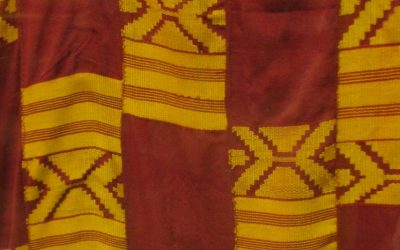
Regalia of power in the Ghanaian monarchy typically includes elaborate clothing, hats, staffs, and crowns, crafted with intricate designs using precious metals and beads. The Kente cloth, often worn during ceremonies, signifies prestige and cultural pride. The crown, often decorated with gold and symbolic motifs, signifies sovereignty and divine right, while staffs and scepters serve as emblems of authority, guiding and protecting the community. Together, these elements underscore the king’s status as both a political leader and a spiritual guardian.
Modern Ghanaian Kings and Their Influence
Modern Ghanaian kings continue to play a vital role in the cultural and political landscape of Ghana. Although Ghana is a republic, traditional rulers uphold rich histories and serve as symbols of unity, cultural preservation, and authority within their communities. Their influence extends beyond ceremonial duties, impacting local development, conflict resolution, and social cohesion, making them integral to Ghana’s national identity and societal stability.
Contemporary Roles and Responsibilities
Modern Ghanaian kings play a vital role in preserving cultural heritage while adapting to contemporary societal changes. They serve as custodians of tradition, overseeing cultural festivals, rituals, and community cohesion. Beyond their cultural duties, many kings actively participate in local development projects, such as education, healthcare, and infrastructure, thereby fostering socio-economic growth within their regions. Their influence extends to mediating conflicts, promoting unity, and advocating for their people’s needs to government authorities. In recent years, Ghanaian kings have also become prominent figures in national discussions on politics and social issues, leveraging their authority to support national development and unity.
Interactions with the Government and Society
Modern Ghanaian kings continue to play a vital role in shaping the cultural, social, and political landscape of Ghana. These traditional rulers, often referred to as paramount chiefs, serve as custodians of their communities’ heritage while also engaging with contemporary governance and societal issues. Their influence extends beyond cultural domains, impacting local development projects, conflict resolution, and community cohesion.
- Maintaining Cultural Heritage: Ghanaian kings uphold age-old traditions, ceremonies, and customs that foster a sense of identity and unity among their people.
- Facilitating Development: Many kings collaborate with government agencies to promote education, health, and infrastructure development within their regions.
- Dispute Resolution: Traditional rulers often serve as mediators in conflicts, providing a neutral platform for dialogue and reconciliation.
- Political Interactions: Kings sometimes engage with politicians and policymakers to advocate for the needs of their communities, influencing national political discourse.
- Societal Leadership: Beyond governance, they participate in social issues such as education, gender equality, and cultural preservation, thereby shaping societal values.
- Modern Ghanaian kings embody a blend of tradition and modernity, acting as bridges between their communities and the government.
- Their influence helps reinforce social cohesion and promotes sustainable development in various regions across Ghana.
- Interactions between kings and the government are often characterized by mutual respect and cooperation aimed at national progress.
- Overall, Ghanaian kings remain key figures whose roles adapt to contemporary challenges while preserving their cultural significance.
Challenges Facing Modern Kingship
Modern Ghanaian kings continue to play a vital role in their communities, serving as custodians of culture, tradition, and social cohesion. Their influence extends beyond ceremonial duties to areas such as dispute resolution, community development, and advocating for local interests. These kings often act as bridges between the people and government institutions, contributing to peace and stability in their regions.
However, modern kingship in Ghana faces numerous challenges, including questions of legitimacy, delegation of authority, and modern governance conflicts. The rapid spread of education and urbanization has also led to shifts in traditional authority, sometimes creating tension between customary and formal political systems. Additionally, some kings encounter issues related to nepotism, corruption, or political interference, which can undermine their authority and dilute their influence.
Despite these challenges, Ghanaian kings remain influential figures, adapting to contemporary realities while maintaining their cultural significance. Their ability to navigate modern issues and uphold traditional values is crucial for sustaining their relevance in the evolving socio-political landscape of Ghana.
Notable Ghanaian Kings
Ghana, a country rich in history and culture, has been home to many notable kings who have played significant roles in shaping its history. These monarchs, revered for their leadership, wisdom, and influence, have left lasting legacies that continue to inspire generations. From ancient times to modern days, Ghanaian kings are celebrated for their contributions to tradition, unity, and nation-building.
The Asantehene: The King of Ashanti
The Asantehene is the traditional king and ruler of the Ashanti Empire in Ghana, a position of great historical and cultural significance. As the foremost traditional authority among the Ashanti people, the Asantehene plays a vital role in maintaining customs, overseeing societal affairs, and representing Ashanti identity both nationally and internationally.
- Osei Tutu I – Founder of the Ashanti Empire and the first Asantehene, instrumental in unifying the Ashanti tribes in the 17th century.
- Osei Tutu II – The current Asantehene, who has been serving since 1999, known for promoting development and cultural preservation.
- Okomfo Anokye – A legendary priest and advisor to Osei Tutu I, credited with spiritual and military leadership during the empire’s formation.
- Osei Kwadwo – The 7th Asantehene, renowned for strengthening the empire’s political structures in the 18th century.
- King Prempeh I – Led the Ashanti nation until British colonization, later exiled and then restored to the throne.
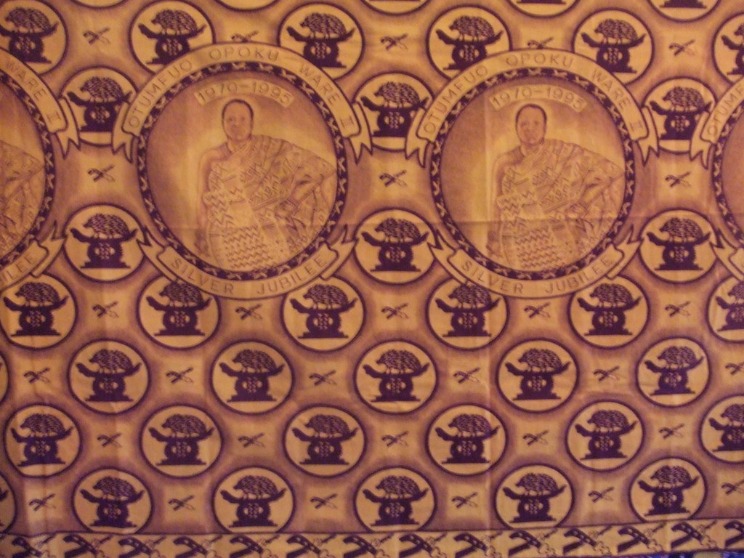
- Otumfuo Opoku Ware II – The 15th Asantehene, known for his efforts in advocating peace and social unity in Ghana.
The Paramount Chiefs of the Northern Regions
Ghana is renowned for its rich history and traditional leadership, especially in the northern regions where paramount chiefs play a vital role in governance and cultural preservation. These kings are highly respected and are considered the custodians of their people’s heritage, traditions, and customs.
- Yaa Naa Abubakari II – The Paramount Chief of the Dagbon Kingdom in Northern Ghana, known for his leadership and influence in the region.
- Nana Oti Boateng – Paramount Chief of the Kpando Traditional Area, a prominent cultural leader in the Volta Region, often collaborating with northern chiefs.
- Naa Ziblim, the Paramount Chief of the Gonja Traditional Area, renowned for his leadership and efforts to unite the Gonja people.
- Yagbonwura Tuntumba Boresa I – The Paramount Chief of the Gonja traditional area, serving as a spiritual and political leader for his people.
- Omaru Tanko, the Paramount Chief of the Karaga Traditional Area, known for his role in promoting peace and development in the broader northern Ghanaian community.
Historical Kings and Their Legacies
Ghana has a rich history of notable kings who have played pivotal roles in shaping its culture and society. These kings, often revered as traditional rulers, have left lasting legacies through their leadership and contributions to Ghanaian history. Among them is Osei Tutu I, the founder of the Ashanti Empire, who established a powerful centralized state and laid the foundation for Ashanti dominance in West Africa. His leadership helped unify the Ashanti people and strengthen their political structure, which remains influential today. Another prominent figure is King Prempeh I, who ruled the Ashanti Empire in the early 20th century and is remembered for resisting colonial rule and maintaining Ashanti sovereignty. His legacy embodies resilience and national pride. The historical kings of Ghana exemplify leadership rooted in tradition, bravery, and strategic vision, shaping the nation’s history and inspiring future generations.



0 Comments