
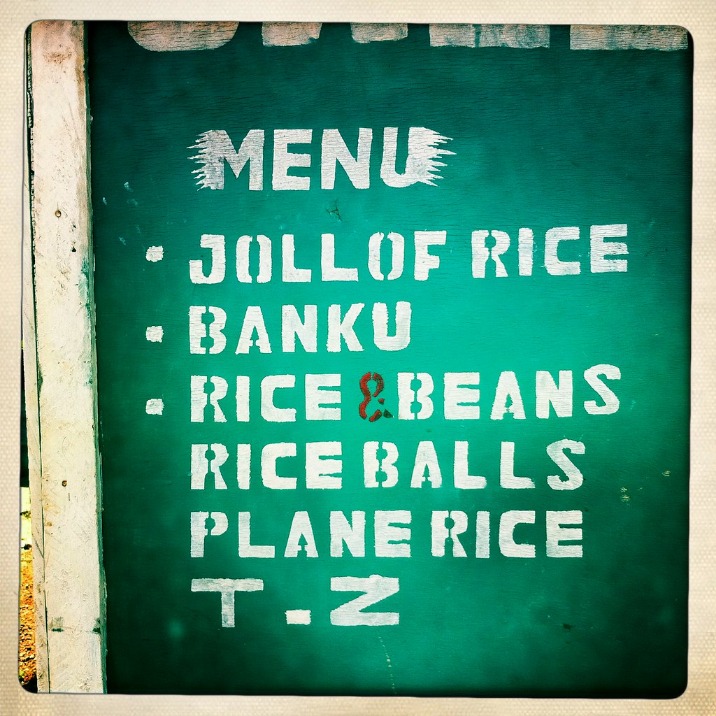
Origins of Ghana Jollof
Ghana Jollof is a beloved traditional dish that holds a special place in West African cuisine. Its origins can be traced back to a rich history of culinary exchange and cultural blending across the region. Known for its vibrant flavors and unique preparation, Ghana Jollof has become a symbol of culinary pride and social gatherings in Ghana and beyond.
Historical Background
The origins of Ghana Jollof rice trace back to the West African culinary traditions that have been passed down through generations. Although Jollof rice is widely associated with Nigeria, its roots are deeply embedded in the Senegalese dish called “Thieboudienne,” which influenced the development of Jollof across the region. Ghanaian Jollof has evolved uniquely, incorporating local ingredients and flavors that reflect Ghana’s rich agricultural bounty and cultural diversity.
Historically, Jollof rice became popular in Ghana through trade and cultural exchanges with neighboring countries such as Nigeria, Senegal, and other parts of West Africa. The dish gained prominence during the colonial period when food migrations and interactions increased, leading to variations tailored to regional tastes. Over time, Ghanaian Jollof developed distinct characteristics, including the use of specific spices, tomatoes, and sometimes seafood or meats, making it a beloved national dish that symbolizes Ghanaian hospitality and culinary ingenuity.
Cultural Significance
Ghana Jollof is a flavorful and vibrant rice dish that holds a special place in West African cuisine, particularly in Ghana. Its origins can be traced back to the Arab-influenced rice dishes introduced through trade routes, evolving over time with local ingredients and culinary traditions. The dish is typically made with long-grain parboiled rice, tomatoes, peppers, onions, and a variety of spices, often complemented by meats or vegetables.
Ghana Jollof is more than just a meal; it is a symbol of cultural identity and unity. It is commonly prepared during festivals, family gatherings, and communal celebrations, serving as a dish that brings people together. The preparation and sharing of Ghana Jollof reflect the community’s hospitality and pride, making it a staple at social events. Its rich, spicy flavor and the ability to customize it to suit individual tastes exemplify Ghanaian hospitality and culinary ingenuity.
Spread Across West Africa
Ghana Jollof is a popular and beloved rice dish that holds a special place in West African cuisine. Its origins can be traced back to the Senegalese dish known as “Jollof rice,” which was spread across West Africa through trade and cultural exchanges. Over time, Ghanaian chefs and home cooks adapted the recipe, incorporating local ingredients such as tomatoes, peppers, and spices, thereby creating a distinctive Ghanaian version of Jollof rice. The dish became a symbol of national pride and culinary identity in Ghana, often featured at celebrations and gatherings.
The spread of Ghana Jollof across West Africa has been influenced by historical migration, colonial connections, and the movement of traders and families. Countries like Nigeria, Sierra Leone, Liberia, and The Gambia developed their own variations of Jollof rice, each adding unique flavors and techniques while maintaining the core ingredients. This culinary sharing fostered a vibrant West African food culture where Jollof rice is more than just a dish; it embodies cultural unity, tradition, and regional pride. Today, Ghana Jollof continues to be celebrated as a key element of West African cuisine, enjoyed in homes, restaurants, and social events across the region.”
Ingredients and Variations
Ghanaian jollof rice is a beloved and flavorful dish that features a vibrant blend of ingredients, each contributing to its distinctive taste. While the core components typically include rice, tomatoes, peppers, and spices, there are numerous variations that reflect regional preferences and personal twists. Exploring these ingredients and their possibilities allows for a rich and versatile culinary experience that celebrates Ghanaian traditions and creativity.
Core Ingredients
Ghana Jollof is a flavorful and vibrant rice dish that features a variety of ingredients, each contributing to its rich taste and color. The core ingredients are essential for achieving the authentic Ghanaian flavor, while variations allow for personalization and regional differences.
Core Ingredients
- Long-grain parboiled rice
- Tomatoes (fresh or canned)
- Red bell peppers
- Onions
- Vegetable or chicken broth
- Cooking oil (vegetable or palm oil)
- Garlic
- Ginger
- Scotch bonnet peppers (for heat)
- Salt and seasoning cubes
Variations
- Adding vegetables like carrots, peas, or green beans
- Incorporating proteins such as chicken, fish, or beef
- Using different types of rice, like jasmine or basmati, for unique textures
- Adjusting spice levels with additional hot peppers or seasoning blends
- Introducing ingredients like bay leaves or smoked fish for a smoky flavor
Regional Variations
Ghana Jollof is renowned for its rich and flavorful ingredients, which typically include long-grain parboiled rice, tomatoes, onions, and red pepper. Additional ingredients often feature vegetable oil, garlic, ginger, and a variety of spices such as thyme, bay leaves, and curry powder, creating a vibrant and aromatic dish. Some recipes may also incorporate vegetables like carrots, peas, and bell peppers, as well as protein options such as chicken, fish, or beef.
Variations of Ghana Jollof are influenced by personal preferences and available ingredients. While some prefer a smoky flavor achieved by grilling the tomatoes or including smoked fish, others may add coconut milk for a creamier texture. The level of spiciness varies by recipe, with some opting for a milder taste and others embracing a fiery kick. The use of different proteins or vegetables also enables cooks to customize the dish to suit dietary preferences or regional tastes.
Regional variations within Ghana itself often reflect local ingredients and culinary traditions. For instance, in the Volta Region, more emphasis might be placed on using locally available vegetables or fish, whereas in the Northern regions, millet or sorghum might substitute rice. In coastal areas, seafood is a common addition, while inland recipes may focus more on chicken or beef. These regional differences contribute to the rich diversity and unique flavor profiles of Ghana Jollof across the country.
Unique Additions
Ghana Jollof is celebrated for its rich and flavorful ingredients, which can be customized to suit personal tastes. The base typically includes long-grain parboiled rice, tomatoes, onions, and red pepper, creating its vibrant red color and savory taste. Additional ingredients such as garlic, ginger, and bay leaves enhance the depth of flavor. Protein options like chicken, beef, or fish often accompany the dish, along with vegetables like carrots, peas, and bell peppers for added texture and nutrition. The use of palm oil gives Ghana Jollof its distinctive taste, though some variations opt for vegetable oil for a milder flavor.
- Long-grain parboiled rice
- Fresh tomatoes and tomato paste
- Onions and red peppers
- Garlic, ginger, and bay leaves
- Meat or fish (chicken, beef, or seafood)
- Vegetables such as carrots, peas, and bell peppers
- Palm oil or vegetable oil
Variations of Ghana Jollof often depend on regional preferences or family traditions. Some add a splash of coconut milk for creaminess, while others incorporate smoked fish or shrimps for a different flavor dimension. Spices like thyme, curry powder, or hot chilies can be adjusted to increase heat or aroma. Unique additions such as boiled eggs, plantains, or even fresh herbs like parsley or cilantro can give the dish a creative twist, making each serving a personalized experience.
- Adding coconut milk for a richer, creamier consistency
- Incorporating smoked fish or seafood for added flavor
- Adjusting spices like thyme, curry, or chilies to taste
- Including boiled eggs or plantains for extra textures
- Garnishing with fresh herbs such as parsley or cilantro
Preparation Methods
Preparation methods play a crucial role in shaping the flavors and textures of traditional dishes like Ghana Jollof. This vibrant and flavorful rice dish requires specific techniques to achieve its signature smoky taste and rich ingredients. Understanding various preparation methods can enhance the cooking experience and ensure an authentic Ghanaian culinary experience.
Traditional Cooking Techniques
Preparation methods and traditional cooking techniques play a vital role in making Ghana Jollof, a beloved West African dish. The process involves a combination of specific ingredients and time-honored methods to achieve its rich flavors and vibrant color.
- Begin by rinsing and soaking long-grain parboiled rice to remove excess starch and improve texture.
- Prepare a flavorful tomato-based sauce by blending fresh tomatoes, onions, bell peppers, and Scotch bonnet peppers, then cooking it down with oil and seasonings.
- Fry the blended sauce in hot oil to develop a deeper flavor, a technique known as ‘frying the base,’ which is essential in traditional Ghanaian cooking.
- Add pre-cooked rice to the sauce, mixing thoroughly to allow the rice to absorb the rich flavors while steaming on low heat.
- Cook under a covered pot, sometimes with the addition of banana leaves or a tight-fitting lid, to trap steam and ensure even cooking, preserving moisture and flavor.
Modern Adaptations
Ghana Jollof is a beloved West African dish known for its rich flavors and vibrant colors. Preparation methods for Ghana Jollof typically involve sautéing onions, tomatoes, and peppers to create a flavorful base. Rice is then added along with tomato paste, seasonings, and broth, and all ingredients are simmered together to achieve a tender, aromatic dish. Modern adaptations have introduced the use of additional vegetables, such as carrots and peas, as well as protein options like chicken, beef, or fish to enhance the dish’s nutritional profile. Some cooks also incorporate innovative cooking techniques like pressure cooking or slow cooking to reduce preparation time and deepen flavor. Additionally, chefs now experiment with different spices and herbs to customize the dish according to personal preferences, making Ghana Jollof a versatile and evolving culinary tradition.
Cooking Tips
Ghana jollof is a flavorful and vibrant West African dish that requires proper preparation and cooking techniques to achieve its signature taste. To prepare ghana jollof, start by rinsing and soaking long-grain parboiled rice to remove excess starch and ensure even cooking. Use ripe tomatoes, onions, and red pepper to blend a rich and tangy base, which contributes to the bright red color and deep flavor of the jollof. Sauté the blended mixture with oil until it becomes fragrant and thickens, which helps to develop its caramelized flavor. When cooking, add seasoned broth or stock, ensuring the rice is cooked evenly and absorbed all the flavors. For an extra smoky taste, some cooks like to add a touch of smoked paprika or lightly char the rice during preparation. Cover the pot tightly to trap steam, and avoid stirring too often to prevent the rice from breaking down. Finishing the dish with vegetables, fried plantains, or grilled meats enhances the overall experience and tradition of Ghanaian jollof. Use high heat initially to bring the ingredients to a boil, then reduce to simmer, allowing the rice to cook through thoroughly and absorb all the delicious flavors.
Ghana Jollof in Social and Cultural Context
Ghana Jollof is more than just a flavorful rice dish; it is a symbol of national pride and cultural identity in Ghana. Rooted in West African culinary traditions, Jollof has become a centerpiece at social gatherings, celebrations, and communal events, fostering a sense of unity and shared heritage. Its vibrant flavors and rich history reflect the diverse cultural influences that have shaped Ghanaian society, making it a beloved culinary expression that transcends mere sustenance to embody tradition, creativity, and social connection.
Role in Celebrations and Festivals
Ghana Jollof is more than just a delicious dish; it holds significant social and cultural importance in Ghanaian society. It is often regarded as a symbol of national identity and unity, bringing communities together to celebrate shared traditions and culinary heritage. The preparation and presentation of Ghana Jollof reflect local tastes, communal efforts, and cultural pride, making it a cherished part of Ghanaian life.
In Ghana, Jollof rice plays a central role in various celebrations and festivals. It is commonly served during lively gatherings such as weddings, birthday parties, and national holidays. Its presence at these events signifies hospitality, togetherness, and cultural expression. The dish’s vibrant colors and flavorful aroma enhance the festive atmosphere, helping to reinforce social bonds and community spirit.
- Ghana Jollof is a staple dish during major celebrations like Independence Day, showcasing Ghanaian cuisine to both locals and visitors.
- During festivals, Jollof rice is often prepared in large quantities to be shared among attendees, emphasizing the importance of sharing and communal participation.
- The dish is sometimes used in friendly competitions, such as Jollof cook-offs, which foster cultural pride and culinary creativity among different regions and communities in Ghana.
Family and Community Gatherings
Ghana Jollof holds a significant place in social and cultural contexts, symbolizing unity and shared identity among Ghanaians. It is often a central dish during family and community gatherings, serving as a culinary staple that brings people together to celebrate special occasions, festivals, and social events. The preparation and serving of Ghana Jollof foster a sense of tradition and collective participation, reinforcing communal bonds and cultural heritage. In these gatherings, Jollof is more than just food; it becomes a symbol of hospitality, warmth, and the rich culinary history of Ghana. Sharing Ghana Jollof at family events nurtures relationships and strengthens social ties, making it an essential element of Ghanaian social life and cultural expression.
Representation of Ghanaian Identity
Ghana Jollof is more than just a flavorful rice dish; it is a vibrant expression of Ghanaian social and cultural identity. Its preparation and consumption frequently serve as communal activities that foster unity and cultural pride among Ghanaians. The rich aroma and distinct taste symbolize the country’s culinary heritage and serve as a means of showcasing Ghanaian hospitality and tradition to both locals and visitors. Through its presence at festivals, family gatherings, and celebrations, Ghana Jollof exemplifies the shared values and ancestral roots that define Ghanaian society.
Language plays a crucial role in the representation of Ghanaian identity, with the dish often being a point of cultural discourse and pride. Discussions around the best Ghana Jollof highlight regional differences, flavors, and cooking styles, reflecting the diverse cultural landscape within the country. The dish also acts as a linguistic marker, used in conversations and social media to express national pride and cultural resilience. Overall, Ghana Jollof encapsulates the essence of Ghanaian identity, blending tradition, community, and cultural expression into a symbol that resonates deeply with Ghanaians everywhere.

Ghana Jollof Competitions and Popularity
Ghana Jollof Competitions have gained widespread popularity, showcasing the rich culinary heritage of Ghana and revolutionizing the way people celebrate their love for flavorful rice dishes. These vibrant contests bring communities together, highlighting traditional cooking skills and fostering friendly rivalry among participants. As Ghanaian Jollof rice continues to capture the hearts of food lovers, its prominence in both local and international food scenes continues to grow, making it a symbol of national pride and culinary excellence.
National Jollof Competitions
Ghana Jollof Competitions are vibrant events that celebrate the rich culinary heritage of Ghana, bringing communities together to showcase their skills in preparing the renowned Ghanaian Jollof rice. These competitions have gained significant popularity both locally and internationally, fueling friendly rivalry especially between Ghana and Nigeria, two countries famous for their Jollof versions. The excitement surrounding these contests highlights the cultural significance of Jollof rice as a national dish and a symbol of pride among Ghanaians.

National Jollof Competitions in Ghana attract a wide audience, including food enthusiasts, local chefs, and tourists eager to taste the best versions of this iconic dish. These events often feature various cooking phases, live demonstrations, and tastings, emphasizing traditional ingredients and cooking techniques. The competitions foster a sense of unity and cultural identity, reinforcing Jollof rice’s status as a staple in Ghanaian festivities and everyday life, and they play a key role in promoting Ghanaian cuisine on the global culinary stage.
Regional Jollof Cook-offs
Ghana Jollof Competitions have gained significant popularity in recent years, drawing food enthusiasts from across West Africa and beyond. These events celebrate the rich culinary tradition of Ghanaian Jollof rice, showcasing the unique flavors and preparation methods that distinguish Ghanaian Jollof from other variations. The competitions often feature local chefs, home cooks, and food vendors competing to create the most delicious and authentic Jollof, highlighting regional pride and culinary excellence.
Regional Jollof Cook-offs are common across Ghana, with different areas showcasing their own versions of the beloved dish. In particular, the competition between Ghanaian and Nigerian Jollof has become a famous rivalry that intensifies regional pride and culinary debate. These cook-offs foster community engagement and promote cultural exchange through shared appreciation of this iconic dish. Overall, the growing popularity of Ghana Jollof competitions underscores the dish’s significance as a symbol of Ghanaian identity and culinary artistry.
Social Media and Global Popularity
Ghana Jollof Competitions have gained significant popularity both locally and internationally, showcasing the country’s rich culinary heritage. These events often feature lively contests where chefs and home cooks compete to prepare the best Jollof rice, highlighting regional differences and unique flavors. The vibrant rivalry between Ghanaian and Nigerian Jollof has fueled interest, making these competitions highly anticipated cultural showcases.
Social media plays a pivotal role in amplifying the global popularity of Ghana Jollof. Food enthusiasts, influencers, and chefs share photos, videos, and live streams of Jollof cooking, creating a worldwide buzz. Platforms like Instagram, TikTok, and YouTube feature trending Jollof recipes and challenges, drawing attention from a diverse audience eager to learn and replicate Ghanaian Jollof.
Overall, Ghana Jollof’s popularity continues to rise on the global stage, transcending culinary boundaries and fostering cultural pride. Its vibrant presence on social media and international food festivals has cemented Ghana’s reputation for delicious, flavorful Jollof rice, making it a symbol of Ghanaian hospitality and culinary excellence worldwide.
Comparison with Other West African Jollof Variants
Ghanaian Jollof rice stands out among the diverse West African Jollof variants for its rich flavors and unique seasoning approaches. While many countries in the region, such as Nigeria, Senegal, and Liberia, have their own delicious takes on this beloved dish, Ghana’s version is renowned for its balanced blend of spices, aromatic ingredients, and distinctive tomato base. Exploring these differences highlights the cultural diversity and culinary creativity that define West African cuisine.
Nigerian Jollof
Nigerian Jollof is widely recognized for its rich, smoky flavor and the use of long-grain parboiled rice, often cooked with a blend of tomatoes, peppers, and spices. When compared to other West African Jollof variants, such as Ghana Jollof, there are notable differences in preparation and flavor profile. Ghana Jollof typically features a more robust tomato base with a distinct use of oil, giving it a deeper red color and a slightly spicier, more intense taste. Nigerian Jollof tends to emphasize a balanced metric of smoky and savory flavors, with some variations incorporating additional ingredients like vegetables or meats. Overall, while both countries take pride in their unique Jollof styles, Ghana Jollof is distinguished by its hearty tomato richness and bold seasoning, setting it apart from the Nigerian version’s more nuanced and smoky profile. Comparing the two highlights the diverse culinary traditions within West Africa, each with its own flavor nuances and cooking techniques.
Senegalese Jollof
Senegalese Jollof, also known as Thieboudienne, differs significantly from Ghanaian Jollof in ingredients and flavor profile. While Ghanaian Jollof is characterized by its rich, smoky tomato base and the inclusion of ingredients like rice, tomatoes, peppers, and often meats such as chicken or beef, Senegalese Jollof features a more complex seafood and vegetable focus, often incorporating fish, lobster, and root vegetables. The seasoning in Senegalese Jollof tends to be more aromatic with the use of herbs and spices like parsley, garlic, and sometimes tamarind, giving it a tangier taste compared to the earthy, smoky flavor of Ghanaian Jollof. Furthermore, the preparation method may vary, with Senegalese variants often emphasizing the slow-cooking process to infuse flavors deeply into the ingredients, whereas Ghanaian Jollof is typically prepared in a single pot with a focus on achieving the perfect smoky flavor. Overall, both dishes showcase the diverse culinary traditions of West Africa, highlighting regional tastes and ingredient availability.
Other Variants
Ghanaian Jollof rice stands out in the West African region due to its rich, smoky flavor and distinct use of tomatoes, spices, and often a touch of oil to achieve a vibrant red color. Compared to other West African variants, such as Nigerian Jollof, Ghanaian Jollof typically emphasizes a more balanced seasoning with a slightly tangy taste derived from the use of fresh tomatoes and tomato paste. Nigerian Jollof is renowned for its spiciness and often features additional ingredients like peppers and vegetables, making it more robust and fiery. Senegalese Jollof, known locally as “Ceebu Jën,” incorporates fish and vegetables, giving it a unique coastal twist. Meanwhile, Liberian and Sierra Leonean versions might include local ingredients and seasonings that reflect their culinary traditions. Overall, while each variant shares core ingredients like rice, tomatoes, and spices, Ghanaian Jollof is distinguished by its unique preparation style, blending a flavorful tomato base with aromatic spices to create a satisfying and distinctive dish in the West African culinary landscape.
Health and Nutritional Aspects
Health and nutritional considerations are essential when exploring traditional dishes like Ghana Jollof. This beloved West African meal not only offers rich flavors but also provides important nutrients that can contribute to a balanced diet. Understanding the ingredients and their health benefits helps in making mindful choices to enjoy Jollof while maintaining overall wellness.
Nutritional Profile
Ghana Jollof is not only a delicious and vibrant dish but also offers various health and nutritional benefits. It is typically made with rice, tomatoes, onions, and a variety of vegetables, which contribute to a rich source of essential nutrients. The inclusion of lean proteins such as chicken or fish can enhance its protein content, supporting muscle growth and repair. Additionally, the use of spices like ginger, garlic, and chili peppers adds antioxidants and anti-inflammatory properties, promoting overall health. The nutritional profile of Ghana Jollof reflects a well-balanced meal that provides macronutrients like carbohydrates, proteins, and healthy fats, along with vital vitamins and minerals. Consuming it as part of a balanced diet can aid in energy production, boost immunity, and support digestive health. Overall, Ghana Jollof is a flavorful dish that can be nutritious when prepared with wholesome ingredients and complemented with fresh vegetables and lean proteins.
Healthy Variations
Ghanaian Jollof rice is renowned for its rich flavor and vibrant color, making it a popular dish in West Africa. When considering health and nutritional aspects, it is important to note that the dish typically includes rice, tomatoes, onions, and various spices, which contribute to its nutrient profile. Incorporating vegetables such as peppers, carrots, and peas can boost the intake of vitamins and fiber, enhancing the dish’s nutritional value. Using whole grain or brown rice instead of refined rice adds dietary fiber and helps in better digestion and sustained energy release. To make Ghana Jollof healthier, reducing the amount of added oils and incorporating lean protein sources like grilled chicken or fish can provide balanced nutrition. Variations that focus on reducing salt and sugar content also support heart health and overall well-being, making this beloved dish both nourishing and flavorful.
Dietary Considerations
Ghana Jollof is a flavorful and vibrant rice dish that embodies the rich culinary traditions of Ghana. When considering health and nutritional aspects, it is important to note that Jollof rice can be a balanced meal when prepared with wholesome ingredients such as brown rice, fresh vegetables, and lean proteins. Including a variety of vegetables like tomatoes, bell peppers, and onions boosts the intake of essential vitamins and antioxidants, promoting overall health. Dietary considerations should also focus on controlling the amount of oil and salt used to reduce the risk of hypertension and other related health issues. For a more nutritious option, using less oil or choosing healthier fats and limiting processed ingredients can make Ghana Jollof a wholesome and satisfying meal. It is also advisable to incorporate protein sources such as grilled chicken, fish, or beans to enhance the dish’s nutritional profile and support muscle health and satiety. Overall, mindful preparation and ingredient choices can make Ghana Jollof a nourishing and delicious part of a balanced diet.
Future Trends and Innovations
As the culinary world continues to evolve, future trends and innovations are shaping how we experience traditional dishes like Ghana Jollof. Advances in cooking techniques, ingredient sourcing, and presentation are enhancing the flavors and appeal of this iconic West African dish. Exploring these developments offers a glimpse into how culinary heritage can blend with modern innovation to create exciting new culinary experiences.
Fusion Recipes
Future trends and innovations in Ghana jollof are shaping the way this beloved dish evolves, incorporating new flavors and cooking techniques to appeal to a global palate. Chefs and home cooks alike are experimenting with fusion recipes that blend traditional Ghanaian elements with international cuisines, creating exciting culinary experiences.
- Integration of superfoods such as moringa, baobab, and quinoa to boost nutritional value
- Innovative cooking methods like pressure cooking and slow roasting to enhance flavor depth
- Fusion recipes combining Ghanaian jollof with Asian, Caribbean, or Middle Eastern flavors for a multicultural twist
- Use of plant-based ingredients and meat alternatives to cater to vegan and vegetarian audiences
- Incorporation of modern presentation styles and plating techniques for a gourmet experience
- Development of ready-to-eat or portable jollof products for convenience and on-the-go consumption
Sustainable Practices
Future trends and innovations in Ghana Jollof are shaping a vibrant culinary landscape that marries tradition with modernity. Advanced cooking techniques and innovative ingredients are being incorporated to elevate the classic dish, making it more versatile and appealing to a global palate. Sustainable practices are also becoming integral, with local farmers and suppliers prioritized to reduce carbon footprints and support regional economies. Efforts to use eco-friendly packaging and reduce waste further emphasize the commitment to environmental conservation. As Ghanaian Jollof continues to evolve, it reflects a broader trend of embracing sustainability while celebrating cultural heritage, ensuring its richness endures for future generations.
Global Influence and Fusion
Future trends and innovations in Ghana Jollof are poised to elevate the dish to new culinary heights, blending traditional flavors with modern techniques and ingredients. Chefs and food enthusiasts are experimenting with sustainable sourcing, healthier substitutes, and innovative presentation styles to appeal to a global audience. The global influence of Ghana Jollof continues to grow as culinary events and social media platforms showcase its vibrant flavors, inspiring fusion dishes that combine elements from various cuisines. This international admiration fosters cross-cultural exchanges, encouraging chefs worldwide to incorporate Ghanaian spices and cooking methods into their own creations, thus enriching the global food tapestry and highlighting Ghana Jollof as both a cultural staple and a symbol of culinary innovation.




0 Comments