
Historical Context of Algeria-France Relations
The historical relationship between Algeria and France is marked by a complex and often turbulent past, deeply rooted in colonialism, conflict, and interconnected cultural ties. Algeria was a French colony for over a century, during which significant social, political, and economic changes took place, ultimately leading to a fierce struggle for independence. The legacy of colonization continues to influence diplomatic, social, and cultural relations between the two nations today, shaping their interactions and policies on various issues.
Colonial Era and Early Contact
The historical context of Algeria-France relations is deeply rooted in a complex history marked by colonization, resistance, and evolving diplomatic ties. During the colonial era, France established control over Algeria in 1830, transforming it from a part of the Ottoman Empire into a French colony. This period was characterized by aggressive settlement policies, economic exploitation, and cultural assimilation efforts, which significantly impacted Algerian society. Early contact between the two regions involved not only military conquest but also the beginning of a long-standing relationship that would shape subsequent interactions. The colonization process led to widespread disenfranchisement among Algerians and fostered a strong sense of resistance and desire for independence that persisted throughout the colonial period. Understanding this era is crucial to comprehending the subsequent phases of Algeria-France relations, including the struggle for independence and the efforts toward reconciliation in later years.
Algerian War of Independence and Liberation
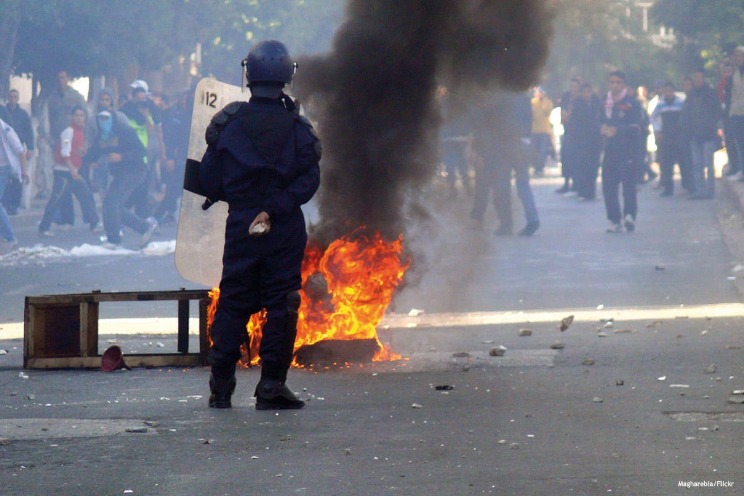
The historical relationship between Algeria and France is deeply rooted in centuries of colonial history, characterized by complex political, economic, and cultural ties. France colonized Algeria in 1830, establishing it as an integral part of the French Empire, which profoundly impacted Algerian society, economy, and identity. This colonial period was marked by significant exploitation, cultural suppression, and social inequalities, fostering resentment among Algerians. The struggle for independence culminated in the Algerian War of Independence, a brutal and multifaceted conflict that lasted from 1954 to 1962. It was driven by widespread nationalistic movements, demanding freedom from colonial rule and self-determination. The war involved guerrilla warfare, political upheaval, and severe repression, leaving lasting scars on both nations. The eventual signing of the Évian Accords led to Algerian independence, reshaping the geopolitical landscape and initiating a complex post-colonial relationship between the two countries. This history continues to influence diplomatic, social, and cultural relations, reflecting a shared yet contested past filled with aspirations for reconciliation and cooperation.
Post-Independence Diplomatic Relations
The historical context of Algeria-France relations is deeply rooted in the colonial period, when Algeria was considered an integral part of France from 1830 to 1962. This long-standing colonial rule was marked by economic exploitation, cultural assimilation, and social stratification, which fostered deep-seated tensions and resentment among Algerians. The struggle for independence culminated in a brutal war from 1954 to 1962, resulting in Algeria gaining sovereignty and ending French colonial rule. The post-independence period was characterized by efforts to redefine diplomatic relations amid lingering issues such as memory of the war, economic ties, and migration.
Following independence, diplomatic relations between Algeria and France were initially strained due to unresolved issues of the colonial past, including the legacy of violence, the recognition of historical responsibilities, and the status of the Algerian diaspora in France. However, over time, both countries recognized the importance of maintaining a pragmatic relationship, especially considering their economic, cultural, and geopolitical interests. Bilateral cooperation has grown in areas such as trade, security, and cultural exchanges, even as sensitive topics like the legacy of the war and human rights continue to influence their diplomatic interactions.
Throughout the post-independence era, France and Algeria have experienced periods of tension and rapprochement, reflecting changing political landscapes in both nations. Diplomatic relations have been shaped by efforts to address colonial grievances, facilitate migration management, combat terrorism, and foster economic partnerships. Despite their complex history, both countries recognize their intertwined destinies, leading to ongoing dialogues aimed at fostering mutual understanding and cooperation in various sectors.
Political Relations and Diplomatic Engagements
Algeria-France relations are complex and historically layered, shaped by a shared colonial past, independence struggles, and ongoing diplomatic interactions. These diplomatic engagements reflect both cooperation and tensions, influencing regional stability and international diplomacy. Understanding the dynamics of political relations between the two nations offers insight into their current interactions and future prospects.
Official Diplomatic Visits and Agreements
The diplomatic relations between Algeria and France have been historically complex, shaped by a shared history, colonial legacy, and ongoing cooperation. Official diplomatic engagements have played a crucial role in addressing issues stemming from their past interventions and fostering mutual interests. High-level official visits, including presidents and ministers, have served as opportunities to discuss bilateral cooperation, economic ties, security concerns, and cultural exchanges. These visits often culminate in agreements that enhance cooperation in sectors such as energy, education, defense, and migration management. Despite periods of tension, diplomatic efforts continue to strive for improved relations, emphasizing dialogue and partnership to address common challenges and promote regional stability.
Leadership Dialogues and Bilateral Summits
Algeria-France relations have historically been complex, rooted in a shared history marked by colonialism and resistance, yet characterized by ongoing diplomatic engagement aimed at fostering mutual understanding and cooperation. These political relations are influenced by a multitude of factors including economic interests, regional security concerns, and cultural ties. Diplomatic engagements often involve high-level meetings and dialogues to address issues such as migration, border security, and historical reconciliation, reflecting the importance both nations place on maintaining a constructive relationship.
Leadership dialogues between France and Algeria are key components of their diplomatic efforts, with leaders frequently engaging in bilateral talks to discuss strategic priorities and enhance cooperation. These exchanges often occur during bilateral summits or multilateral forums, where leaders review the progress of joint initiatives and outline future collaboration plans. Bilateral summits serve as platforms to reaffirm commitments, resolve disagreements, and deepen political trust, demonstrating the importance each country assigns to its relationship.
The evolving nature of Algeria-France relations underscores the significance of sustained diplomatic engagement to navigate the challenges and opportunities inherent in their historical ties. Regular high-level interactions help foster a dialogue-based approach to resolving contentious issues, promoting stability, and advancing shared interests in security, economic development, and cultural exchange. Overall, Leadership Dialogues and Bilateral Summits remain vital elements in strengthening the multifaceted relationship between Algeria and France.
Multilateral Cooperation and Regional Security Initiatives
Algeria-France relations are characterized by a complex history marked by both cooperation and tension, influenced by their colonial past and ongoing diplomatic engagements. The two countries have maintained diplomatic ties that facilitate dialogue on various issues including economic partnerships, migration, and cultural exchange. France remains a significant partner for Algeria economically and socially, while Algeria seeks to assert its sovereignty and regional influence.
Multilateral cooperation plays an essential role in their diplomatic efforts, with both nations participating actively in regional security initiatives and international organizations. They collaborate on issues such as counter-terrorism, stability in Africa, and addressing migration challenges, often working within frameworks like the African Union and the United Nations. These engagements aim to foster regional stability and promote shared development goals.
Regional security initiatives are pivotal in Algeria-France relations, especially considering the geopolitical significance of North Africa and the Sahel region. Both countries support efforts to combat extremism and drug trafficking, and they engage in joint operations and intelligence sharing to enhance security. Such cooperation underscores their recognition of the importance of regional stability for mutual interests and international peacekeeping efforts.
Economic and Trade Relations
The economic and trade relations between Algeria and France are an important aspect of their bilateral cooperation, shaped by historical ties, geographic proximity, and mutual interests. These interactions encompass a wide range of sectors including energy, agriculture, manufacturing, and services, fostering economic growth and development for both countries. The partnership continues to evolve, reflecting the dynamic nature of their diplomatic and economic engagements in a globalized world.
Trade Partnerships and Key Sectors
Algeria-France relations are characterized by deep historical ties and ongoing economic and trade collaborations. The two countries share a complex relationship rooted in historical connections, migration, and bilateral interests that influence their economic interactions today.
Trade partnerships between Algeria and France are vital to both nations, with France being one of Algeria’s major trading partners. The trade relationship encompasses various sectors, fostering mutual economic growth and facilitating cooperation in multiple industries.
Key sectors in the economic and trade relations include energy, manufacturing, agriculture, and services. France supplies Algeria with machinery, pharmaceuticals, and technology, while Algeria primarily exports hydrocarbons, mineral resources, and agricultural products to France.
- Energy Sector: Algeria’s oil and natural gas exports are crucial to France’s energy supply, and collaborations exist in renewable energy projects and technology transfer.
- Manufacturing and Industrial Goods: French companies are involved in manufacturing, construction, and infrastructure development within Algeria.
- Agriculture: The agricultural sectors benefit from trade in food products, fertilizers, and agricultural machinery.
- Services: Financial, banking, and telecommunications services form an increasingly important part of the bilateral economic relationship.
Foreign Direct Investment and Business Collaboration
Algeria and France maintain a complex and multifaceted relationship characterized by evolving economic and trade ties, significant foreign direct investment (FDI), and collaborative business endeavors. Historically rooted in colonial history, these relations have grown to encompass mutual economic interests that aim to boost bilateral trade, foster investment cooperation, and enhance economic development in both nations.
Trade relations between Algeria and France are substantial, with France being one of Algeria’s primary trading partners. Key sectors include energy, agriculture, transportation, and manufacturing, where France exports machinery, pharmaceuticals, and consumer goods to Algeria while importing hydrocarbons and other natural resources. This trade dynamic underscores a resilient economic connection despite political and social differences.
Foreign Direct Investment from France plays a vital role in Algeria’s economy, particularly in sectors such as energy, infrastructure, and tourism. French companies have invested in oil and gas exploration, renewable energy projects, and industrial development, contributing to economic diversification and job creation within Algeria. Conversely, Algerian firms seek to expand their presence in France and other European markets through strategic partnerships and investments.
Business collaboration between the two countries is further reinforced through joint ventures, bilateral agreements, and institutional cooperation, promoting knowledge exchange and innovation. These efforts aim to strengthen ties, facilitate investment flows, and support sustainable economic growth, ultimately fostering a mutually beneficial economic relationship rooted in shared interests and historical ties.
Economic Challenges and Opportunities
Algeria and France share a complex and historically intertwined relationship that significantly impacts their economic and trade interactions. These relations are characterized by a deep-rooted cultural connection, but also by periods of political tension that influence economic cooperation. Both countries benefit from extensive trade in energy, technology, and consumer goods, with France being one of Algeria’s primary trading partners. However, economic challenges such as fluctuating oil prices, diversification needs, and political differences present hurdles to strengthening economic ties.
Despite these challenges, there are considerable opportunities for growth and collaboration. Algeria’s ongoing economic reforms aim to diversify its economy beyond hydrocarbons, creating new markets for French investment in sectors like renewable energy, infrastructure, and technology. Conversely, France has a strategic interest in maintaining and enhancing its influence in North Africa through trade and economic partnerships, which can lead to increased investment and shared technological advancements. Strengthening economic relations amidst these opportunities requires addressing mutual sensitivities and fostering a spirit of cooperation that benefits both nations in a rapidly changing global economy.
Cultural and Social Exchanges
Cultural and social exchanges play a vital role in shaping the relationship between Algeria and France. These interactions encompass a wide range of activities, including shared traditions, educational partnerships, and artistic collaborations, which foster mutual understanding and strengthen diplomatic ties. Examining the history and contemporary nuances of these exchanges offers insight into the complex relationship between the two nations.
Educational and Academic Collaborations
Algeria and France have a long history of cultural and social exchanges, which continue to shape their bilateral relations. These interactions foster mutual understanding and contribute to broader diplomatic and economic ties. Educational and academic collaborations play a vital role in strengthening their connection, allowing for the sharing of knowledge, research, and cultural values. Such partnerships are instrumental in bridging differences and building lasting bonds between the peoples of both nations.
- Student exchange programs that enable Algerian students to study in France and vice versa, promoting cultural exchange and language proficiency.
- Joint research projects between universities and research institutions to advance knowledge in fields such as science, technology, and humanities.
- Collaborative cultural initiatives, including art exhibitions, language courses, and historical commemorations, to deepen mutual understanding.
- Academic conferences and seminars that facilitate dialogue on shared historical, social, and geopolitical issues.
- Partnerships aimed at preserving and promoting shared heritage, such as literary works, music, and traditional crafts.
Migration and Diaspora Communities
The relationship between Algeria and France has been significantly shaped by cultural and social exchanges, migration, and diaspora communities. Historically, the migration of Algerians to France, especially during the colonial period and after independence, has fostered deep-rooted Algerian communities within France, influencing social dynamics and cultural landscapes. These diaspora communities serve as bridges, facilitating the exchange of traditions, languages, and customs, which in turn enrich both societies. Cultural festivals, culinary traditions, and artistic collaborations between the two countries highlight the enduring bonds forged through migration and shared history. Despite complex political relations, the ongoing social interactions continue to play a vital role in shaping mutual understanding and cooperation, emphasizing the importance of diaspora networks in maintaining cultural links between Algeria and France.
Shared Cultural Heritage and Initiatives
Algeria-France relations are deeply rooted in a shared cultural heritage that reflects centuries of historical interaction. These exchanges have fostered a rich tapestry of art, literature, music, and educational collaborations that continue to strengthen the bonds between the two nations. Cultural festivals, language programs, and academic partnerships serve as platforms for fostering understanding and appreciation of each other’s traditions and histories. Additionally, joint initiatives aimed at preserving cultural monuments and promoting intercultural dialogue play a vital role in deepening mutual respect and cooperation. Despite historical complexities, these ongoing cultural and social exchanges exemplify the enduring connection forged through shared heritage and collaborative efforts.
Contemporary Issues and Challenges
The relationship between Algeria and France is shaped by a complex history of colonization, independence, and ongoing diplomatic and cultural exchanges. Contemporary issues in this partnership include addressing historical grievances, managing economic ties, and navigating political differences. These challenges influence the dynamic between the two nations and reflect broader themes of postcolonial relations and reconciliation in the modern era.
Border Security and Migration Management
Algeria-France relations are influenced by historical, political, and social issues that continue to shape their interaction, particularly concerning border security and migration management. These challenges are complex, stemming from a shared history marked by colonization, independence struggles, and subsequent diplomatic shifts. Both countries face contemporary issues related to irregular migration, border control, and ensuring security without compromising human rights.
- The persistent migration flow from Algeria to France presents significant management challenges, requiring coordinated efforts to address illegal crossings while protecting migrants’ rights.
- Border security concerns are heightened by smuggling, human trafficking, and extremist threats, prompting France and Algeria to collaborate on intelligence sharing and counter-terrorism initiatives.
- Political tensions sometimes hinder effective cooperation, impacting joint efforts to manage migration and secure borders amid evolving regional security threats.
- Legal frameworks and policies are continuously adapting to respond to new migration patterns and security challenges, demanding ongoing dialogue and diplomatic engagement.
- Addressing root causes of migration, such as economic instability and political unrest in Algeria, remains crucial for sustainable border and migration management.
Counterterrorism Cooperation
Contemporary issues and challenges in Algeria-France relations are significantly influenced by historical tensions, differing national interests, and regional security concerns. Counterterrorism cooperation has become a crucial aspect of their bilateral relationship, especially given the threat posed by extremist groups in the Sahel and North Africa. Both countries recognize the importance of sharing intelligence, coordinating military efforts, and collaborating on border security to combat terrorism effectively. However, challenges such as mutual trust, political sensitivities, and differing approaches to security policies often complicate cooperation. Despite these hurdles, ongoing dialogue and partnership aim to strengthen their joint efforts in maintaining stability and addressing the root causes of terrorism in the region.
Environmental and Energy Collaboration
The relationship between Algeria and France is shaped by numerous contemporary issues and challenges, particularly in the context of environmental and energy collaboration. Historically intertwined, these nations face the complexity of reconciling their past with current economic and ecological priorities. Environmental concerns such as climate change, pollution, and biodiversity loss demand joint strategies to promote sustainable development and mitigate adverse effects. Energy collaboration is also a critical aspect, given Algeria’s vast hydrocarbon resources and France’s pursuit of renewable energy sources. Balancing economic interests with environmental responsibilities requires transparent dialogue and innovative cooperation to ensure a sustainable future for both countries and their regions.
Future Prospects for Algeria-France Relations
The future prospects for Algeria-France relations hold significant potential for enhancing bilateral cooperation across various sectors. As historical ties evolve, both countries are increasingly exploring avenues for economic partnership, cultural exchanges, and diplomatic collaboration. The dynamic geopolitical landscape and shared interests suggest that, with constructive dialogue and mutual understanding, their relationship can foster stability and growth in the region.
Potential Areas for Strengthened Partnership
Future prospects for Algeria-France relations hold significant potential for further strengthening, driven by shared interests and mutual benefits. As both countries navigate an evolving geopolitical landscape, there are numerous opportunities to deepen ties in various sectors, fostering a more robust partnership.
One key area for collaboration is economic and trade development. Algeria’s growing energy sector, including oil and natural gas, offers pathways for France to invest and collaborate on renewable energy projects and infrastructure development. Enhanced trade relations, particularly in technology, agriculture, and construction, could also contribute to economic growth in both nations.
Another promising domain is education and cultural exchange. Expanding academic cooperation, student exchanges, and language programs can promote mutual understanding and strengthen people-to-people ties. Cultural initiatives such as joint exhibitions, historical commemorations, and cultural festivals could also foster a deeper appreciation of shared history and identity.
Security and counter-terrorism cooperation remain critical areas where Algeria and France can coordinate efforts, sharing intelligence and best practices to address regional and international threats. Strengthening diplomatic dialogues will facilitate more effective collaboration on immigration, border security, and regional stability issues.
Furthermore, environmental sustainability and climate change initiatives present a growing frontier for partnership. Collaborative projects aimed at combating desertification, managing water resources, and developing sustainable agriculture can address environmental challenges faced by both nations.
Overall, the future of Algeria-France relations depends on fostering mutual respect, dialogue, and cooperation across these key areas, paving the way for a strategic partnership that benefits both countries and contributes to regional stability and development.
Challenges to Overcome
Future prospects for Algeria-France relations hold the potential for strengthening through diplomatic engagement, economic cooperation, and cultural exchanges. Both countries, sharing historical ties and regional interests, can work towards revitalizing their partnership to address common challenges such as security, migration, and economic development. Enhancing dialogue and mutual understanding will be crucial in fostering a stable and mutually beneficial relationship.
However, several challenges must be overcome to realize this potential. Historical grievances related to colonialism and the Algerian War continue to influence perceptions and diplomatic interactions. Issues surrounding memory, compensation, and recognition remain sensitive topics that require careful navigation. Additionally, political differences and differing priorities in regional and international matters can pose obstacles to cooperation. Socioeconomic disparities and migration-related concerns also demand comprehensive solutions to prevent tensions and promote integration. Addressing these challenges with transparency and commitment will be essential for building a sustainable and constructive partnership between Algeria and France.
Strategic Vision and Policy Goals
The future prospects for Algeria-France relations hinge on the development of a strategic partnership grounded in mutual interests, historical reconciliation, and economic collaboration. Both nations are poised to strengthen their diplomatic ties by addressing past grievances and fostering a more balanced bilateral relationship. A shared vision emphasizing cooperation in areas such as energy, security, education, and cultural exchange is likely to enhance stability and prosperity in the region.
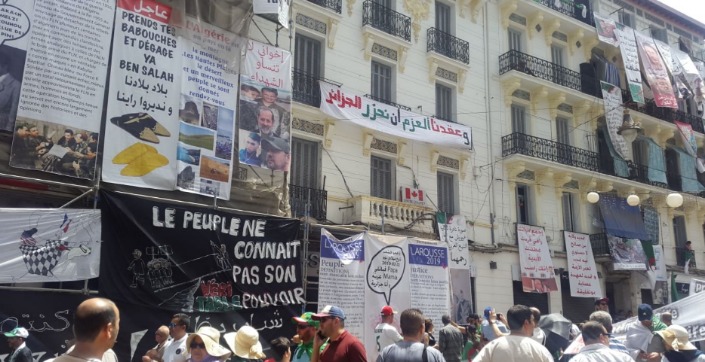
Strategic vision for Algeria-France relations involves promoting regional security, counter-terrorism efforts, and migration management through joint initiatives. Policy goals are centered on deepening economic ties, encouraging investment, and enhancing educational and cultural linkages to build mutual understanding. France aims to support Algeria’s sustainable development while respecting its sovereignty, and Algeria seeks to engage with France as a key partner in fostering national growth.
Moving forward, dialogue and collaboration will play vital roles in addressing sensitive issues and expanding cooperation in emerging sectors. A shared commitment to resolving historical tensions and aligning interests will be crucial for establishing a resilient and mutually beneficial relationship that adapts to the evolving geopolitical landscape.




0 Comments