
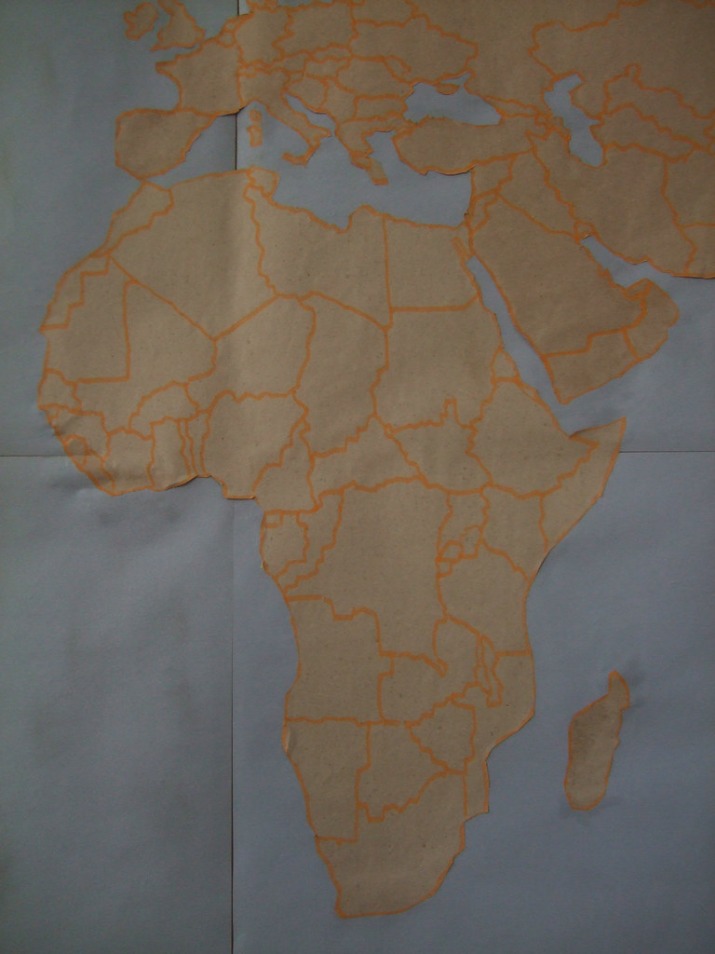
Geographical Overview of Algeria
Algeria, situated in the northern part of Africa, is the continent’s largest country, covering an extensive area that spans diverse landscapes. It shares borders with Tunisia, Libya, Niger, Mali, Mauritania, Western Sahara, and Morocco, featuring a varied geography that includes the vast Sahara Desert, rugged mountains, and fertile coastlines. This strategic location and diverse terrain make Algeria a significant country on the Africa map, highlighting its importance both regionally and internationally.
Location and Coordinates
Algeria is a prominent country located in North Africa, occupying a significant portion of the northern part of the continent. It is bordered by the Mediterranean Sea to the north, Morocco to the west, Tunisia and Libya to the northeast, Niger and Mali to the southeast, Mauritania and Western Sahara to the southwest, and by Niger and Mali in the southeastern region. The country serves as the largest nation in Africa by land area, offering a diverse geographical landscape that includes mountains, plains, and desert regions.
- Location: Northern Africa, along the Mediterranean coast
- Coordinates: Approximately 28°45′ N latitude and 3°00′ E longitude
- Land Area: about 2.38 million square kilometers
Bordering Countries
Algeria is a vast country located in the northern part of Africa, characterized by diverse geographical features including mountains, plains, and a long Mediterranean coastline. It is the largest country in Africa by land area, offering a variety of climatic zones and natural landscapes. The country’s location makes it a key geographical and strategic hub in the region.
Algeria shares borders with several countries, making its geographical positioning significant in North Africa. To the northeast, it borders Tunisia, while to the east, it shares a border with Libya. To the southeast, Algeria borders Niger, and to the southwest, it shares a border with Mali. To the west, it borders Mauritania and Western Sahara, and to the northwest, it borders Morocco. The northern coast of Algeria runs along the Mediterranean Sea, providing access to maritime trade routes.
Key Geographic Features
Algeria, located in North Africa, is the largest country on the continent, featuring a diverse and expansive geography. It is bordered by the Mediterranean Sea to the north, Tunisia and Libya to the northeast, Niger and Mali to the southeast, Mauritania and Western Sahara to the southwest, and Morocco to the west. The country encompasses a variety of landscapes, including vast deserts, mountain ranges, and fertile plains.
One of the most prominent geographic features of Algeria is the Sahara Desert, which covers more than four-fifths of its territory, characterized by extensive sand dunes, oases, and rocky plateaus. To the north, the Tell Atlas mountain range runs parallel to the Mediterranean coast, forming a fertile coastal plain known as the Tell region, featuring forests, agricultural lands, and urban centers. The Saharan Atlas and the Hoggar Mountains, including Mount Tahat, are significant mountain ranges located further south, offering rugged terrain and unique geological formations.
Major rivers such as the Chelif River and the Medjerda originate from the Tell Atlas and flow towards the Mediterranean, supporting agriculture and settlements. The country’s key geographic features reflect a transition from the lush, Mediterranean-influenced north to the arid, desert landscapes in the south, making Algeria a country of striking contrasts on the African map.
Topography and Landscape
Algeria, situated in the northern part of Africa, features a diverse and intricate topography that shapes its landscape. From vast deserts and mountain ranges to fertile plains and coastal regions, the country’s varied terrain plays a crucial role in its climate, culture, and habitation patterns. Exploring Algeria’s topographical features offers a glimpse into the natural beauty and geographical complexity of this expansive nation on the African map.
Mountain Ranges
Algeria, located in North Africa, features a diverse topography and landscape that significantly influence its climate and the natural environment. The country is characterized by vast desert regions, particularly the Sahara Desert in the south, alongside fertile coastal plains and mountainous areas in the north. The terrain varies from arid deserts to lush forests and mountain ranges, shaping the patterns of settlement and agriculture.
One of the most prominent features in Algeria’s topography is the Atlas Mountain Range, which stretches across the northern part of the country. This extensive range includes several subranges such as the Tell Atlas, the Saharan Atlas, and the Kabylie Mountains. These mountains act as a natural barrier, affecting weather patterns and providing habitats for diverse flora and fauna.
The Tell Atlas runs parallel to the Mediterranean coast, forming a fertile zone that supports agriculture and dense populations. The Saharan Atlas extends further south, with rugged peaks and deep valleys, contributing to the transition between the coastal plains and the expansive Sahara Desert. The Kabylie Mountains in the east are known for their forested slopes and picturesque valleys, supporting local communities and traditional lifestyles.
Overall, the topography and landscape of Algeria, with its dramatic mountain ranges and contrasting terrains, play a crucial role in shaping the country’s physical geography and human activity across the region marked on the Africa map.
Desert Regions
Algeria, situated in the northern part of Africa, features a diverse topography and landscape that vary significantly across its vast territory. The country is predominantly characterized by expansive desert regions, especially the Sahara Desert, which covers nearly 80% of Algeria’s land area. These desert areas are marked by vast sand dunes, rocky plateaus, and barren plains, creating a stark and arid environment. In contrast, the northern regions of Algeria feature the Tell Atlas mountain range, which includes lush valleys, fertile plains, and coastal landscapes along the Mediterranean Sea. The contrasting topography of mountains, plains, and deserts shapes Algeria’s climate, biodiversity, and human settlement patterns, making it a country of remarkable geographical diversity on the Africa map.
Coastal Plains
Algeria’s topography and landscape are diverse, featuring a mix of mountain ranges, plains, and coastal areas that shape the country’s geography on the Africa map. The northern region is characterized by the Tell Atlas mountain range and extensive coastal plains along the Mediterranean Sea, providing fertile lands and vibrant port cities.
- Coastal Plains: These are flat, fertile areas situated along Algeria’s northern coastline. They support agriculture and are densely populated, hosting major cities like Algiers, Oran, and Annaba. The plains benefit from a Mediterranean climate with mild, wet winters and hot, dry summers.
- Mountain Ranges: The Atlas Mountains run parallel to the coast, rising sharply and creating a natural barrier. They are vital for tourism, agriculture, and biodiversity, with notable peaks such as Mount Lalla Khedidja.
- Interior Deserts and Plateaus: Southward, the landscape transitions into vast desert regions of the Sahara, featuring rocky plateaus, dunes, and oases. These areas are sparsely populated and play a crucial role in Algeria’s climate and ecology.
Climate and Weather Patterns
Algeria, located in North Africa, exhibits diverse climate and weather patterns influenced by its vast size and varied geography. From the scorching desert heat of the Sahara to the milder Mediterranean climate along the coast, the country experiences a wide range of environmental conditions. Understanding these climate patterns is essential for recognizing how they shape the landscape, agriculture, and everyday life across Algeria.
Mediterranean Climate
Algeria, located in North Africa, experiences a diverse range of climate and weather patterns due to its vast size and varied terrain. The Mediterranean climate dominates the northern coastal regions, which have mild, wet winters and hot, dry summers. In contrast, the interior and southern parts of the country feature more arid and semi-arid conditions, characteristic of desert climates.
- The northern coast benefits from Mediterranean influences, bringing moisture from the sea and supporting lush vegetation and agriculture.
- The Tell Atlas mountains intercept moist air from the Mediterranean, leading to higher precipitation in the northern regions.
- The Saharan region in the south experiences extreme heat during summer, with temperatures often exceeding 40°C, and very little rainfall throughout the year.
- Winters in the north are relatively mild, with average temperatures around 10°C to 15°C, while frost can occur in higher elevations.
This combination of climates creates diverse weather patterns across Algeria, supporting different ecosystems and influencing human activities, from agriculture in the north to nomadic pastoralism in the desert interior.
Desert Climate Characteristics
Algeria, located on the northern coast of Africa, experiences predominantly desert climate patterns characterized by extreme heat and low precipitation. The vast Sahara Desert covers a significant portion of the country, influencing its weather patterns significantly. Summers are intensely hot, with daytime temperatures often exceeding 40°C (104°F), while winters tend to be mild and dry, with temperatures rarely dropping below freezing in the desert regions. Rainfall is sparse and irregular, primarily occurring during the winter months in some northern areas, but virtually absent in the central and southern desert zones. These climate characteristics result in arid landscapes, sparse vegetation, and unique adaptations by flora and fauna suited to harsh desert conditions.
Regional Climate Variations
Algeria, located in North Africa, exhibits diverse climate and weather patterns influenced by its vast size and varied landscape. The country’s proximity to the Mediterranean Sea contributes to a Mediterranean climate along its northern coast, characterized by mild, wet winters and hot, dry summers. Moving inland and towards the Sahara Desert, climate conditions shift dramatically to arid and desert-like, with extreme temperatures and minimal rainfall. These regional climate variations significantly impact agriculture, water resources, and daily life across the country.
- The northern coastal region experiences moderate temperatures and receive higher rainfall, supporting lush vegetation and agriculture.
- The interior highlands have a more continental climate with greater temperature variations between seasons.
- The southern Sahara region is hyper-arid with vast sand dunes, minimal rainfall, and extreme heat during the day and cooler temperatures at night.
- Regional climate differences in Algeria influence the distribution of flora and fauna across the country.
- Weather patterns such as mediterranean cyclones affect rainfall and temperature variations seasonally.
- Desertification and drought are growing concerns in the southern regions due to climate change and shifting weather patterns.
Major Cities and Urban Centers
Algeria, the largest country in Africa, is home to several major cities and vibrant urban centers that play a crucial role in its cultural, economic, and infrastructural development. These cities are hubs of activity, offering diverse opportunities and showcasing the rich history and modern growth of the nation. Exploring these urban areas provides a glimpse into Algeria’s dynamic society and its strategic position on the African map.
Algiers: The Capital
Algiers, the capital city of Algeria, is a major urban center and the political, economic, and cultural heart of the country. Situated along the Mediterranean coastline, it boasts a strategic location that has historically contributed to its significance within the region. The city features a mix of modern architecture and historic sites, such as the Casbah, which is a UNESCO World Heritage site. Algiers serves as the primary hub for administrative activities, commerce, and education in Algeria, attracting a diverse population from across the nation. Its vibrant port and extensive infrastructure make it a vital gateway for trade and communication on the continent of Africa. As the capital, Algiers embodies the fusion of Algeria’s rich history and its aspirations for future development, playing a central role in shaping the nation’s identity and progress on the map of Africa.
Oran and Other Important Cities
Algeria, a vast country in Africa, is characterized by several major cities and urban centers that serve as cultural, economic, and administrative hubs. Among these, Oran stands out as a key port city situated along the Mediterranean coast. It is renowned for its vibrant music scene, historical architecture, and diverse cultural influences. Other important cities include Algiers, the capital, known for its Ottoman, French colonial, and modern architecture; Constantine, famous for its dramatic canyon settings and ancient bridges; and Annaba, a major industrial and port city. These urban centers contribute significantly to Algeria’s identity and development, reflecting the country’s rich history and expanding modern economy within the African continent.
Population Distribution
Algeria, located in North Africa, features a diverse array of major cities and urban centers that play a vital role in the country’s economic and cultural landscape. The population distribution across these urban areas highlights the concentration of people in specific regions, particularly along the coast and in major metropolitan zones.
- Algiers: As the capital and largest city, Algiers is the political, economic, and administrative hub, home to a significant portion of the nation’s population.
- Constantine: An important cultural and educational center, Constantine is located in the northeastern part of the country.
- Annaba: Another key port city, Annaba serves as an economic hub with a focus on industry and commerce.
- Sétif and Batna: These cities in the inland plateau region host sizable populations involved in agriculture and industry.
The population distribution in Algeria is heavily skewed towards coastal cities, especially along the Mediterranean coast, where urbanization is most advanced. The interior and desert regions tend to have lower population densities, with many areas sparsely populated due to harsh environmental conditions. This uneven distribution influences infrastructure development, economic activities, and regional planning across the country, shaping Algeria’s demographic landscape on the African map.
Natural Resources and Economy
Algeria, located on the northern tip of Africa, boasts a wealth of natural resources that significantly influence its economy. As one of the continent’s leading producers of oil and natural gas, it relies heavily on these resources for national revenue and development. The country’s rich deposits of minerals, including iron ore and phosphates, further contribute to its economic landscape, shaping policies and growth prospects across the region.
Oil and Gas Reserves
Algeria, situated in the northern part of Africa, is endowed with significant natural resources, particularly in the oil and gas sectors. These resources play a crucial role in shaping the country’s economy, making it one of the prominent energy producers on the continent. Algeria’s oil reserves are among the largest in Africa, with substantial proven reserves that support its oil industry and exports. Similarly, the country holds vast natural gas reserves, positioning it as a key supplier to Europe and other regions. The revenue generated from the extraction and export of these resources forms the backbone of Algeria’s economy, contributing significantly to national income, government revenue, and foreign exchange earnings. The exploitation of these natural resources has spurred infrastructure development and economic growth, although it also presents challenges related to diversification and sustainable management. Overall, Algeria’s rich oil and gas reserves deeply influence its economic landscape and its strategic importance within the African continent and globally.
Mineral Resources
Algeria, located in the northern part of Africa, is heavily reliant on its natural resources to fuel its economy. The country boasts vast mineral resources, including significant deposits of oil and natural gas, which are the backbone of its economic stability and development. These energy resources account for a substantial portion of Algeria’s revenue, making it one of the leading producers in Africa. Besides hydrocarbons, Algeria possesses mineral resources such as iron ore, phosphate, uranium, and gold, which have the potential to diversify its economy. The effective extraction and processing of these resources are crucial for Algeria’s growth, providing employment opportunities and contributing to infrastructure development. Consequently, natural resources play a vital role in shaping Algeria’s economic landscape on the African map, highlighting the importance of sustainable resource management for future prosperity.
Agricultural Products
Algeria, located on the northern coast of Africa, is rich in natural resources that significantly influence its economy and agricultural productivity. The country’s diverse landscape provides a variety of agricultural products and mineral resources that play a vital role in its development.
- Mineral Resources: Algeria’s economy benefits greatly from the extraction of oil and natural gas, which are the main contributors to national revenue and exports.
- Oil and Gas Industry: As one of the largest producers in Africa, Algeria relies heavily on hydrocarbons, making energy sector development crucial for economic stability.
- Agricultural Products: The country produces wheat, barley, olives, dates, citrus fruits, and grapes, supporting both local consumption and export markets.
- Natural Resources Beyond Hydrocarbons: Algeria also has deposits of iron ore, phosphates, uranium, and lead, which are important for its industrial sector.
- Challenges: Despite the abundance of resources, Algeria faces issues like desertification, which impacts agriculture, and fluctuating global oil prices affecting economic growth.
Overall, Algeria’s natural resources form the backbone of its economy, with agriculture providing essential food security and diversification opportunities, especially as the country seeks to reduce dependence on hydrocarbon exports.
Environmental and Conservation Issues
Algeria, a vast country located in North Africa, plays a crucial role in the continent’s environmental and conservation landscape. With its diverse ecosystems ranging from the Sahara Desert to the Mediterranean coastline, Algeria faces numerous challenges related to environmental sustainability. Addressing issues such as desertification, water scarcity, and habitat preservation is essential for maintaining the country’s natural resources and ecological balance. Understanding these concerns is vital for promoting effective conservation efforts across the region.
Desertification Challenges
Algeria, located in North Africa, faces significant environmental and conservation challenges, particularly desertification. As a vast part of the Sahara Desert extends into Algeria, the region is increasingly affected by the expansion of desert lands, which threatens both natural ecosystems and human activities. Desertification results from prolonged drought, deforestation, inappropriate agricultural practices, and climate change, leading to loss of arable land and biodiversity.
The encroachment of desert areas impacts local communities by reducing agricultural productivity, causing water scarcity, and displacing populations. Efforts to combat desertification in Algeria include implementing sustainable land management practices, afforestation projects, and water conservation strategies. International cooperation and government initiatives aim to restore degraded lands, preserve biodiversity, and promote sustainable development to address these pressing issues.
Biodiversity and Protected Areas
Algeria, located in the northern region of Africa, faces significant environmental and conservation challenges that impact its rich biodiversity. The country’s diverse landscapes, including the Sahara Desert, the Atlas Mountains, and Mediterranean coastline, host a variety of unique flora and fauna. However, habitat destruction, desertification, pollution, and illegal poaching threaten many species and ecosystems. Protecting these natural assets is crucial for maintaining ecological balance and ensuring sustainable development.
Algeria has established several protected areas and national parks to conserve its biodiversity. Notable among these are the Ahaggar Mountains, Tassili n’Ajjer National Park, and the M’Zab Valley, which are recognized for their cultural and environmental significance. These protected zones aim to preserve endemic species and fragile environments from human encroachment and climate change impacts. Continued efforts are needed to expand conservation initiatives, enforce environmental laws, and promote awareness to safeguard Algeria’s unique natural heritage for future generations.
Water Scarcity Concerns
Water scarcity is a significant environmental and conservation issue facing Algeria, a country located on the map of Africa with vast desert regions. The arid climate, coupled with limited freshwater resources and high demand from growing populations and industries, exacerbates the challenge of sustainable water management. In many areas of Algeria, access to clean and sufficient water is becoming increasingly difficult, impacting agriculture, health, and daily life.
Conservation efforts in Algeria focus on optimizing water use, reducing wastage, and developing alternative sources such as desalination. The government and environmental organizations are promoting awareness campaigns about water conservation practices and investing in infrastructure to improve water supply networks. Addressing water scarcity in Algeria requires integrated strategies that balance economic development with environmental preservation, ensuring future generations have reliable access to water resources.
Cultural and Historical Aspects
Understanding the cultural and historical aspects of Algeria provides valuable insight into its rich identity within the African continent. As a nation with a diverse heritage influenced by indigenous Berber traditions, Arab-Islamic culture, and French colonial history, Algeria’s identity is reflected in its language, customs, and historical landmarks. Exploring these elements helps to appreciate the nation’s unique place on the map of Africa and the interplay of various cultural forces that have shaped its development over centuries.
Historical Landmarks
Algeria, situated in the northern part of Africa, is a country rich in cultural and historical significance. It boasts a diverse heritage influenced by various civilizations, including the Phoenicians, Romans, Byzantines, and Arabs. This blend of cultures is evident in its traditional music, cuisine, and festivals that celebrate its Arab, Berber, and French colonial roots.
Historically, Algeria has been the site of numerous important events and developments. The country’s struggle for independence from France is a key chapter in its history, marked by the Algerian War of Independence, which lasted from 1954 to 1962. This period is commemorated through various monuments and memorials across the nation.
Algeria is home to several remarkable historical landmarks that attract visitors and scholars alike. The ancient Roman city of Timgad, a UNESCO World Heritage site, features remarkably preserved ruins including a triumphal arch, basilica, and theater, illustrating the country’s Roman past. The kasbah of Algiers, a historic medina and fortress area, offers a glimpse into traditional Islamic architecture and urban planning. The Tassili n’Ajjer National Park, with its extraordinary prehistoric rock art, showcases thousands of years of human history and natural beauty. These landmarks highlight Algeria’s deep historical roots and cultural diversity on the African map.
Ethnic and Cultural Diversity
Algeria, located in the northern part of Africa, boasts a rich tapestry of cultural and historical significance that reflects its diverse ethnic landscape. The country is home to a mix of Arab and Berber populations, each contributing their unique traditions, languages, and customs to the national identity. Throughout history, Algeria has been a crossroads of various civilizations, including Phoenicians, Romans, Arabs, Ottoman Turks, and French colonizers, leaving a layered cultural heritage evident in its architecture, cuisine, and social practices.
Ethnic and cultural diversity in Algeria is also marked by numerous indigenous Berber tribes, such as the Kabyle, Chaoui, and Tuareg, each preserving their own dialects, dress codes, and rituals. Arabic and Tamazight are officially recognized languages, reflecting the country’s commitment to cultural diversity. Traditional music, dance, and festivals from various communities continue to thrive, showcasing the country’s vibrant and multifaceted identity. This diversity not only enriches Algeria’s cultural landscape but also plays a vital role in shaping its national consciousness on the African map.
Language and Traditions
Algeria, located in the northern part of Africa, boasts a rich cultural and historical heritage shaped by centuries of diverse influences. Its history includes the ancient Berber civilizations, the Arab conquests, Ottoman rule, and French colonization, all contributing to a unique blend of traditions and historical narratives. The country’s cultural identity is deeply rooted in Arab and Berber languages, with Arabic and Berber being official languages alongside French, which remains widely used in education and commerce. Algerian traditions reflect a fusion of indigenous practices and external influences, evident in music, dance, festivals, and culinary arts. Celebrations such as Independence Day and religious festivities like Ramadan highlight the importance of community and cultural pride, preserving Algeria’s historical legacy and promoting unity among its people. Language and traditions in Algeria serve as a vital link to its past, fostering a sense of identity amidst the dynamic societal landscape.



0 Comments