
Historical Overview of Algeria’s Olympic Participation
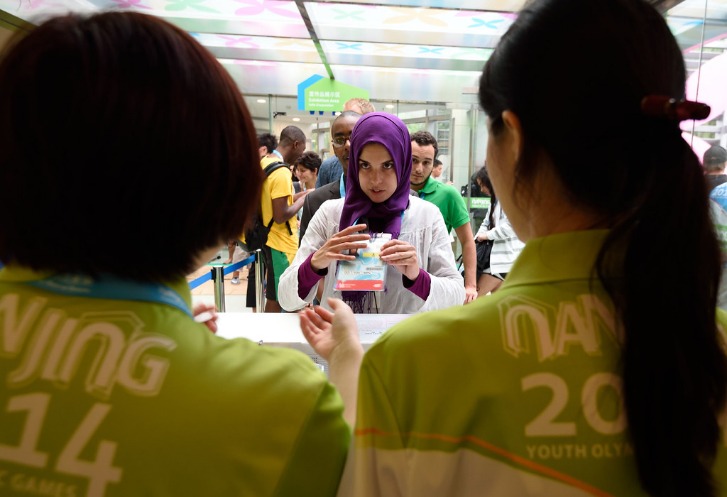
Algeria’s journey in the Olympic movement dates back to the early 1960s, shortly after gaining independence. The nation made its debut at the 1964 Tokyo Olympics, signaling its emerging presence on the global sporting stage. Over the decades, Algeria has developed a proud Olympic tradition, excelling in various sports such as athletics, boxing, and football, and earning a reputation for producing talented athletes who have achieved international acclaim. This historical overview highlights Algeria’s significant milestones and contributions to the Olympic Games over the years.
First Olympic Appearance
Algeria made its first appearance in the Olympic Games in 1964, participating in the Tokyo Summer Olympics shortly after gaining independence from France in 1962. This marked the nation’s debut on the international sporting stage as an independent country. Over the years, Algeria has gradually developed its Olympic program, striving for excellence across various sports including athletics, boxing, wrestling, and more. The country’s participation has been characterized by its dedication to showcasing its athletic talent and achieving success in international competitions. Since its inaugural appearance, Algeria has consistently sent athletes to both the Summer and Winter Olympics, earning numerous medals and representing the nation’s growing prowess in sports.”
Development of the Olympic Program Over the Years
Algeria’s participation in the Olympic Games began in 1964, shortly after gaining independence from France. Since then, the nation has steadily established itself as a competitive presence on the international stage, particularly excelling in athletics and boxing. Over the years, Algeria has sent athletes to nearly every Summer Olympics, achieving notable successes, including multiple gold medals. The development of the Olympic program in Algeria has evolved from modest beginnings to a structured national effort, involving increased investment in athlete training, qualification processes, and national sports infrastructure.
Throughout the years, the Algerian Olympic Committee has worked to promote sports among its population, emphasizing disciplines where the nation has shown strength. The country’s Olympic journey has been marked by resilience and growth, culminating in enhanced participation and performance at international competitions. The development of the Olympic program continues to adapt, with ongoing efforts to improve athlete development, grassroots participation, and international collaboration, ensuring Algeria remains a prominent contender in the Olympic movement.
Algeria’s Performance in Olympic Games
Algeria has a proud history of participating in the Olympic Games, showcasing its athletes’ talent and determination on the international stage. Over the years, the country has achieved notable success, particularly in sports such as athletics, boxing, and wrestling. With a growing presence and commitment to athletic excellence, Algeria continues to strive for greater achievements in upcoming Olympic competitions. This journey reflects the nation’s dedication to sports development and its desire to make a significant mark at the Olympics.
Medal Tally and Medalists
Algeria has a notable history in the Olympic Games, showcasing its prowess mainly in athletics and wrestling. Over the years, the nation has participated in numerous Summer Olympic Games, earning recognition for its talented athletes and resilient performances.
Algeria’s medal tally reflects its achievements on the international stage, with a total of more than 30 medals won since its first participation in 1964. The medals include gold, silver, and bronze, primarily in Athletics and Boxing, highlighting the country’s strengths in these areas.
Some of the most distinguished Algerian Olympic medalists include:
- Mourad Ghazlani – Gold in Athletics
- Louais Kouni – Silver in Boxing
- Taoufik Makhloufi – Gold in Athletics (1500m in 2012)
- Ali Saidi – Bronze in Wrestling
Notable Sports and Disciplines
Algeria has made a significant impact in the Olympic Games, showcasing its athletic talent across various sports and disciplines. Since its debut in 1964, the country has participated in numerous Summer Olympics, consistently aiming to improve its performance and medal tally.
Algeria’s most notable achievements have come in athletics, particularly in middle and long-distance running, with athletes earning medals in events such as the 1500 meters and marathon. The country has also shown strength in boxing, wrestling, and football, with historical successes contributing to national pride.
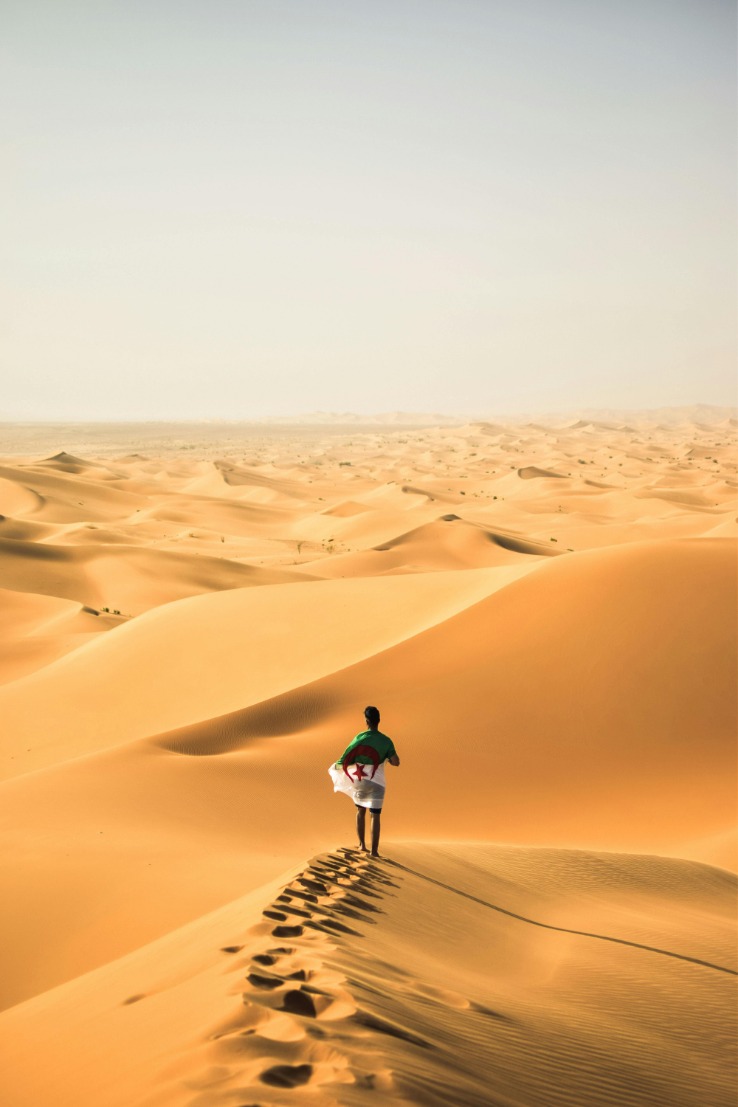
In recent years, Algerian athletes have continued to excel in sports like judo, weightlifting, and handball, demonstrating a diverse sporting culture. The country’s Olympic performance is marked by a passionate sporting community and ongoing efforts to develop sports infrastructure and athlete training programs, aiming for greater success in future Games.
Performance Trends Over Different Olympiads
Algeria has demonstrated a consistent presence and notable achievements in the Olympic Games over the years. The country first participated in the Olympics in 1964 and has since been committed to showcasing its athletic talent on the global stage. Algeria’s performance has seen significant moments, particularly in athletics, boxing, and weightlifting, leading to multiple medals across different Olympiads.
Over the years, Algeria’s Olympic performance has exhibited both growth and fluctuations. The 2008 Beijing Olympics marked a peak with Algeria winning its first gold medal in athletics through Taoufik Makhloufi. The subsequent Olympiads saw Algeria secure a handful of medals, reflecting a trend of concentrated success in specific sports. However, overall medal counts have varied, with some editions like London 2012 and Rio 2016 producing limited medals compared to earlier successes.
Despite these variations, Algeria’s athletes have consistently demonstrated resilience and dedication, often exceeding expectations in competitive events. The country’s Olympic journey indicates a focus on developing sports that align with its strengths, particularly middle-distance running and combat sports. The overall trend reveals a nation gradually strengthening its Olympic program, aspiring for higher medal counts and broader international recognition in future Olympiads.
Athletes and Key Personalities
Algeria has a rich history of producing talented athletes and influential sports personalities who have made significant contributions to the country’s presence in international competitions. These individuals have demonstrated exceptional dedication, skill, and resilience, inspiring generations of sports enthusiasts across Algeria. Their achievements not only elevate national pride but also highlight the country’s growing prominence in the global Olympic arena.
Prominent Algerian Olympians
Algeria has a rich history of participation in the Olympic Games, showcasing remarkable talent and dedication from its athletes. Over the years, numerous Algerian sportsmen and women have made significant impacts on the global stage, inspiring national pride and sporting excellence.
Among the key personalities, Nourredine Morceli stands out as one of the most prominent Algerian Olympians. The middle-distance runner won gold in the 1500 meters at the 1996 Atlanta Olympics and secured multiple World Championships titles, establishing himself as a legendary figure in athletics. Another distinguished athlete is Taoufik Makhloufi, who captured gold in the 1500 meters at the 2012 London Olympics and continued to demonstrate Algeria’s strength in middle-distance running.
Additionally, Hocine Haciane and Ismaël Khelifi have contributed significantly to Algeria’s Olympic legacy, excelling in various sports such as boxing and canoeing. The Algerian Olympic Committee actively supports athletes in their pursuit of excellence, fostering a culture of perseverance and resilience. These Olympians have not only brought medals to their country but also promoted sports development and the importance of dedication among Algerian youth.
Impact of Athletes on National Sports Development
Athletes and key personalities play a vital role in shaping the development of national sports in Algeria, particularly within the context of the Olympics. Their dedication, achievements, and influence inspire generations and foster a culture of excellence and perseverance. Algerian athletes who excel on the international stage elevate the country’s profile and generate national pride, motivating young athletes to pursue sports with passion and commitment.
Moreover, prominent athletes and sports figures often contribute to the promotion of sports infrastructure, training programs, and policy reforms. Their success stories attract sponsorships and government support, which are essential for creating a sustainable sports ecosystem. The impact of these personalities extends beyond medals; they serve as ambassadors of Algeria’s sporting spirit and play a pivotal role in cultivating a competitive and supportive environment for future Olympians.
In the broader scope of Algeria’s Olympic journey, key athletes such as middle-distance runners, weightlifters, and martial artists have made significant achievements, demonstrating the country’s potential in various disciplines. Their contributions not only enhance the country’s medal tally but also inspire societal change, encouraging youth participation in sports and fostering national unity. Ultimately, the influence of athletes and key personalities is fundamental to the continuous growth and success of Algeria’s sports development at both the national and Olympic levels.
Legacy and Inspiration for Future Generations
Algerian athletes and key personalities have played a significant role in shaping the nation’s sporting legacy, inspiring countless future generations to pursue excellence and resilience. Their dedication and achievements on the international stage have not only elevated Algeria’s presence in the Olympics but also foster a sense of national pride and unity. Prominent figures such as boxer Madani Belbis and middle-distance runner Noureddine Morceli serve as enduring symbols of perseverance and determination, motivating young athletes to dream big and work tirelessly towards their goals. The legacy of these sports icons continues to influence Algeria’s sports development, emphasizing the importance of hard work, discipline, and patriotism. Their stories serve as timeless sources of inspiration, encouraging future generations to believe in their potential and to represent their country with honor and integrity. Through their accomplishments, these personalities have secured a lasting place in Algeria’s sports history and continue to inspire new talent to strive for greatness on the global stage.
Organization and Support Systems
The organization and support systems behind Algeria’s Olympic efforts are vital to fostering athletic excellence and national pride. These structures encompass national sports federations, training centers, funding mechanisms, and international collaborations that work together to motivate athletes and ensure they have the resources needed to compete at the highest level. A well-coordinated support network is essential for building a strong Olympic team and achieving success on the international stage for Algeria.
Algerian Olympic Committee
The Algerian Olympic Committee (COA) plays a vital role in the development and promotion of sports within Algeria, fostering the growth of athletes and supporting national participation in the Olympic Games. It functions as the primary organization responsible for coordinating Olympic activities, ensuring athletes receive proper training, resources, and logistical support needed for international competitions.
The COA’s organization and support systems encompass various key elements:
- Governance Structure: The committee is led by a president and a board of members who oversee strategic planning and decision-making processes.
- National Federations: It collaborates with different sports federations to promote and manage Olympic sports across the country.
- Training Centers: The organization facilitates access to specialized training facilities and programs designed to enhance athlete performance.
- Talent Identification: Implementation of talent scouting initiatives to discover and nurture young athletes with Olympic potential.
- Funding and Sponsorship: Securing financial support from government bodies and private sponsors to sustain athletes’ training and participation costs.
- International Relations: Maintaining communication and cooperation with the International Olympic Committee (IOC) and other national Olympic committees.
- Participation Support: Providing logistical assistance, medical services, and equipment to athletes during competitions.
The Algeria Olympic Committee’s structured approach ensures a cohesive system that supports athletes from grassroots levels to elite competitions, aiming for excellence and increased representation at the Olympic Games.
Training Facilities and Resources
Organization and support systems, training facilities, and resources are essential components for the success of the Algeria Olympic Committee. A well-structured organizational framework ensures effective coordination among sports agencies, athletes, coaches, and support staff, fostering a cohesive environment for athletic development.
Algeria has invested in modern training facilities equipped with advanced technology and amenities tailored to various sports disciplines. These facilities include national training centers, specialized gyms, swimming pools, and outdoor venues designed to meet international standards. Accessibility to these resources enables athletes to enhance their performance and achieve competitive excellence.
Support systems such as sports medicine, physiotherapy, nutrition, and psychological counseling are integrated into the training infrastructure to promote athlete well-being and peak performance. Furthermore, partnerships with educational institutions and international sports organizations provide additional resources, training programs, and expertise, strengthening Algeria’s capacity to compete effectively in the Olympic arena.
Government and Private Sector Support
Organization and support systems play a vital role in the development and success of the Algeria Olympic movement. Effective coordination among national sports authorities, the Algerian Olympic Committee, and various sports federations ensures streamlined governance and strategic planning. Support from government and private sectors is essential to provide athletes with the necessary resources, training facilities, and international exposure. Government agencies allocate funding, promote sports development policies, and facilitate participation in international competitions, while private sector entities contribute through sponsorships, partnerships, and investments. Together, these support systems foster an environment conducive to athletes achieving excellence and elevating Algeria’s presence in global sporting events.
Challenges Faced by Algerian Athletes
Algerian athletes striving to excel on the international stage often face a range of challenges that hinder their progress and performance. These obstacles include inadequate sports infrastructure, limited access to advanced training facilities, and insufficient financial support. Additionally, athletes frequently encounter issues related to healthcare, coaching expertise, and balancing academic or professional commitments with rigorous training schedules. Overcoming these hurdles is crucial for Algeria to enhance its presence and success in the Olympic Games.
Funding and Resource Limitations
Algerian athletes face numerous challenges, with funding and resource limitations being among the most significant. Limited financial support often hampers the ability of athletes to access high-quality training facilities, advanced equipment, and specialized coaching, which are crucial for competing at the international level. This lack of resources can lead to subpar performance and restrict the development of talent across various sports disciplines. Additionally, insufficient funding creates difficulties in organizing participation in international competitions, reducing exposure and experience gained from competing abroad. These constraints not only hinder individual athletes’ progress but also impact the overall advancement of Algeria’s Olympic teams, making it difficult to achieve consistent success on the global stage. Overcoming these financial and resource-related challenges is essential for nurturing local talent and elevating Algeria’s presence in the Olympic movement.
Infrastructure and Training Challenges
Algerian athletes face numerous challenges that hinder their performance and development in the international Olympic arena. One of the primary issues is the inadequacy of infrastructure, which limits access to quality training facilities and modern sports technology necessary for elite competition. Many athletes lack proper gyms, tracks, and specialized venues, making it difficult to prepare effectively for competitions.
Additionally, training challenges such as limited coaching expertise and insufficient funding further impact athlete progression. With fewer experienced trainers and lack of financial support, athletes often struggle to receive advanced coaching, proper nutrition, and medical care. These factors contribute to a gap in competitive readiness compared to athletes from countries with more robust sports development programs.
Moreover, political and economic instability may affect the consistency and sustainability of sports programs, exacerbating the difficulties faced by Algerian athletes. Overcoming these infrastructure and training challenges is essential for Algeria to improve its representation and success in the Olympic Games. Addressing these issues requires concerted efforts from government authorities, sports organizations, and the community to build a more supportive environment for athletes’ growth.
Political and Societal Factors
Algerian athletes face numerous challenges that hinder their progress and success on the international stage, particularly in the context of the Olympics. Political and societal factors significantly impact the development of sports and the opportunities available to athletes. Political instability and government policies can affect funding, infrastructure, and the overall support system for athletes. Societal perceptions and cultural attitudes sometimes discourage participation in certain sports or place undue pressure on athletes to conform to traditional roles, limiting their potential. Additionally, issues such as corruption and administrative inefficiencies within sports organizations can obstruct talent development and proper preparation for international competitions. Together, these factors create a complex environment that athletes must navigate to achieve excellence and represent Algeria proudly at the Olympics.
Future Prospects and Development Strategies
The future prospects and development strategies for Algeria Olympic aim to foster sustainable growth and elevate the country’s performance on the international stage. By prioritizing athlete development, enhancing infrastructure, and promoting inclusivity, Algeria seeks to build a resilient sports ecosystem. Strategic collaborations and innovative training programs are central to achieving long-term success and inspiring the next generation of athletes to excel globally.
Upcoming Talents and Athletes to Watch
Algeria’s Olympic future appears promising with a strategic focus on developing youth talent and investing in sports infrastructure. The country’s athletic programs are increasingly emphasizing grassroots initiatives to identify promising athletes early and provide them with advanced training and resources. As part of their development strategies, Algeria aims to diversify its medal prospects beyond traditional sports, fostering excellence across a broader range of disciplines.
Upcoming talents and athletes to watch include young, agile prospects in athletics, weightlifting, and boxing, where Algeria has historically excelled. Emerging talents are gaining recognition in international competitions, showcasing the nation’s potential to improve its medal tally. Coaches and sports officials are actively nurturing these talents through specialized camps and international exposure, preparing them to compete at the highest levels in future Olympic Games.
Strategic Plans for Improved Performance
Future prospects for Algeria Olympic focus on enhancing athletic performance, expanding infrastructure, and fostering a culture of sports excellence. Strategic development plans aim to identify and nurture emerging talent through centralized training programs and international collaborations. Emphasizing innovation and technology integration will support athlete preparation and recovery, ensuring competitiveness on global platforms. Additionally, increasing investment in youth development and grassroots initiatives will create a sustainable sporting ecosystem, promoting long-term success.
To achieve these goals, Algeria Olympic is committed to implementing comprehensive strategic plans that align with international standards. These include upgrading existing sports facilities, enhancing coaching expertise, and ensuring adequate funding for athletes’ training and participation in major events. Developing partnerships with global sports organizations will facilitate knowledge exchange and access to advanced training methodologies. By prioritizing transparency, accountability, and community engagement, Algeria Olympic aims to position itself as a formidable contender in upcoming Olympic games and beyond.
International Collaboration and Sports Diplomacy
Future prospects and development strategies for Algerian Olympic initiatives focus on strengthening athlete training programs, investing in cutting-edge sports technology, and enhancing infrastructure across the country. Emphasis is placed on nurturing young talent through dedicated sports academies and ensuring access to quality facilities. International collaboration plays a vital role, with Algeria seeking partnerships with global sports organizations to exchange expertise, share best practices, and facilitate joint training programs. Such cooperation aims to elevate the country’s competitive edge on the world stage. Additionally, sports diplomacy is increasingly recognized as a means to foster cultural understanding and diplomatic ties, with Algeria leveraging sporting events and international competitions to promote national pride and build strategic relationships. Overall, these efforts are designed to position Algeria as a rising power in Olympic sports while fostering unity and global engagement through athletics.



0 Comments