
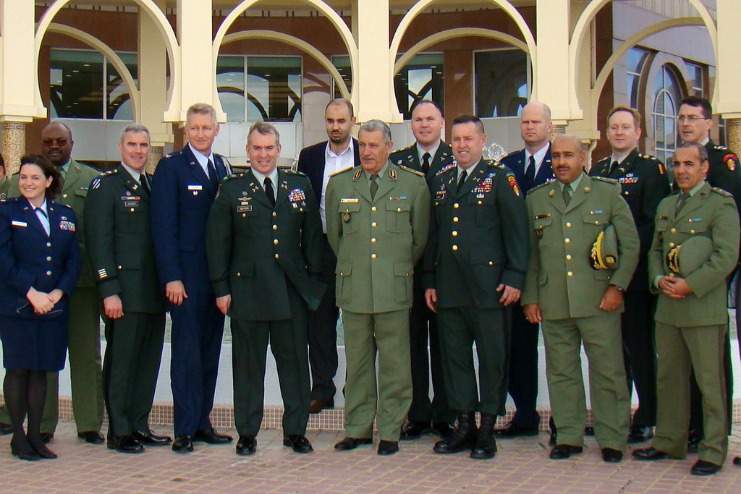
Overview of the Algerian Military
The Algerian military is a significant and influential force within North Africa, known for its large size, modernized equipment, and strategic importance. It plays a crucial role in ensuring national security, regional stability, and upholding sovereignty. Comprising various branches including the Army, Navy, Air Force, and other specialized units, the Algerian military has undergone substantial development to adapt to contemporary security challenges.
Historical Background and Development
The Algerian military is a prominent institution within the country’s national security framework, playing a vital role in both defense and sovereignty. It has evolved significantly over the decades, reflecting Algeria’s historical challenges and strategic ambitions. The military is known for its professional capabilities and a strong emphasis on maintaining regional stability in North Africa and beyond.
Historically, the origins of the Algerian military can be traced back to the colonial period when it was primarily composed of French forces. However, the struggle for independence, which culminated in 1962, marked a turning point that led to the establishment of an independent national army. The Liberation Army of Algeria, formed during the Algerian War of Independence, became the foundation of the modern Algerian Armed Forces.
Post-independence, the military underwent significant development, emphasizing self-sufficiency and national sovereignty. Algeria’s strategic location and external threats prompted the modernization of its military capabilities, including the adoption of advanced weaponry, training, and technology from various countries. The Algerian military has also been involved in regional peacekeeping efforts and internal security operations, especially during periods of domestic unrest.
In recent decades, Algeria has prioritized modernization and expansion of its armed forces, with a focus on air defense, armored capacities, and naval forces. The military remains under tight civilian control but retains substantial influence within the country’s political landscape. Overall, the Algerian military continues to adapt to new security challenges, balancing traditional defense roles with efforts to combat terrorism and foster regional stability.
Current Roles and Responsibilities
The Algerian military is a significant branch of the nation’s defense infrastructure, playing a crucial role in maintaining national sovereignty and security. It is composed of several branches, including the Army, Navy, Air Force, and Border Guards, each tasked with specific responsibilities to protect Algeria’s borders and interests. The military has a history of involvement in regional stability and has modernized its forces through strategic acquisitions and training programs.
In its current role, the Algerian military primarily focuses on defending the country against external threats and safeguarding its borders, particularly in regions with historical security concerns. It also contributes to internal security efforts, such as counter-terrorism operations and disaster response. The military participates in joint exercises with international partners, emphasizing its commitment to regional stability and cooperation.
Moreover, the Algerian armed forces are involved in essential peacekeeping missions and humanitarian assistance within Africa and beyond. They also play a vital role in supporting the country’s economic development through involvement in infrastructure projects and national development initiatives. Overall, the Algerian military remains a key institution dedicated to protecting national interests and ensuring stability across the country and the region.
Structure of the Algerian Military
The Algerian military is a significant institution responsible for national defense and security. It is structured into various branches, including the Army, Navy, Air Force, and other specialized units. This organization ensures comprehensive protection of the country’s sovereignty and strategic interests. The military also plays an important role in supporting civil authorities during emergencies and contributing to regional stability.
Branches of the Armed Forces
The Algerian military is a highly organized and structured institution comprising various branches that work together to ensure national security. It is primarily composed of the Algerian People’s National Army, which includes several key branches. The Army is the largest branch, responsible for land-based operations, and is equipped with modern weaponry and vehicles for offensive and defensive missions. The Algerian Navy oversees maritime security, protecting the country’s coastlines and sea interests, and includes naval vessels, submarines, and maritime patrol aircraft. The Air Force provides aerial support, air defense, and airlift capabilities, operating advanced fighter jets, transport planes, and surveillance aircraft. Additionally, there is the Algerian National Gendarmerie, which functions as a paramilitary force responsible for internal security, border control, and public order. The military is also supported by specialized units such as the Republican Guard and the Territorial Air Defense Forces, enhancing the overall defense strategy of Algeria.
Organizational Hierarchy
The Algerian military is organized into a hierarchical structure designed to ensure efficient command and operational effectiveness. At the top of the hierarchy is the President of Algeria, who serves as the Supreme Commander of the Armed Forces. Under the President, the Minister of National Defense is responsible for overseeing the military’s administrative and strategic functions.
The key branches of the Algerian military include the Army, Navy, Air Force, and the Algerian People’s National Police, each headed by a Chief of Staff or equivalent senior officer. The Army, being the largest branch, is divided into several regional commands, combined arms divisions, and specialized units such as mechanized, armoured, and artillery divisions.
Within each branch, the organizational hierarchy comprises multiple levels including divisions, brigades, regiments, battalions, and companies, facilitating detailed operational control. For example, the Army’s structure includes corps and divisions that coordinate various units during combat or training exercises. Additionally, specialized units such as military intelligence and logistics operate under specific directorates aligned with the Ministry of National Defense’s organizational framework.
This layered structure allows for a clear command chain, enabling efficient decision-making and coordination across different military capacities, ensuring readiness and national defense capabilities in Algeria.
Army (People’s National Army)
The People’s National Army of Algeria, known as the Army, is a vital component of the country’s national defense and security. Established to protect sovereignty and maintain stability, it has a long history of serving both in military operations and in supporting civil initiatives. The Army plays a crucial role in safeguarding Algeria’s borders, contributing to regional peace, and modernizing its armed forces to meet contemporary security challenges.
Size and Composition
The People’s National Army of Algeria is a relatively large and well-organized military force tasked with defending the nation’s sovereignty and territorial integrity. It is composed of various branches including the Army, Navy, Air Force, and Border Defense units, each with specialized roles and responsibilities.
The Army is the largest branch, with substantial personnel numbers that contribute to both national defense and internal security operations. The total size of the People’s National Army is estimated to be around 130,000 active personnel, supported by a significant reserve force. Its personnel are trained in modern military tactics and equipped with a range of modern weaponry and equipment, including tanks, artillery, and infantry weapons.
Algeria’s military composition emphasizes a balanced mix of conventional forces, special forces, and border security units, reflecting its strategic priorities in regional stability and defense readiness. Overall, the People’s National Army is a key pillar of Algeria’s national security, showcasing a combination of large manpower, modernized equipment, and diverse operational capabilities.
Key Units and Divisions
The People’s National Army of Algeria is the unified land force responsible for national defense and security. It plays a crucial role in maintaining sovereignty, participating in regional stability, and supporting internal security operations. The army is structured into various key units and divisions, each specializing in different military functions and strategic priorities.
One of the prominent components of the Algerian Army is the Algerian Land Forces, which include several divisions such as the 1st and 2nd Armored Divisions, tasked with armored warfare and mechanized combat. These divisions are equipped with modern tanks, artillery, and infantry units to ensure rapid and effective ground operations.
The Algerian Navy is essential for securing the country’s extensive coastline along the Mediterranean, comprising various naval bases, patrol boats, and submarines. Their primary focus is maritime defense, interdiction, and safeguarding Algeria’s maritime interests.
The Air Force of Algeria includes strategic fighter and transport units, with notable bases such as Ras El Ma and Boufarik. They operate fighter jets, transport aircraft, and surveillance systems to provide aerial superiority and support ground operations.
Additionally, specialized units like the Republican Guard and the National Gendarmerie support the army by maintaining internal security and border control. Special forces units, such as the Rapid Deployment Forces, are trained for counter-terrorism and crisis response, ensuring readiness for various operational scenarios.
Modernization and Capabilities
The People’s National Army of Algeria has undergone significant modernization efforts to strengthen its defense capabilities and adapt to contemporary security challenges. This modernization encompasses the acquisition of advanced weaponry, upgrade of existing equipment, and enhancement of strategic capabilities. The Algerian military has invested in modern combat aircraft, missile systems, and surveillance technologies to improve its operational effectiveness.
Furthermore, Algeria has prioritized the development of its ground forces with new armored vehicles and artillery systems, ensuring they can respond efficiently to various threats. The navy has also seen advancements, including modern frigates and patrol vessels, to secure the country’s coastline and maritime interests. Additionally, the Algerian military emphasizes training and logistical support to maintain high readiness levels and operational competence.
Overall, Algeria’s efforts in modernizing its People’s National Army aim to bolster national security, project regional influence, and ensure its readiness to face evolving regional and global security dynamics.
Algerian Navy
The Algerian Navy is a vital branch of Algeria’s military forces, responsible for maritime defense and sovereignty in the Mediterranean Sea. It plays a crucial role in protecting the country’s coastline, borders, and maritime interests through both combat and logistical operations. As one of the key components of Algeria’s national security, the navy continuously modernizes its fleet and enhances its capabilities to ensure regional stability and security.
Fleet Overview and Capabilities
The Algerian Navy plays a crucial role in securing the country’s maritime borders and asserting its presence in the Mediterranean Sea. It is a key component of the Algerian Armed Forces, emphasizing both defense capabilities and maritime sovereignty.
The fleet of the Algerian Navy comprises a diverse array of vessels including frigates, corvettes, naval patrol ships, submarines, and support vessels. It has modernized its fleet over recent years by acquiring new ships and upgrading existing ones to enhance operational effectiveness.
Algeria’s naval capabilities include the ability to conduct coastal defense, anti-surface and anti-submarine warfare, and maritime interdiction operations. The navy also maintains a range of patrol and surveillance systems to monitor its extensive coastline and economic exclusive zone.
Furthermore, Algeria has developed indigenous shipbuilding capabilities and collaborates with international partners to bolster its maritime defense infrastructure. The Algerian Navy remains a vital force for regional security and maritime stability in North Africa and the Mediterranean region.
Air Force of Algeria
The Algerian Air Force is a pivotal branch of the country’s military, known for its extensive fleet and strategic capabilities. As a key component of Algeria’s defense, it plays a vital role in safeguarding national sovereignty, securing airspace, and supporting military operations both within and beyond borders. With a history rooted in modernization and regional influence, the Algerian Air Force continues to develop its capabilities through modern aircraft and technological advancements.
Aircraft Inventory and Upgrades
The Algerian Air Force is a key component of Algeria’s military strength, maintaining a diverse and modern aircraft inventory designed to ensure national security and regional stability. The fleet includes a variety of combat aircraft, transport planes, and surveillance systems, reflecting ongoing efforts to upgrade and modernize capabilities. Algeria primarily operates Russian-made aircraft such as MiG-29 fighters, Su-30 fighters, and Su-24 bombers, which form the backbone of its combat forces. Additionally, the Air Force has incorporated French, Chinese, and domestic aircraft to diversify its capabilities.
Recent upgrades focus on enhancing operational effectiveness through the modernization of existing platforms and the acquisition of advanced systems. Efforts include improving avionics, weapon systems, and electronic warfare capabilities to ensure these aircraft remain competitive. Algeria has also sought to expand its fleet with newer models like the MiG-35 and continue modernizing older aircraft to extend their operational lifespan. The strategic emphasis on upgrading aircraft and integrating new technology underscores Algeria’s aim to maintain a credible deterrent and a capable regional air power.
Strategic Roles and Missions
The Algerian Air Force plays a crucial role in the country’s military strategy by providing air defense, surveillance, and rapid response capabilities. Its primary mission is to protect Algeria’s sovereignty and territorial integrity against external threats through aerial monitoring and interception operations. The Air Force also conducts strategic bombing, transport, and logistical support for ground forces, ensuring efficient mobility and supply chain management across vast areas. Additionally, it participates in joint military exercises, regional security initiatives, and international peacekeeping missions, showcasing its commitment to maintaining regional stability. Modernizing its fleet with advanced fighters, transport aircraft, and surveillance systems remains a key focus to enhance operational readiness and adapt to evolving security challenges.
Republican Guard and Special Forces
The Algerian military is distinguished by its well-trained and highly specialized units, including the Republican Guard and the Special Forces. These elite forces play a crucial role in national security, providing rapid response capabilities and safeguarding key government institutions. Their rigorous training, tactical expertise, and strategic importance make them a vital component of Algeria’s defense infrastructure.
Roles and Responsibilities
The Republican Guard and Special Forces in Algeria play vital roles within the nation’s military, ensuring national security, sovereignty, and rapid response capabilities. The Republican Guard primarily serves as a ceremonial unit and a protective force for high-ranking government officials and key state institutions. They are responsible for guarding presidential residences, government buildings, and important infrastructure, maintaining stability and security at the highest levels of government. Additionally, they conduct specialized security operations and support counter-terrorism efforts when necessary.
Algeria’s Special Forces are highly trained units tasked with executing complex missions such as counter-terrorism, hostage rescue, covert reconnaissance, and sabotage. These elite units operate both within Algeria and internationally, offering strategic and tactical support during crises. Their roles include gathering intelligence, conducting direct action missions against militant groups, and providing training and advisory support to other military and law enforcement agencies. Overall, these forces contribute significantly to Algeria’s defense strategy, enhancing the country’s ability to respond swiftly and effectively to internal and external threats.
Defense Budget and Modernization Efforts
The defense budget and modernization efforts are vital components of Algeria’s strategic military development. As the country seeks to enhance its defense capabilities, significant investments are directed towards upgrading equipment, expanding technological advancements, and strengthening its armed forces. These initiatives reflect Algeria’s commitment to ensuring national security and maintaining a competitive edge in the region.
Funding and Investment Priorities
Algeria’s military modernization efforts and defense budget reflect the country’s strategic emphasis on strengthening national security and maintaining regional stability. Over recent years, Algeria has increased its defense spending to upgrade existing equipment, acquire new advanced weaponry, and enhance domestic defense manufacturing capabilities. Investment priorities are focused on modernizing air and missile defense systems, expanding armored capabilities, and fostering technological innovation within the armed forces. The government allocates a significant portion of its budget toward acquiring modern fighter jets, submarines, and surveillance systems, aiming to bolster both offensive and defensive operational readiness. These funding initiatives are also driven by regional security concerns and Algeria’s desire to project military power, ensuring it remains a formidable presence in North Africa. Continued investment and modernization efforts are essential for maintaining operational effectiveness and adapting to evolving threats in the contemporary security landscape.
Regional and International Military Collaborations
Regional and international military collaborations play a crucial role in enhancing Algeria’s national security and regional stability. By engaging in joint exercises, intelligence sharing, and strategic alliances, Algeria strengthens its defense capabilities while fostering diplomatic ties with neighboring countries and global partners. These collaborations are instrumental in addressing security threats, promoting peace, and ensuring a balanced power dynamic in North Africa and beyond.
Joint Exercises and Training
Algeria’s military actively engages in regional and international collaborations to strengthen its defense capabilities and foster strategic partnerships. These collaborations often include joint exercises, training programs, and cross-border security initiatives aimed at enhancing interoperability and readiness among allied forces. Algeria participates in various multinational military exercises with countries within Africa, Europe, and the Middle East, demonstrating its commitment to regional stability and security.
Joint military exercises are a cornerstone of Algeria’s cooperation efforts, allowing armed forces to share expertise, develop coordination skills, and adapt to emerging threats. These exercises cover a wide range of activities, including counter-terrorism, peacekeeping operations, maritime security, and cyber defense. Notable collaborations include exercises with France, Russia, and neighboring countries such as Tunisia and Niger, reflecting Algeria’s strategic ties and commitment to collective security.
Training programs are also emphasized as part of Algeria’s military diplomacy, often involving military academies, special forces training, and technical exchanges. Through these initiatives, Algeria seeks to modernize its armed forces, improve operational efficiency, and foster diplomatic relations. By actively participating in regional security arrangements and international military alliances, Algeria aims to maintain a capable and cooperative defense posture capable of addressing both internal and external security challenges.
Participation in Peacekeeping Missions
Algeria’s military actively engages in regional and international collaborations to enhance security and stability. These partnerships help strengthen Algeria’s defense capabilities and foster diplomatic relations with other nations and organizations.
- Participation in regional military alliances such as the African Union and Arab League, promoting collective security and collaborative military exercises.
- Engagement with multinational coalitions for counter-terrorism efforts, especially in combating groups like AQIM (Al-Qaeda in the Islamic Maghreb).
- Contributing troops to United Nations peacekeeping missions across Africa and other regions, demonstrating Algeria’s commitment to global peace and security.
- Involvement in joint military training exercises with allied countries to improve interoperability and tactical skills.
- Hosting regional and international military conferences to share intelligence, strategies, and technological advancements.
- Sending military personnel and officers to participate in international peacekeeping operations, thereby reinforcing Algeria’s role in maintaining stability worldwide.



0 Comments