
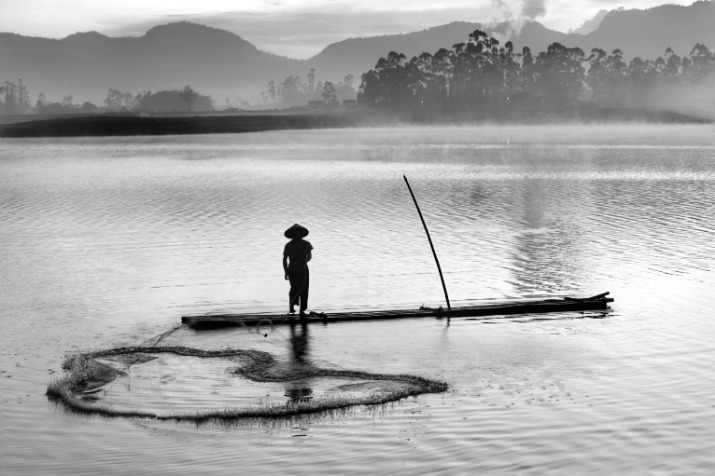
Geographical Location and Overview of Nyanga Mountains
The Nyanga Mountains in Zimbabwe are a stunning range situated in the northeastern part of the country, renowned for their lush landscapes and diverse ecosystems. Covering a significant area within the Nyanga National Park, these mountains are characterized by rolling hills, dramatic peaks, and fertile valleys that attract nature lovers and adventurers alike. Their strategic location near the border with Mozambique enhances their ecological and cultural significance, making them a vital part of Zimbabwe’s natural heritage.
Position within Zimbabwe
The Nyanga Mountains are a prominent mountain range located in the northeastern part of Zimbabwe. They are part of the Eastern Highlands and are renowned for their breathtaking landscapes, lush greenery, and diverse climate zones. The range extends across the Nyanga District in Manicaland Province, forming a natural boundary within the region.
Positioned close to the border with Mozambique, the Nyanga Mountains are situated approximately 240 kilometers (about 150 miles) from Harare, the capital of Zimbabwe. This favorable location offers stunning panoramic views of the surrounding plains and valleys. The mountains are a significant geographical feature within Zimbabwe, influencing local weather patterns and supporting a rich variety of flora and fauna. The area’s high peaks, including Mount Nyangani, which is the highest point in Zimbabwe at 2,592 meters (8,504 feet), make the range an important natural landmark and a popular destination for tourism and outdoor activities.
Topographical Features
The Nyanga Mountains are a prominent mountain range located in the northeastern part of Zimbabwe, within Manicaland Province. This range forms part of the Eastern Highlands and is renowned for its stunning natural beauty, lush vegetation, and diverse ecosystems. The mountains are situated approximately 200 kilometers southeast of Harare, the capital of Zimbabwe, providing a scenic escape into nature.
The topographical features of the Nyanga Mountains include rugged peaks, rolling hills, deep valleys, and cascading waterfalls. The highest point in the range is Mount Nyangani, which reaches an elevation of 2,592 meters (8,504 feet) and is the highest peak in Zimbabwe. Other notable peaks include Mahwe Hill and World’s View, offering panoramic vistas of the surrounding landscape. The area is characterized by dramatic escarpments, terraced slopes, and numerous freshwater streams and lakes that originate from the mountain runoff.
Elevation and Climate
The Nyanga Mountains, located in northeastern Zimbabwe, form part of the Eastern Highlands and are renowned for their breathtaking landscapes and diverse ecosystems. This mountain range stretches across a region characterized by lush greenery, rolling hills, and scenic valleys, making it a vital geographical feature of the country.
The elevation of the Nyanga Mountains varies, with the highest peak being Mount Nyangani, which rises to approximately 2,592 meters (8,504 feet) above sea level, making it the tallest point in Zimbabwe. The range also includes other notable peaks such as Mount Gairezi and Mount Nyangombe, contributing to the area’s rugged terrain and dramatic vistas.
The climate in the Nyanga Mountains is generally cool and temperate, influenced by the elevation. Summers are mild with higher rainfall, supporting dense forests and rich biodiversity, while winters tend to be cold with occasional frost and snow at the highest altitudes. These climatic conditions foster a variety of flora and fauna, making the region popular for tourism, hiking, and ecological conservation efforts.
Historical Significance of Nyanga Mountains
The Nyanga Mountains in Zimbabwe hold a rich historical significance that stretches back through centuries, serving as a vital cultural and geographical landmark. Renowned for their breathtaking landscapes and diverse ecosystems, these mountains have also been a refuge and inspiration for indigenous communities, explorers, and historians alike. Their strategic location and natural resources have played an important role in shaping local traditions, trade routes, and historical narratives in the region.
Ancient Inhabitants and Archaeological Sites
The Nyanga Mountains in Zimbabwe hold significant historical importance due to their rich archaeological heritage and their role in ancient human settlements. These mountains are home to some of the oldest known sites in the region, reflecting the presence of early inhabitants who utilized the area for settlement, agriculture, and spiritual practices. The ancient inhabitants of Nyanga, believed to be part of early farming communities, left behind various archaeological artifacts, including stone tools, pottery shards, and rock art that provide insight into their daily lives and cultural practices. The archaeological sites scattered across the mountains, such as the famous Nyanga Round Houses and terraced landscapes, demonstrate sophisticated planning and adaptation to the mountainous environment. These sites serve as vital links to understanding Zimbabwe’s prehistoric period and the development of early societies in southern Africa. Overall, the Nyanga Mountains are not only a natural marvel but also a crucial cultural and historical treasure, encapsulating the heritage of ancient Zimbabwean civilizations.
Historical Events and Cultural Heritage
The Nyanga Mountains in Zimbabwe hold a rich historical significance, serving as a symbol of the nation’s diverse cultural heritage and natural beauty. These mountains have been inhabited by indigenous communities for centuries, and their landscapes are intertwined with traditional practices and local myths. The area is renowned for its ancient archaeological sites, including stone ruins and relics from early settlers, which provide insight into Zimbabwe’s prehistoric past.
Historically, the Nyanga region was the site of important events such as the resistance against colonial rule, where local communities used the rugged terrain for strategic defense. The mountains also played a role in the development of agriculture, with terracing and irrigation systems that reflect advanced traditional techniques. These features highlight the community’s adaptive strategies and sustainable practices over generations.
Culturally, the Nyanga Mountains are significant for the many rituals and ceremonies performed by indigenous groups, who consider the area sacred. The mountains are home to several cultural heritage sites that preserve the spiritual beliefs and customs of the local people. Moreover, the region’s diverse flora and fauna contribute to its cultural identity, illustrating a connection between nature and heritage that continues to shape the community’s way of life today.
Flora and Fauna of Nyanga Mountains
The Nyanga Mountains in Zimbabwe are renowned for their rich and diverse flora and fauna, making them a haven for nature enthusiasts. This picturesque region hosts a variety of plant species, from lush forests to alpine vegetation, supporting a wide array of wildlife. The vibrant ecosystem contributes to the mountain’s reputation as a protected area, offering visitors a glimpse into the abundant natural beauty of Zimbabwe’s highlands.
Endemic Plant Species
The Nyanga Mountains in Zimbabwe are renowned for their diverse and vibrant flora and fauna, making them a vital ecological region. The mountains host a variety of endemic plant species that are unique to this area, contributing to its rich biodiversity. Notable among these are the Nyanga cedar, also known as Widdringtonia nodiflora, which is a rare and endangered coniferous tree endemic to the mountain range. Additionally, the mountain is home to the Nyanga tree daisy, indigenous to the high-altitude regions, and various other flowering plants adapted to the cool climate. wildlife in the Nyanga Mountains includes species such as the eland, the mountain reedbuck, and the African wild dog, along with numerous bird species like the Cape eagle-owl and the flame lily, which is considered the national flower of Zimbabwe. The preservation of these endemic plants and diverse animal species is crucial for maintaining the ecological integrity of the Nyanga Mountains, making it a significant area for conservation efforts in Zimbabwe.
Wildlife in the Region
The Nyanga Mountains in Zimbabwe are renowned for their rich biodiversity, hosting a diverse array of flora and fauna that contribute to the region’s ecological significance. The mountains are covered with lush forests comprising indigenous trees such as pine, eucalyptus, and various hardwood species, creating a green sanctuary that supports numerous plant and animal species.
Wildlife in the Nyanga region includes a variety of mammals such as duikers, baboons, vervet monkeys, and a range of antelope species. The area also provides habitat for predators like leopards and jackals. Birdlife is particularly abundant, with species such as the crowned eagle, hornbills, and various sunbirds inhabiting the forests and open grasslands. The diverse plant life, combined with the presence of water bodies like streams and lakes, sustains this vibrant ecosystem, making the Nyanga Mountains a vital conservation area and a haven for nature enthusiasts.
Conservation Efforts
The Nyanga Mountains in Zimbabwe are renowned for their rich biodiversity, hosting a diverse array of flora and fauna that contribute to the region’s ecological significance. The area is characterized by lush forests, alpine meadows, and wetlands that support numerous plant species, including endemic and medicinal plants used by local communities. The fauna of Nyanga includes various species of mammals such as bushbucks, duikers, and leaner predators like leopards and jackals. Birdlife is abundant, with species like the blue swallow, which is critically endangered and relies heavily on the mountain’s habitat.
Conservation efforts in the Nyanga Mountains have been pivotal in preserving this unique ecosystem. These initiatives include the establishment of protected areas such as Nyanga National Park and the Nyangani Forest Reserve, which aim to safeguard habitat and wildlife. Community-based conservation programs promote sustainable use of natural resources and involve local communities in conservation activities, ensuring they benefit from preserving biodiversity. Reforestation projects and anti-poaching measures are also in place to restore degraded areas and prevent illegal hunting, thereby maintaining the ecological balance of the Nyanga Mountains.
Tourist Attractions and Activities
The Nyanga Mountains in Zimbabwe offer a stunning destination filled with diverse tourist attractions and activities. Visitors can enjoy breathtaking landscapes, explore lush forests, and discover rich cultural history. Whether seeking adventure or relaxation, the region provides a perfect setting for outdoor pursuits, scenic views, and local experiences that showcase the beauty of Zimbabwe’s natural and cultural heritage.
Mount Nyangani – The Highest Peak
Mount Nyangani is the highest peak in the Nyanga Mountains of Zimbabwe, offering visitors a stunning wilderness experience and breathtaking panoramic views. As a prominent feature of Nyanga National Park, it attracts outdoor enthusiasts, nature lovers, and adventure seekers alike.
- Hiking and Trekking: Ascend the well-marked trails to reach the summit, enjoying scenic vistas, lush forests, and diverse wildlife along the way.
- Bird Watching: The diverse habitats around Mount Nyangani make it an ideal spot for bird enthusiasts to observe various endemic and migratory bird species.
- Campsites: Several camping sites near the mountain provide an opportunity for visitors to immerse themselves in nature and enjoy star-gazing at night.
- Picnicking: Designated picnic areas are available for visitors wanting to relax amidst the stunning natural surroundings.
- Photography: Capture the spectacular landscapes, unique flora, and fauna, as well as the awe-inspiring sunrise and sunset views from the peak.
- Nature Walks: Explore the surrounding forests and waterfalls, such as the famous Mount Nyangani Waterfalls, which add to the scenic appeal of the area.
Nyanga National Park
Nyanga National Park in Zimbabwe is renowned for its stunning landscapes, diverse wildlife, and rich cultural heritage, making it a top destination for tourists seeking adventure and natural beauty. The park is nestled within the Nyanga Mountains, offering a variety of attractions and activities for visitors.
- Hiking and Mountain Climbing: Explore numerous trail routes that lead to the highest peaks in the Nyanga Mountains, such as Mount Nyangani, Zimbabwe’s highest point, providing breathtaking panoramic views.
- Waterfalls and Lakes: Visit scenic waterfalls like Nyangombe Falls and Pungwe Falls, as well as serene lakes such as Lake Mutirikwi and Lake Nyangombe, ideal for picnicking and photography.
- Wildlife Viewing: Spot animals like elands, kudus, bushbucks, and various bird species, making it a haven for wildlife enthusiasts and birdwatchers.
- Historical and Cultural Sites: Discover ancient rock art and the Nyanga Museum, which showcases the area’s rich cultural history and the indigenous peoples of the region.
- Fishing and Boating: Enjoy fishing in the lakes and rivers or rent boats for a relaxing day on the water.
- Camping and Picnicking: The park offers designated camping sites and picnic spots, allowing visitors to immerse themselves in the natural environment.
Lake Naivasha and Surrounding Scenery
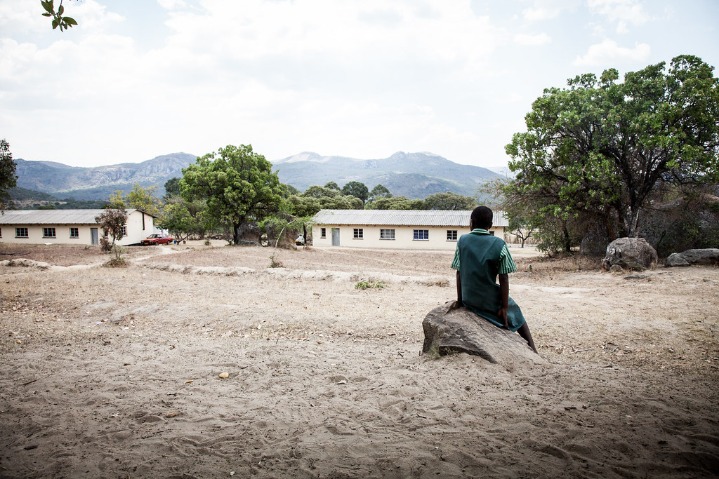
The Nyanga Mountains in Zimbabwe are a stunning destination renowned for their breathtaking scenery, diverse wildlife, and numerous outdoor activities. Visitors can indulge in a variety of attractions that showcase the natural beauty and rich cultural history of the region.
- Hiking and Trekking: Explore numerous trails that lead through lush forests, past waterfalls, and to scenic viewpoints overlooking the mountains and surrounding plains.
- Nyangombe and Chinhoyi Caves: Discover the fascinating limestone caves, which are perfect for adventure tourism, cooling off, and exploring underground formations.
- Waterfalls: Visit the picturesque waterfalls such as Bridal Veil Falls, offering spectacular views and photo opportunities.
- Fishing and Boating: Enjoy fishing in the lakes and rivers, or take a boat ride to appreciate the tranquility and natural beauty of the area.
- Wildlife Viewing: Spot various bird species, antelope, and other wildlife that inhabit the parks and reserves around the mountains.
Although Lake Naivasha and its surrounding scenery are not part of the Nyanga Mountains in Zimbabwe, the region is known for its serene lakes, lush landscapes, and vibrant birdlife, making it a popular destination for nature lovers. Visitors can partake in boat tours, birdwatching, and relaxing by the lakeshore, soaking in the natural splendor of the area.
Hiking and Adventure Sports
The Nyanga Mountains in Zimbabwe are a breathtaking destination renowned for their stunning landscapes, diverse outdoor activities, and natural beauty. Visitors can explore lush forests, rolling hills, and spectacular waterfalls that offer a perfect backdrop for various outdoor pursuits. The area is famous for its scenic hiking trails that cater to all levels, providing an opportunity to immerse oneself in the tranquility of nature while enjoying panoramic views of the surrounding valleys.
Hiking is one of the most popular activities in the Nyanga Mountains, with trails leading to points of interest such as Mount Nyangani, the highest peak in Zimbabwe, and the Nyangombe Falls. Adventurers can also visit the Pungwe Gorge or explore the numerous trails within the Nyanga National Park, which showcases rich flora and fauna. Along the way, hikers may encounter wildlife and experience the region’s peaceful wilderness firsthand.
For thrill-seekers and sports enthusiasts, the Nyanga Mountains offer a variety of adventure sports, including rock climbing, mountain biking, and zip-lining. The rugged terrain and natural features create ideal conditions for these adrenaline-pumping activities. Additionally, anglers can enjoy fishing in the park’s rivers and lakes, which are stocked with freshwater fish. Whether seeking an exhilarating experience or a peaceful retreat into nature, the Nyanga Mountains provide a diverse array of attractions and activities for all visitors.
Ecological and Environmental Importance
The Nyanga Mountains in Zimbabwe are not only a stunning natural landscape but also hold immense ecological and environmental significance. This region supports diverse flora and fauna, plays a crucial role in preserving biodiversity, and contributes to the overall health of the environment. Protecting and understanding the ecological value of the Nyanga Mountains is essential for maintaining the ecological balance and ensuring the sustainability of the surrounding ecosystems.
Water Sources and Rivers
The Nyanga Mountains in Zimbabwe are of significant ecological and environmental importance, serving as a vital source of water and supporting diverse river systems. These mountains play a key role in maintaining the region’s biodiversity and providing essential resources for local communities and wildlife alike.
- Hydrological Role: The Nyanga Mountains are the primary water catchment area for several rivers, including the Musengezi, Ngezi, and Odzi rivers. These rivers sustain agricultural activities, provide drinking water, and support aquatic ecosystems throughout Zimbabwe.
- Rich Biodiversity: The mountain range hosts numerous aquatic and terrestrial species that depend on clean, freshwater sources. The forested slopes contribute to water filtration and aid in stabilizing river flows, especially during dry seasons.
- Environmental Conservation: Protecting the water sources in the Nyanga Mountains helps prevent soil erosion, reduces sedimentation in rivers, and preserves the natural habitat for many endemic species. These efforts are crucial for maintaining ecological balance in the region.
- Climate Regulation: The forests and water bodies in the Nyanga Mountains influence local climate patterns, facilitating rainfall and moderating temperature fluctuations, which benefits both ecosystems and human settlements.
Biodiversity Hotspot
The Nyanga Mountains in Zimbabwe are of great ecological and environmental significance, serving as a vital biodiversity hotspot. These mountains are characterized by a rich variety of flora and fauna, many of which are endemic to the region, highlighting their importance for conservation. The area supports diverse ecosystems, including montane forests, grasslands, and freshwater bodies, each playing a crucial role in maintaining ecological balance and supporting local livelihoods.
- Rich Biodiversity: The Nyanga Mountains host numerous plant and animal species, some of which are rare or endangered, contributing to global biodiversity conservation efforts.
- Climate Regulation: The forests and water bodies in the mountains help regulate local climate and water cycles, preventing erosion and sustaining agriculture in surrounding areas.
- Water Resources: The mountains are the source of important rivers and streams that provide fresh water for communities, agriculture, and wildlife.
- Carbon Sequestration: The dense forests act as carbon sinks, helping mitigate climate change by absorbing atmospheric carbon dioxide.
- Cultural and Scientific Value: The unique ecosystems of the Nyanga Mountains offer opportunities for scientific research and hold cultural significance for local communities.
Climate Regulation and Ecological Balance
The Nyanga Mountains in Zimbabwe play a crucial role in maintaining ecological and environmental stability within the region. They serve as a vital habitat for diverse plant and animal species, contributing to biodiversity conservation. The mountains also help in preserving water resources, as they are the source of several rivers and streams that nourish surrounding ecosystems and communities. By acting as natural water catchments, they support agriculture and ensure clean water supply for local populations.
Climate regulation is another significant function of the Nyanga Mountains. The high elevation influences local weather patterns, helping to moderate temperatures and increase rainfall in the area. This climatic effect benefits agriculture and natural vegetation, fostering a lush environment that sustains various life forms. The mountains also act as a carbon sink, absorbing carbon dioxide and thus mitigating some impacts of climate change.
Ecological balance in the Nyanga Mountains is sustained through the interconnectedness of its flora, fauna, and physical environment. The diverse ecosystems, from montane forests to grasslands, support complex food webs that ensure the resilience and health of the landscape. Protecting this ecological harmony is vital not only for the preservation of local biodiversity but also for the global environment, as it contributes to climate stability and the overall well-being of the planet.
Cultural and Societal Impact
The Nyanga Mountains in Zimbabwe hold significant cultural and societal importance, serving as a symbol of heritage and identity for local communities. These majestic peaks not only offer breathtaking landscapes but also embody centuries of tradition, history, and spiritual connection. Their influence extends beyond natural beauty, shaping cultural practices, social cohesion, and the way communities perceive their environment.
Local Communities and Traditions
The Nyanga Mountains in Zimbabwe hold a profound cultural and societal significance for local communities, serving as a symbol of heritage and identity. These mountains are deeply intertwined with traditional practices, stories, and beliefs, reflecting the rich history of the indigenous peoples who have inhabited the region for generations. Local communities often gather in the mountains for ceremonies, festivals, and rituals that honor their ancestors and seek spiritual guidance, reinforcing social bonds and cultural continuity.
Furthermore, the preservation of traditional knowledge and customs is closely linked to the natural environment of the Nyanga Mountains. The mountains’ landscapes provide a setting for oral histories, folklore, and cultural expressions that are passed down through generations. Such traditions play a crucial role in maintaining a sense of unity and cultural pride among local inhabitants, contributing to the overall societal fabric of the area.
In addition to their cultural importance, the Nyanga Mountains attract eco-tourism and promote economic activities centered around community-based initiatives. This influx supports local livelihoods while encouraging the conservation of cultural practices and environmental sustainability. As a result, the mountains not only serve as a natural landmark but also as a vital foundation for fostering cultural resilience, social cohesion, and sustainable development within local communities.
Tourism and Economic Development
The Nyanga Mountains in Zimbabwe have a profound cultural and societal impact, serving as a symbol of national heritage and traditional practices among local communities. The region is home to indigenous groups who have preserved their customs, folklore, and historical sites within the mountainous landscape, fostering a sense of identity and pride. Additionally, the mountains are often considered spiritual landmarks, playing a vital role in local rituals and community gatherings.
Tourism in the Nyanga Mountains significantly contributes to Zimbabwe’s economic development by attracting visitors interested in nature, adventure, and cultural experiences. Key attractions such as Mount Nyangani, Africa’s highest peak, and scenic waterfalls draw eco-tourists, hikers, and nature lovers, creating employment opportunities for local residents and supporting small businesses like lodges, guided tours, and craft markets.
The influx of tourists stimulates investment in infrastructure, including roads, accommodation, and service facilities, which benefits the broader community and enhances connectivity. The promotion of sustainable tourism practices helps preserve the natural environment and cultural heritage of the region, ensuring long-term economic benefits while maintaining ecological balance. Overall, the Nyanga Mountains serve as a vital catalyst for both cultural preservation and economic growth within Zimbabwe.
Preservation of Cultural Heritage
The Nyanga Mountains in Zimbabwe hold a profound cultural and societal significance for the local communities, serving as a symbol of their heritage and identity. Their rich history is intertwined with traditional stories, rituals, and local legends that have been passed down through generations, fostering a sense of continuity and belonging. Preserving this cultural heritage is vital for maintaining the unique identity of the indigenous people and promoting a deeper understanding of their customs and ways of life. Efforts to protect the natural landscape of the Nyanga Mountains also contribute to safeguarding archaeological sites, historic trails, and traditional practices that are integral to Zimbabwe’s cultural fabric. By valuing and conserving these natural and cultural treasures, Zimbabwe ensures that future generations can continue to learn from and celebrate their ancestral legacy, fostering pride and promoting sustainable tourism that benefits local communities.




0 Comments