
Geography and Location
Mauritius is a stunning island nation located in the Indian Ocean, renowned for its diverse landscapes and vibrant culture. Situated approximately 2,000 kilometers off the southeastern coast of Africa, it sits east of Madagascar and southwest of the Seychelles. Its strategic position has made it a significant hub for maritime trade and a popular destination for travelers seeking natural beauty and tranquility. The island’s geographic features include lush forests, pristine beaches, and coral reefs, all set within a tropical climate that supports rich biodiversity.
Position in the Indian Ocean
Mauritius is a remote island nation situated in the Indian Ocean, east of the continent of Africa. It lies approximately 2,000 kilometers off the southeastern coast of the African mainland, making it strategically positioned in the Indian Ocean region. The island is part of the Mascarenes archipelago, which also includes Réunion and Rodrigues. Its geographical location provides it with a tropical climate and scenic coastlines, attracting tourists from around the world. Mauritius’s position in the Indian Ocean has historically made it an essential stop for maritime routes and trade, contributing to its diverse cultural influences and rich history.
Topography and landscape
The island of Mauritius is located in the Indian Ocean, east of the coast of Africa. It is renowned for its stunning geographical features and diverse landscapes that make it a unique destination. The island’s strategic position and natural beauty have contributed to its prominence in the region.
- Situated approximately 2,000 kilometers (1,200 miles) off the southeastern coast of Africa, Mauritius lies about 870 kilometers (540 miles) east of Madagascar.
- The island covers an area of around 2,040 square kilometers, making it one of the smaller islands in the region but rich in topographical variety.
- Its topography features volcanic origins, resulting in rugged mountains, lush valleys, and fertile plains.
- The central part of the island is dominated by the Piton de la Petite Rivière Noire, the highest peak at 828 meters, offering panoramic views and challenging hiking trails.
- Coastal areas are characterized by beautiful beaches, coral reefs, and lagoons, providing a diverse landscape that supports tourism and marine life.
- The landscape includes dense rainforests, sugarcane fields, and botanical gardens, highlighting the island’s rich natural environment.
Climate and weather patterns
Mauritius is a volcanic island located in the Indian Ocean, east of the coast of Africa. It is part of the Mascarene Islands and is known for its diverse geography that includes mountains, plains, and beautiful beaches. The island’s strategic location has influenced its climate and weather patterns over the years.
The climate of Mauritius is tropical, characterized by warm temperatures throughout the year. It experiences a hot and humid summer from November to April, with temperatures often reaching around 30°C (86°F). During this time, the island also faces the influence of the southwest monsoon, bringing heavy rains and thunderstorms. The winter months from May to October are cooler and drier, with temperatures averaging around 20°C (68°F). The island’s weather can be affected by tropical cyclones, especially between January and March, which can bring heavy winds and rains.
Overall, Mauritius enjoys a mild and pleasant climate that supports its lush landscapes and vibrant marine life, making it a popular destination for tourists seeking sunshine and outdoor activities year-round.
History and Cultural Heritage
Mauritius, an island nation in the Indian Ocean, boasts a rich history and vibrant cultural heritage. Its story is shaped by diverse influences, including African, Asian, European, and Arab cultures, which have woven a unique tapestry of traditions, languages, and customs. Exploring the island’s historical landmarks and cultural practices offers a fascinating glimpse into its remarkable past and ongoing cultural evolution.
Early settlements and colonial past
Mauritius has a rich history rooted in its early settlements and colonial past, shaping its diverse cultural heritage today. Originally inhabited by Austronesian sailors, the island saw the arrival of the Dutch in the 17th century, followed by the French and later the British, each leaving a lasting impact on its development. Throughout these periods, Mauritius developed as a strategic naval and trading hub, which influenced its social and economic structures. The colonial era introduced plantation agriculture, particularly sugarcane, and facilitated the migration of workers from Africa, India, and China, contributing to the island’s multicultural identity. This blend of influences is reflected in Mauritius’s languages, religions, and traditions, making it a unique tapestry of historical and cultural heritage that continues to thrive today.
Influences of African, Indian, European, and Chinese cultures
The island of Mauritius boasts a rich tapestry of history and cultural heritage shaped by a diverse blend of African, Indian, European, and Chinese influences. These varied cultures have left their mark on the island’s language, traditions, and societal customs, creating a unique and vibrant community. African heritage is evident in the music, dance, and culinary practices, reflecting the island’s history of African communities and their contributions. Indian influences are prominent in religious festivals, cuisine, and linguistic elements, stemming from centuries of Indian migration. European impact, primarily from the French and British colonial periods, is visible in the legal systems, architecture, and place names. Chinese culture has also contributed to the local fabric through culinary diversity, business practices, and community celebrations. Together, these diverse influences have shaped Mauritius into a melting pot of cultures, making it a fascinating example of cross-cultural integration and historical resilience.
Historical landmarks and sites
Mauritius, an island nation in the Indian Ocean, boasts a rich history and vibrant cultural heritage that attract visitors from around the world. The island’s history is marked by its colonial past, having been controlled by the Dutch, French, and British, each leaving a unique imprint on its culture and architecture. Among the most notable historical landmarks is Aapravasi Ghat, a UNESCO World Heritage Site that served as an immigration depot for indentured laborers and symbolizes the island’s diverse cultural roots. The Fort Adelaide (also known as La Citadelle) offers panoramic views and stands as a testament to the island’s strategic importance during colonial times. Additionally, the Victorian-style Eureka House provides insights into the colonial era with its well-preserved architecture and lush surroundings. These sites, along with numerous temples, churches, and museums, highlight Mauritius’s fascinating history and serve as enduring symbols of its cultural heritage.
Tourist Attractions and Activities
Discover the vibrant world of Mauritius, an island paradise renowned for its stunning landscapes and diverse attractions. From pristine beaches and lush forests to historic sites and bustling markets, Mauritius offers a range of activities that cater to every traveler’s interest. Whether you’re seeking relaxation, adventure, or cultural experiences, this island destination promises unforgettable memories and unique adventures.
Beaches and coastal resorts
Majestic Mauritius is renowned for its stunning tourist attractions and diverse activities that cater to all visitors. From exploring lush botanical gardens to discovering historical sites, travelers can immerse themselves in the island’s rich culture and natural beauty. The island offers vibrant markets, colonial architecture, and vibrant festivals, making every visit a memorable experience.
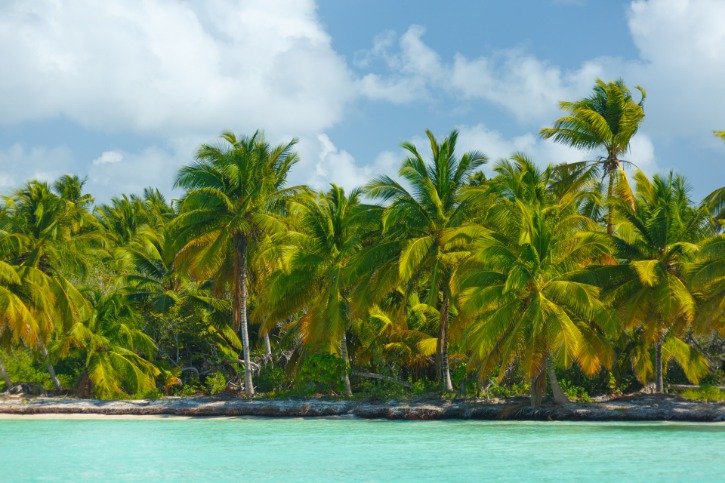
Beaches and coastal resorts are among the main highlights of Mauritius, featuring white sandy shores and crystal-clear waters perfect for relaxation and water sports. Popular beaches such as Belle Mare, Flic en Flac, and Le Morne offer opportunities for swimming, snorkeling, and diving. Luxurious resorts along the coast provide world-class amenities, ensuring a comfortable and unforgettable stay for vacationers seeking sun, sea, and tranquility.
Natural parks and reserves
In Mauritius, tourists can enjoy a wide range of attractions and activities that showcase the island’s natural beauty and vibrant culture. From pristine beaches to lush forests, there is something for every traveler to explore.
Natural parks and reserves are among the top destinations, offering visitors a chance to experience the island’s diverse flora and fauna. Black River Gorges National Park is renowned for its dense forests, waterfalls, and hiking trails, making it an ideal spot for nature lovers. The Île aux Aigrettes reserve is home to rare and endemic species of plants and animals, providing an important conservation experience.
Additionally, visitors can discover the stunning Chamarel Colored Earths, a geological formation with striking multi-colored sands, and the breathtaking Le Morne Brabant mountain, a UNESCO World Heritage site. Water-based activities such as snorkeling, diving, and boat trips to nearby islands allow tourists to enjoy the vibrant marine life Mauritius has to offer. Whether exploring natural parks or relaxing on idyllic beaches, Mauritius offers a perfect blend of adventure and tranquility.
Snorkeling, diving, and water sports
Discover the breathtaking beauty of the island of Mauritius through its diverse tourist attractions and vibrant activities. From pristine beaches to lush landscapes, visitors can enjoy a wide range of adventures that showcase the island’s natural splendor.
Snorkeling is a popular activity in Mauritius, offering travelers the chance to explore colorful coral reefs and observe an array of marine life in clear, warm waters. The calm lagoons and well-preserved reefs make it an ideal spot for both beginners and experienced snorkelers alike.
For those seeking a more immersive underwater experience, diving opportunities abound around the island. Dive sites such as Blue Bay Marine Park and the waters near Flic en Flac feature vibrant coral gardens, fascinating wrecks, and a variety of tropical fish species, providing unforgettable underwater encounters.
Water sports are a vibrant part of Mauritius’s tourist scene, with options including windsurfing, kayaking, jet skiing, and sailing. Whether you’re looking to ride the waves or enjoy a relaxing boat trip, the island’s consistent trade winds and warm, calm seas create perfect conditions for a wide range of water-based activities.
Cultural festivals and local markets
In Mauritius, visitors can immerse themselves in a variety of tourist attractions, lively cultural festivals, and vibrant local markets that showcase the island’s rich heritage and natural beauty.
- Tourist Attractions and Activities – Explore the stunning beaches such as Le Morne and Belle Mare, indulge in water sports like snorkeling and scuba diving, visit the scenic Black River Gorges National Park for hiking, and discover historical sites like Aapravasi Ghat and the Chamarel Seven Colored Earths.
- Cultural Festivals – Experience lively celebrations during Diwali, Chinese New Year, and Maha Shivratri, which feature colorful rituals, traditional music, and dance performances. The Sega festival offers a glimpse into the island’s musical heritage with its rhythmic drumbeats and dancing.
- Local Markets – Wander through bustling markets such as Port Louis Central Market and Flacq Market, where vendors sell fresh fruits, spices, handmade crafts, and souvenirs. These markets provide an authentic taste of Mauritian life and vibrant local culture.
Economy and Industry
The economy and industry of Mauritius are dynamic and diverse, playing a vital role in shaping the island’s development. With a strategic location in the Indian Ocean, Mauritius has transitioned from a sugar-based economy to one focused on tourism, financial services, and manufacturing. This vibrant economic landscape reflects the nation’s resilience and commitment to growth, making it a key player in regional and global markets.
Tourism sector impact
The economy and industry of Mauritius have experienced significant growth driven by diversifying sectors, with tourism playing a crucial role. The island’s natural beauty, including pristine beaches, coral reefs, and lush landscapes, attracts millions of visitors each year, stimulating local businesses and creating numerous jobs. The tourism sector also encourages investment in hospitality, transportation, and related services, contributing substantially to the country’s GDP. Furthermore, the expansion of tourism has supported the development of infrastructure and cultural preservation efforts, boosting overall economic resilience. As Mauritius continues to innovate and promote eco-tourism and sustainable practices, the positive impact on its industry and economy is expected to strengthen, securing its position as a leading travel destination in the Indian Ocean region.
Agriculture and plantation economy
Mauritius has a diverse economy that has evolved over the years from traditional agriculture to a more industrialized and service-oriented sector. The island’s economy is characterized by a mix of agriculture, industry, and tourism, which collectively contribute significantly to national income.
Agriculture has historically been a cornerstone of Mauritius’s economy, with sugarcane being the dominant crop. The plantation economy based on sugar plantations dates back to the colonial era and played a crucial role in shaping the island’s economic landscape. Apart from sugar, crops such as tea, vanilla, and fruits are cultivated, supporting both local consumption and export markets.
In recent decades, the industry sector has expanded to include manufacturing, textiles, and processing industries. The development of offshore financial services and ICT sectors has also contributed to economic growth, making Mauritius a regional hub for finance and technology. Despite these advances, agriculture remains an important part of the economy, providing employment and sustaining rural communities. Overall, Mauritius’s economy is a blend of traditional plantation agriculture and modern industrial and service industries, fostering economic resilience and development.
Textile and manufacturing industries
The economy of Mauritius is primarily driven by the textile and manufacturing industries, which have historically been the backbone of its development. The textile sector, including clothing and apparel production, has contributed significantly to employment and export revenues. Over the years, the government has invested in modernizing infrastructure and fostering a conducive environment for industrial growth. The manufacturing industry in Mauritius also encompasses sectors such as agro-processing, electronics, and pharmaceuticals, diversifying the economic base. These industries benefit from the country’s strategic location, favorable trade agreements, and a skilled, multilingual workforce. As a result, Mauritius has established itself as a important hub for manufacturing in the Indian Ocean region, supporting both domestic growth and international trade.
Emerging sectors and innovation
The economy and industry of Mauritius have experienced significant transformation over the past decades, driven by a focus on emerging sectors and innovation. As the island develops its economic landscape, it increasingly diversifies beyond traditional agriculture and tourism, emphasizing high-growth industries that leverage technology and sustainable practices.
- Information and Communication Technology (ICT): Mauritius is positioning itself as a regional tech hub, fostering innovation through ICT parks and digital literacy initiatives.
- Financial Services: The sector has expanded into offshore banking, insurance, and fintech, attracting international investments and expertise.
- Renewable Energy: With abundant sunshine and wind resources, Mauritius is investing in solar and wind power projects to reduce dependency on fossil fuels.
- Aquaculture and Marine Biotechnology: The island leverages its maritime resources for sustainable fisheries, aquaculture, and marine biotech research.
- Encouraging Innovation: The government supports startups and innovation hubs to promote entrepreneurship and technological advancement.
- Research and Development: Collaboration between universities and industries is enhancing R&D efforts, focusing on sustainable agriculture, pharmaceuticals, and new materials.
- Infrastructure Development: Upgrading transport, communication, and energy infrastructure facilitates industry growth and attracts foreign direct investment.
- Skills Enhancement: Investment in education and vocational training ensures a skilled workforce prepared for emerging industries.
Flora and Fauna
Mauritius, a stunning island nation in the Indian Ocean, is renowned for its diverse and vibrant flora and fauna. The island’s lush forests and exotic landscapes provide a habitat for many unique species, some of which are found nowhere else in the world. From colorful birds to rare plants, Mauritius offers a rich tapestry of life that reflects its ecological significance and natural beauty.
Native and endemic species
The island of Mauritius is renowned for its diverse flora and fauna, which have adapted uniquely to its isolated environment. Many plant and animal species here are native to the island, having evolved in isolation over millions of years. Several species are also endemic, meaning they are found nowhere else in the world, highlighting the island’s ecological significance and the importance of conservation efforts. The island’s lush forests are home to rare and endangered plants, while its surrounding waters host a variety of marine life that contributes to the island’s rich biodiversity. Protecting these native and endemic species is crucial to maintaining the ecological integrity of Mauritius for future generations.
Wildlife conservation efforts
The island of Mauritius is renowned for its rich and diverse flora and fauna, much of which is unique to the island. This biodiversity is an integral part of its natural heritage and requires ongoing conservation efforts to preserve it for future generations.
- Endemic species such as the Mauritian flying fox and the pink pigeon highlight the island’s unique wildlife. These species are critically endangered and benefit from targeted conservation programs.
- Mauritias’s coral reefs, home to a myriad of marine life, are protected through marine conservation initiatives that aim to prevent overfishing and coral bleaching.
- Forests like the Black River Gorges are vital habitats for native plants and animals and are designated as national parks to support their preservation.
- Efforts include the establishment of wildlife sanctuaries and national parks, habitat restoration projects, and captive breeding programs aimed at increasing population numbers of endangered species.
- Community engagement and eco-tourism initiatives promote awareness and involvement in conservation activities throughout the island.
These combined efforts are crucial for maintaining the ecological balance of Mauritius and ensuring the survival of its unique flora and fauna in the face of threats like habitat loss and invasive species.
National parks and protected areas
Mauritius is home to a diverse range of flora and fauna, many of which are unique to the island. The island’s rich biodiversity includes tropical plants, rare orchids, and vibrant bird species such as the Mauritian kestrel and pink pigeon. The surrounding coral reefs also support various marine life forms, making Mauritius a vibrant ecosystem island.
Numerous national parks and protected areas have been established to conserve this natural heritage. Black River Gorges National Park is one of the largest, covering lush forests and waterfalls, and serving as a sanctuary for endangered species. Île aux Aigrettes is a protected nature reserve that hosts native flora and fauna, including some reintroduced species. These protected areas play a vital role in maintaining biodiversity and promoting eco-tourism in Mauritius.
Government and Administration
The government and administration of Mauritius play a vital role in shaping the nation’s development and governance. As an island nation located in the Indian Ocean, Mauritius has a stable political system that promotes democracy, economic growth, and social progress. The administrative framework ensures effective management of public services, economic policies, and regional development, contributing to the island’s reputation as a thriving and well-organized country in the region.
Political system and governance
The government and administration of Mauritius are characterized by a robust political system that promotes democracy, transparency, and stability. As an island nation in the Indian Ocean, Mauritius has developed a governance framework that supports economic growth, social development, and environmental sustainability.
- The political system of Mauritius is a parliamentary democracy with a multi-party structure. The President serves as the head of state, while the Prime Minister is the head of government, responsible for executing policies and managing day-to-day affairs.
- Governance in Mauritius is conducted through a centralized administrative system supported by local governments and regional councils that ensure effective delivery of services across the island.
- The Parliament of Mauritius is bicameral, consisting of the National Assembly and the Senate, with representatives elected through democratic processes to represent diverse interests.
- The government emphasizes good governance, rule of law, and adherence to democratic principles, fostering an environment conducive to investment and social harmony.
- Mauritius also maintains active participation in regional and international organizations, reflecting its commitment to diplomacy and collaborative development efforts.
Administrative divisions
The island of Mauritius has a well-structured government and administrative system designed to promote effective governance and development. It operates as a parliamentary republic with a President as the head of state and a Prime Minister as the head of government. The administrative divisions of Mauritius are organized into districts, which serve as the primary units for local governance. There are currently twelve districts in Mauritius, each with its own local councils responsible for local administration and development initiatives. These divisions facilitate efficient delivery of public services, regional planning, and community engagement, ensuring that the diverse needs of the island’s population are met effectively.
International relations and agreements
The government and administration of Mauritius play a vital role in maintaining stability and fostering development on the island. It operates as a parliamentary democracy, with elected representatives overseeing various aspects of governance, including economic policies, social services, and environmental management. International relations are an essential component of Mauritius’s foreign policy, as the nation actively engages with global partners to promote trade, tourism, and diplomatic cooperation. Mauritius has signed numerous international agreements, such as trade accords and environmental treaties, to enhance its economic growth and sustainable development. The country’s strategic location in the Indian Ocean further amplifies its importance in regional and international diplomacy, making effective government administration crucial for its prosperity and global integration.
Transportation and Infrastructure
Transportation and infrastructure are vital components that shape the development and connectivity of Mauritius, an island nation known for its stunning landscapes and vibrant culture. Efficient transportation networks facilitate the movement of people and goods, supporting the economy and improving quality of life for residents and visitors alike. Over the years, Mauritius has invested in modernizing its infrastructure to enhance accessibility, promote tourism, and foster sustainable growth across the island.
Airports and international connectivity
The island of Mauritius boasts a well-developed transportation and infrastructure system that facilitates seamless connectivity both within the island and internationally. Its airports and transport networks play a crucial role in supporting tourism, trade, and daily commuting for residents and visitors alike.
- Sir Seewoosagur Ramgoolam International Airport: The main international gateway to Mauritius, handling numerous flights from Europe, Africa, Asia, and beyond, ensuring robust global connectivity.
- Domestic Transportation: Includes a comprehensive network of buses, taxis, and car rental services that facilitate travel across the island’s towns and rural areas.
- Ports and Maritime Connectivity: The Port Louis harbor is vital for cargo and passenger ships, supporting international trade and cruise tourism.
- Future Developments: Ongoing infrastructure projects aim to expand airport capacity, upgrade roads, and improve telecommunications, fostering greater regional integration and economic growth.
Road networks and transportation modes
Mauritius boasts a well-developed transportation and infrastructure network that connects various parts of the island efficiently. Its road network is extensive, with well-maintained highways and secondary roads that facilitate smooth travel across urban and rural areas. The primary mode of transportation within Mauritius is by road, with an array of buses, taxis, and private vehicles serving residents and visitors alike. In addition to road transport, the island offers sea and air transportation options. The Sir Seewoosagur Ramgoolam International Airport connects Mauritius to numerous international destinations, making air travel a vital component of its mobility. Additionally, ferries and boat services operate between different coastal regions, supporting local commerce and tourism. Overall, Mauritius’s transportation infrastructure plays a crucial role in fostering economic development and enabling easy access throughout the island.
Ports and maritime activities
The island of Mauritius boasts a well-developed transportation and infrastructure network that plays a vital role in connecting its communities and supporting economic activities. The country is served by an international airport in Sir Seewoosagur Ramgoolam and a network of roads that facilitate domestic travel across the island’s diverse landscapes. Ports such as Port Louis serve as key hubs for maritime trade, ensuring the efficient import and export of goods. The maritime activities in Mauritius are diverse, encompassing commercial shipping, fishing, and tourism-related boat services, which contribute significantly to the economy. The port facilities are modern and capable of handling large vessels, supporting the nation’s status as a regional maritime center. Furthermore, ongoing investments aim to enhance maritime safety, port capacity, and connectivity, fostering sustainable growth in the island’s transportation and maritime sectors.
Education and Healthcare
Education and healthcare are vital pillars of development for the island of Mauritius. With a commitment to improving the quality of life for its residents, Mauritius has invested significantly in expanding access to quality education and modern healthcare services. These sectors play a crucial role in fostering a healthy, skilled, and knowledgeable population, helping the island thrive socially and economically.
Educational institutions and literacy rates
The island of Mauritius has made significant progress in the fields of education and healthcare, reflecting its commitment to improving the quality of life for its residents. Educational institutions across the island range from primary schools to universities, offering a diverse array of programs that cater to the needs of a multilingual population. Efforts to boost literacy rates have been successful, leading to a well-educated workforce capable of supporting economic development and social progress.
- Major universities in Mauritius include the University of Mauritius and the Mauritius Institute of Education, providing higher education and research opportunities.
- Secondary schools are widespread, with both public and private institutions emphasizing science, technology, engineering, and mathematics (STEM) education.
- Literacy rates on the island have surpassed 90%, with high literacy levels maintained among both men and women.
- Healthcare services are accessible and of high quality, with public hospitals and private clinics offering comprehensive medical care.
- Government initiatives focus on expanding healthcare infrastructure and promoting health education to ensure the well-being of all citizens.
Healthcare system and facilities
The island of Mauritius is committed to providing quality education and healthcare services to its residents. The education system on the island offers a comprehensive curriculum that emphasizes both academic excellence and practical skills, with numerous schools and higher education institutions available to students. Healthcare in Mauritius is well-developed, featuring modern facilities and a network of public and private hospitals that ensure accessible medical care. The healthcare system is designed to cater to the diverse needs of its population, with an emphasis on preventive care, medical research, and innovative treatments. Overall, Mauritius strives to maintain a robust healthcare infrastructure and a high standard of education to support the well-being and growth of its society.
Research and development initiatives
The island of Mauritius has made significant advancements in education and healthcare, reflecting its commitment to improving the quality of life for its citizens. The country has invested heavily in building a robust educational infrastructure and enhancing healthcare services to promote sustainable development.
- Educational initiatives include the expansion of primary and secondary schools, integration of modern technology in classrooms, and the promotion of higher education through partnerships with international universities.
- Healthcare improvements encompass the establishment of state-of-the-art hospitals, increased access to medical services in rural areas, and extensive vaccination campaigns to improve public health outcomes.
Research and development initiatives in Mauritius focus on sustainable agriculture, marine resources, and renewable energy. The government supports innovation through funding research projects, establishing technology parks, and collaborating with international research institutions to foster a knowledge-based economy.
Local Cuisine and Cuisine Influences
Mauritius is renowned for its vibrant and diverse local cuisine, shaped by a rich blend of cultural influences. The island’s culinary traditions reflect a unique fusion of African, Indian, Chinese, and European flavors, creating a mouthwatering array of dishes that highlight fresh local ingredients. Exploring the local cuisine offers a delicious journey through Mauritius’s multicultural heritage, showcasing how history and geography have influenced its food scene.
Traditional dishes and ingredients
Mauritius boasts a vibrant culinary scene that reflects a rich blend of cultural influences, including African, Asian, French, and Chinese traditions. This diversity is evident in its local cuisine, which features a variety of traditional dishes and ingredients that highlight the island’s multicultural heritage. Popular local dishes often include fresh seafood, such as grilled fish and octopus salads, complemented by tropical fruits and spices. Staples like rice, lentils, and vegetables are frequently used in hearty curries and stews, showcasing the island’s connection to Indian and Creole culinary traditions. The use of fragrant herbs, chili peppers, garlic, and coconut milk adds depth and distinctive flavors to many dishes, making Mauritius a unique gastronomic destination. Traditional ingredients like tamarind, ginger, and turmeric further enrich the cuisine, providing a taste of the island’s history and cultural fusion.
Common culinary traditions
Mauritius boasts a rich and diverse culinary landscape, reflecting its multicultural heritage. The island’s cuisine is a vibrant blend of flavors influenced by African, Indian, Chinese, and European traditions, creating a unique gastronomic experience. Typical dishes often feature fresh seafood, tropical fruits, and locally grown spices, emphasizing the use of natural ingredients. Common culinary traditions include the preparation of curries, rice dishes, and flavorful chutneys, which are integral to everyday meals. Street food plays a significant role in Mauritian food culture, with vendors offering delicacies like dholl puri, samosas, and local chutneys. Overall, Mauritian cuisine embodies a harmonious fusion of various cultural influences, making it a reflection of the island’s diverse history and vibrant community.
Fusion cuisine and international influences
Mauritius boasts a rich and diverse culinary heritage deeply rooted in its history and multicultural population. The island’s local cuisine is a vibrant tapestry of flavors, combining influences from African, Asian, European, and Middle Eastern traditions. Popular dishes often feature fresh seafood, fragrant spices, and tropical fruits, reflecting the bounty of the island’s natural resources.
Cuisine influences in Mauritius are evident in its use of ingredients and cooking techniques brought by various communities over centuries. Creole, Indian, Chinese, and European culinary styles have blended seamlessly, creating a unique gastronomic culture. This fusion is especially noticeable in dishes like curry, biryani, samosas, and rougaille, which showcase a harmonious mix of flavors.
Fusion cuisine is a hallmark of Mauritian dining, where chefs innovate by combining traditional recipes with contemporary methods or ingredients from other cuisines. This culinary creativity results in dishes that appeal to both locals and visitors seeking authentic yet innovative flavors. International influences continue to shape the island’s food scene, making Mauritius a true melting pot of tastes and culinary traditions.


0 Comments