
Historical and Cultural Significance of the Ark of the Covenant in Ethiopia
The Ark of the Covenant holds immense historical and cultural significance in Ethiopia, symbolizing divine connection and spiritual heritage. Believed to house the original commandments given to Moses, it is a sacred relic that plays a central role in Ethiopian religious traditions. The treasure’s legendary presence in Ethiopia, particularly in the Church of Our Lady Mary of Zion in Axum, underscores the nation’s deep-rooted history and its unique position in Christian heritage. This revered artifact continues to inspire faith, national identity, and historical curiosity among Ethiopians and visitors alike.
Overview of the Ark’s Role in Ethiopian Christianity
The Ark of the Covenant holds profound historical and cultural significance in Ethiopia, symbolizing divine authority and national identity. Believed to have been brought to Ethiopia by the Queen of Sheba and maintained within the Ethiopian Orthodox Church, it is regarded as a sacred relic that embodies God’s presence on earth. The Ark is central to Ethiopian Christianity, where it is venerated as a divine gift and a physical link to God. Its presumed housing in the Church of Our Lady Mary of Zion in Axum makes it a focal point of religious pilgrimage, reinforcing the spiritual and cultural heritage of Ethiopia. Throughout history, the Ark has been a symbol of faith, sovereignty, and the enduring connection between the Ethiopian people and their spiritual roots.
Historical Origins and Mythology Surrounding the Ark
The Ark of the Covenant holds profound historical and cultural significance in Ethiopia, believed to be the original Ark brought to the region by the Queen of Sheba or through divine intervention. It is regarded as a sacred relic representing the divine presence of God and serves as a central symbol of Ethiopian Christianity and national identity. The Ark is kept in the Church of Our Lady Mary of Zion in Axum, making it a focal point of pilgrimage and religious reverence for Ethiopians and believers worldwide.
According to Ethiopian tradition and mythology, the Ark was brought to Ethiopia from Jerusalem by the son of King Solomon and the Queen of Sheba or was established there by divine guidance. Ethiopian Orthodox Christians believe the Ark has been housed safely in Ethiopia for centuries, protected from outside view and harm. The myth surrounding the Ark emphasizes its divine origin and its role as a sacred vessel that embodies God’s covenant with the Israelites. This legendary origin story contributes to Ethiopia’s rich cultural heritage, emphasizing its unique spiritual connection to biblical history.
The Ark in Ethiopian Religious Traditions
The Ark of the Covenant holds a profound historical and cultural significance in Ethiopia, serving as a symbol of divine authority and spiritual heritage. According to Ethiopian tradition, the Ark is believed to be housed in the Church of Our Lady Mary of Zion in Lalibela, making it a central religious artifact for the Ethiopian Orthodox Tewahedo Church. The Ark is considered by many Ethiopians to be the actual vessel that held the Ten Commandments, making it a divine relic that connects the nation directly to biblical history. Its presence has fostered a sense of national identity and spiritual continuity that spans centuries, with the custodianship of the Ark seen as a sacred duty passed down through generations of priests and monks.
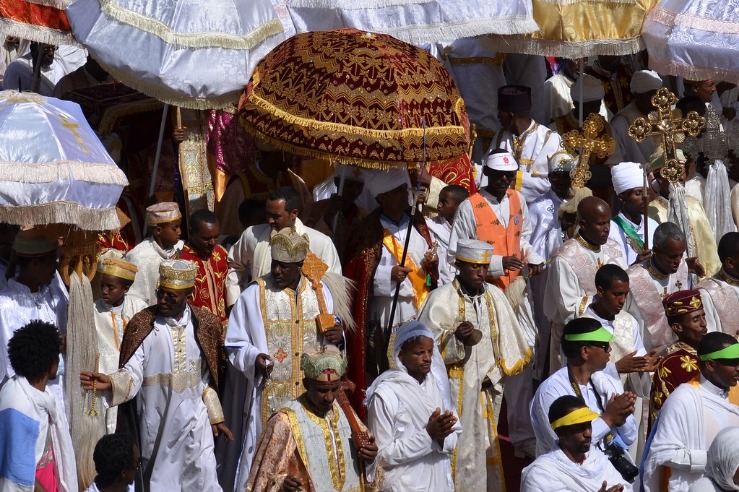
Within Ethiopian religious traditions, the Ark of the Covenant is highly revered and regarded as the ultimate symbol of God’s presence on Earth. It is central to various religious ceremonies and festivals, where it is believed that divine blessings are bestowed upon the faithful. The sanctity surrounding the Ark has contributed to its legendary status, inspiring legends, religious beliefs, and cultural practices that emphasize the divine connection between Ethiopia and its biblical past. The Ark’s cultural importance is also reflected in Ethiopian art, music, and literature, which often depict or reference its sacred nature, reinforcing its position as a cornerstone of Ethiopian Christianity and national identity.
Location and Custodianship of the Ark
The Ark of the Covenant is a sacred relic believed to hold immense religious and historical significance, particularly within Ethiopian tradition. Its precise location and custodianship have long been the subject of intrigue and reverence, with many asserting that it resides within the Ethiopian Orthodox Church, safeguarded in a secret chamber of the Church of Our Lady Mary of Zion in Axum. The enduring mystery surrounding the Ark’s whereabouts continues to inspire faith, speculation, and a deep sense of cultural identity for many Ethiopians and believers worldwide.
The Church of Our Lady Mary of Zion
The Church of Our Lady Mary of Zion in Ethiopia is renowned for its claim to house the legendary Ark of the Covenant. According to Ethiopian tradition, the Ark is kept within the church’s sacred sanctuary, guarded by a designated custodian who is traditionally a single monk designated for life. The church is situated in the sacred city of Axum, which is believed to be the historical resting place of the Ark and holds significant religious and cultural importance. The exact location of the Ark within the church is kept secret, and access to it is strictly limited to the guardian, fueling a sense of mystery and reverence surrounding its presence. Many believe that the Ark contains the original stone tablets of the Ten Commandments, making its custodianship an immensely sacred responsibility and a central aspect of Ethiopian Christian faith and heritage.
The Guardians and Keepers of the Ark
The Ark of the Covenant, believed to contain the sacred Ten Commandments, is said to reside in Ethiopia, specifically in the Church of Our Lady Mary of Zion in Axum. According to Ethiopian tradition, the Ark has been housed in this sacred church for centuries, protected by a series of custodians and guardians who ensure its safety and secrecy. These guardians are often monks and priests who are entrusted with the responsibility of preserving the Ark’s sanctity and preventing its exposure to the outside world.
The custodians of the Ark are regarded as the elite keepers of Ethiopia’s most sacred relic. They are traditionally chosen from the Ethiopian Orthodox Tewahedo Church and are bound by strict vows of secrecy and reverence. The guardianship is passed down through generations, with each keeper sworn to protect the Ark from theft, damage, or any form of profanation. Their role extends beyond mere physical protection to include spiritual safeguarding, ensuring the Ark remains a divine emblem for the Ethiopian faith.
Historically, the location of the Ark within the church is kept secret, and only a select few custodians are allowed near it. The Ethiopian Orthodox Church asserts that the Ark has been in Ethiopia since approximately the 10th century AD, brought there by Queen of Sheba or via other biblical narratives. Despite numerous claims and investigations, the precise whereabouts of the Ark remain a closely guarded secret, with the guardians and keepers playing a central role in maintaining its mystery and religious significance.
Unique Preservation and Secrecy
The Ark of the Covenant is believed to be housed in Ethiopia, specifically within the Church of Our Lady Mary of Zion in Axum. This sacred location has long been associated with the preservation of the Ark, which is considered one of the most holy relics in Ethiopian Christianity. The custodianship of the Ark is traditionally entrusted to a select group of clergy, who maintain its secrecy and ensure its protection from public view.
Unique preservation of the Ark is thought to be achieved through the sacred environment of the church, coupled with centuries-old traditions that safeguard its integrity. The secrecy surrounding its exact location and existence has contributed to the reverence and mystery that surround the relic, fueling numerous legends and beliefs about its divine origin and ongoing protection. The Ethiopian Orthodox Church upholds strict practices to preserve the Ark and guard its sanctity from external threats or profane sight.
Legends and Beliefs Associated with the Ark
The Ark of the Covenant holds a profound place in Ethiopian history and spiritual tradition, believed to be a sacred relic of immense significance. Legend has it that this revered object, said to contain the tablets of the Ten Commandments, was brought to Ethiopia by the son of King Solomon and the Queen of Sheba. Over centuries, the Ark has become a symbol of divine presence, faith, and national identity, inspiring numerous beliefs and legends that continue to fascinate people around the world.
The Miracle Powers and Divine Authority
The Ark of the Covenant holds a profound place in Ethiopian tradition, believed to embody divine authority and miraculous powers. According to legend, the Ark was brought to Ethiopia centuries ago and safeguarded within the sacred Church of Our Lady Mary of Zion in Axum, making it a symbol of divine connection and spiritual power for Ethiopians. Many believe that the Ark possesses supernatural abilities, serving as a conduit of God’s presence and blessings.
Throughout history, numerous beliefs and legends have surrounded the Ark, reinforcing its divine significance. These stories often emphasize its miraculous powers and the divine authority it bestows upon those who respect or possess it.
- The Ark is believed to have the power to grant divine protection and intervention in times of crisis.
- Legend states that only a chosen guardian, known as the “Guardian of the Ark,” can access its sacred contents, highlighting its divine authority.
- It is thought to possess healing powers and the capability to bring blessings upon a nation or community.
- Many Ethiopians believe the Ark is a symbol of God’s covenant with the people, representing divine approval and guidance.
- Miraculous events are said to have occurred in the presence of the Ark, strengthening its reputation as a divine vessel.
These beliefs affirm the Ark’s divine nature and continue to inspire reverence, faith, and national pride among Ethiopians, making it a unique spiritual symbol rooted in both legend and divine authority.
Legends of the Ark’s Origins
The Ark of the Covenant holds a profound place in Ethiopian legend and religious tradition, believed to be a sacred relic with divine origins. According to Ethiopian beliefs, the Ark was brought to Ethiopia by Menelik I, the son of King Solomon and the Queen of Sheba, establishing a divine connection to the biblical narrative. Over centuries, local legends have reinforced the sacred nature of the Ark, asserting it as a symbol of divine power and national identity.
- The origins of the Ark are shrouded in mystery, but Ethiopian tradition holds that it was created in the time of Moses and gifted to the ancient Kingdom of Israel.
- Legends suggest that the Ark was hidden in the holy city of Aksum to protect it from invaders and remains there to this day, guarded by monks and religious authorities.
- Some stories claim that the Ark possesses miraculous powers, capable of healing and providing divine protection to Ethiopia and its people.
- The belief in the Ark’s divine origin is reinforced by its presence in the Churches of Ethiopia, especially the Church of Our Lady Mary of Zion, where it is said to be kept in a chapel, inaccessible to most.
- Historical and religious legends continue to fuel fascination and reverence, leading many to see the Ark as a symbol of God’s covenant and Ethiopia’s unique spiritual heritage.
Prophecies and Its Future
The Ark of the Covenant holds a profound place in Ethiopian legend and religious belief, with many suggesting that it is housed within the Holy of Holies at the Church of Our Lady Mary of Zion in Axum. Its presence is considered a divine symbol of God’s covenant with the people of Israel, and it is surrounded by many legends asserting its protection and sanctity. According to Ethiopian tradition, the Ark was brought to Ethiopia by Menelik I, the son of King Solomon and the Queen of Sheba, establishing a spiritual and historical connection that endures to this day.
Believers regard the Ark as a sacred relic imbued with divine power, capable of bringing miracles and protection. Some legends claim that the Ark has miraculous abilities, such as healing or divine intervention, and that it remains a direct link between heaven and earth. The secrecy surrounding the Ark’s location has only heightened its mystique, fueling beliefs that it is hidden and protected from the outside world to preserve its sanctity.
Prophecies about the future of the Ark suggest that it will one day be revealed during a time of great spiritual revival or turmoil, serving as a sign of God’s ongoing covenant with Ethiopia and the world. Many Ethiopians believe that the Ark’s return will mark a new era of peace and divine blessing. Its future remains shrouded in mystery, but its significance continues to inspire faith, hope, and a deep sense of historical identity among Ethiopians. The Ark is seen not just as a relic of the past but as an integral part of Ethiopia’s spiritual destiny.
Physical Description and Revelation
The physical description and revelation of the Ark of the Covenant hold a profound place in Ethiopian tradition and history. Believed to be a sacred vessel, its appearance, size, and spiritual significance have fascinated scholars and believers alike. The Ark’s mysterious concealment and the divine revelations associated with it continue to inspire awe and curiosity, underscoring its importance in Ethiopia’s religious heritage.
Physical Characteristics of the Ark
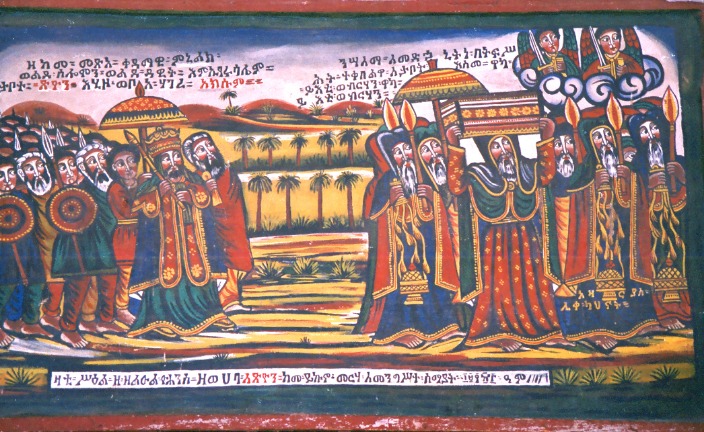
The Ethiopia Ark of the Covenant is believed to possess a significant and mysterious physical presence. It is described as a sacred, ancient wooden chest adorned with gold and intricate craftsmanship. The Ark is said to be roughly 2.5 cubits in length, 1.5 cubits in width, and 1.5 cubits in height, resembling a rectangular box with ornate decorations. Reports suggest that it is covered with pure gold both inside and out, with elaborate decorations and possibly gemstones. The physical characteristics emphasize its grandeur and divine significance, making it a revered relic. The Ark is often believed to emit an aura of spiritual power, and some claim to have seen a radiant glow or felt its divine energy when near it. Its physical description underscores its importance as a sacred object and a symbol of divine presence in Ethiopia.
Claims of Its Revelation and Viewing
The Ethiopia Ark of the Covenant is often described as a sacred and revered relic, believed to be a wooden chest adorned with gold and other precious materials. Its physical appearance is said to be awe-inspiring, symbolizing divine presence and authority, with some accounts describing it as intricately decorated and emitting a spiritual aura. Regarding its revelation, the Ark is believed to have been concealed and protected for centuries within the Church of Our Lady Mary of Zion in Ethiopia, accessible only to select guardians. Claims of its revelation and viewing are highly contested; some Ethiopian Christians assert that the Ark is kept hidden from the public but occasionally revealed in sacred ceremonies, while others question its existence altogether. The belief in the Ark’s divine origin and ongoing revelation remains a central element of faith in Ethiopia, fueling both religious devotion and curiosity among believers and skeptics alike.
Historical Evidence and Scholarly Perspectives
The Ethiopian Ark of the Covenant is often described as a sacred and mysterious relic, believed to be the original Ark housed in the Church of Our Lady Mary of Zion in Ethiopia. Its physical description is largely based on religious traditions rather than verified archaeological evidence, with descriptions often portraying it as a wooden box adorned with gold and intricate carvings. The precise appearance remains elusive due to the secrecy surrounding its existence. Revelation narratives suggest that the Ark is a divine presence entrusted to the Ethiopian Orthodox Church, and only a selected guardian is permitted to view it, fueling the aura of mystery. Historically, the Ark has been associated with biblical accounts of Moses receiving the Ten Commandments, and Ethiopia claims to have preserved it for centuries. Scholars remain divided; some consider the Ark to be a symbol of faith rather than a physical artifact, while others propose that it could be the genuine biblical relic. Archeological searches have yet to produce conclusive evidence, leading to a mixture of religious reverence and scholarly skepticism. The debate continues as historians, theologians, and archaeologists examine the evidence and traditions surrounding this revered relic.
Controversies and Debates
The story of the Ark of the Covenant has long fascinated scholars, religious followers, and historians alike, sparking numerous debates and controversies. In Ethiopia, the legend associating the Ark with the Holy City of Aksum has fueled intrigue and speculation about its true location and significance. These discussions often touch upon historical authenticity, religious beliefs, and cultural heritage, making the subject a complex and enduring topic of interest.
Authenticity and Historical Validity
The Ethiopia Ark of the Covenant has been a subject of intense controversy and debate among historians, theologians, and explorers for centuries. Many claim that the Ark, a sacred relic believed to hold the stone tablets of the Ten Commandments, is preserved in the Church of Our Lady Mary of Zion in Axum, Ethiopia. However, the authenticity of this claim remains disputed, with skeptics questioning whether the Ark ever arrived in Ethiopia or if it exists at all. Debates often center around the lack of direct archaeological evidence and the religious significance assigned to the relic, which fuels a mix of faith-based belief and historical uncertainty.
Moreover, arguments about the authenticity of the Ethiopian Ark intertwine with broader issues of historical validity. Some researchers argue that the Ark might be a religious artifact with symbolic importance rather than an authentic relic from biblical times. Others believe that geopolitical factors and religious traditions have contributed to the preservation and veneration of the Ark in Ethiopia, complicating efforts to verify its provenance. The debate continues to evoke passion and curiosity, highlighting the complex intersection of faith, history, and cultural identity surrounding this legendary artifact.
Political and Religious Implications
The Ethiopia Ark of the Covenant has been a subject of intense controversy and debate, intertwining religious beliefs, historical claims, and national identity. Many believe that the ark, a sacred relic described in the Bible, is housed in the Church of Our Lady Mary of Zion in Addis Ababa, Ethiopia, sparking debates over its authenticity and significance. Political implications arise as different factions and governments either support or challenge Ethiopia’s custodianship of such a vital religious symbol, often using it to bolster national pride or religious authority. Religious groups see the ark as a divine sign, which fuels debates over its legitimacy and religious importance, while others question the historical and archaeological evidence linking it to Ethiopia. These controversies also influence diplomatic relations, as access to or acknowledgment of the ark can become a point of contention between Ethiopia and other nations. Overall, the mystery surrounding the Ethiopia Ark of the Covenant continues to evoke passionate debates that encompass theological, political, and cultural dimensions, reflecting the deep-rooted significance of this relic in Ethiopian identity and religious history.
Modern-Day Significance and Preservation Efforts
The Ethiopia Ark of the Covenant has long been a subject of intense controversy and debate, with many questioning its true existence and location. Some believe it is housed within the Church of Our Lady Mary of Zion in Axum, Ethiopia, while others argue that its true whereabouts remain unknown or that it may have been stolen or lost over centuries. This uncertainty has fueled numerous religious, historical, and political discussions worldwide, highlighting the profound significance of the object in Ethiopian culture and Christian tradition.
In modern times, the Ark continues to hold great spiritual and national importance for Ethiopians and the broader Christian community. It symbolizes divine presence, faith, and national identity, inspiring both religious devotion and cultural pride. The mystery surrounding the Ark also attracts scholars, explorers, and tourists, adding to its modern-day allure and significance as a symbol of Ethiopia’s rich heritage.
Efforts to preserve the Ark and its associated sites are crucial for safeguarding Ethiopia’s cultural and religious history. Various initiatives aim to protect the church housing the Ark, promote archaeological research, and ensure that this invaluable artifact remains an integral part of Ethiopia’s spiritual legacy. These preservation efforts are vital for maintaining the cultural integrity and historical authenticity of a treasure that continues to captivate the world’s imagination.
Impacts on Ethiopian Society and Identity
The legend of the Ark of the Covenant has profoundly influenced Ethiopian society and identity, shaping cultural beliefs, religious practices, and national pride. As a sacred symbol believed to reside in Ethiopia, it has fostered a sense of unique heritage and spiritual significance, inspiring a deep connection among Ethiopians to their history and faith. This sacred artifact continues to play a vital role in defining Ethiopia’s identity on both a religious and cultural level, strengthening national unity and cultural pride.
Religious Identity and National Pride
The association of Ethiopia with the Ark of the Covenant has profound impacts on Ethiopian society and identity, strengthening a sense of historical continuity and spiritual significance. This belief reinforces national pride and fosters unity among Ethiopians, who see themselves as custodians of a sacred relic that symbolizes divine approval and divine favor. Religious identity, particularly within the Ethiopian Orthodox Tewahedo Church, is deeply intertwined with this heritage, shaping religious practices and cultural traditions that emphasize their unique spiritual legacy. Consequently, the Ark’s reputed presence in Ethiopia elevates the country’s status in the religious and historical landscape, fostering a collective identity rooted in faith, history, and cultural pride. This connection not only reinforces religious devotion but also bolsters a sense of resilience and sovereignty among Ethiopians, shaping their societal values and worldview for generations.
The Ark as a Symbol of Ethiopia’s Heritage
The Ark of the Covenant holds a profound significance in Ethiopian society and identity, serving as a powerful emblem of religious devotion and national heritage. For centuries, Ethiopia has revered the Ark as a symbol of divine legitimacy and spiritual continuity, intertwining its religious traditions with national pride. The belief that the Ark is housed in the Church of Our Lady Mary of Zion in Axum has reinforced Ethiopia’s unique religious status within the broader Christian community, fostering a sense of unity and cultural identity among Ethiopians. The Ark acts as a tangible connection to Ethiopia’s ancient history, inspiring religious practices, festivals, and cultural narratives that strengthen communal bonds and reinforce a shared sense of heritage. Its role as a national symbol has also contributed to Ethiopia’s resilience and independence, embodying the enduring faith and historical legacy of the Ethiopian people.
Tourism and Cultural Preservation
The legend of the Ark of the Covenant has significantly influenced Ethiopian society and identity, shaping a sense of spiritual heritage and national pride. It reinforces Ethiopia’s historical claim as the guardian of a sacred relic, strengthening cultural identity and religious significance among its people. This divine connection fosters unity and a unique national character rooted in ancient traditions.
Regarding tourism, the Ark elevates Ethiopia’s status as a pilgrimage destination, attracting devotees and tourists worldwide interested in its spiritual and historical significance. Visitors travel to sites like the Church of Our Lady Mary of Zion, boosting local economies and promoting cultural exchange.
In terms of cultural preservation, the Ark’s revered status encourages the safeguarding of religious sites, artifacts, and traditions associated with its legacy. This emphasis on preservation ensures that Ethiopia’s rich spiritual and cultural heritage remains resilient and continues to be celebrated for generations to come.




0 Comments