
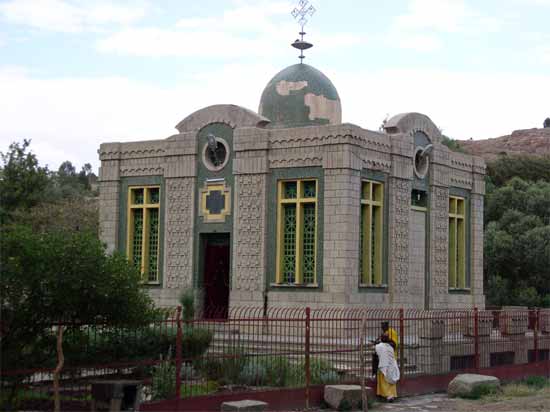
Historical Significance of the Ark of the Covenant
The Ark of the Covenant holds a profound historical and spiritual significance in Ethiopian tradition, believed to be a sacred relic that exemplifies divine presence and national identity. According to Ethiopian lore, the ark has been safeguarded within the Church of Our Lady Mary of Zion in Axum for centuries, symbolizing a powerful link between faith, history, and sovereignty. Its mysterious origins and enduring legacy continue to inspire reverence and curiosity among scholars and believers alike, making it a unique emblem of Ethiopia’s rich cultural heritage.
Origins and Biblical Accounts
The Ark of the Covenant holds profound historical and spiritual significance in Ethiopian tradition, as it is believed to be housed in the Ethiopian Orthodox Church of Our Lady Mary of Zion in Axum. According to biblical accounts, the Ark was constructed to hold the stone tablets of the Ten Commandments given to Moses on Mount Sinai, symbolizing God’s covenant with the Israelites. The origins of the Ark are shrouded in mystery, with various legends suggesting it was crafted during the time of Moses and later transported to Ethiopia by Menelik I, the son of King Solomon and the Queen of Sheba. Ethiopian tradition maintains that the Ark was brought to Aksum to secure its sacred relics and protect them from invaders. The biblical narrative describes the Ark as a divine vessel that facilitated God’s presence among His people, playing a central role in religious rituals and national identity. Over centuries, the Ark has become a powerful symbol of faith, divine authority, and national heritage in Ethiopia, fueling stories of its divine protection and spiritual significance. Its exact current location remains a mystery, but it continues to be a revered national treasure and a focal point of Ethiopian religious life and historical pride.
Role in Ancient Ethiopian Civilization
The Ark of the Covenant holds profound historical significance in Ethiopian civilization, symbolizing divine presence and national identity. According to Ethiopian tradition, the Ark was transported to Ethiopia by Menelik I, son of King Solomon and the Queen of Sheba, establishing a sacred link between the Ethiopian monarchy and divine authority. This legendary relic has been revered as a symbol of God’s covenant with the Ethiopian people and their spiritual heritage. Throughout centuries, the Ark has played a central role in religious ceremonies and national identity, especially within the Ethiopian Orthodox Tewahedo Church. Its believed safekeeping in the Church of Our Lady Mary of Zion in Axum has made Ethiopia a unique guardian of this sacred artifact, enhancing its historical and spiritual importance in African and world history. The Ark’s enduring presence continues to influence Ethiopian culture, religion, and national pride, underscoring its legendary status as a divine relic integral to Ethiopia’s ancient civilization.
Historical Records and Oral Traditions
The Ark of the Covenant holds immense historical significance in Ethiopia due to its deep roots in religious tradition and national identity. According to Ethiopian oral traditions and religious records, the Ark is believed to be housed in the Church of Our Lady Mary of Zion in Axum, making Ethiopia a central figure in the history of this sacred relic. These traditions have been preserved for centuries, reinforcing Ethiopia’s claim as the guardian of the Ark and shaping its cultural and spiritual heritage.
Historical records, both ancient and modern, recount the origins and alleged journey of the Ark, linking it to biblical events and Ethiopian history. These documents, often intertwined with oral traditions, highlight Ethiopia’s unique role in the narrative of the Ark’s significance, fostering a sense of identity and continuity among Ethiopians. The combination of these records and oral histories underscores the deep reverence and mystique surrounding the Ark of the Covenant within Ethiopian society.
Theories About the Location of the Ark in Ethiopia
The mystery surrounding the Ark of the Covenant has captivated historians, believers, and explorers for centuries, with Ethiopia emerging as a significant focal point in these intriguing theories. Various claims suggest that the sacred relic is kept in hidden locations within the country, igniting a fascination with Ethiopia’s rich religious heritage and ancient traditions. These theories continue to fuel debates and discoveries, making Ethiopia a central subject in the ongoing quest to uncover the Ark’s true whereabouts.
The Church of Our Lady Mary of Zion
The Church of Our Lady Mary of Zion in Ethiopia is often associated with the legendary location of the Ark of the Covenant. According to Ethiopian tradition, the Ark has been kept within the church’s sanctuary for centuries, guarded by a single guardian priest who is forbidden to reveal its location. Several theories suggest that the Ark was brought to Ethiopia by the son of King Solomon and the Queen of Sheba, and has been preserved there ever since. Some scholars believe that the Ark may be hidden in a secret chamber beneath the church, or in an undisclosed, sacred site within the Ethiopian highlands. The existence and location of the Ark remain a topic of mystery and faith, fueling both religious devotion and archaeological intrigue in Ethiopia and beyond.
Hidden in Lalibela or Other Sacred Sites
Many theories suggest that the Ark of the Covenant is hidden somewhere in Ethiopia, with Lalibela often cited as a key location. Lalibela is renowned for its rock-hewn churches, which some believe were built to protect sacred relics, including the Ark. According to local tradition, the Ark was brought to Ethiopia by Menelik I, son of King Solomon and the Queen of Sheba, and has been kept in the country ever since. Other sacred sites, such as Aksum, also claim to house the Ark, supported by ancient manuscripts and religious texts. These theories are fueled by Ethiopia’s rich Christian heritage and the belief that the Ark remains a divine mystery, safeguarded away from the world’s view. Despite lack of concrete archaeological evidence, the idea that the Ark is hidden within Ethiopia continues to inspire curiosity and religious devotion among many believers and scholars alike.
Secret Storage and Preservation Sites
The location of the Ark of the Covenant in Ethiopia has long been the subject of speculation and intrigue, with many scholars and explorers believing it is hidden in a secret storage or preservation site within the country. According to Ethiopian tradition, the Ark resides in the Church of Our Lady Mary of Zion in Axum, guarded by monks who are sworn to secrecy. Other theories suggest that the Ark may be concealed in remote caves or hidden chambers deep within the Ethiopian highlands, protected from any potential threats or invasions. Some researchers propose that ancient sites, such as Lalibela or other ancient monasteries, could serve as secure locations where the Ark has been kept safe over centuries. These theories are often supported by legends, religious beliefs, and historical accounts that emphasize Ethiopia’s unique connection to the Ark, making it one of the most sought-after relics in biblical history. The preservation of the Ark remains a profound mystery, fueling speculation about secret vaults and ancient sanctuaries that continue to elude modern discovery.
Cultural and Religious Importance in Ethiopia
Ethiopia holds a profound cultural and religious significance, deeply rooted in its history and traditions. It is a nation renowned for its ancient Christian heritage, diverse religious practices, and rich cultural heritage. Central to its spiritual identity is the legendary Ark of the Covenant, which is believed to be housed within the Church of Our Lady Mary of Zion in Axum. This sacred relic symbolizes divine connection and national pride, making Ethiopia a unique and spiritually important country in the world. The country’s religious sites, festivals, and traditions continue to reflect its deep reverence for faith and history.
Symbol of Divine Authority and Power
The Ark of the Covenant holds profound cultural and religious significance in Ethiopia, symbolizing divine authority and power. It is revered as a sacred relic believed to house the tables of the Ten Commandments and serve as a direct link to God’s presence among His people. In Ethiopian tradition, the Ark embodies the divine right of Ethiopian monarchs, who are seen as chosen by God to uphold spiritual and temporal authority.
- Representation of God’s divine authority bestowed upon Ethiopian kings and leaders
- Central to Ethiopian Christianity and religious ceremonies, symbolizing God’s covenant with His people
- Integral to national identity and cultural heritage, reinforcing Ethiopia’s historical status as a Christian nation
- Guardian of spiritual power, believed to have miraculous properties and divine protection
- Embodies the connection between the earthly realm and the divine, serving as a symbol of divine approval and legitimacy
Integration into Ethiopian Christianity
Ethiopia holds a profound cultural and religious significance, particularly in its integration with Christianity, exemplified by the legendary Ark of the Covenant. The Ark, believed to contain the original tablets of the Ten Commandments, is central to Ethiopian spiritual heritage and is revered as a sacred symbol of divine presence. According to Ethiopian tradition, the Ark is kept in the Church of Our Lady Mary of Zion in Axum, making it a pivotal element of national identity and religious devotion. This deep connection between the Ark and Ethiopian Christianity underscores the country’s unique spiritual history, blending ancient tradition with its Christian faith, and highlights Ethiopia’s role as a custodian of one of the world’s most revered religious relics. The reverence for the Ark influences religious festivals, pilgrimage practices, and national pride, reaffirming Ethiopia’s status as a spiritual homeland in African Christianity.
Annual Celebrations and Rituals
Ethiopia holds a profound cultural and religious significance rooted in its ancient history and traditions. Central to this heritage is the belief that the Ark of the Covenant, a sacred relic, is housed within the Ethiopian Orthodox Tewahedo Church in the city of Axum. This belief greatly influences the spiritual life and customs of the Ethiopian people, symbolizing divine protection and national identity.
Annual celebrations and rituals in Ethiopia are deeply intertwined with its religious heritage. The Timket Festival, marking the Epiphany, is one of the most important events, featuring vibrant processions, ceremonial washing of the priest’s robes, and the reenactment of the baptism of Jesus. This festival exemplifies the community’s devotion and cultural unity.
Another significant celebration is Meskel, which commemorates the discovery of the True Cross by Queen Helena. During this lively festival, enormous bonfires called Demera are lit, accompanied by traditional music, dance, and religious processions. These rituals serve to reinforce faith, cultural identity, and national pride among Ethiopians.
Architectural and Artistic Aspects
Ethiopia boasts a rich architectural and artistic heritage that reflects its ancient history and cultural significance. Central to this heritage is the legendary Ark of the Covenant, which has inspired intricate religious artworks and historic structures. The interplay of sacred symbolism and artistic craftsmanship in Ethiopian architecture offers a unique glimpse into the nation’s spiritual legacy, blending tradition with creativity.
Chamber Housing the Ark
The chamber housing the Ark of the Covenant in Ethiopia is renowned for its unique architectural and artistic features that reflect deep religious significance. Known as the Sanctuary of the Ark within the Saint Mary of Zion Church in Axum, this sacred space is characterized by its simple yet reverent design, emphasizing spiritual focus rather than ornate decoration. The interior is modest with stone walls and a wooden altar that serve to highlight the sanctity of the Ark kept within a sealed chapel.
Artistically, the chamber is notable for its symbolic craftsmanship, often decorated with traditional Ethiopian Christian motifs and iconography that underscore the profound connection between faith and cultural identity. Despite the simplicity of its architecture, the chamber’s spiritual aura is amplified by the reverent atmosphere and the centuries-old art that adorns its space, creating an environment that underscores the sacred nature of the Ark of the Covenant. The fusion of architecture and art in this chamber exemplifies Ethiopia’s deep heritage of religious devotion and its role as a custodian of one of history’s most revered religious artifacts.
Religious Artifacts and Icons Depicting the Ark
The architectural and artistic aspects surrounding the Ark of the Covenant in Ethiopia are deeply intertwined with the country’s rich religious history and cultural heritage. Historically, Ethiopian churches and monasteries have constructed elaborate chapels and shrines to house the Ark, often adorned with intricate carvings, vibrant frescoes, and gold leaf embellishments that reflect their reverence. These structures serve not only as sacred spaces but also as masterpieces of Ethiopian ecclesiastical architecture, blending Byzantine influences with indigenous styles.
Religious artifacts and icons depicting the Ark play a significant role in Ethiopian spiritual practice and artistic expression. Illuminated manuscripts, embroidered textiles, and carved wooden panels often depict the Ark as a divine throne or a celestial vessel, emphasizing its sanctity and mystical significance. Iconography shows the Ark surrounded by angels, saints, and biblical scenes, illustrating its central role in the Ethiopian Orthodox Tewahedo Church. These artifacts are carefully preserved and revered, symbolizing Ethiopia’s unique claim to possessing the true Ark of the Covenant and underscoring its spiritual and national identity.
Influence on Ethiopian Religious Architecture
The architectural and artistic aspects of Ethiopian religious structures are deeply rooted in the country’s rich cultural heritage, particularly reflected in the design of churches and monasteries that house sacred relics such as the Ark of the Covenant. Ethiopian religious architecture is characterized by its distinctive rock-cut churches, majestic stone walls, and intricate iconography that convey spiritual symbolism and divine authority. The use of locally sourced materials and unique construction techniques has fostered a sense of continuity with ancient traditions, creating a visual language that is instantly recognizable. Artistic elements such as vibrant frescoes, detailed woodwork, and elaborate gold embellishments enhance the spiritual atmosphere and serve as visual catechism, reinforcing doctrinal teachings. These architectural and artistic features have profoundly influenced Ethiopian religious architecture by establishing a stylistic identity that emphasizes verticality, sacred geometry, and the integration of art with sacred space. The reverence for the Ark of the Covenant has further shaped the design of churches to reflect divine presence, inspiring structures that inspire awe and elevate spiritual experience, thus cementing Ethiopia’s unique status within the Christian world.
Contemporary Perspectives and Research
Contemporary perspectives and research in language English provide valuable insights into how historical and cultural narratives are communicated and understood across different societies. In the context of Ethiopia and the Ark of the Covenant, these perspectives shed light on the significance of linguistic expression in preserving and transmitting legends, religious beliefs, and national identity. Exploring these dimensions reveals the interplay between language, history, and cultural heritage in shaping Ethiopia’s unique historical landscape.
Archaeological Expeditions and Discoveries
Contemporary perspectives and research on Ethiopia and the Ark of the Covenant focus on ongoing archaeological expeditions aimed at uncovering the historical and religious significance of this legendary artifact. Scholars and explorers have long debated the true location of the Ark, with Ethiopia playing a central role due to its biblical associations and the tradition preserved by the Ethiopian Orthodox Church. Recent excavations near sacred sites such as Aksum and Lalibela have yielded intriguing artifacts and structures that may offer clues to the Ark’s whereabouts. Advances in archaeological technology, including ground-penetrating radar and Remote Sensing, have enhanced efforts to explore these ancient sites without disturbing their sanctity. Discoveries of ancient inscriptions and relics continue to fuel the fascination with Ethiopia as a potential resting place for the Ark, inspiring both scholarly investigation and spiritual reverence. These research endeavors contribute significantly to our understanding of Ethiopia’s ancient history and its enduring religious traditions associated with the Ark of the Covenant.
Academic and Theological Debates
Contemporary perspectives and research on Ethiopia and the Ark of the Covenant encompass a wide range of academic and theological debates. Scholars explore the historical, religious, and cultural significance of the Ark within Ethiopian tradition, particularly its reputed residence in the Church of Our Lady Mary of Zion. These discussions often involve analyzing archaeological evidence, historical documents, and theological claims to understand the Ark’s current location and spiritual importance.
- Many researchers examine Ethiopian claims of possessing the Ark, considering archaeological and textual evidence to support or refute these assertions.
- Debates also center around the theological implications of Ethiopia’s custodianship of the Ark, emphasizing its divine significance in Ethiopian Christianity and its role as a symbol of national identity.
- Contemporary studies include examining the interactions between Ethiopian Orthodox Christianity and other religious traditions regarding the Ark, fostering dialogue on religious heritage and preservation.
- Some scholars question the historical authenticity of the Ark’s presence in Ethiopia, proposing alternative theories based on historical records and archaeological findings.
- Theological debates also explore the spiritual authority associated with the Ark, examining its symbolism within Ethiopian liturgy and religious practice.
- Research continues to explore the potential archaeological markers that could verify the Ark’s location and origins.
- Academic discussions frequently focus on the contextualization of Ethiopian traditions within broader Judeo-Christian history.
- Debates extend to issues of cultural heritage and the preservation of sacred relics amid modern political and social changes in Ethiopia.
National and Global Significance
Contemporary perspectives and research on Ethiopia’s connection to the Ark of the Covenant hold significant national and global importance, reflecting both historical intrigue and religious reverence. Scholars and historians continuously explore archaeological, biblical, and cultural evidence to understand Ethiopia’s unique claim as the custodians of this sacred relic, which is believed to reside in the Church of Our Lady Mary of Zion in Axum. These studies not only deepen Ethiopia’s spiritual heritage but also contribute to global religious and cultural dialogues, emphasizing the enduring legacy of faith and tradition across nations.
- Enhanced understanding of Ethiopian history and its ancient civilizations through archaeological research
- Strengthening Ethiopia’s cultural identity and national pride rooted in its religious traditions
- Fostering interfaith dialogue and mutual respect among different religious communities worldwide
- Promoting scholarly interest and tourism, which boosts Ethiopia’s economy and global visibility
- Contributing to broader discussions on sacred relics, their significance, and preservation in modern times
Controversies and Mythologies Surrounding the Ark
The Ark of the Covenant has long captivated the imagination of historians, theologians, and adventurers, especially in the context of Ethiopia where it is believed to reside. Over centuries, numerous controversies and myths have developed around its true location, origins, and significance. These stories often intertwine religious beliefs with historical narratives, fueling debates and extraordinary claims about Ethiopia’s sacred connection to this ancient relic.
Claims of Authenticity and Verification
The Ark of the Covenant remains one of the most mystic and debated artifacts linked to Ethiopia, with many controversies and myths surrounding its existence and authenticity. Some believe that the Ark is housed within the Church of Our Lady Mary of Zion in Axum, Ethiopia, and that it has been preserved there for centuries. However, this claim is met with skepticism by many scholars and religious authorities who argue that there is no conclusive proof of the artifact’s presence or authenticity. Various expeditions and investigations have attempted to verify the Ark’s existence, but none have produced definitive evidence that can be independently validated. As a result, the claims of authenticity often rely on oral traditions, religious beliefs, and local legends, which complicate efforts to verify the relic’s true nature. This controversy fuels ongoing debates about whether the Ark still exists, whether it is authentic, or if it is a symbol of faith and national heritage rather than an historical artifact.
Legends and Folklore
The Ark of the Covenant holds a central place in Ethiopian tradition and folklore, fueling numerous controversies and legends. According to Ethiopian belief, the Ark was brought to Ethiopia by Menelik I, the son of King Solomon and the Queen of Sheba, and has been kept in the Church of Our Lady Mary of Zion in Axum ever since. This claim challenges many archaeological and historical perspectives that generally associate the Ark with ancient Israel. Over centuries, various legends have circulated about the Ark’s power and divine origins, often attributing to it miraculous qualities and divine protection. Conspiracy theories suggest that the Ethiopian Church possesses the genuine Ark, which some factions deny or seek to uncover, sparking debates among scholars and believers alike. These stories contribute to a mythic aura surrounding Ethiopia as the spiritual guardian of the sacred relic, intertwining faith, history, and legend in a complex tapestry that continues to inspire fascination and controversy worldwide.
Impact on Ethiopian Identity and Politics
The Ark of the Covenant holds a profound place in Ethiopian history and cultural identity, yet it is also enveloped in numerous controversies and myths that influence contemporary politics and national pride. The legend that the Ark is housed in the Church of Our Lady Mary of Zion in Axum symbolizes Ethiopia’s ancient connection to divine authority and legitimacy, fostering a strong sense of heritage among Ethiopians.
Several myths contribute to shaping Ethiopian perceptions of the Ark, including claims that it was brought to Ethiopia by Menelik I, the son of King Solomon and the Queen of Sheba, establishing a divine right to rule derived from biblical origins. These stories reinforce themes of divine kingship and national uniqueness, which have been pivotal in shaping Ethiopian political legitimacy over centuries.
The controversies include debates over the whereabouts and authenticity of the Ark, with some scholars and religious groups asserting that the Ark is still present in Ethiopia, guarded in secrecy, while others believe it may have been lost or hidden elsewhere. This mystery fuels national pride and religious devotion but also causes tension between different factions and faith communities within Ethiopia.
- The myth of the Ark’s divine origin strengthens Ethiopia’s historical claim to continuity and religious centrality in Africa.
- The secrecy surrounding the Ark’s location fuels national myths and enhances Ethiopia’s spiritual significance on the global stage.
- Disputes over the authenticity and preservation of the Ark influence political debates over religious authority and national heritage.
- The belief in the Ark’s presence contributes to the political unity of Ethiopia by serving as a collective symbol of divine legitimacy and sovereignty.
Overall, the stories and controversies surrounding the Ark of the Covenant are deeply intertwined with Ethiopian identity, shaping political narratives, religious practices, and national pride. These myths continue to impact Ethiopia’s internal and external politics, reinforcing a sense of divine destiny and historical uniqueness that remains central to Ethiopian culture today.




0 Comments