
Geography of Ethiopia
Ethiopia is a landlocked country located in the Horn of Africa, known for its diverse geography and rich natural landscape. It features high mountain ranges, vast plateaus, deep valleys, and extensive savannas. The Great Rift Valley runs through the country, supporting unique ecosystems and fertile lands. Ethiopia’s varied climate and terrain have significantly influenced its culture, agriculture, and history.
Location and Size
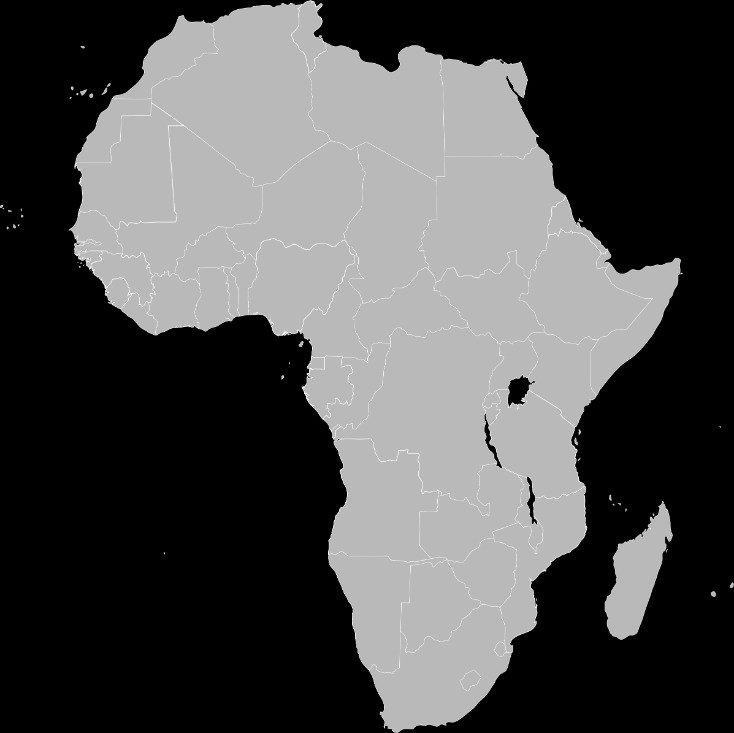
Ethiopia is a country located in the Horn of Africa, in the eastern part of the continent. It is one of the largest countries in Africa, covering an area of approximately 1,104,300 square kilometers. The country shares borders with Eritrea to the north, Djibouti and Somalia to the east, Sudan and South Sudan to the west, and Kenya to the south. Ethiopia’s diverse geography includes highlands, mountains, plateaus, and lowlands, making it a country with rich natural features and varied climate zones.
Topography and Landscape
Ethiopia is a land of diverse geography, characterized by rugged highlands, expansive plains, and significant mountain ranges. The country’s topography is predominantly mountainous, with the Ethiopian Plateau covering much of the region, creating a varied landscape that influences climate and agriculture. The Great Rift Valley runs through Ethiopia from north to south, featuring deep valleys, lakes, and volcanic formations, adding to the country’s unique terrain. In the eastern and southeastern parts, semi-arid plains and desert landscapes are prevalent, supporting different vegetation and wildlife. Overall, Ethiopia’s diverse topography makes it a country with a rich and varied landscape, shaped by volcanic activity and tectonic movements over millions of years.
Major Rivers and Lakes
የኢትዮጵያ መሠረታዊ ባህል እናግኝ ምድር ስለሆነ ባህል እና ሃይማኖት በፍጥነት ሰፊ ዓለም እንደገና ታወቀ። ኢትዮጵያ በፍልስፍና ሁኔታ እና በብዙ የግንዛቤ ቦታ ያለች ናት። የምድር ቅርጸት እና መንገድ ባህል የሚያሰማራዎት አንዱ በግልፅ ውስጥ ያሉ ነገሮች ናቸው።
- መንገዶች እና ሀይል እና መስተዳደሪያ የተካተቱ ባህላዊ እና ተለዋዋጭ ምድር ናቸው።
- ኢትዮጵያ በሚገኝበት እና ላይ ያለ ከተሞች በመሆኑ ሰፊ በሆነ ምንዱ ቤተ መእስ ናቸው።
- Major Rivers in Ethiopia
- Blue Nile (Abay River)
- Awash River
- Omo River
- Tekeze (Setit) River
- Baro River
- Major Lakes in Ethiopia
- Lake Tana
- Lake Hayq
- Lake Ziway
- Lake Abaya
- Lake Chamo
Climate Zones
Ethiopia’s geography is diverse and complex, featuring a high central plateau surrounded by lowlands. The country is landlocked in the Horn of Africa and includes mountain ranges such as the Simien and Bale Mountains. It has numerous lakes, including Lake Tana, the largest in Ethiopia, which is the source of the Blue Nile. The terrain varies from rugged mountains to flat plains, contributing to its rich ecological diversity.
The climate zones of Ethiopia are equally varied. The highland areas experience a cool, temperate climate with considerable rainfall, supporting lush vegetation and agriculture. The lowland regions, particularly in the east and south, tend to have arid or semi-arid conditions with hotter temperatures. The climate influences agricultural patterns and the lifestyles of the different communities across the country, making Ethiopia a region of significant climatic diversity.
History of Ethiopia
Ethiopia, one of the oldest nations in the world, boasts a rich and diverse history that dates back thousands of years. Known for its ancient civilizations, it was the cradle of the Kingdom of Aksum, one of the earliest Christian empires. Throughout centuries, Ethiopia has preserved its unique cultural heritage, resisting colonization and maintaining its independence. Its history is a testament to resilience, tradition, and the enduring spirit of its people.
Ancient Civilizations
Ethiopia, known in Amharic as ኢትዮጵያ, has a rich history that dates back thousands of years, making it one of the oldest nations in the world. Ancient Ethiopia was home to the Kingdom of D’mt and later the Kingdom of Aksum, which was a powerful trading empire and one of the earliest civilizations to adopt Christianity. The Aksumite Empire is renowned for its impressive obelisks, rich cultural heritage, and the enduring legacy of the Queen of Sheba. Throughout centuries, Ethiopia maintained its independence, preserving its unique traditions and contributing significantly to the development of early civilization. Its ancient history is also marked by a complex blend of indigenous cultures, religious influences, and historical resilience.
Medieval Period
The medieval period in Ethiopia was a time of significant historical development, marked by the establishment of powerful kingdoms and the spread of Christianity. During this era, the Kingdom of Aksum declined, paving the way for the rise of other dynasties such as the Zagwe and Solomonic dynasties. The Zagwe rulers are credited with the construction of the famous rock-hewn churches of Lalibela, which remain a testament to Ethiopia’s rich religious heritage. The Solomonic dynasty, claiming descent from King Solomon and the Queen of Sheba, solidified Christian traditions and expanded territorial boundaries. Throughout this period, Ethiopia maintained its independence and developed a unique culture, language, and religious identity that continue to influence the nation today.
Colonial Impact and Resistance
Ethiopia, one of the oldest nations in Africa, boasts a rich history that dates back thousands of years. It is renowned for its ancient civilizations, including the Kingdom of Aksum, which was a major trading empire and one of the earliest states to adopt Christianity. The country’s history is marked by its resilience and independence, maintaining sovereignty through centuries of external threats and internal transformations.
The colonial impact on Ethiopia was minimal compared to other African nations, as it successfully resisted colonization during the Scramble for Africa. However, Italy attempted to occupy Ethiopia during the Second Italo-Ethiopian War (1935-1936), resulting in a brief period of Italian occupation. This period brought significant disruption, including infrastructural changes and social upheavals, but Ethiopian resistance remained strong, culminating in the defeat of Italian forces and the restoration of Ethiopian sovereignty.
Throughout its history, Ethiopia demonstrated remarkable resistance to colonial domination through guerrilla warfare, international diplomacy, and national unity. The victory over Italian colonizers became a symbol of national pride and resilience. The history of Ethiopia’s resistance continues to inspire pride among its people and underscores the importance of independence and sovereignty in the nation’s identity.
Modern Era Developments
Ethiopia has a rich and ancient history, being one of the oldest civilizations in Africa, with roots tracing back thousands of years. In the modern era, Ethiopia experienced significant political and social developments, especially during the 19th and 20th centuries. The overthrow of Emperor Haile Selassie in 1974 marked the beginning of a communist regime led by the Derg, which lasted until 1991. After the fall of the Derg, Ethiopia transitioned to a federal parliamentary republic, embracing reforms and efforts towards modernization. Recent decades have seen economic growth, infrastructural development, and increased participation in international affairs, positioning Ethiopia as a vital player in the Horn of Africa. Throughout these changes, Ethiopia has maintained its cultural heritage and continues to evolve as a key nation in the region.
Culture and Society
Culture and society in Ethiopia are rich and diverse, reflecting a long history of traditions, languages, and customs. The country’s unique cultural heritage is shaped by various ethnic groups, each contributing their own distinctive practices and beliefs. Understanding Ethiopia’s societal fabric offers insights into its vibrant communities and the ways in which history and culture influence everyday life.
Languages Spoken
Ethiopia is a country rich in culture and societal diversity, with a history that dates back thousands of years. Its cultural heritage is reflected in its religious traditions, festivals, and daily life, which are deeply rooted in its ancient history.
Languages spoken in Ethiopia are diverse, with Amharic serving as the official language and widely spoken across the country. In addition to Amharic, there are numerous regional languages such as Oromo, Tigrinya, Somali, and Sidamo, highlighting the country’s multicultural society.
The society in Ethiopia is characterized by strong community bonds, traditional practices, and a deep respect for elders and cultural customs. Music, dance, and cuisine play vital roles in uniting people and preserving their cultural identity.
Religious Diversity
ኢትዮጵያ በዓለም ከፍተኛ ሃገር ናት እና ብዙ ሃይማኖት እና ባህላዊ ልዩነቶች ባሉበት አካባቢ እንደ ሀገር ያገኝ እና ያገኘው የባህል እና ሃይማኖት ዕውቀት ብዙ ሰዎችን ያስተላልፋል።
ኢትዮጵያ የባህል ተለዋዋጭነት እና ባህል ሁኔታዎች ስለሚኖሩ ባህላዊ ተወዳድሮች ብዙ እና በተለያዩ ሃይማኖቶች ተሞልቷል። ፣የኢትዮጵያ እውነተኛ ሃይማኖት የእንግሊዝ ደብዳቤዎችና የቅዱሳን ሃይማኖት እንዲሁም የእስልምና እና የዲሎክ ሃይማኖቶች እንደምሆኑ ተለዋዋጭ ናቸው።
ባህላዊ ልዩነቶች ሲኖሩም ፣ኢትዮጵያ የአካባቢ ሕብረቱ እና ፍትሕ መሠረት ስለሚኖሩ ድጋፍ እንዲሁም የቻል ተለዋዋጭ አካል ለመሆን ያንፈልጋሉ። በእነዚህ የባህል እና የሃይማኖት ልዩነቶች ሁሉ ውስጥ መንፈሳዊ ተስማሚነትን ለመስጠት ፣እርስ በርስ ተስማሚነት እንደሚኖረው እቅድ እንደምንሆን እያምናል።
Traditional Customs and Practices
Ethiopia boasts a rich cultural heritage deeply rooted in its history, diverse traditions, and customs that have been passed down through generations. The society is characterized by its strong sense of community, respect for elders, and commitment to hospitality. Traditional practices such as the Ethiopian Orthodox Christian rituals, festive celebrations like Timket and Meskel, and unique culinary traditions exemplify the cultural identity of the Ethiopian people. These customs play a vital role in maintaining social cohesion and fostering a sense of belonging among the inhabitants, reflecting the enduring nature of Ethiopia’s cultural legacy.
Festivals and Celebrations
Ethiopia is a country rich in culture and society, with a diverse array of festivals and celebrations that reflect its ancient history and vibrant traditions. Its cultural heritage is deeply rooted in its customs, language, music, and religious practices, making it a unique mosaic of influences and identities.
One of the most important celebrations in Ethiopia is Enkutatash, the Ethiopian New Year, marked by colorful ceremonies, singing, dancing, and exchanging gifts. Other significant festivals include Timket, the Epiphany celebration, which commemorates the baptism of Jesus Christ and features elaborate processions and immersions in holy water.
Additionally, the Gena festival, celebrating Christmas, is widely observed with church services, family gatherings, and traditional Ethiopian cuisine. These festivals not only serve religious purposes but also strengthen community bonds and preserve cultural traditions across generations.
In Ethiopian society, music and dance play a vital role during celebrations, showcasing indigenous instruments, rhythmic movements, and folk songs that tell stories of history, faith, and everyday life. The diverse cultural landscape of Ethiopia, with over 80 ethnic groups, ensures that festivals are deeply personalized, reflecting the distinct identities of each community.
Overall, Ethiopia’s festivals and celebrations are lively expressions of its cultural richness, uniting people in joy and shared heritage, and offering a window into the nation’s historical and social fabric.
Economy of Ethiopia
Ethiopia’s economy is one of the fastest-growing in Africa, characterized by a diverse mix of agriculture, industry, and services. Despite historical challenges, the country has seen significant improvements in infrastructure, investment, and economic policies, contributing to its development. Understanding Ethiopia’s economy provides valuable insights into its potential for future growth and development.
Agriculture and Farming
Ethiopia’s economy is primarily driven by agriculture, which remains the backbone of the country’s development. Agriculture employs the majority of the population and contributes significantly to the nation’s GDP. The sector largely relies on smallholder farming, with crops such as coffee, teff, maize, and wheat being the main staples. Ethiopia is renowned for its coffee production, which is a vital export commodity and a major source of foreign income.
Agriculture and farming in Ethiopia face various challenges, including limited access to modern technology, inconsistent rainfall, and inadequate infrastructure. Despite these obstacles, the government and various organizations are working towards improving productivity through initiatives that promote sustainable farming practices, irrigation, and diversification of crops.
The Ethiopian government is also focusing on transforming agriculture through policies aimed at mechanization, export promotion, and integrating agriculture into broader economic development plans. Overall, agriculture remains central to Ethiopia’s economy, with ongoing efforts to enhance productivity, ensure food security, and support economic growth.
Major Industries
Ethiopia’s economy is one of the fastest-growing in Africa, characterized by a mix of agriculture, industry, and services sectors. Agriculture remains the backbone of its economy, providing employment for the majority of the population and contributing significantly to the GDP. The country has been making significant efforts to diversify its economy and promote industrialization.
Major industries in Ethiopia include agriculture, which produces coffee, teff, maize, and other staples; manufacturing, focusing on textiles, leather products, and food processing; and construction, driven by infrastructure development projects. Additionally, the mining sector, with resources such as gold, potash, and limestone, is gaining importance. Ethiopia is also investing heavily in renewable energy, especially hydroelectric projects, to support its economic growth and power needs.
Trade and Marketplaces
Ethiopia’s economy is one of the fastest-growing in Africa, marked by significant developments in agriculture, manufacturing, and services sectors. The country relies heavily on agriculture, which employs the majority of the population and contributes substantially to its GDP. Over recent years, Ethiopia has made efforts to diversify its economy to reduce dependence on agriculture and enhance industrialization.
Trade plays a vital role in Ethiopia’s economic growth, with the country engaging in both regional and international markets. Its key trading partners include China, India, and neighboring African countries. Ethiopia exports coffee, livestock, flowers, and textiles, while importing machinery, fuel, and manufactured goods. The government actively promotes trade through various policies and trade agreements to boost economic integration.
Marketplaces in Ethiopia are vibrant centers of commerce, reflecting the rich cultural diversity of the country. Traditional markets, known as ‘cherets,’ are bustling with vendors selling fresh produce, crafts, and everyday necessities. Urban markets and modern shopping centers are also emerging, providing a wider range of goods and services. These marketplaces play a crucial role in livelihoods, social interactions, and the overall economic fabric of Ethiopia.
Development Projects and Growth Sectors
Ethiopia’s economy has experienced significant growth over the past decade, fueled by government initiatives and development projects aimed at diversifying its economic base. The country has made considerable progress in sectors such as agriculture, manufacturing, and services, which are crucial for sustainable development.
Development projects like the Grand Ethiopian Renaissance Dam (GERD), infrastructure improvements, and rural development programs have played a vital role in boosting economic productivity and improving living standards. These projects aim to enhance energy production, transportation, and access to basic services across the nation.
The key growth sectors in Ethiopia include agriculture, which remains the backbone of the economy, contributing substantially to employment and GDP. Additionally, manufacturing industries such as textiles and leather processing are expanding, supported by industrial parks and investment incentives. The services sector, particularly in telecommunications, finance, and tourism, also continues to grow rapidly, contributing to economic diversification and resilience.
Tourism and Landmarks
Ethiopia is a country rich in history and natural beauty, offering a diverse range of tourist attractions. Landmarks such as ancient historical sites, stunning landscapes, and vibrant culture make Ethiopia a unique destination for travelers. Exploring these landmarks provides an opportunity to experience the country’s remarkable heritage and scenic vistas.
Historical Sites
Discovering Ethiopia offers a fascinating journey through a rich tapestry of tourism and landmarks. Renowned for its ancient history and diverse landscapes, Ethiopia boasts countless historical sites that captivate travelers. The country is home to the famous Lalibela Rock-Hewn Churches, ancient monolithic structures carved directly into the earth, which are a UNESCO World Heritage Site. Axum, the ancient city and former capital of the Aksumite Empire, features obelisks, tombs, and archeological ruins that tell stories of a powerful civilization. The Simien Mountains and the Danakil Depression showcase Ethiopia’s incredible natural beauty and geological marvels. Visiting these landmarks provides a glimpse into Ethiopia’s unique cultural heritage and natural treasures, making it a top destination for tourists seeking history and adventure.
Natural Attractions
Ethiopia is a country rich in tourism opportunities, offering a diverse array of landmarks and natural attractions that captivate travelers. Its historic sites, such as Lalibela’s rock-hewn churches, display exceptional medieval architecture and spiritual significance. Simien Mountains National Park provides breathtaking scenery with high peaks, deep gorges, and unique wildlife, making it a haven for nature lovers and adventure seekers alike. The Great Rift Valley, a geological wonder, stretches across the country and features stunning lakes like Lake Abyssinia and Lake Chamo, known for their vibrant ecosystems. Additionally, Ethiopia boasts stunning waterfalls, lush highlands, and ancient archaeological sites, all of which contribute to its reputation as a top travel destination.
Religious and Cultural Monuments
ኢትዮጵያ የቱሪኝ እና የተለያዩ ማዕከላዊ መለኪያዎች ብዙ እና ያማከሩ ናቸው። በዚህ ሀገር የታላቋ ታሪካዊ እና ሃይማኖታዊ መለኪያዎች ተያያዥ ናቸው።
- ኢትዮጵያ ታላቅ የተለያዩ መለኪያዎችና ጎራዎች አሉ። ለምሳሌ፣ ባህር ማቅረብ እና ፈረንሳይ የተወሰኑ የልዩ እስከ ዛሬ ስላሉት የታላቅ ስብስ ህልም አሉ።
- ታላቁ ፣ ዝናዊ እና የባህር ምስል አምሳ እና ይወዳድራሉ። ከሁሉም ኢትዮጵያ ውስጥ መቆየት የሚገባው ጎረቤት ኤልፎኒ እና ግርማዎች ናቸው።
በተጨማሪም፣ የሃይማኖታዊ እና ሃይማኖታዊ መለኪያዎች በኢትዮጵያ ታዋቂ እና እንደ እንግሊዝ መሆን ይችላሉ። በፀሓይ ታላቅ የሃይማኖት መለኪያዎች ከፍ ያሉት እና ገጽ ያላቸው እነሆ ናቸው።
- የፊብሉማ መለኪያ ኦርቶዶክስ ቤተክርስቲያና በኢትዮጵያ ሁሉ የታዋቅ ሃይማኖታዊ እና መለኪያ መስክ ናቸው።
- ኢትዮጵያ ያላቸው የበጎ እና የሚታወቁ የተለያዩ እና የታሪክ ቦታዎች ናቸው።
National Parks and Wildlife Reserves
Ethiopia is a country rich in tourism attractions, renowned for its historic landmarks, expansive national parks, and diverse wildlife reserves. Visitors are drawn to sites like Lalibela’s rock-hewn churches and the ancient city of Aksum, which offer a glimpse into Ethiopia’s profound history and culture.
National parks such as Bale Mountains, Simien Mountains, and Awash National Park protect unique ecosystems and endangered species like the Ethiopian wolf, Gelada baboons, and mountain nyala. These reserves provide excellent opportunities for trekking, wildlife observation, and ecotourism.
Tourism in Ethiopia not only promotes economic growth but also fosters appreciation for the country’s natural and cultural heritage, making it a compelling destination for travelers seeking adventure, history, and biodiversity.
Political Structure
Political structure refers to the organization and distribution of power within a country, outlining how authority is exercised by various government bodies. In Ethiopia, this structure is characterized by a federal parliamentary system that combines regional autonomy with central governance. Understanding Ethiopia’s political framework provides insight into its governance, political stability, and the functioning of its institutions.
Government System
Ethiopia has a complex political structure characterized by a federal parliamentary system. The government operates under a constitution that establishes the separation of powers among the executive, legislature, and judiciary. The federal government is headed by the Prime Minister, who is the head of government, while a President serves as the ceremonial head of state. The Ethiopian Parliament consists of two houses: the House of People’s Representatives and the House of Federation, responsible for legislative functions. The country’s political system promotes regional autonomy, allowing various ethnic groups to govern their own administrative regions within a federal framework. Overall, Ethiopia’s government system aims to balance centralized authority with regional self-governance, ensuring political stability and representation for its diverse population.
Administrative Divisions
Ethiopia’s political structure is a federal parliamentary republic, characterized by a multi-ethnic federation that grants significant autonomy to its regional states. The country’s government is composed of executive, legislative, and judicial branches, with the Prime Minister serving as the head of government and the President acting as the head of state.
Ethiopia is divided into regional states, each with its own government and administrative institutions. These regional states include Oromia, Amhara, Tigray, Somali, Afar, and others, as well as two chartered cities, Addis Ababa and Dire Dawa. These divisions are based on ethnic and administrative considerations, allowing for local governance aligned with regional identities and needs.
Each regional state has its own constitution, legislative assembly, and executive council, enabling them to manage local affairs such as education, security, and transportation. The federal structure aims to promote unity among diverse ethnic groups while respecting their individual cultural and political rights.
Major Political Movements and Leaders
Ethiopia is a nation with a complex political structure characterized by a federal system that grants significant autonomy to its regional states. The country is divided into regional states, each with its own government and legislative council, aligning with its diverse cultural and ethnic groups. The federal government is headed by a Prime Minister who holds executive authority, while the President serves largely a ceremonial role. Ethiopia’s political landscape has undergone significant changes over the years, especially following the end of imperial rule and the transition to a federal republic.
Major political movements in Ethiopia include the Ethiopian People’s Revolutionary Democratic Front, which ruled the country for nearly three decades and played a pivotal role in overthrowing the Derg regime. More recently, movements advocating for ethnic federalism and greater regional autonomy have gained prominence, reflecting the country’s diverse ethnic makeup. Civil rights movements and protests have also shaped political discourse, especially concerning issues of democracy, ethnic rights, and governance reforms.
Prominent leaders in Ethiopia’s modern political history include Meles Zenawi, who served as Prime Minister from 1995 until his death in 2012, and Abiy Ahmed, the current Prime Minister elected in 2018. Abiy has implemented significant reforms, including peace initiatives and efforts to liberalize the political space. influential figures from earlier eras include Emperor Haile Selassie, whose reign marked the imperial period, and revolutionary leaders like Mengistu Haile Mariam, who ruled during the Derg regime. These leaders have played crucial roles in shaping Ethiopia’s political trajectory and ongoing development.
International Relations
Ethiopia’s political structure is a federal parliamentary republic, characterized by a division of powers among its federal government and regional states. The country has a constitution that enshrines the rights and responsibilities of its diverse ethnic groups, promoting a degree of regional autonomy. The federal government is responsible for national policies, defense, and foreign relations, while regional states manage local affairs.
In terms of international relations, Ethiopia maintains active diplomatic engagements with numerous countries and organizations. It is a member of the African Union, United Nations, and various other regional bodies, striving to promote peace, economic development, and regional stability. Ethiopia plays a significant role in regional politics, especially concerning issues like the Grand Ethiopian Renaissance Dam and regional security concerns in the Horn of Africa.




0 Comments