
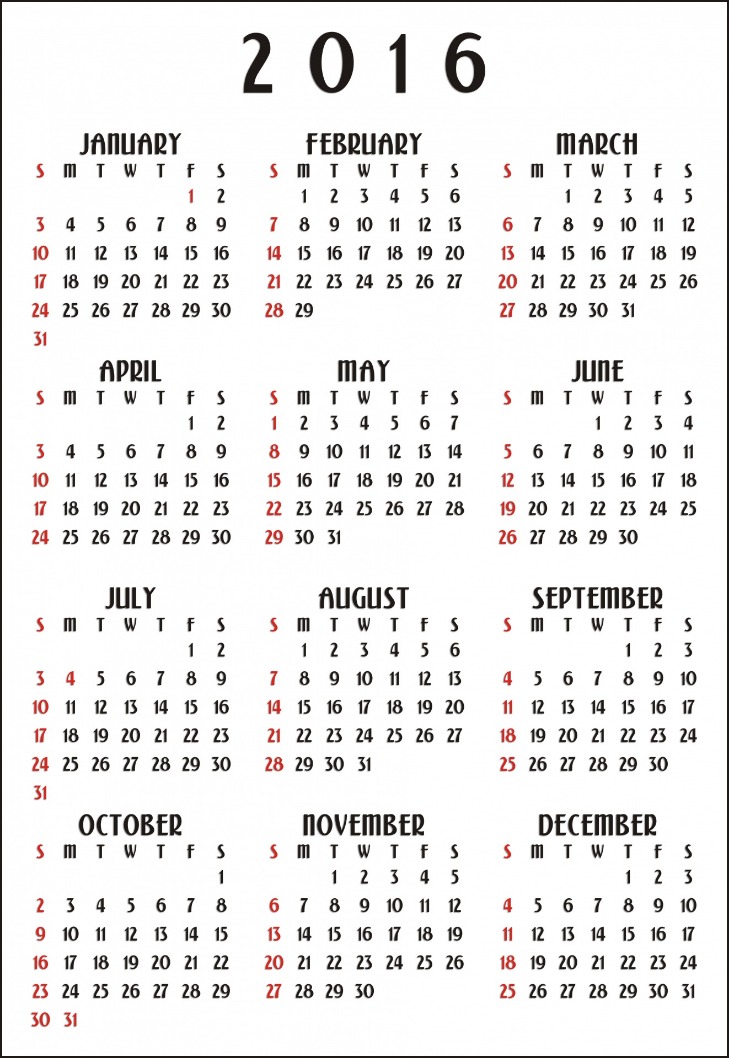
Overview of Ethiopia Calendar System
The Ethiopia calendar system is a unique and ancient method of tracking time that differs significantly from the Gregorian calendar used worldwide. It is based on the Ethiopian Orthodox Church’s traditional calculations and has its own year count, months, and holidays. Understanding the Ethiopia calendar convert is essential for accurate date conversion and synchronization with international dates, making it a vital resource for travelers, researchers, and those doing business in Ethiopia.
Historical Background
The Ethiopia calendar system, also known as the Ethiopian calendar, is a unique and ancient timekeeping system that differs significantly from the Gregorian calendar used worldwide. It is primarily based on the Coptic calendar, with its own distinctive features and calculations. The Ethiopian calendar consists of 13 months: 12 months of 30 days each and an additional month called Pagumē, which has 5 or 6 days depending on whether it is a leap year. The new year typically falls on September 11 or September 12 in leap years, aligning with the Ethiopian Orthodox Church’s traditional calculation of the Annunciation of Mary. This calendar is approximately seven years and three months behind the Gregorian calendar, which is why the year 2024 in the Gregorian calendar corresponds to 2016 or 2017 in Ethiopia, depending on the date.
The historical background of the Ethiopian calendar dates back to ancient Egypt and the early Christian era. It was developed by the Coptic Church and other Christian communities in Ethiopia, incorporating Christian religious events and astronomical calculations. The calendar’s origins trace to the Alexandrian calendar, which was later adapted by Ethiopian scholars to suit local religious and cultural practices. Over centuries, the Ethiopian calendar has been maintained with little change, preserving the country’s rich religious and cultural heritage. Its calculation methods for leap years and new year dates reflect a blend of ancient Egyptian astronomy, Christian theology, and local tradition, making it a vital aspect of Ethiopian identity and culture.
Unique Features of the Ethiopian Calendar
The Ethiopian calendar is a unique timekeeping system used primarily in Ethiopia, with origins dating back to the Coptic calendar. It features distinct calculations and structures that set it apart from the Gregorian calendar widely used worldwide. This calendar incorporates both solar and traditional aspects, making it a cultural cornerstone for Ethiopian society.
One of the most notable features of the Ethiopian calendar is its placement of the new year, which falls on September 11th (or September 12th in leap years). The calendar consists of 13 months: 12 months each with 30 days and an additional month called Pagumē with 5 or 6 days in leap years. Additionally, the Ethiopian calendar is approximately seven to eight years behind the Gregorian calendar due to differences in calculation and historical development.
Another unique feature is the use of a different era calculation based on the Incarnation of Jesus Christ, which starts from 8 or 7 AD in the Gregorian calendar depending on the context. The Ethiopian calendar also follows its own system of leap years, which occurs every four years without exception, similar to the Julian calendar. This results in a consistent pattern that preserves the traditional dates for religious and cultural festivals, making the Ethiopian calendar a significant cultural identifier.
Comparison with Gregorian Calendar
The Ethiopia calendar system, also known as the Ethiopian Calendar, is a solar calendar used primarily in Ethiopia and Eritrea. It is based on the Coptic calendar and incorporates unique features that distinguish it from the Gregorian calendar used internationally. The Ethiopian Calendar year typically consists of 13 months: 12 months of 30 days each and an additional month called Pagume, which has 5 or 6 days in a leap year. The calendar is approximately seven to eight years behind the Gregorian calendar, with the new year usually falling on September 11th or 12th during leap years.
Compared to the Gregorian calendar, which is the most widely used civil calendar worldwide, the Ethiopian Calendar has different month names, a different start date for the new year, and a different calculation of leap years. While the Gregorian calendar’s leap years occur every four years with exceptions, the Ethiopian Calendar’s leap year occurs every four years without exceptions, aligning with the Julian calendar’s system. As a result, the Ethiopian Calendar remains synchronized with the Coptic Church’s traditions and calculations, leading to differences in holidays, religious observances, and daily date conversions between the two systems.
Structure of the Ethiopian Calendar
The Ethiopian calendar is a unique timekeeping system that differs significantly from the Gregorian calendar used worldwide. It features a distinct structure with thirteen months—twelve of which have 30 days each, and a thirteenth month called Pagumē with five or six days in a leap year. This calendar is rooted in ancient Ethiopian traditions and calculations, making it an interesting system for conversion and synchronization with other calendars. Understanding its structure is essential for accurate calendar conversion and date management.
Number of Months and Names
The Ethiopian calendar is a unique and ancient system used in Ethiopia, consisting of twelve months of 30 days each, followed by an additional month called Pagume, which has 5 or 6 days in a leap year. The calendar’s structure is based on the Coptic calendar, with a total of 13 months. The months are named in the Ge’ez language, but their names are often used in English discussions about the Ethiopian calendar. The twelve months are: Meskerem, Tikimt, Hidar, Tahsas, Tir, Yekatit, Megabit, Miazia, Genbot, Sene, Hamle, and Nehase. The extra month, Pagume, is added at the end of the year to align the calendar with the solar year. This unique structure reflects Ethiopia’s rich cultural and historical heritage and plays an important role in the country’s daily life and religious practices.
Days in Each Month
The Ethiopian Calendar is a unique timekeeping system consisting of 13 months, with 12 months of 30 days each and an additional month called Pagumē that has five days in a common year and six days in a leap year. The calendar is approximately seven to eight years behind the Gregorian calendar, and it follows its own lunar-solar calculation system. Each month plays a vital role in cultural and religious observances throughout Ethiopia.
Leap Year Rules
The Ethiopian calendar is a unique system with its own structure and rules for leap years. It consists of 13 months: 12 months each with 30 days and a 13th month called Pagume, which has 5 days in common years and 6 days in leap years. The calendar is approximately 7 to 8 years behind the Gregorian calendar, depending on the date.
Leap year rules in the Ethiopian calendar follow a 4-year cycle similar to the Gregorian calendar, but with a key difference. A year is a leap year if the year’s number is divisible by 4 without a remainder. Unlike the Gregorian system, there are no exceptions for century years unless they are divisible by 400. As a result, every 4 years, the 13th month of Pagume gains an extra day, making it 6 days long in the leap year.
Calculating Ethiopian Dates from Gregorian Dates
Converting Gregorian dates to Ethiopian dates is an essential process for understanding and coordinating events within Ethiopia’s unique calendar system. The Ethiopian calendar, with its distinct year count, months, and leap year rules, differs significantly from the Gregorian calendar used worldwide. By accurately calculating Ethiopian dates from Gregorian ones, individuals can effectively plan, communicate, and align activities according to Ethiopia’s traditional timekeeping. This article explores the methods and tools for Ethiopia calendar convert, making date conversion straightforward and reliable.
Conversion Methodology
Converting Gregorian dates to Ethiopian dates involves understanding the differences in the calendar systems and applying a systematic methodology. The Ethiopian calendar is approximately seven to eight years behind the Gregorian calendar and has 13 months—12 months of 30 days each, and an extra month, Pagume, which has 5 or 6 days depending on whether it is a leap year.
The conversion process begins by calculating the number of days elapsed from a reference date in both calendars. Typically, January 1, 0001 AD in the Gregorian calendar is used as a base. By determining the total days from this reference to the given Gregorian date, and then converting these days to Ethiopian calendar units, the corresponding Ethiopian date can be derived.
This involves adjusting for leap years specific to each calendar and considering the different starting points of each system. The Ethiopian calendar’s leap year occurs every four years without exception, similar to the Julian calendar, but differs from the Gregorian calendar’s more complex rules. After calculating the total days, dividing this number by 365 or 366 gives the year, while the remainder dictates the month and day. Special attention is needed for the month of Pagume when the remainder exceeds 360 days, signifying the extra days in the Ethiopian year.
Modern conversion methods also utilize algorithms or online tools that automate these calculations, ensuring accuracy and efficiency. These tools incorporate the detailed rules of Ethiopian leap years and calendar structure, providing quick transformation from Gregorian to Ethiopian dates and vice versa.
Step-by-Step Conversion Process
The process of converting Gregorian dates to Ethiopian dates involves several steps to account for differences in calendar systems. First, determine the total number of days between the Gregorian date and a known reference point, such as January 1, 1 AD. Next, adjust this total by accounting for leap years and the specific starting points of both calendars. After establishing the total days passed, divide this number to find the corresponding Ethiopian year by considering the 365 or 366 days per year, depending on leap years. Then, calculate the remaining days to determine the Ethiopian month and day, noting that the Ethiopian calendar starts on Meskerem 1, which usually falls on September 11 or September 12 in the Gregorian calendar. By following this systematic approach, one can accurately convert a Gregorian date into its Ethiopian calendar equivalent with precision. This step-by-step process is essential for anyone working with Ethiopia calendar conversions or planning events based on Ethiopian dates.”
Examples of Date Conversion
Converting Gregorian dates to Ethiopian dates involves understanding the differences between the two calendar systems. The Ethiopian calendar is approximately seven to eight years behind the Gregorian calendar and has a unique way of calculating leap years and months. Here are some examples to illustrate how date conversion works in the context of Ethiopia calendar convert.
- Example 1: Converting March 1, 2023, Gregorian to Ethiopian Date
- Example 2: Converting August 15, 2023, Gregorian to Ethiopian Date
- Example 3: Converting December 25, 2023, Gregorian to Ethiopian Date
Since the Ethiopian calendar starts on September 11 (or September 12 in a leap year), March 1, 2023, corresponds to Yekatit 21, 2015, in the Ethiopian calendar.
August 15, 2023, is after the Ethiopian New Year (which falls around September 11), so it remains within the same Ethiopian year. It converts to Meskerem 8, 2016.
December 25, 2023, translates to Tahsas 15, 2016, in the Ethiopian calendar, considering the difference in start dates and leap year adjustments.
These examples demonstrate the process of converting Gregorian dates to Ethiopian dates for various times of the year, taking into account the different calendar structures and leap year rules in Ethiopia calendar convert.
Tools and Resources for Conversion
converters and resources play a crucial role in accurately transforming dates between different calendar systems. For Ethiopia, where the Ethiopian calendar differs significantly from the Gregorian calendar, having reliable tools is essential for seamless conversion. These tools help individuals, businesses, and organizations to manage dates effectively, ensuring clarity and consistency across various applications and timekeeping needs.
Online Conversion Calculators
Using tools and resources for conversion, especially online conversion calculators, is essential for accurately converting dates between different calendar systems such as the Ethiopian calendar and the Gregorian calendar. These tools are user-friendly and provide quick, reliable results, making them ideal for anyone needing to perform calendar conversions without manual calculations. Many websites offer free online converters specifically designed for Ethiopia calendar convert tasks, incorporating accurate algorithms that account for leap years and regional variations. Additionally, some resources include features like date range conversions, calendar displays, and contextual information about Ethiopian holidays and observances, enhancing the overall user experience. Utilizing these online calculators ensures precision and saves time for individuals, organizations, and researchers working with Ethiopian dates.
Mobile Applications
Converting dates in the Ethiopia calendar can be streamlined using various tools and mobile applications designed specifically for this purpose. These resources help users accurately translate dates between the Ethiopian calendar and the Gregorian calendar, making planning and scheduling more efficient. Many apps also include additional features such as holiday alerts, leap year calculations, and cultural event reminders, enhancing their usefulness for daily and cultural activities.
- Mobile calendar apps with Ethiopian calendar integration such as “Ethiopian Calendar” or “Amharic Calendar” available on Android and iOS platforms.
- Online conversion tools like websites that provide instant date translation between Ethiopian and Gregorian calendars.
- Desktop software solutions that support comprehensive calendar management with conversion capabilities.
- Google Calendar add-ons or plugins that allow users to view and convert Ethiopian dates within their existing calendar system.
- API services offering date conversion for developers to integrate into their own applications or websites.
- Digital assistants and smart devices equipped with Ethiopian calendar conversion capabilities for quick, on-the-fly conversions.
Offline Conversion Methods
To effectively convert dates within the Ethiopia calendar, a variety of tools and resources are available to users. These include online conversion calculators, mobile apps, and downloadable software designed specifically for Ethiopia’s unique calendar system. Many of these tools offer intuitive interfaces that allow users to input Ethiopian dates and receive corresponding Gregorian dates instantly, ensuring accuracy and ease of use.
Offline conversion methods are also essential, especially in areas with limited internet access. These methods often involve using printed tables, conversion charts, or algorithms embedded within spreadsheets. Users can manually cross-reference these resources or perform calculations based on standardized formulas to convert dates. Additionally, some software programs provide offline functionalities that allow for bulk conversions of dates without requiring a constant internet connection.
Overall, combining digital tools with traditional offline methods provides a comprehensive approach to Ethiopia calendar conversion, ensuring that users can perform accurate and reliable conversions anytime and anywhere.
Practical Uses of Date Conversion
Understanding how to convert dates between different calendars is essential for various practical applications in Ethiopia, where the Ethiopian calendar is widely used alongside the Gregorian calendar. Date conversion techniques facilitate accurate scheduling, record-keeping, and communication across different systems and regions. This process is invaluable for travelers, businesses, and government agencies that need to coordinate events and manage data seamlessly within Ethiopia and internationally.
Scheduling and Planning
Converting dates between different calendar systems in Ethiopia is essential for various practical applications, particularly in scheduling and planning. It allows individuals and organizations to coordinate activities accurately across cultural and national boundaries, ensuring that events such as meetings, deadlines, and public holidays are synchronized correctly. Additionally, date conversion facilitates international communication, enabling businesses to align their schedules with global partners who operate on different calendar systems. This practice is also vital for government planning, religious observances, and educational planning, where precise date alignment is necessary for consistent event timing. Overall, effective Ethiopian calendar conversion enhances efficiency, reduces confusion, and promotes better coordination in both personal and professional contexts.
Cultural and Religious Events
Converting dates between different calendars is essential for various practical applications, especially in countries like Ethiopia where the Ethiopian calendar is widely used alongside the Gregorian calendar. Date conversion allows for accurate scheduling, planning, and communication across different cultural and religious communities. It helps tourists, government agencies, and international organizations to coordinate events and official documents correctly. Moreover, it supports digital systems in maintaining consistency and avoiding errors in date-related data management.
Cultural and religious events play a significant role in the Ethiopian calendar system. Many religious festivals such as Timket, Meskel, and Epiphany are celebrated according to the Ethiopian Orthodox Church calendar. Accurate date conversion ensures these celebrations are observed correctly, respecting their traditional timing. Additionally, understanding the relationship between the Ethiopian and Gregorian calendars fosters cultural awareness and helps in organizing intercultural exchanges, educational activities, and religious ceremonies that involve communities from different calendar systems.
Legal and Official Documentation
Converting dates between the Ethiopian calendar and the Gregorian calendar is essential for various practical applications, especially when dealing with legal and official documentation. Accurate date conversions ensure clarity, consistency, and legal compliance in official records and transactions.
- Legal Contracts and Agreements: Ensuring that dates specified in contracts align correctly with international standards prevents misunderstandings and legal disputes.
- Government Issued Documents: Birth certificates, marriage licenses, and national IDs often require date conversions for international recognition and processing.
- Educational Records: Converting enrollment and graduation dates helps in the recognition of academic credentials across countries.
- Financial Transactions: Accurate date conversion is crucial for transaction records, tax filings, and legal deadlines in financial dealings involving Ethiopia.
- International Business and Travel: Conversion assists in scheduling, visa applications, and compliance with international legal requirements.
- Historical and Archival Records: Proper conversion ensures historical documents are correctly interpreted and preserved in a global context.
Challenges in Converting Dates
Converting dates between different calendar systems can be a complex task, especially when dealing with the Ethiopian calendar. The Ethiopian calendar has unique features, such as a different year count and month structure, which pose challenges for accurate conversion. These disparities often lead to confusion and require careful calculation or specialized tools to ensure precise translation of dates across the Gregorian and Ethiopian calendars.
Differences in Year Start Dates
Converting dates between the Gregorian calendar and the Ethiopian calendar involves several challenges, primarily due to differences in how years and months are structured and the variation in the start dates of the year.
- Differences in Year Start Dates: The Ethiopian calendar begins its new year on Meskerem 1, which falls on September 11 (or September 12 in leap years) in the Gregorian calendar. This variation requires precise calculations when converting dates, especially around the start of the Ethiopian new year.
- Alignment of Months and Days: The Ethiopian calendar has 13 months—12 months of 30 days and one month of 5 or 6 days in leap years. This difference makes direct date conversion complex, requiring adjustments for the varying month lengths.
- Leap Year Discrepancies: The leap year rules differ between calendars. The Ethiopian calendar adds an extra day to the 13th month every four years, independent of the Gregorian leap year cycle, complicating accurate conversion, especially during leap years.
- Handling Partial Years: Due to the different start dates, some conversions involve partial years, which can lead to confusion and require careful attention to detail to ensure accuracy across the calendar systems.
Handling Leap Years
Converting dates between the Ethiopian calendar and the Gregorian calendar presents several challenges, especially when accounting for leap years. These difficulties arise from differences in calendar structures, leap year rules, and month lengths, which can lead to inaccuracies if not properly managed during conversion processes.
- Differences in Year Lengths: The Ethiopian calendar has 13 months, with 12 months of 30 days and an additional month, Pagumē, which has 5 or 6 days in leap years. The Gregorian calendar has 12 months with varying lengths, making direct conversion complex.
- Aligning Leap Years: The Ethiopian calendar’s leap year occurs every four years without exceptions, unlike the Gregorian calendar, where century years are leap years only if divisible by 400. This discrepancy can cause errors in date conversion if leap years are not correctly identified.
- Month and Day Mismatches: Since the Ethiopian calendar starts the new year in September and the Gregorian calendar begins in January, aligning dates across both calendars requires careful calculations to handle offset differences.
- Handling Historical Date Changes: Changes or reforms in calendar systems over time may complicate conversions, particularly when adjusting historical dates or for dates near leap year boundaries.
- Developing Accurate Algorithms: Creating algorithms that accurately account for all these differences and nuances in leap year rules and month lengths is complex and requires meticulous attention to detail.
Time Zone Considerations
Converting dates between different calendar systems, such as the Ethiopian calendar and the Gregorian calendar, presents several challenges, especially regarding time zone considerations. One primary issue is accurately aligning dates across calendars that have different year lengths, starting points, and leap year rules. Time zone differences add complexity, as a date that is already converted in one time zone may fall on a different day when viewed from another zone. For Ethiopia, which operates on a unique calendar system that is approximately seven years behind the Gregorian calendar and starts on September 11 or 12, ensuring precise conversion requires careful adjustment for regional time zones. Failure to account for these variations can lead to incorrect date representations, affecting scheduling, record keeping, and cultural observances. Therefore, robust algorithms and awareness of local time zone nuances are essential for accurate Ethiopian calendar conversions in global applications.
Future Trends and Developments
As technology continues to advance, the way we perceive and utilize calendars is evolving, especially in diverse cultural contexts like Ethiopia. Future trends in calendar development are focused on integrating traditional systems with modern digital tools, making date conversions more seamless and accessible. In particular, the Ethiopia calendar convert is becoming increasingly important for cross-cultural communication, international business, and digital personalization. These developments aim to bridge gaps between different calendar systems, fostering greater understanding and efficiency in global interactions.
Improving Conversion Accuracy
Future trends in improving conversion accuracy for Ethiopia calendar convert are focused on leveraging advanced machine learning algorithms and artificial intelligence to enhance precision. As technology evolves, integrating real-time data validation and contextual understanding will reduce errors and improve user trust. Additionally, developing adaptive systems that learn from user interactions will ensure more accurate conversions across diverse date formats and regional variations. The adoption of cloud computing and scalable infrastructure will also facilitate faster processing times and higher reliability. Ultimately, these developments aim to create more seamless and accurate calendar conversion tools that cater to both individual users and enterprise needs, ensuring better integration with global date standards.
Integration with Global Calendar Systems
The future of Ethiopia calendar conversion lies in seamless integration with global calendar systems, enabling users to easily synchronize dates across different cultural and regional frameworks. Advancements are expected to focus on developing more accurate and user-friendly tools that accommodate the unique aspects of the Ethiopian calendar while ensuring compatibility with international standards. As digital platforms and mobile applications become increasingly sophisticated, Ethiopia calendar convert tools will likely incorporate real-time updates, predictive features, and AI-driven accuracy to facilitate cross-cultural planning and communication. Furthermore, collaboration between software developers and cultural organizations will enhance the preservation of Ethiopia’s rich heritage within global digital ecosystems. Ultimately, these developments will make it easier for individuals and institutions worldwide to engage with the Ethiopian calendar effortlessly, fostering greater cultural exchange and understanding.
Educational Resources and Outreach
Future trends and developments in Ethiopia calendar convert are poised to enhance digital integration and accessibility, making it easier for users worldwide to convert dates seamlessly. Advances in algorithm efficiency and machine learning are expected to improve accuracy, especially during complex date conversions and leap year calculations. Educational resources will continue to expand, offering comprehensive tutorials, interactive tools, and multilingual support to accommodate diverse user needs. Outreach initiatives are likely to focus on promoting awareness of Ethiopia’s unique calendar system, collaborating with educational institutions and tech organizations to incorporate calendar conversion tools into broader digital literacy programs. Overall, these developments will foster greater global understanding and usage of the Ethiopia calendar, bridging cultural and technological gaps efficiently.




0 Comments