
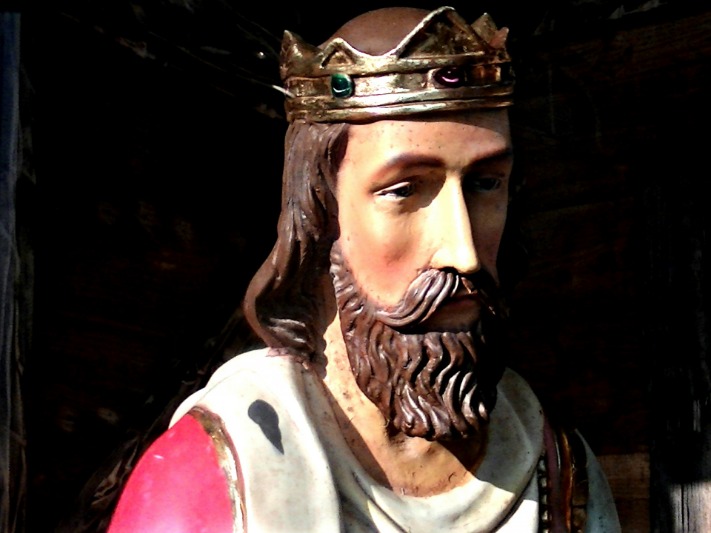
Early Ethiopian Monarchs
The early monarchs of Ethiopia played a crucial role in shaping the history and culture of one of Africa’s oldest nations. These kings, often seen as divine rulers and ancestors of the nation’s identity, established the foundations of Ethiopian civilization, religion, and governance. Their reigns marked a period of impressive achievements, including the development of architecture, the spread of Christianity, and the unification of diverse tribes into a cohesive kingdom.
Pre-Aksumite Rulers
Early Ethiopian monarchs, including those from the Pre-Aksumite period, played a significant role in shaping the ancient history of Ethiopia. These rulers, often considered foundational figures, governed over emerging communities and laid the cultural and political groundwork for later empires. Pre-Aksumite rulers are believed to have established early social structures, religious practices, and territorial boundaries that would influence subsequent kingdoms in the region. Despite limited archaeological evidence, these early monarchs are recognized as the ancestors of later Aksumite kings, contributing to the rich heritage of Ethiopian monarchy.
Aksumite Dynasty
The early Ethiopian monarchs, particularly during the Aksumite Dynasty, played a significant role in shaping the history and culture of Ethiopia. The Aksumite Empire, which flourished from around the 1st to the 7th centuries AD, was one of the great civilizations of the ancient world and is considered a precursor to the modern Ethiopian state. These monarchs, often regarded as semi-divine figures, established a powerful kingdom that controlled trade routes across the Red Sea and the Arabian Peninsula.
The Aksumite kings, such as King Ezana, are renowned for their conversion to Christianity around the 4th century AD, which laid the foundation for Ethiopia’s long-standing Christian tradition. Under their rule, the kingdom expanded its influence,สร้างed impressive monuments, and adopted a unique form of writing known as Ge’ez. The monarchy was characterized by its centralized power, religious authority, and extensive diplomatic relations with other major civilizations of that era.
The legacy of these early Ethiopian monarchs is evident in the country’s rich archaeological sites, religious traditions, and national identity. Their reign marked the beginning of a continuous monarchical lineage that persisted through centuries, shaping Ethiopia’s history as one of the oldest independent nations in Africa.
The Solomonic Dynasty
The Solomonic Dynasty is a legendary royal line that has played a significant role in Ethiopia’s history, symbolizing the connection between the ancient biblical King Solomon and the Ethiopian emperors. This dynasty is renowned for its enduring rule, rich cultural heritage, and influence over Ethiopian society and politics for centuries. Its legacy continues to be a central element of Ethiopia’s national identity and historical pride.
Founding of the Solomonic Lineage
The Solomonic Dynasty is a legendary line of Ethiopian kings believed to be descended from the biblical King Solomon and the Queen of Sheba. This dynasty holds a central place in Ethiopia’s history and cultural identity, symbolizing divine legitimacy and continuity of rulership. Its founding marks a significant moment in the formation of the Ethiopian empire, shaping its political and religious landscape for centuries.
- The origins of the Solomonic Dynasty are rooted in ancient legend, linking Ethiopian royalty to biblical figures. According to tradition, Melese I, the son of King Solomon and Queen of Sheba, established the royal lineage.
- Throughout history, the dynasty was characterized by its stability and influence, often intertwining religious authority with political power. This conferred a sense of divine right upon Ethiopian emperors.
- The Solomonic rulers played a vital role in shaping Ethiopia’s identity, maintaining Christian faith and resisting external influences during various periods of invasion and change.
- The dynasty experienced periods of relative stability and decline, but its legacy persisted until the abolition of the monarchy in 1974, when Emperor Haile Selassie was overthrown.
- Today, the Solomonic lineage remains a symbol of national pride and historical continuity, with many Ethiopians viewing current and future claims to the throne as rooted in this legendary heritage.
Significant Solomonic Emperors
The Solomonic Dynasty is a legendary line of Ethiopian rulers claiming descent from King Solomon of Israel and the Queen of Sheba. This dynasty has played a vital role in shaping Ethiopia’s history, culture, and religious identity over centuries. Many emperors of Ethiopia are part of this prestigious lineage, symbolizing divine right and unity for the Ethiopian people.
Some of the most significant Solomonic Emperors include:
- Emperor Menelik II – Known for leading Ethiopia to victory against Italian invasion at the Battle of Adwa in 1896, securing Ethiopian independence.
- Emperor Tewodros II – A unifying figure who attempted to modernize and centralize Ethiopia in the mid-19th century.
- Emperor Yohannes IV – A military leader who defended Ethiopia against external threats and maintained regional control during his reign.
- Emperor Haile Selassie I – The last emperor of Ethiopia, known for his efforts to modernize the country, his leadership during World War II, and his role in the formation of the Organization of African Unity.
- Emperor Zara Yaqob – An influential medieval emperor who promoted religious reforms, strengthened the Ethiopian Orthodox Church, and fostered cultural development.
The Zagwe Dynasty
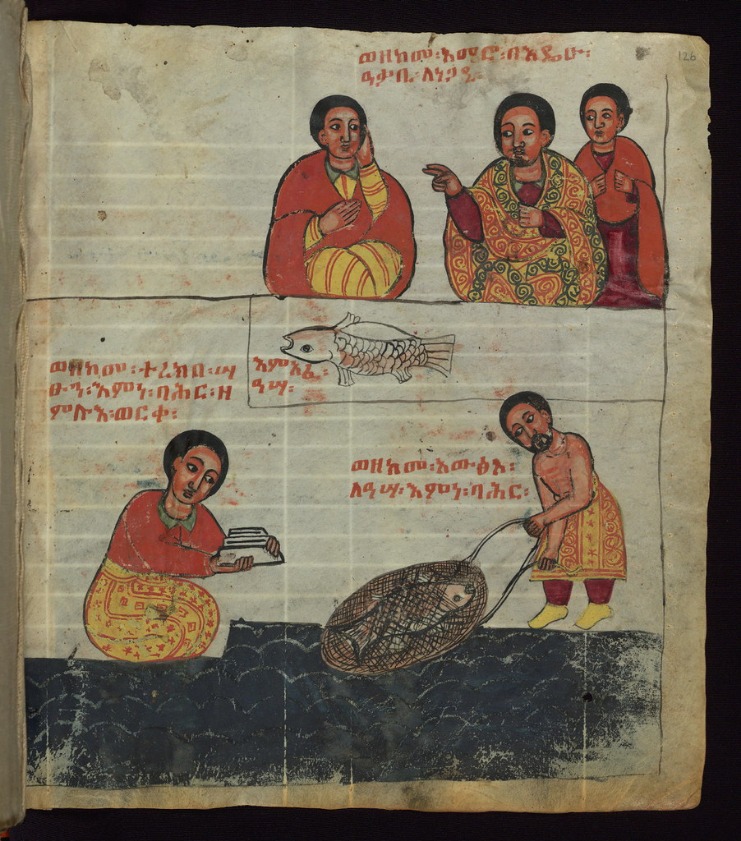
The Zagwe Dynasty was a significant medieval Ethiopian monarchy that ruled from the 10th to the 13th century. Known for its contributions to Ethiopian culture and religion, the dynasty is credited with building some of the country’s most iconic churches and establishing a strong Christian legacy. The Zagwe kings played a crucial role in shaping Ethiopia’s history and identity, leaving a lasting legacy that continues to influence the nation today.
Rise and Consolidation
The Zagwe Dynasty was a significant period in Ethiopian history, marked by the rise of a powerful native dynasty that ruled from approximately the 10th to the 13th centuries. Emerging after the decline of the Aksumite Empire, the Zagwe rulers established their authority largely through their strong religious and military leadership, consolidating their power over the region. This dynasty is particularly renowned for its remarkable architectural achievements, including the construction of the famous rock-hewn churches of Lalibela, which remain a testament to their influence and religious devotion. The Zagwe kings were dedicated to strengthening their sovereignty by fostering Christian faith, unifying various factions within Ethiopia, and resisting external invasions. Their rise to power was facilitated by strategic alliances and a focus on religious legitimacy, which helped them secure support from local nobility and religious institutions. Over time, their consolidation of authority laid the groundwork for subsequent dynasties, most notably the Solomonic Line, which would carry forward the tradition of strong centralized rule and Christian leadership in Ethiopia. The Zagwe Dynasty’s legacy endures through its cultural and religious contributions, shaping Ethiopia’s historical narrative for centuries to come.
Main Contributions and Legacies
The Zagwe Dynasty was a significant ruling period in Ethiopian history, lasting from approximately the 10th to the 13th century. It is renowned for its contributions to Ethiopian Christianity, culture, and architecture. The dynasty played a crucial role in shaping the religious identity of the region, especially through the construction of iconic churches and religious sites. One of the most notable achievements was the building of the rock-hewn churches of Lalibela, which remain a symbol of Ethiopian heritage and Christian devotion. The Zagwe rulers also promoted the spread of Christianity and supported the development of monasteries and religious schools, strengthening the spiritual life of the Ethiopian people. Their legacy endures in Ethiopia’s rich cultural heritage, religious architecture, and the consolidation of Christianity as a central element of Ethiopian identity throughout history.
Renaissance of the Solomonic Line
The Renaissance of the Solomonic Line marks a significant revival of Ethiopia’s royal heritage, reflecting a renewed respect for its ancient monarchy. This resurgence celebrates the legendary lineage stemming from King Solomon and the Queen of Sheba, emphasizing the cultural and historical importance of Ethiopia’s regal past. As modern perspectives intertwine with age-old traditions, the Solomonic kings continue to symbolize national identity and enduring sovereignty in Ethiopia.
Restoration and Reign of Yohannes IV
The Renaissance of the Solomonic Line marks a significant period in Ethiopian history, emphasizing the resurgence of the ancient dynasty that claims descent from King Solomon and the Queen of Sheba. This revival was characterized by efforts to restore the legitimacy and central authority of the monarchy, fostering national unity and cultural revival throughout Ethiopia. The restoration process involved strengthening the monarchy’s influence, re-establishing religious traditions, and revitalizing the country’s political landscape.
Yohannes IV, one of the most prominent Ethiopian emperors, reigned during a crucial period of renewal and consolidation from 1872 to 1889. His reign was marked by his dedication to defend Ethiopia’s territorial integrity against external threats, notably from Mahdist Sudan and Egyptian forces. Yohannes IV worked tirelessly to unify the diverse Ethiopian regions under a central authority, promoting Orthodox Christianity and strengthening the nation’s identity. His leadership laid the groundwork for future stability and helped initiate a renewed sense of national pride and independence in Ethiopia.
Emperor Menelik II’s Reforms and Expansion
The Renaissance of the Solomonic Line marked a significant period in Ethiopian history, emphasizing the restoration of the royal dynasty claiming descent from King Solomon and the Queen of Sheba. This resurgence strengthened national identity and legitimacy, reinforcing the country’s ancient imperial tradition. Emperor Menelik II played a pivotal role during this era, inspiring a series of reforms and territorial expansions that transformed Ethiopia into a more unified and resilient state.
Emperor Menelik II dedicated efforts to modernize Ethiopia’s military, administration, and economy, introducing new technologies and centralizing authority. His military campaigns successfully expanded Ethiopia’s territory, notably through the decisive victory at the Battle of Adwa in 1896, which preserved Ethiopian independence against Italian colonization. Menelik’s reforms also included improvements in infrastructure, education, and diplomacy, laying the groundwork for a stronger, more cohesive nation.
Under his leadership, Ethiopia experienced a renaissance that renewed its historical grandeur and sovereignty. The combination of spiritual legitimacy through the Solomonic dynasty and pragmatic reforms under Menelik II fostered a period of national pride and resilience, ensuring Ethiopia remained one of the few African nations to resist colonization during the Scramble for Africa. His legacy endures as a symbol of Ethiopian sovereignty and cultural renaissance.
20th Century Ethiopian Emperors
The 20th century was a transformative period for Ethiopian monarchy, witnessing a series of emperors who played pivotal roles in shaping the nation’s history. These rulers navigated through internal struggles, European influences, and modernizing reforms, leaving a lasting impact on Ethiopia’s cultural and political landscape. Understanding their reigns offers valuable insights into Ethiopia’s journey from ancient traditions to a modern state.
Emperor Haile Selassie I
Referring to the kings of Ethiopia, Emperor Haile Selassie I stands out as one of the most influential and iconic figures of the 20th century. He reigned from 1930 until his overthrow in 1974, overseeing significant political, social, and economic changes in Ethiopia. Known for his efforts to modernize the country, Haile Selassie was also a prominent figure in international affairs, serving as a symbol of African unity and resistance against colonialism. His leadership helped Ethiopia navigate a complex period marked by internal struggles, wars, and the push toward modernization. Despite his eventual fall from power, his legacy remains influential in Ethiopian history and beyond, especially within the Rastafarian movement where he is regarded as a messianic figure.
Reign, Reforms, and International Role
Ethiopian emperors of the 20th century played a crucial role in shaping the country’s modern history through their reigns, reforms, and international engagement. Key figures include Emperor Menelik II, who expanded Ethiopia’s territory and resisted Italian invasion, and Emperor Haile Selassie I, known for his efforts to modernize Ethiopia and improve its standing on the global stage. Menelik II’s leadership in the late 19th and early 20th centuries laid the foundation for national unity and sovereignty, particularly during the Battle of Adwa. Haile Selassie I, ruling from 1930 until his overthrow in 1974, implemented constitutional reforms, fostered education, and promoted Ethiopian sovereignty through active diplomacy. During his reign, Ethiopia became a founding member of the United Nations and played a prominent role in Pan-African movements, asserting its independence and regional influence. The 20th century also saw the brief reign of Emperor Zera Yakob and the socialist rule of the Derg, but it was the legacy of Haile Selassie and earlier emperors that defined Ethiopia’s path toward modernization and international relations. Throughout this period, Ethiopian emperors balanced traditional monarchy with the demands of modern statehood and international diplomacy. Their leadership impacted Ethiopia’s internal development and its recognition as a significant player in African and global politics.
Challenges and Downfall
The 20th century Ethiopian emperors faced a multitude of challenges that ultimately led to their downfall. Throughout this period, Ethiopia experienced significant political, social, and economic upheavals. The emperors struggled to modernize the nation while preserving traditional values, often encountering resistance from conservative factions and external pressures. Key figures such as Emperor Menelik II, Haile Selassie I, and others attempted reforms but faced internal rebellion, colonial threats, and Cold War influences that complicated their reigns. The culmination of these difficulties resulted in the overthrow of imperial rule and the end of the monarchy in Ethiopia.
- Colonial Encroachment and External Pressure: The Italian invasion of Ethiopia in 1935, led by Mussolini, posed a significant challenge to Ethiopian sovereignty, forcing emperors to defend their nation against foreign aggression.
- Internal Rebellions and Factionalism: Ethnic and regional conflicts, coupled with resistance to central authority, destabilized imperial governance, weakening the emperors’ control.
- Modernization vs. Tradition: Efforts to modernize Ethiopia often met with resistance from traditional elites, creating tension between progress and preservation of cultural values.
- Economic Difficulties: Widespread poverty and limited infrastructural development hindered national growth and strained imperial resources.
- Political Intrigue and Power Struggles: Court rivalries, coups, and conspiracies undermined emperor authority and led to periods of instability.
- The Downfall: The overthrow of Haile Selassie in 1974 by military revolution marked the end of the imperial era, transitioning Ethiopia into a Marxist-Leninist state under the Derg regime.
Modern Monarchy in Ethiopia
The modern monarchy of Ethiopia has a rich and complex history, marked by a lineage of influential kings who played pivotal roles in shaping the country’s identity. Throughout the centuries, Ethiopian emperors embodied divine authority and cultural heritage, guiding the nation through periods of change and adversity. This article explores the history and legacy of Ethiopia’s kings, highlighting their contributions to the nation’s development and sovereignty.
Abolition of the Monarchy
The monarchy in Ethiopia has a rich history dating back thousands of years, with a series of emperors and kings shaping the nation’s culture and identity. Modern Ethiopia’s monarchy was officially established with the Solomonic Dynasty, which claimed descent from the biblical King Solomon and the Queen of Sheba. The most renowned among these rulers was Emperor Haile Selassie I, who reigned from 1930 until his abdication in 1974. His leadership was marked by efforts to modernize Ethiopia and promote unity, but his rule was also challenged by political upheaval and economic difficulties. The abolition of the monarchy occurred in 1974 when Emperor Haile Selassie was overthrown by a military coup led by the Derg regime, a Marxist-Leninist government. This marked the end of centuries of monarchical rule in Ethiopia, transitioning the nation into a socialist republic. The abolition was accompanied by significant political and social upheaval, ultimately transforming Ethiopia’s political landscape into a federal republic. Today, the legacy of Ethiopia’s kings remains significant in cultural and historical contexts, but the country functions as a republic without a monarchy.
Legacy of Ethiopia’s Kings
The modern monarchy of Ethiopia, centered around the Solomonic dynasty, has left a profound legacy that continues to influence the nation’s identity. Ethiopian kings, such as Emperor Haile Selassie I, played a crucial role in shaping the country’s political, social, and cultural landscape through efforts to modernize and unify Ethiopia. Their reigns were marked by attempts at modernization, including educational reforms, diplomatic efforts, and infrastructural development, despite facing internal and external challenges. The legacy of Ethiopia’s kings is reflected in the enduring respect for historical traditions and the importance of monarchy in Ethiopia’s national history. Though the monarchy was abolished in 1974, the kings are still remembered as symbols of sovereignty and national unity, with their contributions celebrated in cultural memory and historical discourse.



0 Comments