
Historical Background
The historical background of Ethiopia and Somalia is deeply intertwined with the rich tapestry of East African history. Both nations have ancient roots that date back thousands of years, shaping their unique cultural identities and political landscapes. Understanding their historical contexts provides valuable insight into current relationships, regional dynamics, and ongoing challenges within the horn of Africa.
Ancient Civilizations and Early Kingdoms
Ethiopia and Somalia possess rich historical backgrounds rooted in ancient civilizations and early kingdoms that significantly shaped the region’s cultural and political landscape. Ethiopia, known for its ancient history, was home to the Kingdom of D’mt and later the Aksumite Empire, which was a powerful civilization renowned for its monumental obelisks, early adoption of Christianity, and extensive trade networks. These civilizations contributed to Ethiopia’s reputation as one of the oldest nations in the world with an unbroken cultural heritage.
Somalia’s early history is marked by the existence of sophisticated city-states and trade centers such as Opone, Mosylon, and the port of Zeila, which connected the region to the Indian Ocean trade routes. The ancient Somali civilization was influenced by, and intertwined with, neighboring civilizations like the Egyptians, Persians, and later the Arabs, particularly through the spread of Islam. These early kingdoms and trading hubs played crucial roles in the development of Somali identity and regional commerce.
Both Ethiopia and Somalia have histories that reflect their strategic locations along major trade routes, facilitating interactions with a variety of civilizations over millennia. The legacy of these early civilizations continues to influence their modern cultural identities and historical narratives.
Colonial Encounters and Independence Movements
Ethiopia and Somalia share a complex historical background marked by their rich ancient civilizations and interactions with various external powers. Ethiopia, known for its ancient Aksumite Empire, proudly maintained its independence through centuries, resisting much of the colonial encroachment. In contrast, Somalia experienced early Arab influence and later became a focal point for European colonial interests, with the region being divided among British, Italian, and French territories. Colonial encounters significantly impacted their social, political, and economic structures, especially in Somalia, where colonial rule introduced new borders and governance systems.
During the colonial era, Ethiopia’s strategic position and formidable military resistance enabled it to retain its sovereignty, notably defeating Italian invasion forces during the Second Italo-Ethiopian War, which fostered a sense of national pride. Conversely, Somalia’s colonial experience involved varying degrees of foreign administration, which contributed to diverse political aspirations and identity struggles. The fight for independence in Somalia gained momentum in the mid-20th century, culminating in the end of Italian and British rule and the establishment of sovereign states.
The quest for independence and self-determination played a crucial role in shaping modern Ethiopia and Somalia. Ethiopia’s successful resilience against colonial domination fostered a strong national identity rooted in resistance and sovereignty. Somalia’s independence movements sought liberation from colonial powers and unification of Somali territories, leading to the formation of the Somali Republic. These historical trajectories have deeply influenced their political landscapes and regional relationships in contemporary times.
Modern Political Developments
Ethiopia and Somalia share a complex historical background characterized by ancient civilizations and intertwined interactions over centuries. Ethiopia, known for its long history as a sovereign state and the only African nation to resist colonization, boasts a rich cultural heritage rooted in the Axumite Empire and later Christian traditions. Somalia has a deep history as part of the Somali civilization, with significant trading networks and Islamic influence shaping its development. Throughout history, these nations have experienced periods of conflict, alliance, and cultural exchange, influencing their respective identities.
In terms of modern political developments, Ethiopia has undergone significant transformations, including the overthrow of the monarchy in 1974, followed by a period of socialist rule, and later a federal parliamentary republic. Recent years have seen efforts towards political reform, economic growth, and regional stability, although challenges such as ethnic tensions persist. Somalia, on the other hand, faced decades of civil war following the collapse of its central government in 1991. The country has since been engaged in rebuilding state institutions, achieving partial stability, and addressing issues such as terrorism, piracy, and governance. Both nations continue to navigate their political landscapes amid regional and international influences, aiming for sustained peace and development.
Geography and Environment
Geography and environment play crucial roles in shaping the lives and cultures of Ethiopia and Somalia. These neighboring countries in the Horn of Africa feature diverse landscapes, including highlands, plains, and coastlines, which influence their climates, agriculture, and ecosystems. Understanding the geographical features and environmental challenges of Ethiopia and Somalia is essential to appreciating their unique histories and socio-economic development.
Geographical Features of Ethiopia
Ethiopia is a landlocked country located in the Horn of Africa, characterized by diverse geographical features that include highlands, mountains, and rift valleys. The Ethiopian Plateau, also known as the Roof of Africa, dominates the landscape with elevations often exceeding 3,000 meters. The Great Rift Valley runs through Ethiopia from the north to the south, creating a series of deep lakes such as Lake Tana, Blue Nile, and Lake Awasa.
Surrounding Ethiopia are neighboring countries such as Somalia to the east, which features a largely flat and arid coastline along the Indian Ocean. Somalia’s terrain consists of coastal plains, desert regions, and some mountainous areas in the north. The border regions between Ethiopia and Somalia include semi-arid plains and rugged highlands, with the eastern parts of Ethiopia and southern parts of Somalia sharing similar environmental conditions.
Both countries are significantly influenced by their geographical features, with Ethiopia’s diverse topography fostering rich biodiversity and fertile lands for agriculture, while Somalia’s environment presents challenges related to drought and desertification. These features shape the climate, ecosystems, and human activities in the region, making the geography a vital aspect of Ethiopia and Somalia’s natural and socio-economic frameworks.
Geographical Features of Somalia
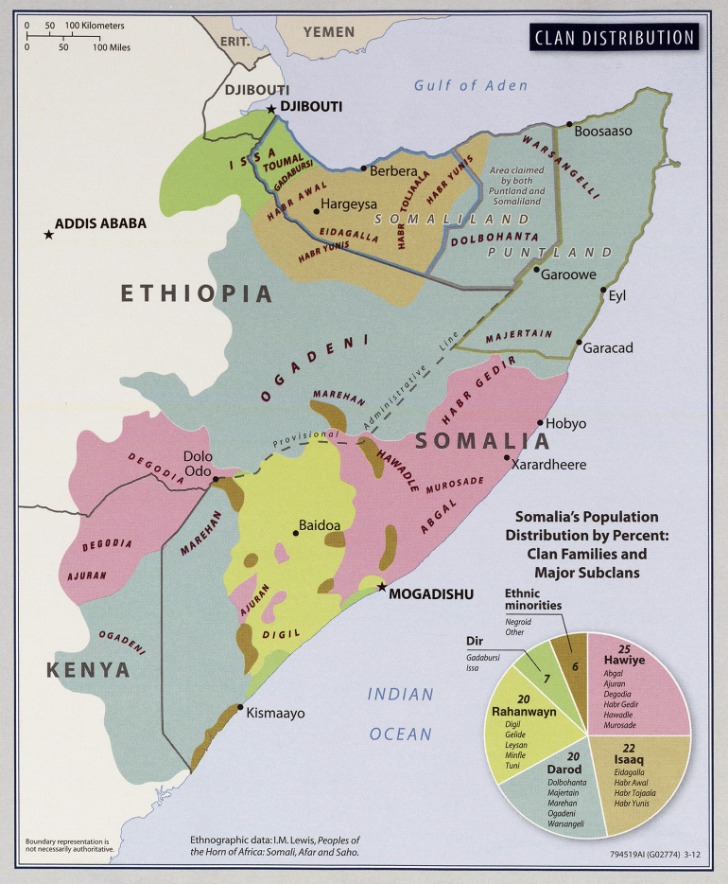
Somalia, located in the Horn of Africa, is characterized by diverse geographical features that shape its environment and climate. The country features a predominantly arid landscape with expansive deserts such as the Ogaden Desert in the east. The Ethiopian Highlands border the northern regions of Somalia, providing a contrast to the flatter plains in the south. The Somali Peninsula is bordered by the Indian Ocean to the east, offering extensive coastlines that support vital fishing activities and port cities. Notable geographical features include the Shebelle River and the Jubba River, which flow through the southern parts of the country, supporting agriculture and local ecosystems. Additionally, the Aden and Guardafui Channels lie along its eastern coast, facilitating maritime trade. The diverse terrain influences Somalia’s environment, climate, and economic activities, making it a key region in the Horn of Africa.
Climate and Environmental Challenges
Ethiopia and Somalia are two neighboring countries in the Horn of Africa, each with unique geographic features that influence their climate and environmental challenges. Ethiopia is landlocked, characterized by highlands, plateaus, and mountain ranges, which contribute to a variation in climate across regions. Somalia, on the other hand, has an extensive coastline along the Indian Ocean and features arid and semi-arid landscapes with vast deserts and lowland plains.
The diverse geography of Ethiopia results in various climate zones, from temperate highlands to hot lowlands, affecting agricultural productivity and water resources. Somalia faces persistent droughts and desertification, exacerbated by its reliance on limited rainfall and overgrazing. Both countries are heavily impacted by climate change, experiencing increased frequency and severity of droughts, floods, and other extreme weather events.
Environmental challenges in Ethiopia include deforestation, soil erosion, and loss of biodiversity due to agricultural expansion and infrastructural development. In Somalia, the lack of effective environmental management, combined with ongoing conflict, has led to significant environmental degradation, with critical impacts on food security and livelihoods. Addressing these issues requires regional cooperation, sustainable resource management, and adaptation strategies to mitigate the adverse effects of climate change on these vulnerable nations.
Demographics and Society
The demographics and society of Ethiopia and Somalia are shaped by a rich tapestry of ethnic groups, languages, and cultural traditions. These neighboring nations in the Horn of Africa display diverse populations that influence their social structures, customs, and national identities. Understanding the demographic makeup of these countries provides insight into their complex societal dynamics and the ways in which history and geography have shaped their development.
Population Overview
Ethiopia and Somalia are two neighboring countries in the Horn of Africa with diverse demographics and societal structures. Ethiopia is the second-most populous country in Africa, with a population exceeding 120 million people, while Somalia’s population is approximately 16 million. These nations feature a mix of ethnic groups, languages, and religions that shape their social fabric. Ethiopia is known for its ethnic diversity, with over 80 different ethnic groups, including the Oromo, Amhara, Tigray, and Somali, each with distinct languages and cultural traditions. Somalia is predominantly composed of ethnic Somalis, who share a common language and cultural heritage, although there are smaller minority groups. Both countries have young populations, with a significant proportion under the age of 25, which influences economic development and societal dynamics. Urbanization rates are rising, especially in Ethiopia’s major cities like Addis Ababa, while Somalia’s ongoing conflict has impacted demographic patterns and societal cohesion. Despite challenges, these nations continue to evolve socially, with demographic trends playing a crucial role in their development trajectories.
Ethnic Composition
Ethiopia and Somalia are two neighboring countries in the Horn of Africa with diverse and dynamic demographic profiles. Ethiopia, the second most populous country in Africa, has a population exceeding 150 million people, encompassing over 80 ethnolinguistic groups. The largest ethnic groups include the Oromo, Amhara, Tigray, and Somali, among others. The country’s society is characterized by a rich mosaic of cultural traditions, languages, and religions, with Christianity being predominant, along with significant Muslim communities.
Somalia, with a population of around 16 million, is predominantly Somali in ethnicity, forming over 85% of the population. The Somali people are primarily of the Cushitic ethnic group, speaking Somali as their primary language and practicing Sunni Islam. Somali society is largely clan-based, which plays a significant role in social organization and politics. While there are smaller minority groups, the Somali identity remains central to the nation’s cultural and societal structure, shaping social interactions and community ties.
Languages Spoken
Ethiopia and Somalia are neighboring countries in the Horn of Africa with diverse demographics and rich societal histories. Ethiopia is the second-most populous country in Africa, with over 120 million inhabitants, comprising over 80 ethnic groups, each with its own unique culture and traditions. The country is known for its blend of ethnicities, including Oromo, Amhara, Tigray, and Somali communities. Somalia has a smaller population, estimated at around 16 million, predominantly composed of Somali people with their distinct ethnic identity. The society in both countries is heavily influenced by traditional practices, clan structures, and religious beliefs, which play a vital role in social organization. Languages spoken in Ethiopia include Amharic, Oromo, Tigrinya, Somali, and many others, reflecting its multicultural society. In Somalia, Somali is the official language, with Arabic also widely used due to religious and cultural ties, and English and Italian retained as secondary languages from colonial and diplomatic connections. The linguistic landscape of both countries highlights their rich cultural diversity and deep historical roots rooted in their unique societal development.
Religious Practices
In Ethiopia and Somalia, demographics and society are shaped by diverse ethnic groups and complex social structures. Ethiopia is known for its extensive variety of ethnic communities, including the Oromo, Amhara, Tigray, and Somali populations, each with unique cultural identities. Somalia, predominantly inhabited by ethnic Somalis, has a more homogenous demographic profile. Social hierarchies and clan affiliations play a significant role in both countries, influencing social interactions and political dynamics.
Religious practices are central to the cultural fabric of Ethiopia and Somalia. Ethiopia is a religiously diverse country, with Christianity, particularly Ethiopian Orthodoxy, being the predominant faith, alongside Islam and smaller communities of Catholics and Protestants. Religious festivals and traditions are integral to Ethiopian society. Somalia is primarily Muslim, with the majority adhering to Sunni Islam, specifically the Shafi’i school. Islamic practices deeply influence daily life, laws, and social customs in Somalia, with mosques serving as important community centers.
Political Systems and Governance
Political systems and governance are essential frameworks that shape the leadership, decision-making processes, and stability of a country. In the context of Ethiopia and Somalia, these systems are influenced by unique historical, cultural, and social factors, significantly impacting their political development and regional stability. Understanding the nuances of their governance structures provides valuable insights into their challenges and prospects for the future.
Ethiopia’s Political Structure
Ethiopia’s political system is a federal parliamentary republic characterized by a multi-ethnic federation aimed at accommodating its diverse population. The country operates under a constitution that grants regional states significant autonomy while maintaining a unified national government. In contrast, Somalia’s political structure has been more complex due to prolonged conflict and state-building challenges, leading to a federal system with a central government working alongside regional administrations.
- In Ethiopia:
- The Federal Parliament is the legislative body, consisting of two chambers: the House of Peoples’ Representatives and the House of Federation.
- The Prime Minister is the head of government, with the President serving a more ceremonial role.
- The country is divided into regional states, each with its own government and constitution, reflecting ethnic identities.
- In Somalia:
- The Federal Parliament is bicameral, comprising the House of the People and the Senate.
- The Prime Minister leads the executive branch, appointed by the President and approved by parliament.
- The federal system includes regional states and administrations, but stability and governance remain ongoing challenges.
Somalia’s Political Framework
Somalia’s political framework is characterized by a federal parliamentary system designed to promote regional autonomy and national unity amid ongoing challenges. The country is divided into federal member states, each with its own government, while power is centralized in the federal government that oversees national policies and coordination. This structure aims to balance regional interests with the need for a cohesive national strategy. Somalia has made efforts to establish democratic institutions, including a provisional constitution, an independent judiciary, and regular electoral processes, although political instability and conflicts have hindered full implementation.
Recent Political Developments and Challenges
Both Ethiopia and Somalia have complex political systems shaped by their unique histories, ethnic compositions, and regional influences. Ethiopia operates as a federal parliamentary republic, with power distributed among regional states and a central government, though ethnic federalism has often led to internal tensions. Somalia, on the other hand, functions as a federal parliamentary republic, but it has faced significant governance challenges due to ongoing conflict, clan dynamics, and insurgent activities. Recent political developments in Ethiopia include a peace process aimed at resolving internal conflicts and several reforms intended to improve political stability. However, tensions persist, particularly in regions like Tigray, where conflicts have led to humanitarian crises. Somalia has struggled with establishing strong, central institutions, experiencing repeated cycles of political instability, electoral delays, and violence from groups like al-Shabaab. Efforts to enhance governance and national reconciliation are ongoing, but challenges remain in consolidating peace and building effective political institutions. Both countries face significant hurdles in achieving sustainable political stability amid their complex socio-political landscapes.
Economy and Resources
Economy and resources are vital components that shape the development and stability of a country. In Ethiopia and Somalia, these elements play a crucial role in determining social progress, economic growth, and regional influence. Understanding their natural resources, economic structure, and future potential provides insight into the challenges and opportunities faced by these nations.
Major Economic Sectors in Ethiopia
Ethiopia’s economy is primarily based on agriculture, which employs the majority of the population and contributes significantly to the country’s GDP. The nation has diverse natural resources, including coffee, gold, potash, and limestone, which play vital roles in its economic development. Over the years, Ethiopia has been working to industrialize and diversify its economy by expanding sectors such as manufacturing, construction, and services.
Somalia’s economy, on the other hand, has historically relied on livestock, agriculture, and remittances from the Somali diaspora. The country faces considerable challenges due to prolonged political instability and conflict, which hinder the full development of its economic sectors. Despite these obstacles, Somalia has potential in sectors like agriculture, fisheries, and mineral resources, which could contribute to future economic growth if stability is achieved.
Key Economic Activities in Somalia
Somalia’s economy is primarily based on livestock, which is a vital source of income for many of its residents. Agriculture also plays an important role, contributing to food security and employment, though it faces challenges due to recurrent droughts and limited infrastructural development. In addition, Somalia has potential mineral resources, including uranium, iron ore, and gemstones, yet these remain largely underexplored and underutilized.
Key economic activities in Somalia include livestock trade, especially livestock exports to the Gulf Cooperation Council countries, which is a major contributor to national income. Fishing is another significant activity, with the Indian Ocean providing opportunities for seafood harvesting. Remittances from the Somali diaspora are a crucial financial resource, supporting many families and fostering economic stability. Despite these opportunities, the economy faces hurdles such as political instability, limited access to modern financial systems, and inadequate infrastructure, which hinder sustained growth.
Natural Resources and Economic Potential
Ethiopia and Somalia possess significant economic potential driven by their natural resources and strategic geographic locations. Ethiopia is endowed with diverse natural resources including minerals, coffee, and livestock, which contribute substantially to its economy. The country also has considerable agricultural land capable of supporting both subsistence and commercial farming. Somalia, on the other hand, benefits from extensive coastal resources, including fishery resources and potential for maritime trade due to its lengthy coastline along the Indian Ocean. Both countries have harnessed and continued to develop their natural resources to boost economic growth, though challenges such as political instability and infrastructure deficits remain significant obstacles. Leveraging their natural resources more effectively could transform their economies, increase exports, and improve livelihoods for their populations. Overall, Ethiopia’s mining and agriculture sectors, combined with Somalia’s fisheries and strategic port access, hold great promise for future economic development.
Conflict and Security
Conflict and security remain critical issues in the Horn of Africa, particularly in Ethiopia and Somalia. These nations face complex challenges rooted in political instability, ethnic tensions, and regional rivalries. Understanding the dynamics of conflict and efforts to enhance security is essential for promoting stability and peace in this geopolitically significant area.
Historical and Current Conflicts in Ethiopia
Conflict and security issues between Ethiopia and Somalia have shaped the historical and contemporary landscape of the Horn of Africa. These conflicts are rooted in ethnic, political, and territorial disputes that have persisted for decades, impacting regional stability and security.
Historically, Ethiopia and Somalia have experienced tensions over territorial claims, particularly regarding the Ogaden region, which is predominantly Somali but within Ethiopian borders. This has led to multiple military conflicts, including the Ogaden War of 1977-1978, which was a significant confrontation driven by Somali nationalist ambitions and territorial disputes.
In recent times, the security situation remains volatile due to insurgent activities, insurgencies, and unresolved political disagreements. The rise of militant groups such as Al-Shabaab, which has links across the region, has further complicated security efforts and increased cross-border instability between Ethiopia and Somalia.
- The Ogaden War highlighted the longstanding border disputes and ethnic tensions between the two nations.
- Al-Shabaab’s activities in Somalia have led Ethiopia to establish military operations to protect its borders and counter insurgent threats.
- Ongoing political instability and disputes over regional autonomy continue to fuel tensions and conflict in the region.
- Recent efforts have focused on improving border security and fostering regional cooperation to combat terrorism and insurgency threats.
Security Issues in Somalia
The conflict and security issues in Somalia have been significantly influenced by regional dynamics, particularly involving neighboring Ethiopia. Somalia has faced decades of civil war, insurgency, and political instability, which continue to threaten regional security. Ethiopia, sharing a long border with Somalia, is both a regional power and a key player in efforts to stabilize Somalia. The ongoing conflict impacts peace, development, and security across the Horn of Africa, making cooperation between Ethiopia and Somalia crucial for the stability of the region.
- Persistent insurgency by groups like Al-Shabaab that threaten both Somali and Ethiopian security interests.
- Cross-border spillover of violence leading to increased instability in border regions.
- Political interference and military interventions by Ethiopia in Somali internal affairs.
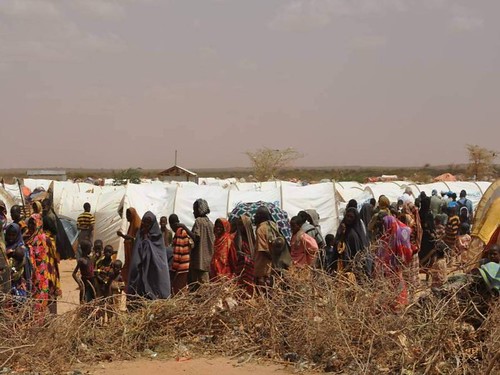
- Displacement of populations due to ongoing conflict, creating humanitarian crises.
- Challenges in implementing effective governance and security reforms in Somalia.
- Efforts at regional cooperation, such as the African Union Mission in Somalia (AMISOM), involving Ethiopia, aimed at stabilizing Somalia.
- Continued dialogue and peace processes between Ethiopia and Somali authorities to address border disputes and security concerns.
- Counter-terrorism strategies coordinated between Ethiopia and Somalia to fight insurgent groups like Al-Shabaab.
- Impact of regional tensions on peace initiatives, requiring diplomatic engagement to foster stability.
- The importance of sustainable development and good governance in reducing the drivers of conflict in both countries.
Regional Stability and International Involvement
The conflicts between Ethiopia and Somalia have significantly impacted regional stability and international involvement in the Horn of Africa. Historically, border disputes and ethnic tensions have fueled ongoing clashes, leading to widespread displacement and insecurity. Ethiopia’s military interventions and Somalia’s internal insurgencies, including the activities of extremist groups, have heightened regional instability. In response, international organizations such as the United Nations and the African Union have engaged in peacekeeping efforts and diplomatic negotiations to promote stability and prevent further escalation. However, persistent political fragility and unresolved disputes continue to challenge efforts toward lasting peace and security in the region.
Foreign Relations and Regional Influence
Foreign relations and regional influence play a crucial role in shaping the stability and development of countries in the Horn of Africa. Ethiopia and Somalia, as neighboring nations with deep historical and cultural ties, actively engage in diplomatic efforts to foster cooperation, manage conflicts, and enhance regional influence. Their interactions not only impact their bilateral relationship but also influence the broader geopolitical landscape of the region.
Diplomatic Relations of Ethiopia
Ethiopia and Somalia share a complex history of diplomatic relations characterized by both cooperation and conflict. As neighboring nations in the Horn of Africa, they have historically influenced each other’s political, economic, and security landscapes. Ethiopia has played a pivotal role in regional stability, often acting as a mediator in Somali internal conflicts and contributing peacekeeping efforts within the region. Diplomatic relations are also deeply intertwined with issues of border security, trade, and regional influence, with Ethiopia seeking to assert its prominence while Somalia navigates the challenges of state-building and sovereignty. Both countries are members of regional organizations like the African Union, which aims to foster cooperation and peace in East Africa. Despite occasional tensions, Ethiopia continues to prioritize diplomatic engagement with Somalia, recognizing the importance of stability for regional development and security.
Somalia’s Foreign Policy
Somalia’s foreign policy has been significantly influenced by its regional relationships, particularly with Ethiopia, given their shared borders and historical ties. Somalia seeks to strengthen diplomatic and economic relations with Ethiopia to promote regional stability and development. Both countries have worked collaboratively on security issues, especially concerning counter-terrorism and border management, to address common threats such as insurgent groups. Somalia also aims to foster regional integration through organizations like the Intergovernmental Authority on Development (IGAD), leveraging Ethiopia’s influence in the Horn of Africa. These diplomatic efforts underscore Somalia’s strategic intent to secure regional stability and enhance its regional influence through strong bilateral ties with Ethiopia.
Regional Organizations and Alliances
Foreign relations and regional influence between Ethiopia and Somalia are shaped by their geographic proximity, historical ties, and mutual interests in stability and development. Ethiopia, as a landlocked country with significant influence in the Horn of Africa, has historically played a pivotal role in regional diplomacy, often acting as a mediator in Somali conflicts and fostering economic and security cooperation. Somalia’s efforts to rebuild its government and institutions have attracted both regional and international support, with neighboring countries closely monitoring and engaging in regional efforts to promote peace. Regional organizations such as the Intergovernmental Authority on Development (IGAD) facilitate dialogue, conflict resolution, and development initiatives among Horn of Africa nations, including Ethiopia and Somalia. These alliances aim to promote stability, counter terrorism, and foster economic integration, reflecting the interconnectedness and shared interests of these nations within the regional framework.
Cultural Heritage and Tourism
Cultural heritage and tourism play a vital role in showcasing the rich histories and diverse traditions of Ethiopia and Somalia. These countries boast a wealth of ancient sites, vibrant customs, and stunning landscapes that attract travelers from around the world. Exploring their unique cultural legacies offers insight into their past, while also supporting sustainable development and local communities.
Notable Cultural Sites in Ethiopia
Ethiopia is renowned for its rich cultural heritage and historic sites that attract tourists from around the world. The country is home to UNESCO World Heritage Sites such as Lalibela’s Rock-Hewn Churches, with their intricate monolithic structures carved from solid rock, and the ancient city of Axum, which boasts obelisks and archaeological treasures linked to the Kingdom of Aksum. Additionally, the Simien Mountains National Park offers stunning natural beauty intertwined with the cultural traditions of local communities.
Somalia, despite its complex history and recent conflicts, possesses notable cultural sites that highlight its ancient civilization. The city of Mogadishu features historical architecture and ancient marketplaces that reflect its historic role as a trading hub. The archaeological site of Laas Geel contains remarkable cave paintings dating back thousands of years, depicting pastoral life and religious rituals. These sites underscore Somalia’s significant contributions to the cultural and historical tapestry of the Horn of Africa.
Historical and Cultural Landmarks in Somalia
Cultural heritage and tourism in Somalia are rich and diverse, showcasing a history shaped by ancient civilizations, trade, and unique traditions. The country boasts several historical and cultural landmarks that attract travelers and history enthusiasts alike, offering a glimpse into its storied past. Among these landmarks are the ancient ruins of Zeila, an important trading port and early Islamic center, and Mogadishu’s old town, which contains remnants of medieval architecture and bustling markets. The Laas Geel cave paintings, dating back thousands of years, highlight early Somali artistry and religious practices. Other notable sites include the historic city of Baidoa and the fortress of Kismayo, each representing different aspects of Somalia’s cultural evolution. Preserving these sites is crucial for maintaining Somalia’s cultural legacy and promoting tourism, which can significantly contribute to the nation’s economic development. As Somalia continues to rebuild and stabilize, these landmarks serve not only as symbols of identity but also as bridges to deeper understanding and international interest in Somali heritage.
Tourism Development and Opportunities
Cultural heritage and tourism play a vital role in the economic development of Ethiopia and Somalia, offering unique opportunities to showcase their rich histories and diverse traditions. Both countries possess ancient sites, vibrant cultures, and stunning landscapes that attract travelers from around the world, fostering tourism development and opening avenues for local communities to benefit economically and socially.
- Historical Sites: Ethiopia is renowned for its ancient obelisks, rock-hewn churches of Lalibela, and the ancient Kingdom of Aksum, while Somalia boasts archaeological sites like the Groves of Godka wholey and the ancient port city of Zeila.
- Cultural Festivals: Both nations celebrate vibrant festivals, such as Ethiopia’s Timket and Meskel, and Somalia’s Ramadan and cultural dance events, which draw tourists interested in authentic cultural experiences.
- Natural Landscapes: Ethiopia’s Simien Mountains and Danakil Depression offer adventurous tourism opportunities, whereas Somalia’s pristine beaches and coral reefs along the Indian Ocean attract diving and snorkeling enthusiasts.
- Tourism Development Challenges: Despite rich cultural resources, political stability, infrastructure development, and security concerns remain obstacles to fully unlocking tourism potential in both countries.
- Opportunities for Growth: Investment in sustainable tourism infrastructure, preservation of heritage sites, and promotion of cultural festivals can significantly boost tourism and create employment, contributing to overall economic resilience.




0 Comments