
Marrakech
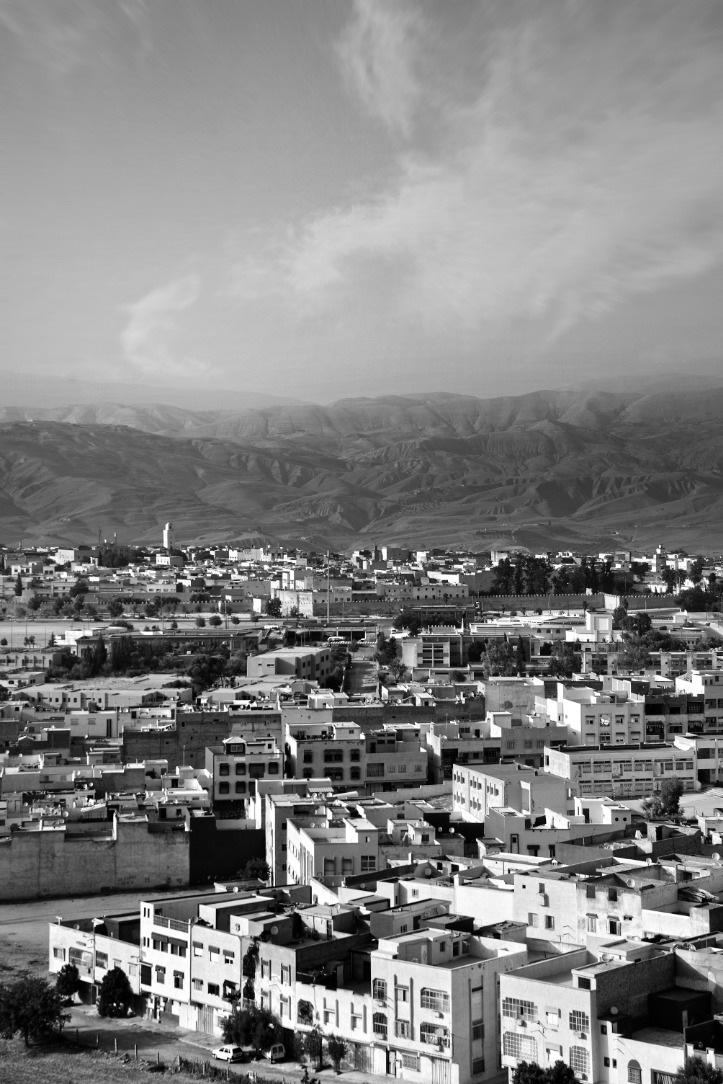
Marrakech, often called the “Red City” for its distinctive ochre buildings, is one of Morocco’s most vibrant and historic cities. Known for its bustling souks, stunning palaces, and lively piazzas, Marrakech offers a captivating blend of tradition and modernity. As a key cultural and economic hub, it attracts travelers from around the world who seek to experience its rich heritage and lively atmosphere.
Historical Significance
Marrakech, often referred to as the “Red City,” holds a profound historical significance as one of Morocco’s most culturally rich and ancient cities. Founded in the 11th century, it has served as a major political, economic, and religious center throughout Moroccan history. The city’s historic medina, a UNESCO World Heritage site, is home to stunning palaces, mosques, and bustling markets that reflect its illustrious past. Marrakech was once the imperial capital under the Almoravid and Almohad dynasties, shaping much of Morocco’s architectural and cultural identity. Its strategic location facilitated trade routes across Africa and Europe, contributing to its historical importance as a crossroads of civilizations. Today, Marrakech continues to symbolize Morocco’s historical legacy while thriving as a vibrant hub of culture and tourism.
Main Attractions
Marrakech, one of Morocco’s most vibrant and historic cities, offers a captivating blend of tradition and modernity. Visitors are drawn to its bustling souks, where they can shop for handcrafted goods, spices, and textiles. The city’s stunning architecture, including the iconic Koutoubia Mosque and the ornate Saadian Tombs, reflects its rich history. Exploring the lively Jemaa el-Fnaa square provides an authentic experience with street performers, food stalls, and local vendors. Additionally, visitors can unwind in beautiful gardens like Jardin Majorelle, once owned by Yves Saint Laurent, or visit the beautiful palaces that showcase Moroccan artistry. Marrakech truly embodies the soul of Morocco, making it a must-visit destination in the country’s major cities.
Cultural Landmarks
Marrakech, often referred to as the “Red City,” is renowned for its vibrant culture and historic landmarks. The city is home to numerous cultural sites that reflect its rich history and diverse influences, making it a must-visit destination for travelers interested in Moroccan heritage.
One of the most famous cultural landmarks in Marrakech is the Koutoubia Mosque, with its impressive minaret serving as a city icon. The Saadian Tombs, dating back to the 16th century, showcase intricate Moroccan architecture and artistry. The ancient Medina area offers a maze of bustling souks and traditional markets where visitors can explore local crafts, spices, and textiles.
Another notable site is the Bahia Palace, a stunning 19th-century palace featuring beautiful gardens, intricate tilework, and grand courtyards that exemplify Moroccan design. The Jardin Majorelle, once owned by Yves Saint Laurent, provides a tranquil retreat filled with exotic plants and vibrant blue accents, reflecting Morocco’s love for gardens and artistry.
Marrakech’s cultural landmarks collectively offer a glimpse into the country’s history, religion, and artistic traditions, making it a vital destination among Morocco’s biggest cities.
Modern Developments
Marrakech, one of Morocco’s most iconic cities, has experienced significant modern developments in recent years, blending its rich cultural heritage with contemporary infrastructure. The city has expanded its transportation networks, including new highways, modernized airports, and improved public transit systems, facilitating easier access for both residents and tourists. Urban renewal projects have transformed historic neighborhoods while preserving their unique charm, with initiatives aimed at enhancing green spaces, modernizing housing, and upgrading essential services. Additionally, Marrakech has become a hub for technological innovation and tourism, drawing international investments and encouraging sustainable urban growth while maintaining its vibrant traditional markets and ancient medinas.
Casablanca
Casablanca, Morocco’s largest city, is a vibrant bustling metropolis known for its modern architecture, lively markets, and rich cultural heritage. As a major economic hub, it plays a vital role in the country’s development while offering a mix of historical sites and contemporary attractions. Casablanca’s unique blend of tradition and modernity makes it a fascinating destination for visitors and an essential part of Morocco’s urban landscape.
Economic Hub
Casablanca is Morocco’s largest city and an important economic hub, known for its vibrant industry, commerce, and port activities. As a major financial center, it hosts numerous multinational companies and banks, making it vital to the country’s economy. The city’s modern infrastructure and bustling port facilitate international trade and attract investments from around the world.
- Financial center with numerous banks, corporate offices, and stock exchange activities
- Major port handling a significant portion of Morocco’s imports and exports
- Center for commerce, manufacturing, and services industries
- Home to many multinational companies and business districts
- Rapid urban development and modernization projects
Architectural Highlights
Casablanca, Morocco’s largest city, is renowned for its stunning blend of modern architecture and historic influences. The cityscape features impressive structures like the Hassan II Mosque, one of the largest mosques in the world, with its intricate minaret and breathtaking oceanfront location. The Corniche area showcases contemporary design with seaside promenades and high-rise buildings that reflect the city’s economic vitality. Downtown Casablanca presents a mix of Art Deco and Neo-Moorish architecture, highlighting the city’s colonial past and cultural diversity. Modern skyscrapers and office towers add to the skyline, symbolizing Casablanca’s role as an economic hub in North Africa. Overall, the city’s architecture embodies a harmonious fusion of tradition and modernity, making it a fascinating destination for architecture enthusiasts.
Entertainment and Nightlife
Casablanca, Morocco’s largest city, is renowned for its vibrant entertainment scene and dynamic nightlife. The city offers a blend of modernity and tradition, with bustling clubs, stylish lounges, and live music venues that attract both locals and tourists. Visitors can enjoy a range of entertainment options, from rooftop bars overlooking the Atlantic to traditional cafes hosting live Moroccan music and dance performances. Casablanca’s lively nightlife reflects its status as a major economic hub, making it a perfect destination for those seeking energetic evenings and cultural experiences.
Transport Infrastructure
Casablanca, as Morocco’s largest city, boasts a well-developed transport infrastructure that plays a vital role in supporting its economic activities and daily mobility. The city features an extensive network of roads, highways, and urban transit systems that connect various districts efficiently. The Casablanca Tramway, inaugurated in 2012, is a modern electric tram system that significantly improves public transportation within the city, reducing traffic congestion and offering a sustainable transport alternative. Additionally, the city is served by major roads like the A3 highway, linking Casablanca to other key cities such as Rabat and Marrakech. The Casa Voyageurs train station provides international and domestic rail services, facilitating movement across Morocco and beyond. The port of Casablanca is one of the largest in Africa, supporting the country’s imports and exports. Plans for expanding and upgrading transportation infrastructure continue to support Casablanca’s growth as Morocco’s economic and commercial hub.
Fès
Fès, known as the cultural and spiritual heart of Morocco, is one of the country’s most historic and vibrant cities. Renowned for its ancient medina, bustling souks, and exquisite architecture, Fès offers a unique glimpse into Morocco’s rich heritage. With its centuries-old traditions and lively atmosphere, it stands out as a must-visit destination for travelers exploring Morocco’s biggest cities.
Historical Medinas
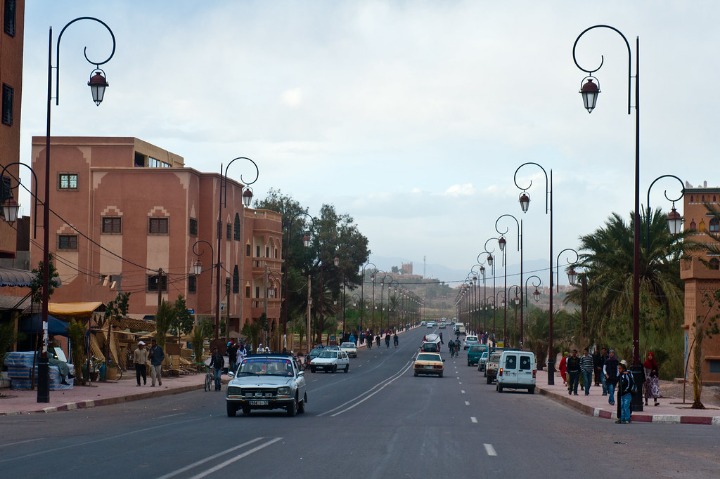
Fès, one of Morocco’s largest cities, is renowned for its ancient medina, a UNESCO World Heritage site that embodies the rich history and culture of Moroccan civilization. The medina of Fès is a labyrinth of narrow winding streets, bustling souks, and historic architecture, offering a glimpse into the city’s vibrant past as a center of learning and craftsmanship. Established in the 9th century, it houses significant landmarks such as the University of al-Qarawiyyin, one of the oldest universities in the world. Exploring this historic medina allows visitors to experience centuries-old traditions, artisan workshops, and religious sites that have shaped Moroccan heritage. Fès remains a vital cultural hub, preserving its timeless charm through its well-preserved medina, making it a must-visit destination in Morocco’s largest cities.
Religious Sites
Fès, one of Morocco’s largest and most historically significant cities, is renowned for its rich religious heritage. The city is home to numerous sacred sites that attract visitors and pilgrims alike. The Fès El-Bali medina contains some of the oldest mosques in Morocco, including the University of Al Quaraouiyine, considered the oldest existing, continually operating higher education institution in the world. The city also features the revered Bab Bou Jeloud Mosque and the Zawiya of Moulay Idriss II, a spiritual site dedicated to the city’s founder. These religious sites reflect Fès’s deep spiritual traditions and its role as a center of Islamic learning and culture.
Educational Centers
Fès is one of Morocco’s most renowned cities, celebrated not only for its rich history and vibrant culture but also for its prominent educational institutions. The city hosts several prestigious educational centers that attract students from across the country and beyond. Fès’s universities and colleges are known for their focus on Islamic studies, humanities, law, and traditional arts, preserving centuries-old academic traditions. The University of Al Quaraouiyine, recognized as one of the oldest universities in the world, plays a central role in the city’s educational landscape. These centers contribute significantly to Morocco’s intellectual growth, making Fès a hub for knowledge, cultural exchange, and academic excellence in the region.
Traditional Markets
Fès, one of Morocco’s largest and most historic cities, is renowned for its vibrant traditional markets known as souks. These bustling markets are the heart of the city’s commerce and culture, offering a sensory overload of sights, sounds, and smells. Visitors can explore narrow alleys filled with stalls selling handcrafted leather goods, intricate textiles, jewelry, spices, and ceramics. The souks of Fès are not only shopping destinations but also living museums that showcase centuries-old craftsmanship and Moroccan heritage. Walking through these markets provides an authentic experience of Moroccan daily life and a glimpse into the rich cultural tapestry of Fès, making it a must-visit for anyone interested in exploring Morocco’s traditional urban scenes.
Tangier
Tangier is a vibrant and historically significant city located at the northern tip of Morocco, overlooking the Strait of Gibraltar. Known for its rich cultural heritage and diverse influences, it serves as a major port and gateway between Africa and Europe. With a blend of old-world charm and modern development, Tangier stands out as one of the country’s most prominent urban centers and a key player in Morocco’s bustling metropolitan landscape.
Strategic Location and Port
Tangier is one of Morocco’s most significant cities, renowned for its strategic location at the crossroads of Africa and Europe. Situated on the Strait of Gibraltar, it serves as a vital gateway connecting the two continents and facilitating international trade and cultural exchange. The city’s port is one of the busiest in Africa, offering a crucial maritime link for goods and passengers, which boosts Morocco’s economy and enhances its global connectivity. This advantageous position has historically made Tangier a melting pot of diverse influences and a hub for commerce and tourism.
Economic and Commercial Significance
Tangier holds a prominent position among Morocco’s largest cities due to its strategic location and vibrant economic activities. As a major port city, it serves as a gateway between Africa and Europe, facilitating extensive trade and commerce. The city’s economic significance is bolstered by industries such as logistics, manufacturing, and tourism, which attract both local and international investments. Tangier’s Free Economic Zone offers attractive incentives for businesses, fostering innovation and economic growth. Its thriving port not only supports maritime trade but also contributes to the development of related sectors like transportation and warehousing. Overall, Tangier’s dynamic economy and commercial infrastructure make it a vital hub for Morocco’s national prosperity.
Cultural Diversity
Tangier, one of Morocco’s largest cities, is renowned for its rich cultural diversity that reflects a blend of various civilizations. Located at the crossroads of Europe and Africa, Tangier has historically been a meeting point for different peoples, including Arab, Berber, European, and Sub-Saharan communities. This melting pot of cultures is evident in its architecture, cuisine, traditions, and daily life, creating a unique and vibrant atmosphere. The city’s multilingual environment, with Arabic, French, Spanish, and Berber commonly spoken, further highlights its diverse cultural fabric. Tangier’s openness and multicultural heritage make it a fascinating destination that embodies the diverse cultural influences that have shaped Morocco over centuries.
Tourist Attractions
Tangier is one of Morocco’s most vibrant and historically rich cities, renowned for its unique blend of cultures and stunning coastal scenery. Visitors can explore the bustling medina, filled with souks, cafes, and historic landmarks that showcase the city’s diverse heritage. The Kasbah Museum offers insight into Tangier’s fascinating history, while the Caves of Hercules provide an adventurous outing with breathtaking views of the Atlantic Ocean. The city’s promenade along the waterfront is perfect for relaxing, enjoying seafood, and taking in the atmosphere of this Moroccan gateway to Europe.
Salé
Salé is one of Morocco’s largest and most historically significant cities, located on the Atlantic coast opposite the capital, Rabat. Known for its vibrant markets, rich cultural heritage, and ancient architecture, Salé has played a crucial role in Morocco’s history as a major port and trading hub. Its blend of traditional and modern influences makes it a fascinating city to explore within the context of Morocco’s biggest urban centers.
Historical Background
Salé is one of Morocco’s most historically significant cities, situated on the Atlantic coast across from the capital, Rabat. Its rich history dates back over a thousand years, serving as a major political and cultural hub throughout various periods. Historically, Salé was known for its formidable defenses and as a center for trade and learning, attracting scholars and merchants from across the region. The city played a crucial role during the Islamic period, especially under the Marinid and Nasrid dynasties, which contributed to its development as a vibrant urban center. Despite modern growth, Salé retains much of its historical charm through its ancient medina, mosques, and fortress walls that reflect its storied past. Its cultural heritage continues to be a vital aspect of Morocco’s historical landscape, illustrating the city’s enduring significance in the region.
- Founded in the 10th century, originally as a small settlement.
- Developed as a strategic maritime port for trade and defense.
- Home to the historic Kasbah of Salé, a fortress that dates back centuries.
- In medieval times, known for piracy, which led to conflicts with European nations.
- In the 20th century, integrated into the modern urban fabric while preserving its historical sites.
City Wall and Fortifications
Salé, one of Morocco’s largest and most historic cities, is renowned for its impressive city wall and fortifications that date back centuries. The city walls were originally constructed to protect against invasions and have played a crucial role in shaping Salé’s historical landscape. These fortifications are characterized by their robust stone construction, intricate gates, and battlements, offering a glimpse into the military architecture of the past. Today, the remnants of the city wall serve as a testament to Salé’s strategic importance and rich history, attracting visitors interested in Morocco’s heritage. The fortifications not only provided defense but also contributed to the city’s cultural identity, making Salé a notable part of Morocco’s largest urban centers.
Local Markets
Salé, one of Morocco’s largest cities, boasts a vibrant local market scene that reflects its rich cultural heritage and lively community. Visitors can explore bustling souks filled with a variety of traditional crafts, fresh produce, spices, and textiles. These markets offer an authentic taste of Moroccan daily life and provide a perfect opportunity to experience local flavors and customs.
- Traditional Souks: Narrow alleyways lined with shops selling jewelry, ceramics, and handcrafted goods.
- Fresh Market Stalls: Vendors offering a variety of fruits, vegetables, herbs, and spices sourced from regional farms.
- Clothing and Textiles: Markets filled with colorful fabrics, traditional garments, and accessories.
- Food Markets: Stalls offering Moroccan delicacies such as olives, preserved vegetables, and street snacks.
Cultural Heritage
Salé is one of Morocco’s largest cities and is renowned for its rich cultural heritage and historical significance. Located on the Atlantic coast, just across the Bou Regreg River from Rabat, Salé has a deep history that dates back centuries, reflecting a blend of indigenous Berber, Arab, and European influences. The city boasts ancient medinas, traditional markets, and historic sites that showcase its cultural diversity and artistic traditions. Salé’s architecture features narrow winding streets and traditional blue and white houses, preserving its authentic charm. Its cultural heritage is also celebrated through local crafts, music, and festivals that attract visitors interested in Morocco’s vibrant history. Overall, Salé remains a vital cultural hub, embodying the rich legacy of Morocco’s urban development and historical identity.



0 Comments