
Geography and Climate of Marrakech
Marrakech, often known as the “Red City,” is situated in southwestern Morocco and is renowned for its vibrant culture and historic significance. Its geographic location lies near the foothills of the Atlas Mountains, providing a unique blend of desert and mountain scenery. The city enjoys a semi-arid climate characterized by hot summers, mild winters, and minimal rainfall, making it an inviting destination for visitors year-round. The diverse landscape and favorable climate contribute to Marrakech’s rich agricultural traditions and lively street markets.
Location and Topography
Marrakech, located in western Morocco, is a city renowned for its vibrant culture and historic significance. Situated near the foothills of the Atlas Mountains, it lies approximately 150 kilometers south of the Moroccan capital, Rabat. The city’s geographical position places it at the crossroads of the desert and mountain regions, contributing to its diverse landscape.
The topography of Marrakech is characterized by a mix of flat plains and surrounding rugged mountain ranges. The city itself is situated on a relatively flat terrain, which has facilitated its development as a major urban center. To the south and east, the landscape transitions into the arid valleys and rugged mountains of the Atlas, which influence the local climate and natural environment. This distinctive topography not only enhances Marrakech’s scenic beauty but also shapes its climate, making it a warm and dry city with hot summers and mild winters.
Climate Characteristics
Marrakech, located in Morocco, is renowned for its diverse geography and distinctive climate characteristics. Situated near the foothills of the Atlas Mountains, the city benefits from a varied landscape that influences its weather patterns. The region features a mix of low-lying areas and nearby mountainous terrain, contributing to its climatic diversity.
The climate of Marrakech is classified as a semi-arid Mediterranean climate, characterized by hot summers and mild winters. Summers often see high temperatures exceeding 40°C, especially in July and August, while winters are relatively mild with daytime temperatures around 18-22°C. Rainfall is scarce, mostly occurring during the winter months, with an annual average of about 250mm. The city’s exposure to the desert influences its dry atmosphere, with abundant sunshine and low humidity throughout much of the year.
- Hot, dry summers with temperatures frequently soaring above 40°C
- Mild, cooler winters with daytime temperatures around 18-22°C
- Limited rainfall mainly occurring between November and February
- High sunshine hours year-round due to clear skies and dry conditions
- Influence of nearby Atlas Mountains, which can cause temperature variations and occasional weather changes
Best Visiting Seasons
Marrakech, located in central Morocco, is known for its diverse geography and climate that attract travelers year-round. The city is situated near the Atlas Mountains, offering a striking backdrop of rugged ridges and lush valleys, which influence its weather patterns. Marrakech features a semi-arid climate with hot summers and mild winters, characterized by clear skies and low rainfall.
During summer, temperatures can soar above 40°C (104°F), making it the hottest time to visit for those who enjoy warm weather and outdoor activities. Conversely, from late autumn to early spring, temperatures are much more moderate, typically ranging from 10°C to 20°C (50°F to 68°F), providing pleasant conditions for exploring the city’s vibrant markets and historic sites.
The best visiting seasons are generally during spring (March to May) and fall (September to November) when the weather is cooler and more comfortable for sightseeing. Springtime blooms add vibrant colors to the city’s gardens, while autumn offers a pleasant climate free from the intense heat of summer. These periods also tend to be less crowded, enhancing the overall experience of discovering Marrakech’s rich culture and history.
History and Cultural Heritage
Marrakech, a vibrant city in Morocco, is renowned for its rich history and diverse cultural heritage. As a historic hub of trade, art, and architecture, Marrakech offers a unique glimpse into Morocco’s past through its ancient medinas, stunning palaces, and lively souks. The city’s cultural tapestry is woven with influences from Berber, Arab, and European civilizations, making it a captivating destination for those interested in history and tradition.
Founding and Historical Significance
Marrakech, known as the “Red City” due to its distinct red sandstone walls, is a city rich in history and cultural heritage. Founded in the 11th century by the Almoravids, it quickly grew into a vital center of trade, religion, and culture in Morocco. Its strategic location at the crossroads of important trade routes contributed to its historic significance, fostering a vibrant exchange of ideas, goods, and traditions.
The city is renowned for its historic medina, a UNESCO World Heritage Site, which features stunning architecture, bustling souks, and ancient mosques such as Koutoubia Mosque. Marrakech also boasts palaces like the Bahia Palace and centuries-old madrassas that reflect the city’s illustrious history and Islamic artistic achievements. Throughout centuries, it has served as a political, cultural, and spiritual hub, embodying Morocco’s diverse heritage.
Throughout its history, Marrakech has been a symbol of Moroccan identity and resilience, preserving its ancient traditions amid changing dynasties and influences. Its historic sites and vibrant cultural scene continue to attract visitors from around the world, underscoring its enduring importance as a cornerstone of Morocco’s cultural and historical legacy.
Architectural Landmarks
Marrakech, a vibrant city in Morocco, boasts a rich history and a profound cultural heritage that attract travelers from around the world. Known as the “Red City” due to its distinctive red sandstone buildings, it has been a significant center for trade, culture, and craftsmanship for centuries.
Architectural landmarks in Marrakech showcase a mesmerizing blend of Islamic, Berber, and Andalusian influences. The iconic Koutoubia Mosque, with its towering minaret, stands as a symbol of Marrakech’s spiritual history and is a stunning example of Almohad architecture. The Saadian Tombs, dating back to the 16th century, reveal intricate decoration and are a testament to the city’s grandeur during the Saadian dynasty.
The bustling Jemaa el-Fnaa square is not just a marketplace but a cultural hub that has preserved traditional music, storytelling, and culinary arts. The historic palaces, such as the Bahia Palace, feature lush gardens, ornate stuccoes, and elegant courtyards that highlight the city’s luxurious past. The intricate zellij tile work and carved cedar wood in these historic sites reflect the exquisite craftsmanship rooted in Marrakech’s cultural identity.
Today, Marrakech continues to preserve its architectural and cultural heritage through restoration efforts and sustainable tourism, maintaining its status as a captivating destination for history enthusiasts and cultural explorers alike.
Famous Museums and Cultural Sites
Marrakech, a historic city in Morocco, is renowned for its rich cultural heritage and vibrant history that dates back over a thousand years. As a former imperial city, it has served as a key center for trade, art, and architecture, reflecting a blend of Arab, Berber, and French influences. The city boasts a wealth of historical sites and museums that showcase its diverse cultural legacy.
One of the most famous landmarks in Marrakech is the Koutoubia Mosque, with its stunning minaret that dominates the city skyline. Although access is restricted, the mosque’s exterior stands as a symbol of Marrakech’s Islamic heritage. The Saadian Tombs, dating from the 16th century, offer a glimpse into the grandeur of the Saadian dynasty’s rulers and are beautifully preserved. The Bahia Palace, an exquisite example of Moroccan architecture, features intricate tilework, lush gardens, and beautifully decorated rooms, reflecting the opulence of the era.
Marrakech is home to several renowned museums that preserve and display its cultural treasures. The Marrakech Museum, housed in a historic riad, exhibits Moroccan art, jewelry, and textiles, providing insight into local traditions. The Museum of Marrakech showcases artifacts, photographs, and exhibits that narrate the city’s history from ancient times to the present. Additionally, the Dar Si Said Museum specializes in Moroccan arts and crafts, emphasizing the country’s rich artisanship.
The city also boasts famous cultural sites such as the bustling Jemaa el-Fnaa square, which has been a center of social and commercial activity for centuries. Around the square, vibrant souks are filled with traditional crafts, spices, and textiles, offering an immersive cultural experience. The Majorelle Garden, once owned by Yves Saint Laurent, stands as a serene oasis filled with exotic plants, Moroccan art, and vibrant colors, symbolizing Morocco’s artistic spirit. These sites collectively highlight Marrakech’s importance as a hub of history, art, and culture in Morocco.
Marrakech’s Main Attractions
Marrakech, the vibrant heart of Morocco, is a city rich in history, culture, and exotic charm. Visitors are captivated by its bustling markets, stunning palaces, and unique blend of tradition and modernity. From the enchanting souks to the breathtaking gardens, Marrakech offers an unforgettable experience for every traveler exploring its main attractions.
Jemaa el-Fnaa Square
Marrakech, a vibrant city in Morocco, is renowned for its rich history, colorful markets, and lively atmosphere. One of its main attractions is Jemaa el-Fnaa Square, a bustling hub that embodies the essence of Moroccan culture. This historic square is a melting pot of local vendors, performers, and visitors, offering an authentic experience of Marrakech’s vibrant street life. Visitors can enjoy a variety of street food, watch traditional performances, and explore numerous souks surrounding the square, making Jemaa el-Fnaa a must-visit destination in the city.
Medina and Souks
Marrakech, a vibrant city in Morocco, is renowned for its captivating main attractions, bustling medina, and lively souks that offer a unique glimpse into Moroccan culture. The city’s rich history and lively atmosphere make it a must-visit destination for travelers seeking an authentic experience.
The medina of Marrakech is a UNESCO World Heritage site, characterized by narrow, winding streets, historic palaces, and beautiful mosques. Visitors can explore iconic landmarks such as the Koutoubia Mosque, with its striking minaret, and the Saadian Tombs, which date back to the 16th century. The medina’s labyrinthine layout invites wandering and discovery at every turn.
The souks of Marrakech are a bustling marketplace where artisans and vendors sell a wide array of goods, including spices, textiles, jewelry, ceramics, and traditional Moroccan crafts. These vibrant markets are perfect for bargaining and immersing oneself in the vibrant local culture. The lively atmosphere and colorful displays make exploring the souks a truly memorable part of the Marrakech experience.
Palaces and Historic Buildings
Marrakech, known as the “Red City,” is rich in history and culture, offering a wide array of main attractions, palaces, and historic buildings that draw visitors from around the world. The city’s vibrant atmosphere is complemented by its stunning architecture and centuries-old sites.
One of the most iconic landmarks is the Koutoubia Mosque, with its towering minaret visible from many parts of the city. Although non-Muslims are not permitted to enter, its exterior remains a masterpiece of Almohad architecture and a symbol of Marrakech.
The Bahia Palace is another must-visit site, showcasing exquisite Moroccan architecture, lush gardens, and intricate tile work. Built in the late 19th century, it served as a residence for the grand vizier and is notable for its spacious courtyards and detailed decorations.
The Saadian Tombs, dating back to the 16th century, are renowned for their beautifully decorated mausoleums and intricate tile work. Rediscovered in 1917, these tombs offer a glimpse into the grandiose of Saadian rule and Moroccan craftsmanship.
The El Badi Palace, now in ruins, once stood as a symbol of Marrakech’s wealth and power during the Saadian dynasty. Visitors can explore the remaining walls, underground tunnels, and sunken gardens, imagining its former glory.
The Ben Youssef Madrasa is one of the largest theological colleges in North Africa and a testament to Morocco’s Islamic heritage. Its stunning courtyard, intricate woodwork, and tile mosaics reflect the craftsmanship of the period.
These historic sites, combined with the bustling souks and the vibrant Djemaa el-Fna square, make Marrakech a captivating destination filled with history, architecture, and culture at every turn.
Gardens and Parks
Marrakech, a vibrant city in Morocco, is famous for its rich history, lively souks, and stunning landscapes. Visitors can explore a variety of main attractions that showcase the city’s cultural heritage and architectural marvels.
One of the most iconic sites is the Jardin Majorelle, a beautifully designed garden with vibrant blue accents, exotic plants, and a peaceful atmosphere. It was once owned by Yves Saint Laurent and now serves as a popular tourist destination. Another notable garden is Le Jardin Secret, which combines traditional Islamic architecture with lush greenery, offering a tranquil retreat in the heart of the medina.
The Menara Gardens provide a scenic escape with their large reflecting pools, olive groves, and panoramic views of the Atlas Mountains. This historic garden dates back to the 12th century and is a perfect place for relaxation and sightseeing. Additionally, the Agdal Gardens, sprawling over a large area, feature fruit trees, canals, and shaded walkways, making it an ideal spot for picnics and outdoor activities.
Marrakech’s parks and gardens reflect the city’s love for nature and provide serene spaces amidst the bustling urban environment, offering visitors a chance to unwind and enjoy the beauty of Moroccan design and horticulture.
Traditional Markets and Shopping
Traditional markets, known as souks, are an essential part of Marrakech’s vibrant culture and daily life. These bustling bazaars offer a unique shopping experience filled with colorful textiles, fragrant spices, handcrafted jewelry, and local crafts. Wandering through the narrow alleys of Marrakech’s markets provides a glimpse into the city’s rich history and the lively atmosphere that defines this Moroccan city.
Souk Semmarine
Traditional markets, or souks, are an essential part of Marrakech’s vibrant culture and offer a unique shopping experience that immerses visitors in the city’s rich history and craftsmanship. Souk Semmarine is one of the most famous markets in Marrakech, renowned for its lively atmosphere and diverse selection of goods. Visitors can explore narrow winding alleys filled with stalls selling everything from colorful textiles and exquisite jewelry to traditional pottery and aromatic spices. The market is a bustling hub where local artisans showcase their handcrafted products, providing a glimpse into Morocco’s artisanal traditions. Shopping at Souk Semmarine offers an authentic taste of Marrakech’s vibrant markets, making it an unforgettable experience for those seeking unique souvenirs and cultural immersion.
Local Handicrafts
Traditional markets, known locally as souks, are a vibrant and essential part of Marrakech’s culture and daily life. These bustling marketplaces offer an authentic experience for visitors seeking to explore Moroccan history, craftsmanship, and local flavors. Visiting the souks provides an immersive journey into the rich heritage of Marrakech, where every corner reveals unique sights, sounds, and scents.
Within these markets, local handicrafts play a significant role. Artisans showcase their skills by creating and selling a variety of handcrafted items that reflect Moroccan artistry and traditions. From intricate textiles to beautiful ceramics, the craftsmanship found in Marrakech’s souks is truly remarkable and a testament to centuries-old techniques.
- Traditional markets in Marrakech are organized into sections such as spice, textile, jewelry, and leather goods, making it easier for visitors to explore specific interests.
- Browsing these markets offers opportunities to purchase original, handcrafted souvenirs that are authentic to Moroccan culture.
- Local handicrafts include colorful carpets, lanterns, pottery, and jewelry, often made using age-old techniques passed down through generations.
- Haggling is commonplace in Marrakech’s souks, allowing shoppers to engage with vendors and enjoy a cultural exchange during their shopping experience.
- Supporting local artisans through purchases helps sustain traditional craftsmanship and preserves Morocco’s cultural heritage.
Best Bargaining Tips
Traditional markets in Marrakech, also known as souks, are vibrant hubs of culture and commerce, offering a wide array of goods from spices and textiles to handcrafted jewelry and art. Exploring these lively markets provides an authentic experience of Moroccan traditions and craftsmanship. When shopping in Marrakech’s souks, mastering bargaining skills can enhance your purchasing power and ensure a rewarding visit.
To get the best deals, start by observing the market prices and setting a reasonable budget. Always greet the vendor with a friendly smile and show genuine interest in their products, which helps build rapport. Make the first offer lower than your maximum willingness to pay, but not so low that it offends the seller. Be prepared to negotiate back and forth, and remain polite and patient throughout the process. Remember, bargaining is part of the cultural experience, so enjoy the interaction. Keep in mind that paying in cash often gives you more leverage, and if you’re happy with the price, finalize the deal confidently. With these tips, shopping in Marrakech’s traditional markets can become both enjoyable and budget-friendly.
Cuisine and Dining Experience
Discover the vibrant culinary scene of Marrakech, Morocco, where traditional flavors and modern twists come together to create a unique dining experience. The city boasts a rich tapestry of dishes influenced by Arab, Berber, and Mediterranean cuisines, offering visitors an authentic taste of Moroccan culture. From bustling street food stalls to elegant riad restaurants, Marrakech provides a diverse array of gastronomic delights that tantalize the senses and immerse diners in its captivating atmosphere.
Traditional Moroccan Dishes
Marrakech offers a rich culinary scene that beautifully reflects its vibrant culture and history. Visitors can indulge in a variety of traditional Moroccan dishes that promise a memorable dining experience amidst the city’s bustling markets and serene riads.
- Tagine: A slow-cooked stew made with meat such as lamb, chicken, or beef, combined with vegetables and aromatic spices, served in a conical clay pot that enhances the flavors.
- Couscous: Fine-grained semolina wheat served with a hearty broth, vegetables, and tender meats, often enjoyed during special occasions and family gatherings.
- B specialization B’sa: A savory pancake filled with a mixture of onions, herbs, and sometimes meat, typically enjoyed as a street food snack.
- Harira: A traditional soup made with tomatoes, lentils, chickpeas, and meat, seasoned with herbs and spices, commonly eaten to break the fast during Ramadan.
- Pastilla: A savory and sweet dish featuring flaky pastry filled with pigeon or chicken, almonds, and flavored with cinnamon and sugar, offering a unique blend of flavors.
Popular Restaurants and Food Stalls
Marrakech offers a vibrant culinary scene that delights visitors with its rich flavors and diverse dining options. From traditional Moroccan dishes to modern fusion cuisine, the city provides an unforgettable gastronomic experience for every palate.
Cuisine and Dining Experience
The city’s cuisine is characterized by aromatic spices, fresh ingredients, and time-honored recipes. Visitors can indulge in flavorful tagines, couscous, pastilla, and grilled meats, often enjoyed in bustling marketplaces or elegant riads. Dining in Marrakech is not just about food; it’s about immersing oneself in the local culture and social traditions.
Popular Restaurants and Food Stalls
- Le Jardin: A charming garden setting offering a mix of Moroccan and Mediterranean dishes.
- Dar Yacout: An iconic restaurant known for its elaborate traditional Moroccan meals served in a luxurious setting.
- Nomad: A trendy spot featuring modern twists on classic Moroccan recipes, with panoramic views of the city.
- Mazagan: Famous for its seafood and fresh seafood platters, located near the medina.
- Breakfast Street Food Stalls: Numerous stalls lining Jemaa el-Fnaa square serve freshly made Moroccan crepes, fresh orange juice, and churros, providing authentic street food experiences.
Local Food Markets
Marrakech offers a vibrant culinary scene that beautifully combines traditional Moroccan flavors with modern influences, providing an exceptional dining experience for visitors. From fragrant tagines to flavorful couscous, the city’s cuisine reflects its rich cultural heritage and diverse history.
Exploring local food markets, such as Jemaa el-Fnaa and souks, allows travelers to immerse themselves in authentic Moroccan flavors. These bustling markets are filled with stalls offering fresh herbs, spices, dried fruits, and street food delights, creating an aromatic and lively atmosphere. Sampling freshly prepared street snacks like msemen and bissara provides an unforgettable taste of Marrakech’s culinary tradition.
Dining in Marrakech ranges from luxurious riad restaurants to casual street vendors, ensuring every palate is satisfied. Many establishments incorporate local ingredients and cooking techniques, offering a true taste of Moroccan cuisine. Engaging with vendors and trying local specialties not only enhances the dining experience but also provides insight into Marrakech’s vibrant culture and way of life.
Accommodations and Hotels
Finding the perfect accommodations in Marrakech offers travelers a blend of traditional charm and modern comfort. From luxurious hotels nestled in historic palaces to charming riads with vibrant courtyards, the city provides a wide range of options to suit every preference and budget. Whether you seek a tranquil retreat or a lively base to explore the bustling medinas, Marrakech’s diverse lodging choices ensure a memorable stay in this enchanting Moroccan city.
Luxury Resorts and Riads
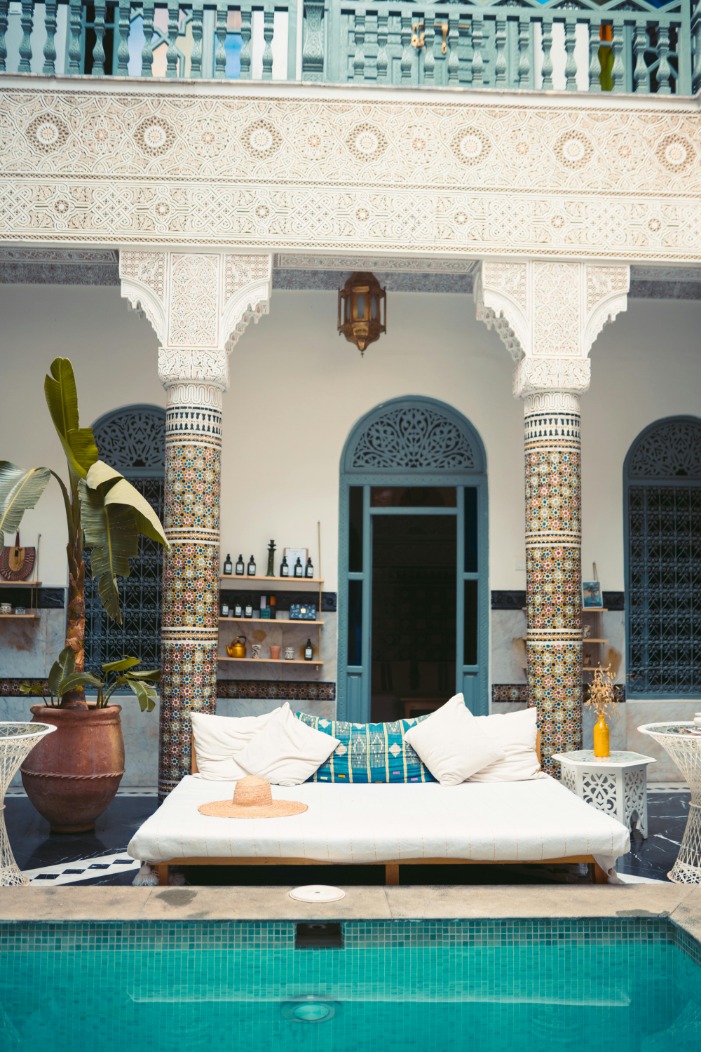
Marrakech offers a diverse range of accommodations to suit every traveler’s preference, from luxurious resorts to charming riads nestled within the historic medina. Staying in a luxury resort provides guests with top-notch amenities, exquisite dining options, and stunning vistas of the surrounding gardens and landscapes. Riads, traditional Moroccan houses with interior courtyards, offer an authentic experience with their intricate architecture, serene atmospheres, and personalized service. Whether seeking the grandeur of a five-star hotel or the intimate charm of a riad, visitors to Marrakech can enjoy hospitality that combines comfort, elegance, and a touch of local culture.
Mid-range Hotels
Mid-range hotels in Marrakech offer a comfortable and affordable option for travelers seeking a blend of quality and value. These accommodations typically feature stylish decor, modern amenities, and convenient locations, allowing guests to enjoy the vibrant city without overspending. Many mid-range hotels are situated near popular attractions such as the Jemaa el-Fnaa square, historic medinas, and stunning gardens, making them ideal for exploring Marrakech’s rich culture.
Guests can expect well-appointed rooms, on-site restaurants, and services like free Wi-Fi and personalized concierge assistance. Whether visiting for leisure or business, mid-range hotels in Marrakech provide a welcoming atmosphere and excellent facilities to ensure a memorable stay in this enchanting Moroccan city.
Budget Stays and Hostels
Marrakech offers a wide range of accommodations to suit every traveler’s needs, from luxury hotels to budget stays and hostels. Visitors seeking a more affordable experience can choose from numerous hostels that provide clean, social environments and convenient locations near the city’s main attractions. Budget hotels in Marrakech often feature comfortable amenities at reasonable prices, making them an excellent option for travelers who want to explore the city without overspending. For those seeking a more upscale experience, luxurious riads and boutique hotels in Marrakeck offer traditional Moroccan architecture combined with modern comforts, providing a unique and memorable stay. Whatever your preference, Marrakech’s diverse accommodation options ensure a comfortable and authentic Moroccan experience for all visitors.
Transportation in Marrakech
Marrakech, a vibrant city in Morocco, offers a diverse and efficient transportation system that makes exploring its bustling streets and historic sites convenient for visitors. From traditional horse-drawn carriages to modern taxis and public buses, transportation options enhance the experience of discovering the city’s rich culture and lively markets. Whether navigating through the medina or reaching distant attractions, transportation in Marrakech provides both convenience and authenticity for travelers.
Getting Around the City
Getting around Marrakech offers a variety of transportation options that make exploring the vibrant city convenient and engaging. From traditional methods to modern solutions, visitors can choose the option that best suits their preferences and budget.
- Walking: The city’s medina is compact and best explored on foot, allowing visitors to immerse themselves in its lively atmosphere and discover hidden gems.
- Taxis: Private and shared taxis are widely available. Yellow taxis are common within the city, and it’s recommended to agree on the fare before starting the journey.
- Suqs and Carriages: Horse-drawn carriage rides are a traditional and scenic way to see key sights, especially in the medina area.
- Bus Services: The city has an extensive bus network operated by SOMAT, connecting various neighborhoods and suburbs economically.
- Ridesharing Apps: Uber and other smartphone-based services are increasingly available, offering convenient and transparent transportation options.
- Rental Cars: For those who wish to venture beyond the city, rental cars provide flexibility to explore nearby attractions at their own pace.
Public Transit Options
Marrakech offers a variety of transportation options that help visitors explore the vibrant city and its surroundings. Public transit in Marrakech primarily includes buses operated by the company’s local transportation authority, which connect major areas and neighborhoods throughout the city. These buses are an affordable and convenient way to travel, with frequent routes covering popular destinations such as Jemaa el-Fnaa, souks, and museums. Taxis, both traditional and modern, are widely available and provide quick transportation for travelers seeking convenience, especially for short trips or late-night travel. Additionally, there are horse-drawn carriages, known locally as caleches, which offer a scenic and traditional way to experience the city. Recently, ride-hailing services and car rental options have also become increasingly popular among visitors seeking flexibility and comfort during their stay in Marrakech.
Taxi and Car Rentals
Marrakech, a vibrant city in Morocco, offers a variety of transportation options for visitors to explore its bustling markets, historic sites, and colorful neighborhoods. Taxis are widely available throughout the city and are a convenient way to move around, especially for short distances. They can be hailed on the street or found at designated taxi stands, with metered fares often used but it’s common to agree on a price beforehand. For longer trips or more flexibility, car rentals are a popular choice, allowing visitors to explore beyond the city at their own pace. Numerous local and international rental companies operate in Marrakech, offering a range of vehicles from economy to luxury cars. Whether opting for taxis or renting a car, transportation in Marrakech ensures easy access to the city’s rich cultural attractions and surrounding areas.
festivals and Events
Marrakech, a vibrant city in Morocco, is renowned for its lively festivals and colorful events that celebrate its rich culture and traditions. Throughout the year, visitors can experience a variety of lively markets, traditional music performances, and unique cultural celebrations that showcase the city’s historic charm and modern energy. These festivals offer a fantastic opportunity to immerse oneself in the local customs and vibrant atmosphere of Marrakech.
Marrakech International Film Festival
Marrakech, a vibrant city in Morocco, is renowned for its rich cultural heritage and lively atmosphere, which come alive through various festivals and events throughout the year. Among the most notable is the Marrakech International Film Festival, held annually to celebrate the magic of cinema from around the world. This prestigious event attracts filmmakers, actors, and cinema enthusiasts, showcasing a diverse array of films and fostering international cultural exchange.
The Marrakech International Film Festival serves as a significant platform for promoting Moroccan culture and cinema on the global stage. It features red carpet premieres, award ceremonies, and panel discussions, highlighting local and international talents. The festival not only promotes artistic excellence but also enhances Marrakech’s reputation as a cultural hub in North Africa.
Beyond the film festival, Marrakech hosts numerous traditional festivals, such as the Fantasia Festival, which celebrates Moroccan music, dance, and equestrian skills. The city’s vibrant souks, historic sites, and lively square festivals create an engaging atmosphere that reflects its deep-rooted traditions and modern vibrancy. These events collectively make Marrakech a captivating destination for visitors seeking a blend of history, culture, and entertainment.
Traditional Moroccan Festivals
Marrakech, a vibrant city in Morocco, is renowned for its rich cultural heritage and lively festivals that celebrate Moroccan traditions. The city hosts a variety of traditional festivals throughout the year, attracting both locals and tourists eager to experience authentic Moroccan culture. One of the most famous events is the Marrakech International Film Festival, which showcases international cinema alongside Moroccan films, highlighting the country’s growing influence in the arts. Another significant celebration is the Fantasia or Tbourida, a historical cavalry parade featuring horsemen dressed in traditional attire performing synchronized gunfire displays, symbolizing bravery and historical martial skills. The city also celebrates the Moussem of Sidi Mohammed Ben Slimane, a religious festival that involves processions, traditional music, and communal feasts to honor the city’s revered saint. Additionally, the Jmaa El Fnaa square comes alive during these festivals with storytellers, musicians, dancers, and street performers, creating an enchanting atmosphere. These festivals and events provide a vivid window into Moroccan culture, showcasing its history, religion, and artistry in the heart of Marrakech.
Music and Cultural Events
Marrakech, known as the Red City of Morocco, is a vibrant hub of festivals and cultural events that showcase the rich heritage and lively spirit of the city. Throughout the year, visitors can experience a variety of music festivals, traditional celebrations, and artistic events that highlight Moroccan culture. The city’s bustling souks and historic sites serve as the perfect backdrop for these lively gatherings.
The Marrakech International Film Festival is one of the most prominent cultural events, attracting filmmakers, actors, and cinephiles from around the world. It celebrates cinematic artistry and offers a platform for both international and Moroccan filmmakers. Music festivals in Marrakech, such as the Festival of Popular Arts, feature traditional Moroccan music styles like Gnawa, Moroccan folk, and Amazigh rhythms, captivating audiences with their energetic performances.
In addition to music and film festivals, Marrakech hosts numerous events promoting arts and crafts, including exhibitions and live demonstrations in its vibrant markets. The city also celebrates Islamic and Moroccan cultural holidays with parades, religious ceremonies, and community gatherings, providing a vivid display of local traditions. These festivals and events not only entertain but also serve to preserve and promote Marrakech’s unique cultural identity for both residents and visitors alike.

0 Comments