
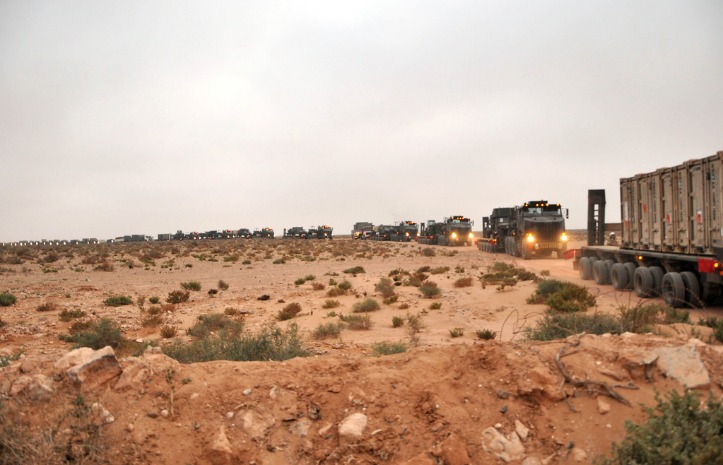
Geography and Climate of Morocco
The Kingdom of Morocco is characterized by diverse geography and a varied climate that shape its unique landscape. Located in North Africa, Morocco features coastal plains, rugged mountain ranges, and expansive desert areas. Its climate ranges from Mediterranean along the coast to arid in the interior deserts, creating a rich environment that influences both its natural ecosystems and human activities. This diverse geographical and climatic landscape makes Morocco a fascinating country with a blend of natural beauty and cultural richness.
Physical Features and Topography
The Kingdom of Morocco is a country characterized by its diverse geography and varied climate, which significantly influence its natural landscape and regional differences. Located in North Africa, Morocco features a range of physical features and topographical formations that make it unique.
Morocco’s physical features include the vast Sahara Desert to the southeast, the rugged Atlas Mountains running centrally through the country, and the extensive Atlantic Ocean coastline to the west. The Rif Mountains are situated in the northern part of the country, offering lush and elevated terrain. The plains and river valleys, such as the Tadla and Gharb plains, provide fertile land for agriculture.
The topography of Morocco is remarkably diverse, with landscapes ranging from high mountain peaks to vast deserts and coastal plains. The Atlas Mountains reach their highest point at Mount Toubkal, the tallest peak in North Africa, standing at 4,167 meters. The Sahara Desert covers a significant part of southeastern Morocco, featuring sand dunes, oases, and rocky plateaus. The coastal regions enjoy a Mediterranean climate, while inland areas experience more extreme temperature variations, with hot summers and cold winters.
- The Atlas Mountains are a major mountain range that traverse Morocco from the Atlantic Ocean to the border with Algeria.
- The Rif Mountains are located in the northern part of Morocco and are known for their lush greenery and mountainous terrain.
- The Sahara Desert covers about 20% of Morocco’s territory, characterized by arid conditions and expansive sand dunes.
- The coastal plains along the Atlantic Ocean and Mediterranean Sea support diverse ecosystems and agricultural activities.
- The interior highlands and valleys provide fertile grounds for farming and settlement.
Regional Climate Variations
The Kingdom of Morocco features a diverse geography that significantly influences its regional climate variations. Located in the northwestern corner of Africa, Morocco is characterized by a mix of coastal plains, mountain ranges, and desert landscapes. The Atlantic Ocean and the Mediterranean Sea play crucial roles in shaping the local climates, providing moderate maritime influences along the coastlines. The Atlas Mountains dominate the central region, creating distinct climatic zones on their different slopes. To the southeast, vast desert areas such as the Sahara exhibit arid conditions with extreme temperature variations. Overall, Morocco’s climate ranges from Mediterranean in the north and along the coast, which experiences mild, wet winters and hot, dry summers, to semi-arid and arid conditions in the interior and southern regions, with significant temperature fluctuations between day and night. These regional climate differences support diverse ecosystems and agricultural practices across the country.
Natural Resources and Biodiversity
The Kingdom of Morocco is located in North Africa, bordered by the Atlantic Ocean to the west, the Mediterranean Sea to the north, Algeria to the east, and Western Sahara to the south. Its diverse geography includes rugged mountain ranges such as the Atlas and Rif mountains, fertile coastal plains, vast desert areas like the Sahara, and a long Atlantic coastline. This varied landscape significantly influences the climate, which ranges from Mediterranean in the north to arid desert in the south. Coastal regions enjoy mild, wet winters and warm, dry summers, while interior and desert areas experience extreme temperatures with scorching summers and cool winters. The climate and geography create a variety of ecosystems that support a rich array of flora and fauna.
Morocco’s natural resources include phosphates, which are among the world’s largest reserves, as well as significant deposits of lead, zinc, copper, and silver. Fertile lands along the coast and river valleys support agriculture, producing crops such as cereals, olives, citrus fruits, and vegetables. The country also benefits from fisheries along its Atlantic and Mediterranean coasts, providing a vital source of income. In terms of biodiversity, Morocco is home to diverse ecosystems, including Mediterranean forests, Sahara deserts, and coastal wetlands, which host various plant and animal species. Notable wildlife includes Barbary macaques, gazelles, hyenas, and numerous bird species, making Morocco a country with rich natural heritage and significant ecological importance.
Historical Background of Morocco
The Kingdom of Morocco has a rich and diverse history that dates back thousands of years, shaped by ancient Berber civilizations, Arab influences, and various foreign powers. Throughout its history, Morocco has been a crossroads of cultural exchange, serving as a key player in regional trade routes and an important part of Islamic civilization. Its strategic location along the Atlantic Ocean and Mediterranean Sea has contributed to its complex and vibrant heritage, which continues to influence the country’s identity today.
Ancient Civilizations and Empires
The history of Morocco is rich and multifaceted, rooted in the development of ancient civilizations and powerful empires that have shaped its cultural landscape. Throughout antiquity, the region was inhabited by Berber tribes, who established early settlements and maintained a distinct cultural identity. By the 12th century BCE, North African coastlines saw the emergence of Phoenician colonization, notably the city of Carthage, which influenced Morocco’s northern territories.
Following the decline of Carthage, the region experienced the rise of various Berber dynasties, such as the Almoravids and Almohads, who expanded their rule across North Africa and into Spain. These empires, particularly during the medieval era, fostered advances in architecture, science, and trade, establishing Morocco as a prominent center of Islamic culture. The Arab conquest in the 7th century further integrated Morocco into the broader Islamic world.
Later periods saw the rise of the Marinid, Wattasid, and Saadian dynasties, each contributing to the strengthening of the kingdom and its resilience against external invasions. Notable among these was the Saadian dynasty, which reasserted Moroccan sovereignty in the 16th century. These historical layers culminated in the formation of modern Morocco, inherited from a legacy of ancient civilizations, Islamic empires, and indigenous Berber culture, creating the foundation for the kingdom we recognize today.
Berber and Arab Influences
The Kingdom of Morocco has a rich historical background characterized by the convergence of diverse cultural influences, notably Berber and Arab. These influences have shaped the country’s language, culture, and social structures over centuries, making Morocco a unique tapestry of traditions and identities.
Berber, also known as Amazigh, represents the indigenous population of North Africa. Their presence in Morocco dates back thousands of years, adding distinct linguistic and cultural elements to the region. The Berber influence is evident in traditional music, craftsmanship, and the use of the Tamazight language, which is recognized as an official language alongside Arabic.
Arab influence entered Morocco with the Islamic conquests in the 7th and 8th centuries. Arab Muslims introduced their language, religion, and administrative practices, significantly impacting Moroccan society. Over time, the Arab language and culture became deeply embedded, especially after the spread of Islam, which played a central role in unifying the diverse populations under a shared religious identity.
Throughout history, Morocco has served as a crossroads of civilizations, blending Berber heritage with Arab-Islamic culture. This fusion fostered a vibrant cultural landscape that persists today, reflected in language, architecture, and societal customs. The coexistence and interaction of these influences continue to define Morocco’s national identity and cultural richness.
Colonial Era and Independence
The Kingdom of Morocco has a rich and complex history that spans thousands of years, shaped by various civilizations, including the Berbers, Phoenicians, Romans, and Arab dynasties. Its strategic location at the crossroads of Africa and Europe made it a significant center for trade, culture, and politics throughout ancient and medieval times.
During the colonial era, Morocco experienced prolonged foreign influence, notably from France and Spain. The French protectorate was established in 1912, bringing significant administrative, economic, and social changes to the region. Morocco was divided into zones controlled by France and Spain, with the capital, Rabat, serving as the administrative center for the French protectorate. This period also saw the development of infrastructure projects, education systems, and urbanization, alongside resistance movements against colonial rule.
Morocco gained independence from France and Spain in 1956 after a series of nationalist struggles and negotiations. The Moroccan monarchy, led by the Alaouite dynasty, was restored as the central political authority. Post-independence, Morocco embarked on nation-building efforts, modernizing its institutions, economy, and infrastructure while maintaining its cultural heritage. The path to independence was marked by a desire to preserve sovereignty and establish a stable, unified nation-state.
Political Structure and Governance
The Kingdom of Morocco features a complex political structure that combines traditional monarchic authority with modern democratic elements. Governed by a constitutional monarchy, Morocco’s political system balances power between the king, who holds significant executive and legislative influence, and elected institutions such as the parliament. This unique governance model reflects Morocco’s rich history and diverse cultural heritage, shaping its political landscape and National development strategies.
Constitution and Political System
The Kingdom of Morocco features a complex political structure that combines a constitutional monarchy with democratic elements. The monarchy is central to governance, with the King holding significant executive and legislative authority, including the power to dissolve parliament and appoint key officials. The political system also includes elected bodies such as the Parliament, which consists of two chambers: the House of Representatives and the House of Councillors. These institutions work within a framework set by the Constitution to develop laws, oversee government functions, and represent the people’s interests.
The Moroccan Constitution, adopted in 2011, establishes the principles of sovereignty, the rule of law, and human rights. It defines the roles and powers of the King, the Prime Minister, and the Parliament, delineating a system designed to balance royal authority with parliamentary democracy. The Constitution emphasizes respect for Islamic faith, universal human rights, and the country’s diverse cultural heritage, while also encouraging political pluralism.
Morocco’s political system is characterized by a semi-presidential framework that allows for a degree of separation of powers, with the Monarch maintaining significant influence over both executive and legislative branches. The government operates within a legal framework that upholds democratic principles, but the monarchy remains a key stabilizing force, guiding national policy and ensuring continuity. Overall, Morocco’s governance reflects a blend of traditional monarchy and modern democratic institutions, aimed at promoting stability, development, and national unity.
Royal Authority and Monarchy
The Kingdom of Morocco operates under a constitutional monarchy, where the royal authority plays a significant role in the governance and political structure of the nation. The monarchy is a central institution that intertwines with various aspects of political, social, and cultural life, shaping the country’s policies and development.
The political system of Morocco features a blend of monarchy and parliamentary democracy. The King holds substantial executive and legislative powers, including the authority to appoint the Prime Minister, dissolve the parliament, and oversee national security and defense. The parliament consists of two chambers: the House of Representatives and the House of Councillors, which are responsible for legislative processes and oversight.
Royal authority in Morocco is reinforced through a series of constitutional provisions that grant the monarchy a guardian role over the country’s spiritual and national unity. The King is considered the “Commander of the Faithful” and plays a vital role in maintaining religious harmony and cultural identity.
- The Moroccan Royal Family is deeply revered and influential, with the King serving not only as the head of state but also as a symbol of national stability and continuity.
- The King exercises his powers through various governmental institutions, including the Council of Ministers and the Royal Court, ensuring centralized control over political and administrative affairs.
- Reforms over recent decades have aimed to modernize the monarchy’s role, allowing for increased parliamentary powers while maintaining the sovereignty and authority of the King.
- Legal and constitutional frameworks emphasize the monarchy’s patronage of economic development, cultural preservation, and social cohesion, positioning the King as a pivotal figure in Morocco’s national identity.
Legal Framework and Electoral Process
The Kingdom of Morocco has a complex political structure characterized by a constitutional monarchy combined with elements of parliamentary democracy. The governance system is designed to balance the powers between the monarchy, the executive branch, and the legislative institutions, ensuring stability and continuity while allowing for political participation. The legal framework is rooted in a blend of Islamic law, customary law, and modern statutes, providing a unique legal environment that governs civil, criminal, and administrative matters. The electoral process in Morocco is primarily democratic, with regular elections for legislative, regional, and local councils, reflecting the country’s commitment to political pluralism.
- The King of Morocco holds significant executive and legislative authority, serving as the head of state and commander-in-chief of the armed forces.
- The Parliament is bicameral, consisting of the House of Representatives and the House of Councillors, responsible for passing laws and overseeing the government.
- The Prime Minister, appointed by the King, leads the government and is responsible for implementing laws and managing daily administrative affairs.
- Legal statutes include the Moroccan Family Code (Moudawana), criminal codes, and commercial laws, all aligned with the Constitution adopted in 2011.
- Electoral processes are overseen by the Independent Electoral Civil Commission, ensuring free and fair elections at various levels, including parliamentary, regional, and municipal elections.
Economy of Morocco
The economy of the Kingdom of Morocco is a diverse and dynamic system that has experienced steady growth over recent years. Anchored by key sectors such as agriculture, tourism, manufacturing, and mining, Morocco has increasingly integrated into the global market. Strategic investments and infrastructural development have played a vital role in boosting economic stability and attracting foreign investment, positioning Morocco as an important regional economic hub in North Africa.
Major Industries and Sectors
The economy of the Kingdom of Morocco is a diverse and growing system that encompasses various industries and sectors. It is characterized by a mix of agriculture, manufacturing, mining, and services, which collectively contribute to the nation’s economic development. Morocco has made significant strides in modernizing its economy and attracting foreign investment, positioning itself as a regional economic hub in North Africa.
The major industries in Morocco include agriculture, which employs a large portion of the population and produces crops such as cereals, olives, and citrus fruits. The manufacturing sector is also vital, with textiles, apparel, and automotive industries gaining prominence. The country has established several free trade zones to promote industrial growth and export capabilities. Mining is another key sector, with phosphate production being particularly important, as Morocco holds some of the world’s largest phosphate reserves. Additionally, the renewable energy sector, especially solar and wind power, is rapidly expanding, aiming to reduce dependence on fossil fuels and enhance sustainability.
Services sectors such as tourism play a crucial role in Morocco’s economy. The country’s rich cultural heritage, historic cities, beaches, and natural landscapes attract millions of visitors each year, generating significant foreign exchange earnings. Financial services, telecommunications, and transportation also contribute to economic activity and infrastructure development. Overall, Morocco’s economy continues to evolve, with ongoing initiatives focused on diversification and sustainable growth to improve living standards and foster economic resilience.
Trade and Economic Partnerships
The Kingdom of Morocco boasts a diverse and growing economy, characterized by a strategic mix of agriculture, manufacturing, and services. It is known for its rich natural resources, including phosphates, which are a major export commodity. Over recent years, Morocco has made significant efforts to diversify its economy and attract foreign investment, particularly in sectors such as automotive, aerospace, and renewable energy.
Morocco’s trade primarily revolves around its key trading partners, including the European Union, which is its largest export market, along with the United States and neighboring African countries. The country benefits from various trade agreements, such as the Morocco-European Union Association Agreement, facilitating easier access to international markets. Its strategic geographic location as a bridge linking Africa, Europe, and the Middle East makes it an important hub for regional and international trade activities.
In terms of economic partnerships, Morocco has cultivated strong alliances through regional integration initiatives like the Arab Maghreb Union and the African Continental Free Trade Area. It actively participates in international organizations such as the World Trade Organization, aiming to enhance its trade policies and attract investment. Additionally, Morocco’s government continues to promote bilateral partnerships to bolster economic development, infrastructure, and technological innovation, working towards sustainable growth and regional economic stability.
Development Initiatives and Challenges
The Kingdom of Morocco boasts a diverse and dynamic economy characterized by a blend of agriculture, industry, and services. Key sectors include agriculture, which employs a large portion of the population and produces cereals, fruits, and vegetables, alongside significant contributions from phosphates and mining industries. The tourism industry also plays a vital role, attracting visitors to cities, beaches, and cultural heritage sites. In recent years, Morocco has undertaken ambitious development initiatives to diversify its economy, promote industrialization, and attract foreign investment through infrastructure projects and economic zones.
Development initiatives such as the Morocco Green Plan aim to modernize agriculture, enhance food security, and increase competitiveness. The New Development Model seeks to foster inclusive growth, reduce regional disparities, and improve social indicators. The government has launched various programs to expand renewable energy production, aiming to transform Morocco into a regional energy hub, notably through solar and wind projects.
Despite these efforts, Morocco faces numerous challenges. Structural issues such as high unemployment rates, especially among youth, and poverty in rural areas persist. Economic dependence on specific sectors like agriculture and phosphates makes the economy vulnerable to external shocks. Additionally, regional disparities and social inequalities hinder widespread development. Political stability and effective governance are crucial for implementing reforms and attracting sustained investment, while environmental concerns and climate change also pose long-term risks to agricultural productivity and water resources.
Cultural Heritage and Traditions
The Kingdom of Morocco boasts a rich tapestry of cultural heritage and traditions that reflect its diverse history and vibrant communities. From ancient customs and traditional music to unique art forms and culinary delights, Morocco’s cultural landscape is a celebration of its deep-rooted identity. These traditions are passed down through generations, preserving the kingdom’s heritage and showcasing its enduring cultural legacy.
Language and Literature
Morocco is a land of rich cultural heritage and vibrant traditions that have been preserved through centuries. Its diverse history is reflected in the architecture, music, dance, and festivals that highlight the country’s blend of Arab, Berber, African, and European influences. The traditions of Moroccan communities, such as the art of storytelling, intricate handicrafts, and culinary practices, continue to thrive and attract visitors from around the world.
Language and literature play a significant role in Morocco’s cultural identity. Arabic is the official language, serving as a medium for religious and formal expression, while Amazigh (Berber) languages also hold official recognition, emphasizing the country’s ethnic diversity. French remains widely used in education, business, and diplomacy, showcasing Morocco’s historical ties with Europe. Moroccan literature encompasses classical poetry, modern novels, and oral storytelling, often exploring themes of identity, history, and social change, thus maintaining a vital link to the country’s heritage and fostering a sense of national pride.
Arts, Music, and Dance
Morocco is a country rich in cultural heritage and vibrant traditions that have been preserved over centuries. Its history reflects a blend of Arab, Berber, African, and European influences, creating a unique cultural mosaic. Traditional crafts such as pottery, weaving, and jewelry-making are still practiced today, showcasing the country’s artistic expertise. Moroccan arts are characterized by intricate patterns, bright colors, and detailed workmanship, evident in architecture and decorative arts.
Music plays a vital role in Moroccan culture, with genres like Gnawa, Andalusian, and Raï influencing the local soundscape. Instruments such as the oud, darbuka, and qraqeb are commonly used, creating lively and soulful melodies that are often performed during festivals and social gatherings. Dance also holds importance, with traditional performances like the Moroccan belly dance and folkloric folk dances expressing joy, celebration, and social identity.
Festivals such as the Berber Amazigh New Year (Yennayer), Moussem festivals, and religious celebrations are deeply rooted in Moroccan traditions, showcasing music, dance, costumes, and rituals that connect communities with their history and beliefs. Through these diverse artistic expressions, Morocco continues to honor its rich cultural legacy while welcoming modern influences, making it a vibrant hub of artistic and cultural dynamism.
Festivals and Culinary Heritage
Morocco, a land rich in history and diversity, boasts a vibrant cultural heritage rooted in centuries of traditions, festivals, and culinary delights. Its cultural tapestry reflects a blend of Arab, Berber, African, and European influences that shape its unique identity.
Traditional festivals such as the Marrakesh International Film Festival, the Rose Festival in Kelaa M’Gouna, and the Moussem of Tan-Tan celebrate the region’s artistic, agricultural, and nomadic heritage. These festivals often feature music, dance, colorful parades, and local crafts, offering visitors a glimpse into Morocco’s lively cultural customs.
Culinary heritage is an integral part of Moroccan culture, renowned for its flavorful dishes like tagine, couscous, and pastilla. Spices such as saffron, cumin, and cinnamon add depth to the cuisine, which emphasizes communal dining and family gatherings. Traditional Moroccan tea ceremonies with mint tea are also a symbol of hospitality and social bonding.
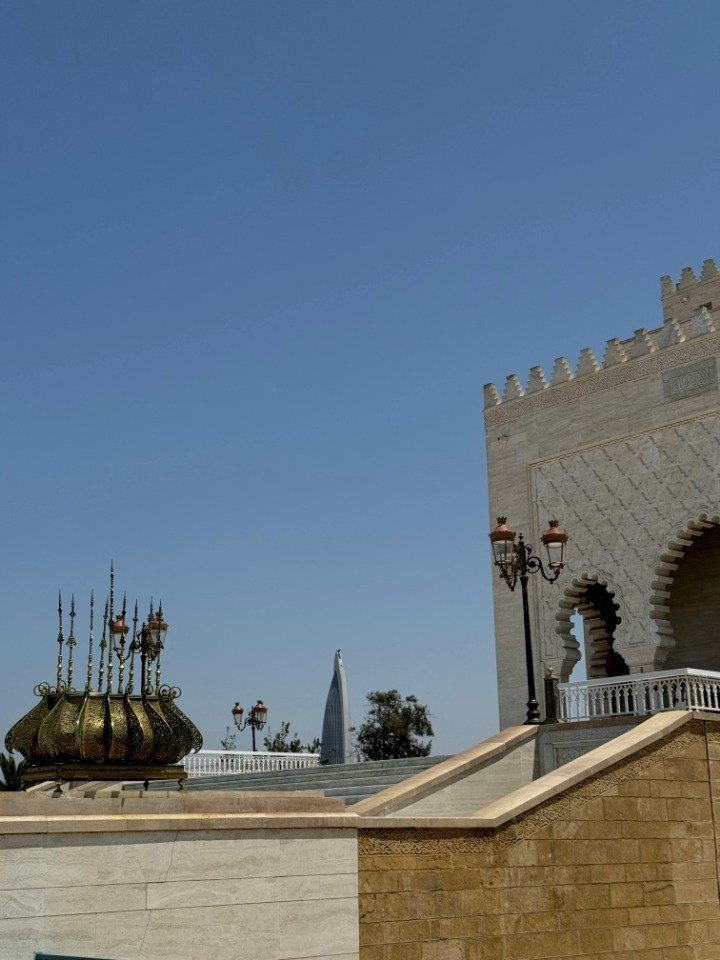
Overall, Morocco’s rich cultural traditions, lively festivals, and diverse culinary heritage collectively contribute to the country’s unique and captivating identity on the world stage.
Tourist Attractions and Natural Landmarks
Morocco, a captivating kingdom in North Africa, is renowned for its rich history, diverse culture, and stunning landscapes. The country offers an array of tourist attractions and natural landmarks that attract travelers from around the world. From ancient cities and bustling markets to breathtaking mountains and desert vistas, Morocco provides an unforgettable experience for every visitor.
Historic Cities and Medina Districts
Morocco Kingdom is renowned for its diverse and captivating attractions, blending natural beauty with rich history. Visitors can explore stunning natural landmarks such as the Atlas Mountains, the Sahara Desert, and the coastal beaches along the Atlantic and Mediterranean. These breathtaking landscapes offer opportunities for outdoor adventures, including hiking, camel trekking, and beach activities.
Historic cities like Marrakech, Fez, Rabat, and Meknes are filled with ancient architecture, bustling markets, and vibrant traditions. Marrakech’s lively medina features the famous Jemaa el-Fnaa square, bustling souks, and stunning palaces, showcasing Morocco’s cultural heritage. Fez is home to one of the world’s oldest universities and a UNESCO World Heritage-listed medina, renowned for its labyrinthine streets and medieval monuments. Rabat, the capital, combines historical sites like Kasbah of the Udayas and modern political institutions, reflecting Morocco’s rich history and contemporary development.
The Medina districts in Moroccan cities are masterpieces of medieval architecture, characterized by narrow alleyways, traditional riads, bustling markets, and historic mosques. These medinas serve as vibrant cultural centers where visitors can experience traditional crafts, cuisine, and daily life. Walking through these districts provides insight into Morocco’s heritage, while exploring their ancient walls and monument-filled streets highlights the country’s historical significance and enduring traditions.
Desert Landscapes and Sahara Expeditions
Morocco, the Kingdom of Morocco, offers a diverse array of tourist attractions and natural landmarks that captivate visitors with their unique beauty. From bustling markets and historic cities to vast desert landscapes, Morocco provides an unforgettable experience for travelers seeking adventure and cultural richness.
One of the most iconic natural landmarks in Morocco is the Sahara Desert, which stretches across the southeastern part of the country. The desert’s vast, golden dunes create a mesmerizing landscape that attracts adventurers from around the world. Exploring the Sahara often involves embarking on desert expeditions that include camel rides, overnight stays in Berber tents, and stunning sunsets over endless sand dunes.
- Majorelle Garden in Marrakech: A lush oasis filled with vibrant plants and artistic features.
- Chefchaouen: Known for its blue-painted streets and mountain scenery.
- Atlas Mountains: Offering breathtaking views, hiking trails, and traditional Berber villages.
- Aït Ben Haddou: A UNESCO World Heritage site featuring a fortified village with historical significance.
- Merzouga: A gateway to the Sahara Desert with opportunities for desert safaris and camel treks.
Desert landscapes in Morocco provide a dramatic contrast to the country’s coastal and mountain regions, making them a must-visit for explorers. Traveling through the Sahara allows visitors to experience the timeless beauty of shifting sand dunes, star-filled skies, and unique desert flora and fauna, embodying the spirit of adventure that Morocco embodies.
Mountain Ranges and National Parks
Morocco is a country rich in diverse landscapes, offering a variety of tourist attractions and natural landmarks that captivate visitors. Its vibrant cities, historic sites, and stunning natural scenery make it a popular destination for travelers seeking adventure and cultural experiences.
The Atlas Mountains are one of Morocco’s most prominent mountain ranges, stretching across the country and providing breathtaking views, hiking opportunities, and ski resorts during winter. These mountains are home to several traditional Berber villages, showcasing the region’s unique culture and architecture.
In addition to the Atlas range, the Rif Mountains in northern Morocco are known for their lush scenery and historical towns, making them a favorite for trekking enthusiasts and history buffs alike. The country also boasts impressive natural landmarks such as the Sahara Desert, where visitors can experience the vast dunes and nocturnal desert landscapes.
Morocco’s national parks, including Toubkal National Park and Souss-Massa National Park, protect diverse ecosystems and endemic species. Toubkal National Park is renowned for Mount Toubkal, the highest peak in North Africa, attracting climbers from around the world. Souss-Massa National Park is a vital habitat for migratory birds and marine life, offering opportunities for birdwatching and nature exploration.
Overall, Morocco’s combination of mountain ranges and protected natural areas provides a rich tapestry of landscapes that appeal to adventure seekers, nature lovers, and cultural explorers alike.
Social and Demographic Aspects
The social and demographic landscape of Morocco reflects a rich blend of diverse cultures, traditions, and communities. Understanding these aspects provides valuable insight into the country’s unique identity, social dynamics, and population structure. As a kingdom with deep historical roots, Morocco’s social fabric is shaped by its various ethnic groups, languages, and societal norms, highlighting the importance of these factors in shaping the nation’s development and cultural identity.
Population and Ethnic Composition
Morocco is characterized by a diverse social and demographic landscape that reflects its rich history and cultural influences. The population of Morocco is approximately 37 million people, with a relatively high population growth rate that contributes to a youthful demographic profile. The social structure is deeply rooted in traditional values, with strong family ties and community networks playing a vital role in everyday life. Urban areas such as Casablanca, Rabat, and Marrakech are increasingly cosmopolitan, while rural regions maintain more conservative lifestyles. Ethnically, Morocco is predominantly Berber and Arab, with Berbers (Amazigh) constituting a significant indigenous group that maintains distinct languages and customs. Arab influence became prominent through historical Arab invasions and continued Islamic cultural integration. Additionally, there are smaller communities of sub-Saharan Africans, Europeans, and other expatriates, adding to the country’s multicultural fabric. Overall, Morocco’s social and demographic dynamics are shaped by a blend of tradition and modernity, contributing to its unique national identity.
Education and Healthcare Systems
The Kingdom of Morocco exhibits a rich tapestry of social and demographic features that shape its national identity. Its population is diverse, encompassing various ethnic groups such as Arabs, Berbers, and others, which influence cultural practices and social structures. Education and healthcare systems play crucial roles in the country’s development, reflecting ongoing efforts to improve living standards and promote equality among its citizens.
Regarding education, Morocco has made significant strides to expand access and enhance quality. The country has established a network of primary, secondary, and higher education institutions, aiming to increase literacy rates and develop a skilled workforce. However, disparities between urban and rural areas remain a challenge, with rural regions often lacking adequate resources and infrastructure.
The healthcare system in Morocco has undergone reforms to improve service delivery and coverage. Government initiatives focus on expanding healthcare infrastructure, training medical personnel, and providing affordable services to underserved populations. Despite these efforts, healthcare access and quality still vary across regions, and there is ongoing work to address these inequalities and improve overall health outcomes for Moroccans.
Urban vs. Rural Living
Morocco exhibits significant social and demographic differences between urban and rural areas, shaped by historical, economic, and cultural factors. Urban centers such as Casablanca, Rabat, and Marrakech are characterized by diverse populations, higher education levels, and greater access to healthcare and modern amenities, fostering a cosmopolitan environment. In contrast, rural areas tend to have more homogenous populations with deep-rooted traditional practices, mainly relying on agriculture and local crafts for livelihoods. Demographically, cities often attract young adults seeking employment and educational opportunities, leading to relatively younger urban populations, while rural communities often have higher birth rates and aging populations, facing challenges related to migration and access to services. These disparities influence social dynamics, lifestyle choices, and development strategies across Morocco, emphasizing the ongoing need for balanced regional growth and social inclusion.

0 Comments