
Popular Moroccan Dishes
Moroccan cuisine is renowned for its rich flavors, aromatic spices, and unique combination of ingredients that reflect the country’s diverse cultural heritage. Popular Moroccan dishes offer a delightful culinary experience, showcasing traditional techniques and bold tastes that attract food enthusiasts from around the world. Visiting a Morocco food restaurant provides a taste of these authentic dishes, allowing diners to explore the vibrant flavors of this North African nation.
Tagine
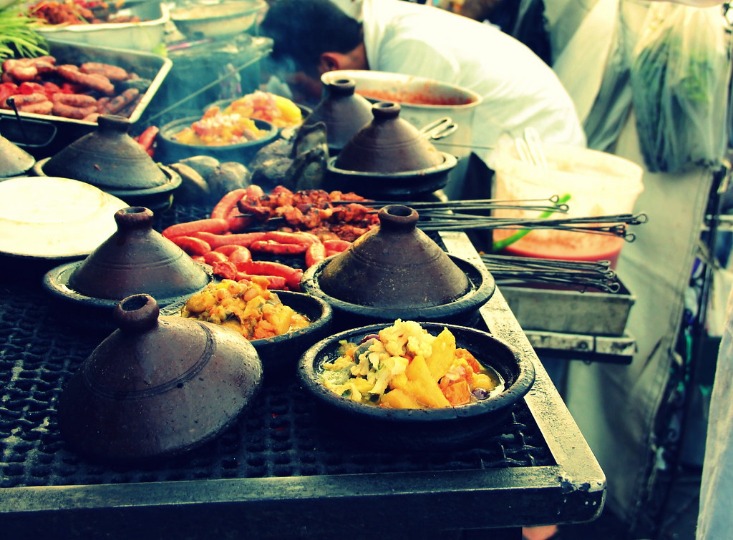
Moroccan cuisine is renowned for its rich flavors and aromatic spices, with Tagine being one of the most popular dishes served in many restaurants across Morocco. A Tagine is a traditional slow-cooked stew named after the earthenware pot in which it is prepared. It typically features tender meat such as chicken, lamb, or beef, combined with vegetables, dried fruits, nuts, and a blend of spices like cumin, saffron, and cinnamon, creating a complex and savory flavor profile. In Moroccan food restaurants, Tagine is often accompanied by couscous or bread, making it a hearty and flavorful meal that embodies the essence of Moroccan culinary tradition. This iconic dish is cherished both locally and by visitors seeking an authentic taste of Morocco’s vibrant food culture.
Couscous
Moroccan cuisine is renowned for its rich flavors, aromatic spices, and diverse culinary traditions. One of the most iconic dishes offered at Moroccan food restaurants is couscous, a staple dish that embodies the country’s vibrant food culture.
- Couscous: This fluffy, steamed semolina grain is often served with a hearty stew of meats such as lamb, chicken, or beef, combined with vegetables and flavored with spices like cinnamon, saffron, and cumin. It’s traditionally presented on a communal platter, symbolizing family and hospitality.
Pastilla
Pastilla is one of the most beloved traditional Moroccan dishes, often served in Moroccan food restaurants. This savory pastry combines delicate layers of flaky, thin dough known as warqa or msemen, filled with a flavorful mixture of seasoned poultry, often pigeon or chicken, along with almonds, eggs, and aromatic spices such as cinnamon and saffron. The dish is typically topped with a dusting of powdered sugar and cinnamon, creating a unique blend of sweet and savory flavors. Pastilla is usually served as a starter or main course during special occasions and is admired for its rich taste and exquisite presentation.
Harira Soup
Harira soup is one of the most beloved traditional dishes in Moroccan cuisine, often enjoyed during Ramadan and special occasions. This hearty and flavorful soup is known for its rich combination of ingredients, making it a staple in Moroccan food restaurants.
- Harira is typically made with tomatoes, lentils, chickpeas, and a variety of herbs and spices such as cinnamon, ginger, and coriander.
- It often includes small pieces of meat, usually lamb or beef, adding to its depth of flavor.
- The soup is thickened with rice or vermicelli noodles, making it a filling meal in itself.
- Fresh lemon juice and parsley are commonly added before serving to enhance the taste.
- Harira is traditionally served with dates and sometimes accompanied by a sweet dish like chebakia or seeds.
Traditional Moroccan Flavors and Ingredients
Traditional Moroccan flavors and ingredients offer a rich tapestry of tastes that reflect the country’s diverse cultural history. Aromatic spices, vibrant herbs, and unique culinary staples come together to create dishes bursting with flavor. From the warm earthiness of preserved lemons to the fragrant blend of ras el hanout, Moroccan cuisine showcases a harmonious balance of sweet, savory, and spicy elements. Exploring these authentic flavors is essential to understanding the true essence of Moroccan food served at local restaurants.
Spices: Saffron, Cumin, Coriander
Traditional Moroccan flavors are renowned for their rich, aromatic qualities that create a memorable culinary experience. Central to these flavors are a variety of spices that define the depth and complexity of Moroccan cuisine. Saffron, known for its vibrant color and subtle, earthy taste, is often used in rice dishes and stews, adding a luxurious aroma. Cumin imparts a warm, nutty flavor and is a staple in spice blends such as Ras El Hanout, enhancing meat and vegetable dishes. Coriander, with its citrusy, slightly sweet note, is frequently combined with other spices to create vibrant marinades and soups. Together, these ingredients form the backbone of Moroccan cooking, offering a unique and authentic taste that is celebrated in Moroccan restaurants worldwide.
Herbs and Vegetables
Traditional Moroccan flavors are characterized by a rich combination of aromatic spices, fresh herbs, and vibrant vegetables that create a unique and savory culinary experience. Common herbs such as cilantro, parsley, and mint are frequently used to enhance the freshness and depth of dishes. Spices like cumin, cinnamon, ginger, turmeric, saffron, and paprika are essential in crafting the signature flavors found in Moroccan cuisine. Vegetables such as eggplant, zucchini, carrots, bell peppers, and tomatoes are integral to many traditional recipes, often prepared in stews, tagines, and salads. These ingredients come together to create dishes that are both flavorful and aromatic, reflecting Morocco’s diverse cultural influences and vibrant food traditions.
Use of Olives and Preserved Lemons
Traditional Moroccan flavors are renowned for their bold and complex profiles, blending a variety of spices, herbs, and distinctive ingredients. Central to Moroccan cuisine are olives and preserved lemons, which contribute depth and brightness to many dishes. Olives, whether green or black, are often added to tagines, salads, and stews, providing a salty and tangy flavor that enhances the overall taste. Preserved lemons, with their unique sourness and aromatic quality, are typically used in tagines and marinades, infusing dishes with a subtle citrusy spice that balances richness. These ingredients symbolize Morocco’s rich culinary heritage, making them essential elements in authentic Moroccan cuisine served at restaurants showcasing traditional flavors.
Dining Experience at Moroccan Restaurants
Experiencing dining at Moroccan restaurants offers a captivating journey into the rich and vibrant flavors of Moroccan cuisine. From aromatic spices to beautifully presented dishes, the atmosphere often reflects the country’s warm hospitality and centuries-old culinary traditions. Whether enjoying a traditional tagine or sampling an array of flavorful mezze, guests are immersed in an authentic cultural celebration through every bite and moment spent in these establishments.
Authentic Decor and Atmosphere
Dining at a Moroccan restaurant offers a rich and immersive experience that transports guests to the vibrant souks and historic streets of Morocco. The authentic decor and atmosphere play a crucial role in enhancing the culinary journey, combining traditional aesthetics with lively, welcoming ambiance.
- Exquisite decor featuring intricate tilework, lanterns, and textiles creates an authentic Moroccan setting.
- Warm lighting and soft music contribute to a cozy and inviting atmosphere, reminiscent of a Moroccan riad.
- Decorative elements such as brass trays, woven rugs, and carved wood details evoke the country’s rich artistic heritage.
- The layout often includes private nooks and communal tables, encouraging sharing and conviviality.
Traditional Music and Entertainment
Dining at a Moroccan restaurant offers a rich and immersive experience that transports guests to the vibrant streets of Morocco. The ambiance is often enhanced by traditional décor, colorful textiles, and intricate patterns that reflect Moroccan artistry. Guests can indulge in a diverse array of flavorful dishes such as tagines, couscous, and pastillas, prepared with aromatic spices and fresh ingredients that capture the essence of Moroccan cuisine.
Complementing the culinary delights, traditional music and entertainment are integral parts of the Moroccan dining experience. Live performances may include soulful Gnawa music, lively Andalusian tunes, or the enchanting sounds of traditional instruments like the oud and darbuka. Often, diners can enjoy captivating belly dance shows or folk performances that showcase Morocco’s rich cultural heritage, making each visit not just a meal, but a memorable cultural celebration.
Serving Styles and Presentation
Dining at a Moroccan restaurant offers a rich and immersive experience, centered around vibrant flavors, aromatic spices, and artistic presentation. The atmosphere often reflects Moroccan culture with warm colors, intricate patterns, and traditional music, enhancing the overall enjoyment of the meal.
Moroccan restaurants typically serve food in a variety of styles that emphasize communal sharing and presentation. Some common serving styles include:
- Family-style platters where multiple dishes are served together on large communal plates, encouraging sharing and social interaction.
- Individual tajines, which are slow-cooked stews served in traditional earthenware pots, often accompanied by bread.
- Mezze platters featuring an assortment of small dishes such as hummus, zaalouk, and olives, presented artfully to stimulate the appetite.
- Signature dishes plated with aesthetic appeal, often garnished with fresh herbs and colorful vegetables to enhance visual appeal.
Presentation in Moroccan dining emphasizes both beauty and hospitality. Dishes are typically garnished with fresh herbs, citrus slices, or edible flowers, and served on beautifully decorated ceramics or brassware. The overall presentation captures the essence of Moroccan artistry and ensures a memorable sensory experience that complements the rich flavors of the cuisine.
Vegetarian and Vegan Options
Exploring Moroccan cuisine offers a delightful array of flavors, and many restaurants now provide a variety of vegetarian and vegan options to cater to diverse dietary preferences. Whether you’re seeking plant-based dishes rich in spices or traditional Moroccan flavors without meat, these options ensure that everyone can enjoy the vibrant culinary heritage of Morocco. Discovering locations that prioritize vegetarian and vegan choices enhances the overall dining experience, making it accessible and enjoyable for all.
Vegetable Tagines
Morocco food restaurants often offer a delightful variety of vegetarian and vegan options, ensuring that all guests can enjoy authentic flavors. One popular choice is vegetable tagines, which are slow-cooked stews featuring a blend of fresh vegetables and aromatic spices. These dishes are not only flavorful but also provid e a nutritious meal that highlights the richness of Moroccan cuisine.
- Vegetable Tagine with Chickpeas and Zucchini
- Sweet Potato and Carrot Tagine with Prunes
- Tomato and Bell Pepper Tagine with Olives
- Eggplant and Potatoes Tagine with Harissa
- Mushroom and Pumpkin Seed Tagine
Grain-Based Dishes
Moroccan cuisine offers a variety of delicious vegetarian and vegan options, especially in grain-based dishes that highlight the rich flavors of the region. Traditional dishes such as Couscous are often prepared with vegetables and sometimes legumes, making them suitable for vegetarians and vegans. These dishes are typically seasoned with a blend of Moroccan spices including cumin, coriander, and saffron, adding a distinctive taste. Lentil and chickpea-based dishes like Lentil Soup or Chana Tagine are also popular, providing hearty and nutritious options that align with plant-based diets. Many Moroccan restaurants proudly feature these grain-based dishes, emphasizing fresh, seasonal ingredients and bold flavors that cater to diverse dietary preferences.
Plant-Based Pastillas
Many Moroccan food restaurants now offer a variety of vegetarian and vegan options to cater to a diverse range of dietary preferences. Plant-based pastillas, a modern twist on traditional Moroccan pastries, are becoming increasingly popular. These vegan pastillas typically feature fillings made from seasoned vegetables, lentils, or chickpeas, wrapped in crisp filo dough. They offer a delicious and authentic taste of Moroccan cuisine without animal products. Whether served as an appetizer or a main dish, plant-based pastillas are a flavorful choice for those seeking vegetarian or vegan options while experiencing the rich culinary heritage of Morocco.
Signature Drinks and Beverages
Signature drinks and beverages play a vital role in enhancing the culinary experience at Moroccan food restaurants. These expertly crafted drinks often reflect the rich cultural heritage and vibrant flavors of Morocco, offering guests a unique taste journey. From traditional mint teas to refreshing fruit cocktails, signature beverages complement the authentic dishes and leave a lasting impression on diners seeking an immersive Moroccan dining experience.
Mint Tea
In a Moroccan food restaurant, signature drinks and beverages play a vital role in enhancing the authentic dining experience. Among the popular choices, mint tea stands out as a cultural staple that embodies hospitality and tradition.
- Mint Tea: A symbol of Moroccan hospitality, this fragrant and refreshing beverage is traditionally prepared with green tea, fresh mint leaves, and sugar. It is often served in small glasses and poured from a height to create a frothy top, welcoming guests and accompanied by conversation and warmth.
- Agua de Rosa: Rosewater-infused drinks that provide a floral aroma and subtle sweetness, often served chilled to cool down on hot days.
- Fresh Fruit Juices: Seasonal fruits like pomegranate, orange, and lemon are pressed into juices, offering natural flavors and hydration.
- Spiced Beverages: Drinks infused with spices such as cinnamon and ginger, often combined with teas or lemonades for a warming effect.
Moroccan Wines and Spirits
Signature drinks and beverages play an essential role in Moroccan culinary traditions, often reflecting the rich history and diverse influences of the region. Traditional Moroccan beverages include mint tea, known for its refreshing taste and cultural significance, and various fruit juices made from locally available seasonal fruits. Moroccan wines and spirits also hold a notable place, with local vineyards producing a variety of wines that showcase the country’s unique terroir. Regions like Meknès and Meknès-Tafilalet are renowned for their wine production, often paired with Moroccan cuisine to enhance flavors. Moroccan spirits such as homemade atay (an anise-flavored liqueur) and flavored alcholol infusions are also enjoyed during celebrations. For anyone exploring Moroccan food at a restaurant, sampling these signature drinks offers a genuine taste of the country’s vibrant culinary heritage, complementing flavorful dishes like tagines and couscous.
Non-Alcoholic Fruit Juices
Signature drinks and beverages are an essential part of Moroccan cuisine, offering a delightful variety of flavors that enhance the dining experience. Non-alcoholic fruit juices are especially popular in Moroccan restaurants, showcasing the country’s rich abundance of fresh fruits and vibrant flavors. These refreshing beverages often include pomegranate, orange, lemon, and pomegranate mixed with mint, providing a tangy and sweet taste that complements traditional Moroccan dishes. Served chilled, these drinks are perfect for cooling down after a spicy meal and are an integral part of Moroccan hospitality. Many Moroccan restaurants pride themselves on preparing vibrant, homemade fruit juices that reflect the local produce and culinary heritage, making them a sought-after choice for guests seeking authentic and flavorful non-alcoholic options.
Understanding Moroccan Food Etiquette
Exploring Moroccan cuisine offers a delightful journey into rich flavors and cultural traditions, especially when dining at a Moroccan restaurant. Understanding the local food etiquette enhances the experience, allowing guests to show respect for customs and connect more authentically with the culinary world of Morocco. From shared meals to specific dining manners, familiarizing oneself with Moroccan food etiquette enriches the overall dining experience and fosters cultural appreciation.
Proper Use of Hands and Utensils
Understanding Moroccan food etiquette is essential when dining at a Moroccan restaurant, as it reflects respect for the culture and enhances the overall experience. In Morocco, meals are often communal, and sharing dishes is common, fostering a sense of togetherness. When eating traditional Moroccan food, it is customary to use hands, especially for dishes such as couscous and tagines, with the right hand preferred for sanitation reasons. The use of bread, like khobz, is also integral; diners typically use it to scoop up food instead of utensils. While utensils like forks and knives are available, they are generally used in more formal settings or by tourists. It is considered polite to avoid sticking your fingers into your mouth or pointing with them. When engaging in communal eating, it is respectful to wait until the host begins the meal or indicates it is appropriate to start. Showing appreciation and gratitude at the end of the meal is also important, often expressed through a simple thank you. Overall, observing these customs demonstrates respect for Moroccan traditions and enhances your dining experience.]
Table Manners
Understanding Moroccan food etiquette is essential when dining at a restaurant to show respect for the local customs and enhance your experience. Moroccan table manners are characterized by warmth, sharing, and a sense of community, which reflect the rich cultural heritage of the country.
- Wash your hands thoroughly before the meal, as eating is traditionally done with the right hand without cutlery.
- Use your right hand for eating and serving, as the left hand is considered unclean in Moroccan culture.
- Share dishes with others, as Moroccan meals often consist of communal platters designed for everyone to enjoy together.
- Do not stick your fingers into food aggressively; instead, gently take portions from shared dishes.
- Express gratitude and appreciation for the food and host, often by saying “Bismillah” before starting and “Alhamdulillah” after finishing the meal.
- Dress modestly and appropriately, especially in traditional restaurants, to show respect for local customs.
- Be patient and polite if the meal service takes longer than expected, as leisurely meals are a valued aspect of Moroccan hospitality.
Sharing Dishes and Communal Eating
Understanding Moroccan food etiquette is essential when dining at a Moroccan restaurant, especially since sharing dishes and communal eating are central to the dining experience. Moroccan cuisine emphasizes hospitality, generosity, and social connection, making the meal a meaningful occasion for everyone involved.
In Moroccan restaurants, it is common to sit around a large shared table where multiple dishes are served family-style. Guests are encouraged to sample a variety of flavors by using pieces of bread or their hands to pick up food, rather than utensils. Respect for the food and the host is demonstrated through polite behavior and appreciation of the dishes presented.
Sharing dishes is a fundamental aspect of Moroccan dining, symbolizing unity and community. Typical meals include a variety of small dishes called “tagines,” salads, and bread, which are collectively enjoyed. It is customary to use bread to scoop up food, and diners often help themselves to multiple servings, reinforcing the communal atmosphere.
Here are some key points to keep in mind about Moroccan food etiquette in a restaurant setting:
- Always wait for the host or the eldest person to start eating before beginning your meal.
- Use the right hand to eat, as the left hand is traditionally considered unclean.
- Share dishes with others at the table, taking small portions to ensure everyone gets to try each dish.
- Express gratitude and compliment the food, as politeness is highly valued.
- Avoid wasting food; the Moroccan tradition encourages appreciation and respect for the effort involved in preparing the meal.
Location and Ambience of Moroccan Restaurants
Moroccan restaurants offer a captivating blend of vibrant locations and enchanting atmospheres that transport diners to the heart of North Africa. These establishments are often nestled in charming neighborhoods or bustling city streets, creating a welcoming and immersive environment. The ambiance is characterized by intricate décor, warm lighting, and aromatic spices that evoke the essence of Moroccan culture, providing guests with an authentic and memorable dining experience.
Upscale vs Casual Settings
Moroccan restaurants often boast diverse locations and atmospheres that enhance the dining experience. Upscale Moroccan venues are typically situated in fashionable districts or historic buildings, featuring luxurious interiors with intricate tilework, lantern lighting, and elegant furnishings that evoke the richness of Moroccan culture. In contrast, casual Moroccan eateries are commonly found in lively markets, street corners, or neighborhood spots, offering a warm, inviting atmosphere with vibrant décor, colorful textiles, and a relaxed ambiance perfect for informal gatherings. The ambiance in both settings aims to reflect the country’s rich heritage, whether through opulent aesthetics or cozy, authentic decor that makes patrons feel immersed in Moroccan traditions.
Decor Elements: Tiles, Lanterns, and Rugs
Moroccan restaurants often transport diners to a vibrant and exotic world through their thoughtfully curated location and ambiance. Typically situated in bustling city centers or charming historic districts, these establishments evoke a sense of tradition and warmth that invites guests to experience Moroccan culture firsthand. The ambiance is enhanced by authentic decor elements like colorful tiles, ornate lanterns, and plush rugs, which collectively create a cozy and immersive atmosphere. The intricate patterns and bold colors of the tiles add a distinctive touch of Moroccan artistry, while hanging lanterns cast a soft, inviting glow that complements the overall setting. Sumptuous rugs not only provide comfort but also serve as decorative pieces that reflect craftsmanship and local heritage. Together, these elements foster an environment that celebrates Moroccan heritage, making every visit a sensory journey through tradition and elegance.
Outdoor Dining Options
Moroccan restaurants are often situated in vibrant, culturally rich neighborhoods that reflect the country’s diverse heritage. Many establishments are located in historically significant areas or charming streets, offering an authentic atmosphere for diners. The ambiance inside these restaurants typically features warm earthy tones, intricate Moroccan tiles, ornate lanterns, and traditional textiles, creating an immersive experience that transports guests to Moroccan souks and riads.
- Outdoor dining options at Moroccan restaurants are particularly popular, especially during pleasant weather. These outdoor spaces often include tastefully decorated patios or rooftops with lush greenery, lantern lighting, and comfortable seating arrangements. Such settings allow patrons to enjoy their meal while soaking in the lively street scenes or serene garden views.
- Many Moroccan eateries incorporate traditional elements into their outdoor areas, like archways, tiled walls, and hanging lanterns, enhancing the authentic feel. Some also feature street-side cafes where patrons can observe the bustling activity of nearby markets, adding an extra layer of charm and cultural immersion.
Recommendations and Reviews
Recommendations and reviews play a crucial role in helping diners discover the best Moroccan food restaurants. They provide valuable insights into the quality of dishes, ambiance, and overall dining experience. Whether you’re a seasoned culinary enthusiast or visiting Morocco for the first time, reading reviews can guide you to authentic and highly-rated establishments that showcase the rich flavors and traditions of Moroccan cuisine.
Top Moroccan Restaurants in Major Cities
Morocco offers a vibrant culinary scene with a rich blend of traditional flavors and contemporary dining experiences. Whether you’re exploring the bustling streets of Marrakech or the coastal charm of Casablanca, discovering top Moroccan restaurants is essential for an authentic taste of local cuisine.
- Le Tobsil (Marrakech) – A renowned restaurant providing a regal ambiance and a multi-course Moroccan feast with flavors from across the country.
- Restaurant Dar Moha (Marrakech) – Known for its innovative take on Moroccan dishes, blending tradition with modern gastronomy.
- Rick’s Cafe (Casablanca) – Inspired by the classic film, this restaurant offers a charming setting and traditional Moroccan and international dishes.
- La Sqala (Casablanca) – A picturesque location with a garden setting, serving authentic Moroccan breakfasts, tagines, and grilled meats.
- Le Jardin (Rabat) – A stylish restaurant nestled within a lush garden, offering a fusion of Moroccan and Mediterranean flavors.
Reviews highlight the warm hospitality, flavorful spices, and diverse menu options at these establishments, making them must-visit spots for food enthusiasts seeking genuine Moroccan cuisine in major cities.
Customer Favorites and Signature Dishes
In a Moroccan food restaurant, recommendations and reviews often highlight the vibrant flavors and authentic culinary experience that guests can enjoy. Customer favorites typically include dishes like tagine, couscous, and pastilla, which are celebrated for their rich aromas and traditional preparations. Signature dishes stand out as culinary masterpieces, often showcasing the chef’s expertise and the unique spices of Morocco, such as saffron, cumin, and cinnamon. These standout offerings serve as a testament to the restaurant’s commitment to preserving Moroccan culinary heritage and creating memorable dining experiences for guests.
Best Times to Visit
When exploring Moroccan food restaurants, reading recommendations and reviews can greatly enhance your dining experience by helping you find the most authentic and highly rated establishments. Travelers often suggest visiting popular spots during off-peak hours, such as late morning or early evening, to enjoy a more relaxed atmosphere and quicker service. The best times to visit Moroccan restaurants are typically during weekdays, avoiding weekends when places tend to be busier. Reviews frequently highlight the importance of trying signature dishes like tagine and couscous, and many recommend making reservations in advance to secure a spot at sought-after venues. Paying attention to feedback about local specialties and ambiance can also guide you toward unforgettable culinary experiences in Morocco.)


0 Comments