
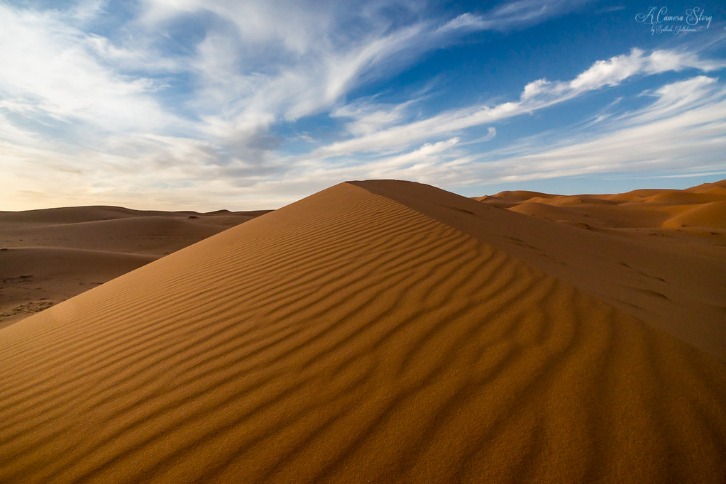
Geography and Climate of the Moroccan Desert
The Moroccan desert, part of the vast Sahara Desert, is characterized by its extreme climate and diverse geographical features. It features expansive sandy dunes, rugged mountains, and arid valleys that create a unique landscape. The climate is predominantly hot and dry, with scorching temperatures during the day and cooler conditions at night. These harsh conditions influence the flora, fauna, and local communities that inhabit this iconic region of Morocco.
Location and Extent of the Sahara Desert in Morocco
The Moroccan desert is a prominent feature of the country’s landscape, characterized by vast arid regions and shifting dunes. It is part of the larger Sahara Desert, which covers much of northern Africa and extends into Morocco’s southeastern territories. The Sahara in Morocco spans approximately from the eastern border near Algeria to the southern regions near Mauritania, covering an area of roughly 220,000 square kilometers within Moroccan borders. This desert region experiences an extreme climate with scorching daytime temperatures that often rise above 40°C (104°F) during summer, while temperatures can drop significantly at night. Rainfall is sparse, often less than 100 millimeters annually, contributing to the harsh, arid conditions. The terrain varies from expansive sand dunes and gravel plains to rocky plateaus, creating a unique and dramatic landscape. Overall, the Moroccan desert’s climate and geography make it a challenging environment but also a captivating destination known for its stunning desert scenery and cultural significance.
Climate Conditions and Weather Patterns
The Moroccan desert, primarily located within the Sahara Desert, features a harsh and arid climate characterized by extreme temperature fluctuations and minimal precipitation. The region’s geography consists of vast sand dunes, rocky plateaus, and sparse vegetation, making it one of the most challenging environments in Morocco. The desert’s expansive sandy areas are shaped by prevailing winds and natural erosional processes, creating iconic formations such as the Erg Chebbi and Erg Chigaga dunes.
Climate conditions in the Moroccan desert are predominantly hot and dry, with temperatures during the daytime soaring above 40°C (104°F) in the summer months. Nights can be significantly cooler, with temperatures dropping considerably, especially in the winter. Rainfall is scarce and irregular, often occurring as brief, intense showers during the winter season, which seldom sustain long-term vegetation. This weather pattern results in an extreme climate that limits permanent water sources and sustains only hardy desert flora and fauna.
Weather patterns in the Moroccan desert are influenced by its geographical position and the influence of larger atmospheric systems. The region experiences high pressure systems over the Sahara that promote clear skies and consistent sunshine, while occasional cold air masses from the north can lead to sudden temperature drops. Wind patterns, such as the Nord African Trade Winds, help shape the landscape by transporting sand and dust across vast areas. Overall, the desert climate is marked by intense heat during the day, cool to cold nights, and sporadic rainfall, creating an environment that is both challenging and awe-inspiring.
Unique Geographical Features
The Moroccan desert, primarily composed of the Sahara Desert, features a vast and diverse landscape characterized by expansive sand dunes, rocky plateaus, and arid plains. It spans across southeastern Morocco, creating a striking contrast with the coastal and mountainous regions of the country. The desert plays a crucial role in shaping both the climate and the unique geographical features of Morocco.
The climate of the Moroccan desert is predominantly hyper-arid, with extreme temperature variations between day and night. Summers can see temperatures soaring above 40°C (104°F), while winter nights often experience temperatures close to freezing. Rainfall is sparse and irregular, contributing to the harsh environment and limited vegetation. This climate supports specialized flora and fauna adapted to survive in extreme conditions.
Unique geographical features of the Moroccan desert include the towering sand dunes of Erg Chebbi and Erg Chigaga, which are among the most famous in the Sahara. These dunes can reach heights of over 150 meters (490 feet) and are constantly shifting due to the wind. The desert also features rocky mountain ranges like the Anti-Atlas and the Jebel Sagho, which rise abruptly from the surrounding plains, creating dramatic landscapes. Additionally, temporary salt lakes and dry riverbeds, known as oueds, are scattered throughout the desert, offering evidence of occasional rainfall and seasonal water flow.
Distinctive Landscapes and Landforms
Morocco’s desert landscape, characterized by vast dunes and striking landforms, offers a unique and mesmerizing scenery. The country’s deserts, particularly the Sahara, feature towering sand dunes, rugged plateaus, and arid valleys that showcase the natural beauty and geological diversity of the region. These distinctive landscapes not only define Morocco’s climate and ecosystem but also attract travelers and adventurers eager to explore their timeless splendor.
Sand Dunes and Erg Areas
Morocco’s desert landscape is renowned for its distinctive landforms, particularly sand dunes and erg areas that create a stunning and ever-changing environment. These vast desert regions are characterized by their immense, rolling dunes that rise dramatically from the flat desert floor, offering a unique natural spectacle. The desert’s landforms are shaped by wind erosion and deposition, resulting in the formation of impressive features such as ergs, which are large expanses of dunes spanning several square kilometers.
In Morocco, the most famous erg area is the Erg Chebbi situated near Merzouga. This expansive sea of golden sands stretches over hundreds of kilometers and is a highlight for travelers seeking the quintessential desert experience. Other notable dunes include the Erg Itzer and the Erg Lihoudi, each with their own stunning landscapes and popularity among visitors.
- Sand dunes in Morocco can reach heights of over 150 meters, creating breathtaking panoramic views.
- The shape and size of dunes are influenced by wind patterns, with different dune types such as crescent-shaped barchans and linear longitudinal dunes present across the desert.
- Erg areas serve as vital ecological zones, supporting specialized flora and fauna adapted to harsh desert conditions.
- The landscape also features rocky plateaus and gravel plains interspersed between dunes, adding to the diversity of Morocco’s desert scenery.
Harmattan Winds and Dune Movement
Morocco’s desert landscapes are renowned for their distinctive landforms and dynamic atmospheric phenomena that shape the environment. The Sahara Desert, covering much of southeastern Morocco, features vast sand dunes, rocky plateaus, and unique geological formations that create a striking and ever-changing scenery.
Harmattan winds are a significant climatic feature affecting Morocco’s desert regions. These dry, dusty winds blow from the Sahara across West Africa and into Morocco during the winter months, bringing about the following effects:
- Reduces humidity and causes a dusty haze that limits visibility.
- Transfers fine particles of Saharan dust, enriching soil fertility in other regions.
- Contributes to cooler daytime temperatures and warmer nights.
- Creates a sense of dryness and can cause health issues like respiratory discomfort for inhabitants.
Dune movement is a characteristic process in Morocco’s desert landscapes, especially within the Erg Chebbi and Erg Chabbi sand seas. The movement of dunes results from wind action, leading to notable changes over time:
- Persistent winds pick up loose sand particles from the dune surfaces.
- Sand grains are transported via saltation—hopping or bouncing along the ground.
- The dunes shift gradually in the direction of prevailing winds, sometimes altering their shape and position significantly.
- This ongoing process contributes to the dynamic nature of Morocco’s desert scenery and influences local ecosystems and human activities.
Oases and Rocky Plateaus
Morocco’s desert region is renowned for its distinctive landscapes and landforms, which create a mesmerizing environment for visitors and researchers alike. The vast expanse of the Sahara Desert within Morocco features towering sand dunes, including the iconic Erg Chebbi and Erg Chigaga, which shift and reshape with the wind, forming a dynamic scenery. Alongside these sandy areas, rugged rocky plateaus such as the Anti-Atlas and High Atlas Mountains stand out, offering dramatic cliffs and rocky outcrops that contrast sharply with the softer dunes.
Oases scattered across the desert serve as vital life hubs, providing water and greenery in an otherwise arid landscape. These lush spots, like the Draa Valley oases, are characterized by palm groves, cultivated fields, and small villages, which thrive thanks to underground water sources. The oases not only support local agriculture but also act as significant cultural and economic centers within Morocco’s desert landscape.
Rocky plateaus in Morocco’s desert areas exhibit striking geological features formed over millions of years. The Anti-Atlas, for instance, consists of layered sedimentary rocks that display a variety of colors and textures, showcasing the area’s geological history. These formations often host unique flora and fauna adapted to the harsh environment and provide a stark, scenic backdrop for adventure tourism and exploration.
Flora and Fauna of the Moroccan Desert
The Moroccan desert is a vast and thriving ecosystem home to a diverse array of flora and fauna uniquely adapted to its harsh environment. Despite the extreme temperatures and arid conditions, life persists in many forms, creating a fascinating and resilient natural landscape. From resilient plants that conserve water to animals that have evolved specialized survival strategies, the desert’s biodiversity is a testament to nature’s ingenuity.
Vegetation Adaptations
The Moroccan desert, part of the vast Sahara region, hosts a unique array of flora and fauna specially adapted to survive harsh conditions such as extreme temperatures, scarce water, and limited nutrients. Vegetation adaptations are crucial for maintaining life in this challenging environment. Many plants have developed specialized features to conserve water, avoid excessive heat, and thrive in arid soils.
Many desert plants, such as acacias and succulents, have deep root systems that reach underground water sources. Succulents store water in thick, fleshy tissues, allowing them to withstand long periods without rain. Additionally, some plants reduce water loss by having small or reduced leaves, or by being covered with a thick cuticle that minimizes evaporation. Leaf modifications, such as spines instead of leaves, are also common to deter herbivores and reduce transpiration.
Vegetation also adapts to the intense sunlight and temperature fluctuations through mechanisms like reflective surfaces or hairy textures that protect against sun damage and assist in temperature regulation. These adaptations enable vegetation to not only survive but also stabilize the desert ecosystem by preventing soil erosion and providing shelter for animal species.
Animal Species and Their Habitats
The Moroccan desert, part of the vast Sahara Desert, hosts a diverse array of flora and fauna uniquely adapted to its harsh environment. The plant life in this region includes drought-resistant species such as acacia trees, thorn bushes, and various succulents like aloe and cactus, which help conserve water and provide shelter for animals. These plants are crucial for preventing soil erosion and supporting the desert ecosystem.
As for animal species, the Moroccan desert is home to several specialized creatures. The fennec fox, with its large ears and lightweight frame, is well-adapted to the extreme heat and scarcity of water. The desert’s reptiles, including the Saharan horned viper and various lizards, thrive in rocky and sandy terrains, utilizing burrows and camouflage to survive. Camels are iconic inhabitants, able to endure long periods without water, making them vital for transportation and livelihood in desert communities.
Many bird species also inhabit the Moroccan desert, such as the desert sparrow and various raptors that hunt for small animals. These birds often nest in rocky outcrops or sparse vegetation, taking advantage of the available food sources and shelter. Overall, the flora and fauna of the Moroccan desert represent a remarkable example of adaptation and resilience in one of the world’s most challenging environments.
Endangered and Unique Species
The Moroccan desert is home to a diverse range of flora and fauna uniquely adapted to the harsh, arid environment. Despite the extreme conditions, many species have evolved specialized features that enable survival in this desert ecosystem. The flora includes hardy plants such as certain species of acacia, scattered shrubbery, and drought-resistant grasses that provide essential shelter and food for desert animals.
Among the fauna, the desert hosts creatures like the fennec fox, known for its large ears and adaptability to extreme heat, and the Dorcas gazelle, which can endure long periods without water. Reptiles such as the desert monitor and various lizards also thrive, utilizing burrows to escape the intense daytime temperatures. Many bird species, including the desert lark and the thick-billed lark, are specially adapted to the sparse environment.
Several rare and endangered species inhabit the Moroccan desert, making conservation efforts crucial. The rare Addax antelope is critically endangered and primarily found in desert regions, while the striped hyena also faces threats from habitat loss. Unique plant species like the Sahara desert rose have significant ecological roles and are considered vulnerable. Protecting these species is vital to maintaining the biodiversity and ecological balance of the Moroccan desert environment.
Cultural and Historical Significance
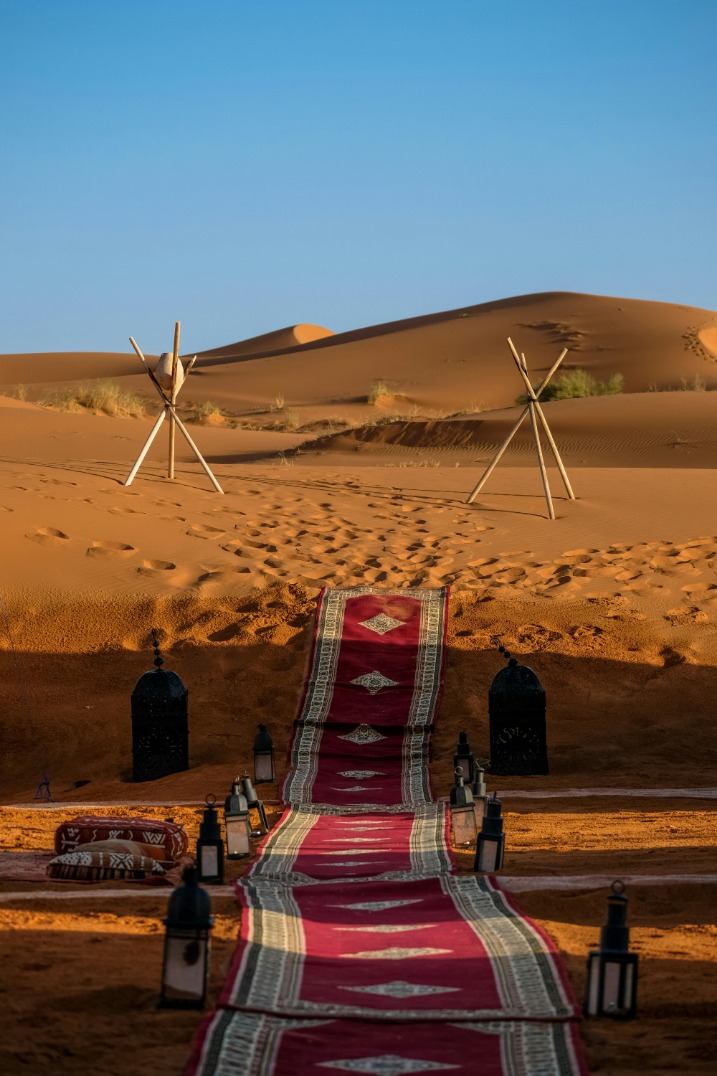
The Morocco Desert holds a profound cultural and historical significance, reflecting centuries of nomadic traditions, ancient trade routes, and vibrant local customs. This vast and mysterious landscape has been a source of inspiration and resilience for the many communities that have called it home. Exploring the Morocco Desert offers a glimpse into a rich tapestry of history, artistry, and heritage that continues to shape the identity of the region today.
Indigenous Berber Tribes
The Moroccan desert is rich in cultural and historical significance, deeply intertwined with the indigenous Berber tribes that have inhabited the region for centuries. These tribes have preserved their unique customs, language, and traditions, which reflect a profound connection to the desert environment and their ancestral roots. The Berbers, also known as Amazigh, have played a vital role in shaping Morocco’s identity and continue to influence its cultural landscape today.
- Language and Tradition: The Berber tribes speak Tamazight, a language that is a cornerstone of their cultural identity, and they pass down oral histories, music, and crafts that celebrate their indigenous heritage.
- Historical Roles: Historically, Berber tribes acted as guardians of the desert, engaging in trade, migration, and resistance against foreign invasions, leaving behind archaeological sites and rock carvings that narrate their rich history.
- Cultural Practices: Their traditional clothing, architecture, and rituals are adapted to the harsh desert climate, reflecting resilience and a deep understanding of their environment.
- Revival and Preservation: Contemporary efforts aim to preserve Berber languages and traditions, recognizing their importance to Morocco’s cultural mosaic and promoting pride among indigenous communities.
Historical Routes and Caravan Trafficking
The Moroccan desert holds immense cultural and historical significance, serving as a crossroads of ancient trade routes and a hub for diverse peoples and traditions. Historically, it has been an essential part of regional commerce, facilitating the exchange of goods, ideas, and cultures across North Africa and beyond. These routes, particularly the famous Caravan Routes, connected the Sahara with Mediterranean and Sub-Saharan Africa, enabling the movement of valuable commodities such as gold, salt, textiles, and spices.
Caravan trafficking played a vital role in shaping the social and economic landscape of Morocco’s desert regions. Traders and nomadic tribes relied on these routes for their livelihood, establishing bustling caravanserais and trading centers along the way. The legacy of these routes is still evident today in the form of historical landmarks, ancient trails, and rich oral traditions passed down through generations. The Moroccan desert, therefore, stands as a symbol of historical connectivity and cultural resilience, reflecting its importance in regional and global history.
Traditional Desert Livelihoods
The Moroccan desert holds a profound cultural and historical significance as a vital part of the nation’s heritage. It has shaped the identity of the Berber and Arab populations who have inhabited these arid lands for centuries, developing unique traditions and customs centered around the desert environment. The desert has served as a crossroads for trade, notably along the ancient trans-Saharan routes, fostering cultural exchanges and the development of distinctive art, music, and craftsmanship.
Traditional desert livelihoods in Morocco are deeply intertwined with the harsh yet resilient landscape. Many communities rely on camel herding, which has been a cornerstone of desert life for generations, providing meat, milk, and transportation. Date palm cultivation and oasis farming also play a crucial role in sustaining local populations, offering vital resources like water, food, and materials for constructing homes. Additionally, desert towns and nomadic groups have historically engaged in trade and craftsmanship, creating intricate textiles, jewelry, and pottery that reflect their rich cultural heritage and resilience in the face of environmental challenges.
Tourism and Activities in the Moroccan Desert
The Moroccan desert offers a captivating blend of natural beauty and cultural richness, making it a unique destination for travelers seeking adventure and exploration. Visitors can experience a range of activities such as camel trekking across rolling dunes, camping under a star-studded sky, and exploring ancient Berber villages. The vast and enchanting landscape of the Moroccan desert provides unforgettable experiences that showcase the country’s diverse heritage and stunning scenery.
Popular Desert Tours and Excursions
The Moroccan desert offers a truly captivating experience for travelers seeking adventure and cultural immersion. Known for its vast dunes, stunning scenery, and unique traditions, the desert is a must-visit destination in Morocco. Visitors can enjoy a variety of activities that showcase the beauty and mystique of the Sahara region.
Popular desert tours often include camel trekking across the golden sands, providing an authentic and memorable way to explore the dunes. Overnight stays in traditional Berber tents allow travelers to experience the local culture and enjoy breathtaking desert sunsets. Many excursions also feature guided desert walks, sandboarding, and quad biking for those seeking more adrenaline-fueled adventures.
Destinations like the Erg Chebbi and Erg Chigaga dunes offer spectacular landscapes for photography and sightseeing. Tour operators frequently organize multi-day trips combining desert experiences with visits to nearby kasbahs, oases, and historic towns like Merzouga and Zagora. These excursions provide a comprehensive insight into the rich history and natural beauty of the Moroccan desert wilderness.
Camel Trekking and Sandboarding
The Moroccan desert offers a mesmerizing experience for travelers seeking adventure and cultural immersion. Visitors can explore vast, golden landscapes that stretch endlessly, revealing the natural beauty and tranquility of the Sahara. The desert is a perfect destination for a variety of activities that create unforgettable memories.
Camel trekking is one of the most iconic activities in the Moroccan desert, allowing travelers to navigate the dunes in a traditional way that connects them to the desert’s rich history. Guided by local Berber camel herders, explorers can enjoy a slow, peaceful ride across rolling sand dunes, often ending their journey at a desert camp under a blanket of stars.
Sandboarding is another exciting activity popular among adventure seekers. It involves sliding down steep sand dunes on specially designed boards, offering an experience similar to snowboarding but in a desert setting. Whether beginners or experienced thrill-seekers, visitors can enjoy the adrenaline rush as they traverse the shifting sands of the Moroccan desert.
Overall, the Moroccan desert provides a diverse range of activities that blend adventure, culture, and natural beauty, making it a must-visit destination for those looking to explore one of the world’s most captivating landscapes.
Desert Festivals and Cultural Events
The Moroccan desert offers a unique and mesmerizing experience for travelers, blending expansive landscapes with vibrant cultural traditions. Visitors can explore vast sand dunes, ancient kasbahs, and lively local markets, immersing themselves in the desert’s captivating atmosphere. Engaging in activities such as camel treks, 4×4 desert tours, and overnight stays in Berber tents provides an authentic adventure amidst the stunning scenery.
Desert festivals and cultural events are integral to the Moroccan desert experience, showcasing the rich heritage of the region. The annual Festival of the Sahara in Erfoud highlights traditional music, dance, and nomadic customs, attracting artists and visitors from around the world. The Moussem of Tan-Tan, a UNESCO-recognized event, celebrates tribal music, dance, and craftwork, serving as a vibrant gathering of desert communities. These festivals offer a glimpse into the nomadic lifestyle, fostering cultural exchange and preserving centuries-old traditions.
Environmental Challenges and Conservation Efforts
The Moroccan desert environment faces numerous environmental challenges that threaten its delicate ecosystems and the livelihood of local communities. Drought, desertification, and illegal resource exploitation are among the primary concerns that exacerbate the fragile balance of this unique landscape. In response, various conservation efforts are being implemented to protect and sustain Morocco’s desert regions, promoting sustainable practices and raising awareness about the importance of preserving these vital ecosystems for future generations.
Impact of Climate Change
The Moroccan desert faces significant environmental challenges, primarily driven by climate change. Rising temperatures, decreasing rainfall, and prolonged droughts have severely impacted the delicate desert ecosystem, leading to water scarcity, loss of vegetation, and threats to local wildlife. These changes not only threaten biodiversity but also affect the livelihoods of communities dependent on the desert for sustenance and tourism.
To combat these issues, various conservation efforts have been implemented in Morocco’s desert regions. These initiatives aim to restore natural habitats, promote sustainable water management, and encourage environmentally friendly tourism practices. Local communities and organizations are actively involved in protecting the desert environment through education, reforestation projects, and the development of renewable energy sources such as solar power.
- Implementing water conservation techniques to maximize limited water resources.
- Promoting afforestation and reforestation to stabilize sand dunes and prevent erosion.
- Encouraging sustainable tourism that minimizes environmental impact.
- Enhancing community engagement and education about environmental preservation.
- Developing renewable energy projects to reduce reliance on fossil fuels and lower carbon emissions.
Desertification and Human Activities
The Moroccan desert faces significant environmental challenges, primarily due to desertification driven by both natural factors and human activities. Desertification refers to the process by which fertile land becomes increasingly arid and degraded, often resulting in the loss of vegetation and soil fertility. In Morocco, this phenomenon threatens traditional livelihoods, reduces agricultural productivity, and diminishes biodiversity in desert and semi-desert regions.
Human activities such as overgrazing, deforestation, improper irrigation techniques, and urbanization exacerbate the spread of desertification in Morocco. Unsustainable farming practices deplete soil nutrients, while the realignment of water resources often leads to the rising salinity of soils, further discouraging plant growth. Moreover, the expansion of infrastructure and tourism projects can disturb natural land cover and increase vulnerability to erosion.
In response to these challenges, Morocco has implemented several conservation efforts aimed at combating desertification and promoting sustainable use of natural resources. Reforestation projects, such as planting native trees and establishing ecological corridors, help stabilize soil and restore ecosystems. The country has also adopted renewable energy initiatives, like solar power, to reduce reliance on fossil fuels and lessen environmental stress. Additionally, community-based programs and awareness campaigns encourage local populations to adopt sustainable practices and participate in land recovery efforts.
Overall, while Morocco’s desert regions face ongoing environmental threats, coordinated conservation strategies and responsible human activities are essential to preserving the fragile desert ecosystem and ensuring sustainable development for future generations.
Conservation Initiatives and Protected Areas
The Moroccan desert landscapes face numerous environmental challenges, including desertification, soil erosion, and water scarcity, which threaten the delicate ecosystem and local communities. As these deserts are vital to Morocco’s natural heritage, conservation efforts are increasingly important to preserve their unique biodiversity and cultural significance. Various conservation initiatives have been implemented to combat these issues, focusing on sustainable land management, reforestation, and water conservation projects. Additionally, Morocco has established several protected areas and national parks within its desert regions, such as the Draa Valley and the Sahara National Park, aimed at safeguarding native flora and fauna while promoting eco-tourism. These efforts reflect a commitment to balancing environmental preservation with economic development, ensuring the resilience of Morocco’s desert ecosystems for future generations.



0 Comments