
History of the Moroccan Flag
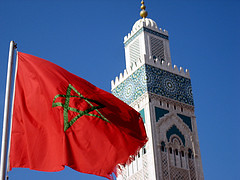
The history of the Moroccan flag is a reflection of the country’s rich cultural heritage and its journey through history. Symbolizing the nation’s identity, the flag features a distinctive red background with a green pentagram or Seal of Solomon at its center. This design has evolved over centuries, embodying Morocco’s royal traditions, Islamic heritage, and independence movement. The flag as we see it today was officially adopted in 1915, solidifying its status as a symbol of national pride and unity.
Origins and Symbolism
The Moroccan flag features a distinctive red background with a green pentagram, known as the Seal of Solomon, in the center. The design of the flag has deep historical roots that reflect the country’s rich cultural heritage and national identity. The red color has traditionally symbolized strength, valor, and the bravery of the Moroccan people, while also representing the Arab-Islamic heritage of the nation. The green pentagram embodies the connection to Islam, which is the religion of the majority of Moroccans, and signifies wisdom and the unity of the nation. The origin of the flag dates back to the early 20th century when Morocco was establishing symbols of independence and sovereignty amidst colonial influences. Over time, the design evolved to become a symbol of unity and national pride, with the red background dating back to the Alaouite dynasty, which has ruled Morocco since the 17th century. The green pentagram was officially adopted as part of the national flag in 1915, emphasizing Islamic identity and the importance of faith in the country’s cultural fabric. Today, the Moroccan flag remains a powerful emblem of the nation’s history, identity, and aspirations for sovereignty and unity.
Evolution Over Time
The history of the Moroccan flag reflects the rich cultural and historical heritage of the country, evolving significantly over time to represent its identity. The flag’s most recognizable feature is the green pentagram, or five-pointed star, set against a red background. Initially, during the early Islamic empires and dynasties such as the Idrisids, the flags largely varied, often utilizing plain red or green fabrics symbolizing Islam and the monarchy. In the 20th century, as Morocco sought independence from French and Spanish control, national symbols became more prominent. The current design was officially adopted in 1915 during the French protectorate period, inspired by historical flags used by the Berbers and the Alaouite dynasty, rulers of Morocco. The red color symbolizes strength, bravery, and the connection to the Alaouite dynasty, while the green pentagram represents the Seal of Solomon, symbolizing wisdom and life. Over time, the Moroccan flag has become a unifying symbol of national pride, reflecting both its Islamic heritage and its sovereignty, with its distinctive design remaining unchanged since 1915, embodying the country’s history and cultural identity.
Official Adoption Date
The flag of Morocco features a distinctive red field with a green five-pointed star, known as the Seal of Solomon, in the center. The red color represents strength, bravery, and valor, while the green star symbolizes wisdom, peace, and the link between God and the nation. The design has deep historical and cultural significance rooted in Islamic traditions and Moroccan identity.
The official adoption of the Moroccan flag took place on November 17, 1915, during the reign of Sultan Moulay Youssef. This flag has remained largely unchanged, symbolizing the country’s sovereignty, heritage, and unity throughout modern history. Its enduring design reflects Morocco’s continuity and rich cultural heritage.
Design and Meaning
The design and meaning of symbols in language often reflect deeper cultural and historical significance. When examining elements such as national flags, like the flag of Morocco, it becomes clear how visual design can communicate identity, values, and heritage. The Moroccan flag, with its distinctive colors and symbols, encapsulates the nation’s history and cultural identity through carefully chosen design elements that carry meaningful narratives.
Color Significance
The design and meaning of the Moroccan flag are rich with symbolism that reflects the country’s history and cultural identity. The flag features a simple yet meaningful design that communicates core values and historical significance through its colors and symbols.
- The flag has a red background, which traditionally symbolizes strength, bravery, valor, and the connection to the Arab Islamic heritage of Morocco. Red is also associated with the royal family and leadership.
- Centered on the red field is a green five-pointed star, known as the Seal of Solomon. The green star represents Islam, a dominant religion in Morocco, and symbolizes peace, wisdom, and life.
- The contrast of red and green colors emphasizes the unity between the traditional Arab-Islamic elements and the political sovereignty of Morocco.
- The triangular shape of the star further signifies stability and balance in the nation’s identity and governance.
The overall color scheme and symbol placement in the Moroccan flag create a powerful visual representation of the country’s history, religion, and national pride, making it a distinctive and meaningful emblem.
Shape and Elements
The design of the Moroccan flag holds deep symbolic meaning through its shape and elements. The flag features a rectangular shape with a distinct green pentagram, known as the Seal of Solomon, centered on a red background. The rectangle’s proportions are standardized to convey stability and strength. The red field symbolizes the bravery and strength of the Moroccan people, while the green pentagram represents wisdom, peace, and the connection to Islam. The five points of the star reflect the Five Pillars of Islam, emphasizing the nation’s spiritual and cultural identity. Together, the shape and elements create a powerful visual statement that reflects Morocco’s historical roots, religious significance, and national pride.
Meaning Behind the Star
The Moroccan flag features a prominent red background with a green five-pointed star in the center, known as the Seal of Solomon. This design is rich in symbolism, reflecting the country’s history, culture, and values.
The red color on the Moroccan flag signifies strength, bravery, and valor, representing the resilience of the Moroccan people. It also has historical significance, recalling the Alaouite dynasty, which has ruled Morocco for centuries. The green star in the middle is a symbol of Islam, which is the predominant religion in Morocco, and stands for wisdom, peace, and hope. The five points of the star represent the pillars of Islam, emphasizing the importance of faith in the nation’s identity.
- The red background connects to the country’s historical roots and tradition of bravery.
- The green star symbolizes faith, wisdom, and the guiding principles of Islam.
- The five points of the star represent the Five Pillars of Islam, which underpin the spiritual and social life of Moroccans.
- The overall design embodies the unity and faith of the Moroccan people, serving as a national emblem that inspires pride and continuity.
Colors of the Moroccan Flag
The flag of Morocco is a powerful symbol of the nation’s identity, culture, and history. Its distinctive colors and design elements reflect the country’s rich heritage and are celebrated both within Morocco and around the world. Understanding the colors of the Moroccan flag provides insight into its symbolic significance and the values it represents.”
Red Background
The flag of Morocco features a vivid red background that symbolizes strength, bravery, and valor. Red has historical significance in Moroccan culture, representing the royal family and the nation’s rich history. In the center of the flag, there is a green five-pointed star, known as the Seal of Solomon, which stands out against the red backdrop and signifies wisdom, peace, and the connection between the spiritual and political powers of Morocco.
Green Pentagram
The flag of Morocco features a striking design with a red background and a green pentagram at its center. The red color symbolizes strength, bravery, and valor, reflecting the rich history of the nation. The green pentagram, also known as the Seal of Solomon, represents wisdom, peace, and the connection to Islam, which is the predominant religion in Morocco. Together, these colors and symbols embody the country’s cultural heritage and national identity.
Flag Specifications
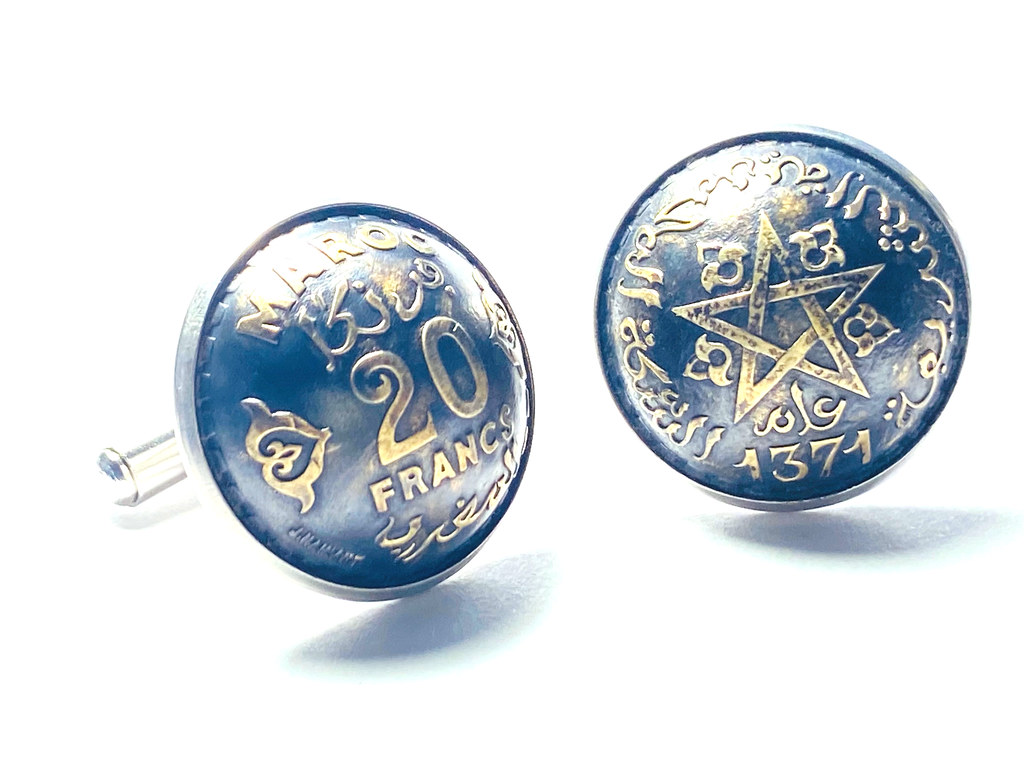
The flag of Morocco is a powerful symbol of the country’s rich history and cultural identity. Its striking design features a deep red background with a central green pentagram, known as the Seal of Solomon, which represents wisdom, peace, and the connection between the divine and the earthly. Understanding the flag’s specifications helps appreciate its significance and the symbolism embedded within its simple yet meaningful design.
Proportions and Dimensions
The flag of Morocco is a highly symbolic and distinctive emblem that reflects the nation’s identity and heritage. Its proportions, dimensions, and specifications are carefully standardized to maintain consistency and respect for the flag’s symbolism.
The flag features a red field with a green five-pointed star, known as the Seal of Solomon, centered on it. The proportions of the flag are officially set at 2:3, meaning the height is two units and the length is three units. The green star is inscribed within a circle that fits proportionally within the flag, with each point of the star touching the circle’s perimeter to ensure symmetry and visual balance.
Key specifications include:
- Flag Ratio: 2:3
- Background Color: Red (Pantone 186 C or equivalent)
- Star: Green (Pantone 348 C or equivalent), five-pointed, centered on the flag
- Star Size: The diameter of the circle inscribed around the star is approximately 7/10ths of the flag’s height
- Position: The star is positioned in the center of the flag, with its size proportionally designed for visibility and balance at various scales
Flag Manufacturing Standards
The Moroccan flag features a distinct red background with a green five-pointed star, known as the Seal of Solomon, centered on it. The red color symbolizes strength, bravery, valor, and the heritage of the nation, while the green star represents Islam, peace, and the connection to the Arab world. The flag’s proportions are traditionally 2:3, ensuring a balanced and recognizable design.
Flag manufacturing standards specify that Moroccan flags should be produced using durable, weather-resistant materials suitable for both indoor and outdoor display. The fabric is often polyester or nylon, chosen for its resistance to fading and tearing. The green pentagram is typically embroidered or printed with precision to ensure clear, crisp lines, adhering to official specifications for size and placement.
Standards for flag production also include guidelines on color shades, which should accurately match the official Pantone color codes to maintain consistency across all representations. The manufacturing process must ensure colorfastness, durability, and uniformity, and flags are usually inspected for quality before distribution, respecting national and international flag display protocols.
Cultural and National Significance
The flag of Morocco holds profound cultural and national significance, symbolizing the history, identity, and heritage of the Moroccan people. Its design and colors reflect ancient traditions and the nation’s enduring sovereignty. As a powerful emblem displayed proudly across the country and around the world, the flag serves as a unifying symbol that fosters a sense of pride and belonging among Moroccans.
Use in Public Celebrations
The flag of Morocco holds deep cultural and national significance, symbolizing the country’s rich history, identity, and sovereignty. Its design reflects important elements of Moroccan heritage, embodying the unity and pride of its people. The flag is often prominently displayed during public celebrations and national events, serving as a powerful symbol of patriotism and cultural pride.
- The red background represents strength, bravery, and valor, historically associated with the Moroccan monarchy and the Islamic faith.
- The green pentagram, known as the Seal of Solomon, symbolizes wisdom, peace, and the connection to Islamic tradition, which is a central aspect of Moroccan culture.
- Public celebrations such as Independence Day, national holidays, and religious festivals feature the display of the flag to evoke patriotism and unity among citizens.
- During official ceremonies and international events, the flag is flown alongside other symbols to showcase Morocco’s sovereignty and cultural heritage.
Representation of Sovereignty
The flag of Morocco holds profound cultural and national significance as a powerful symbol of identity, sovereignty, and history for the Moroccan people. Its design reflects the country’s rich cultural heritage and Islamic faith, serving as a visual representation of national unity and independence.
- The red background of the Moroccan flag symbolizes strength, bravery, and valor, reflecting the historical importance of the color in Moroccan heraldry.
- The green five-pointed star, known as the Seal of Solomon, represents unity, wisdom, and peace, aligning with Islamic traditions and the nation’s spiritual values.
- As a national emblem, the flag embodies Morocco’s sovereignty, sovereignty being a core element expressed through the flag’s distinct symbols and colors.
- The flag’s presence in official ceremonies and international events underscores the country’s independence and self-determination on the global stage.
- Historically, the flag has evolved to embody Morocco’s journey towards modernization while maintaining its cultural essence and national pride.
Incorporation into National Identity
The flag of Morocco holds profound cultural and national significance, serving as a powerful symbol of the country’s history, identity, and values. Its distinctive red background with a green five-pointed star in the center represents the nation’s Islamic heritage, royal authority, and the unity of the Moroccan people. The flag’s design is deeply rooted in the country’s history, reflecting centuries of tradition and the enduring strength of Moroccan culture. Incorporation of the flag into daily life and national events reinforces a sense of pride and collective identity among Moroccans, fostering unity and a shared sense of belonging across diverse communities. As an emblem of sovereignty and national pride, the Moroccan flag is prominently displayed during national celebrations, official ceremonies, and international representations, emphasizing its vital role in shaping and expressing the country’s collective identity.




0 Comments