
History and Cultural Significance of Kenyan Chapati
Kenyan chapati is a beloved staple in the country’s diverse culinary landscape, blending African, Indian, and Arab influences. Its history dates back to the Indian immigrants who brought the recipe to the coast of Kenya, where it quickly integrated into local food traditions. Over time, chapati has grown to symbolize unity and community, often enjoyed during special occasions and everyday meals. Its cultural significance extends beyond nutrition, representing a rich heritage that reflects Kenya’s vibrant and multicultural identity.
Origins of Chapati in East African Cuisine
Kenyan chapati is a beloved staple in Kenyan cuisine, renowned for its flaky texture and savory flavor. It holds a special place in cultural and social gatherings, often served during celebrations, family meals, and communal events. Its cultural significance extends beyond just being a delicious food item; it symbolizes unity and shared tradition among diverse ethnic groups in Kenya. The preparation and presentation of chapati often reflect regional identities and social bonds, making it more than just a meal—it is a cultural expression.
The origins of chapati in East African cuisine trace back to Indian influence brought by Indian traders and settlers who arrived along the coast of East Africa centuries ago. It is believed that the technique of making flatbreads like chapati was introduced by Indian immigrants and adapted into local culinary practices over generations. The East African version of chapati has evolved uniquely, incorporating local ingredients and flavors that distinguish it from its Indian counterparts. This fusion of Indian culinary traditions with local ingredients has made chapati an integral part of East African food culture, especially in Kenya where it is enjoyed across different communities as a versatile and cherished dish.
Role in Kenyan Cultural and Social Events
Kenyan chapati holds a special place in the country’s culinary history, reflecting a blend of indigenous and Swahili influences. Originating from the coastal regions, especially among the Swahili community, chapati was introduced through maritime trade with Arab merchants, becoming a staple during communal gatherings and festivities. Over time, it evolved into a versatile bread enjoyed across different regions of Kenya, symbolizing unity and cultural heritage.
In Kenyan cultural and social events, chapati is more than just food; it is a symbol of celebration, hospitality, and togetherness. During special occasions such as weddings, religious festivals, and family gatherings, serving freshly prepared chapatis signifies warmth and unity. Its role in these events emphasizes its deep cultural significance, acting as a medium for social bonding and preserving traditions. The preparation and sharing of chapati foster community spirit, making it an integral part of Kenya’s rich cultural fabric.
Evolution of Recipe and Preparation Methods
Kenyan chapati holds a cherished place in the country’s culinary history, reflecting a blend of indigenous traditions and influences from its coastal communities and Indian immigrants. Originally brought to Kenya by Indian traders, chapati has since evolved into a staple food enjoyed across various ethnic groups, symbolizing unity and cultural exchange. Its cultural significance is evident during celebrations, family gatherings, and festive occasions, where it serves as a symbol of hospitality and community bonding. Over the years, it has become more than just a bread; it embodies Kenya’s rich history of cultural fusion and adaptation.
The recipe and preparation methods of Kenyan chapati have undergone notable transformations over time. Traditionally, it was made using simple ingredients such as wheat flour, water, salt, and a bit of oil, with a focus on manual kneading and rolling techniques. Early preparation involved flattening the dough into thin circles and cooking them on a hot griddle or skillet. In modern times, some cooks incorporate butter or ghee for added flavor, and the dough may be rested to improve texture. The rolling process has generally remained traditional, but there are now rapid preparation methods using mechanized rollers in commercial settings. Despite innovations, the essence of Kenyan chapati—its soft, flaky, and slightly crispy texture—remains consistent, preserving its cultural roots while embracing contemporary culinary practices.
Ingredients Used in Kenyan Chapati
Kenyan chapati is a popular and delicious dish enjoyed across the country, known for its soft and flaky texture. The key ingredients used in making Kenyan chapati are simple yet essential, incorporating staples such as flour, water, salt, and oil. These ingredients come together to create a versatile flatbread that is often served with various savory accompaniments, making it a beloved part of Kenyan cuisine.
Basic Ingredients: Flour, Water, Salt, and Oil
Kenyan chapati is a delicious and popular flatbread enjoyed across Kenya. Its basic ingredients include flour, water, salt, and oil, which come together to create a soft, flavorful bread. The flour used is typically wheat flour, which gives the chapati its characteristic texture. Water is added to form a smooth dough, while salt enhances the flavor. Oil is incorporated to make the chapati tender and to add a slight richness. Sometimes, additional ingredients like sugar or milk are used to improve the taste and softness, but the core components remain flour, water, salt, and oil, making it simple yet delicious.
Variations and Additional Ingredients
Kenyan chapati is a popular and delicious flatbread enjoyed across the country, known for its soft texture and flavorful taste. The primary ingredients used in making authentic Kenyan chapati include wheat flour, water, salt, and oil or butter. Some recipes also incorporate a bit of sugar to enhance flavor and aid in gluten development. The dough is kneaded thoroughly to achieve elasticity, then rolled out into thin circles before frying on a hot pan until golden brown.
Variations of Kenyan chapati can include different types of flours such as whole wheat or semolina, which alter the texture and flavor. Some people add spices like cardamom or cinnamon to the dough for a aromatic twist. Additionally, some recipes incorporate grated vegetables like carrots or potatoes into the dough, or layer the chapatis with ingredients like eggs, onions, or meat to create stuffed versions.
Additional ingredients that can be used to customize Kenyan chapati include milk instead of water for a richer taste, coconut milk for a tropical flavor, or herbs such as cilantro and parsley for added freshness. Some cooks even brush the cooked chapati with a mixture of butter and honey or sprinkle sesame seeds or poppy seeds on top before frying to add texture and flavor. The versatility of Kenyan chapati allows for various creative adaptations suited to personal tastes and preferences.
Regional Differences in Ingredient Choices
Kenyan chapati is a beloved staple in Kenyan cuisine, characterized by its soft, flaky texture and delicious flavor. The primary ingredients used in making Kenyan chapati include flour, often wheat or sometimes millet or sorghum, water, salt, and oil or fat. Some recipes also incorporate a small amount of sugar to enhance flavor and aid in browning during cooking.
Regional differences in ingredient choices for Kenyan chapati are influenced by local agricultural practices and availability of ingredients. For instance, in coastal regions like Mombasa and Lamu, rice flour and coconut milk may be added to create variations that reflect the region’s rich maritime culture. In inland areas, wheat flour remains the predominant ingredient due to its accessibility and affordability. Additionally, some regions prefer a slightly sweeter chapati, incorporating sugar, while others opt for a more savory taste with minimal salt and oil. These regional variations highlight the diverse culinary traditions across Kenya, making each chapati unique to its local context.
Preparation and Cooking Techniques
Preparation and cooking techniques are essential aspects of creating authentic Kenyan chapati, a beloved flatbread that symbolizes comfort and tradition. Mastering the right methods ensures the perfect texture, flavor, and pliability that make chapati a staple in Kenyan cuisine. From kneading the dough to the perfect frying process, understanding these techniques helps in achieving the ideal homemade chapati. Whether you’re a beginner or an experienced cook, these tips will elevate your baking skills and bring a taste of Kenya to your kitchen.
Making the Dough
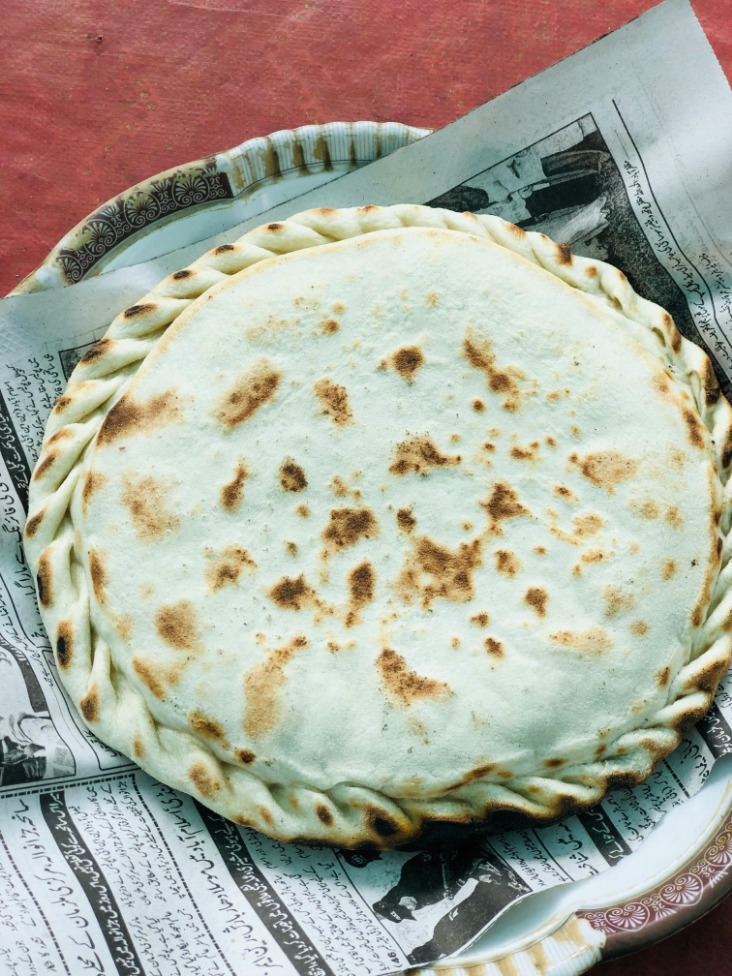
Preparing and cooking chapati in Kenya involves a few essential steps to achieve that soft, flaky texture characteristic of this popular dish. The process begins with making the dough, which is the foundation of a perfect chapati.
- Mix all-purpose flour and a pinch of salt in a large bowl. Gradually add water while kneading to form a soft, elastic dough. Be careful not to add too much water, as it can make the chapati hard.
- Knead the dough thoroughly for about 8-10 minutes until smooth. Cover the dough with a damp cloth and let it rest for at least 30 minutes to allow the gluten to develop.
- Divide the rested dough into small equal-sized balls. Lightly flour a flat surface and rolling pin.
- Roll each dough ball into a thin, round circle, about 6-8 inches in diameter, ensuring an even thickness for consistent cooking.
- Heat a frying pan or skillet over medium heat until hot. Place the rolled-out chapati on the pan and cook until bubbles form and the underside shows light brown spots, about 30 seconds to 1 minute.
- Flip the chapati and cook the other side until golden brown spots appear and it puffs up slightly. You can press gently with a spatula to encourage puffing.
- Remove from the heat and optionally brush with ghee or butter for added flavor and softness. Serve warm with traditional Kenyan dishes.
Rolling and Shaping the Chapati
Preparing and cooking Kenyan chapati involves careful rolling and shaping to achieve the perfect thin, round bread. Begin by kneading the dough until it is soft and elastic, then divide it into small equal portions. On a lightly floured surface, roll each portion into a thin circle, ensuring there are no thick spots. Use a gentle, even pressure to maintain a consistent thickness, which helps in cooking evenly. When shaping, if the chapati starts to puff up, gently flatten it to continue even cooking. Proper rolling and shaping are essential for a tender, flaky texture, and contribute to the authentic taste and appearance of Kenyan chapati. After shaping, the chapati is cooked on a hot skillet or griddle, flipping frequently until golden brown and cooked through, resulting in a delicious accompaniment to various dishes.
Cooking Methods: Frying and Grilling
Preparation and cooking techniques are essential to mastering Kenyan chapati, a beloved dish often enjoyed as a staple food. A key aspect of preparing chapati involves kneading the dough thoroughly to develop the gluten, which results in soft and pliable flatbreads. Once the dough is ready, it is divided into small balls, rolled out into thin circles, and cooked using specific methods to achieve the perfect texture and flavor.
When it comes to cooking methods, frying and grilling are commonly employed. Frying involves cooking the chapati on a hot skillet or pan with a little oil or dry, until it develops golden brown spots, ensuring a crispy exterior while remaining soft inside. Grilling, on the other hand, can produce a smoky flavor and attractive grill marks, often done over an open flame or grill pan. Both techniques require careful heat control to prevent burning and to ensure even cooking, resulting in flavorful and authentic Kenyan chapati that can be served with various accompaniments.
Tips for Achieving Fluffy and Crispy Chapati
Preparing and cooking the perfect Kenyan chapati requires attention to technique and timing to achieve a fluffy yet crispy texture. Start by mixing high-quality flour, such as unbleached all-purpose or whole wheat, with enough water to form a smooth, elastic dough. Let the dough rest for at least 30 minutes, covered with a damp cloth, to promote gluten development. When rolling out the chapati, aim for thin, even circles to ensure they cook evenly and become crispy on the outside while remaining soft inside.
Heat a flat skillet or tawa over medium-high heat until hot. To get a golden crispy exterior, place the rolled chapati on the skillet and cook until bubbles form, then flip and cook the other side. Press gently with a spatula or cloth for even cooking, and remove from heat when both sides are golden brown. To enhance fluffiness, you can lightly brush the chapati with ghee or butter immediately after cooking. For extra crispiness, increase the heat slightly towards the end of cooking or cook for a few extra seconds on each side. Proper dough preparation, uniform rolling, and precise heat control are key to achieving authentic Kenyan chapati with the perfect balance of fluffiness and crunchiness.
Types of Kenyan Chapati
Kenyan chapati is a beloved staple in many households across Kenya, known for its deliciously flaky and flavorful nature. There are several types of Kenyan chapati, each with unique ingredients and preparation methods that add variety to traditional meals. From the classic plain chapati to those infused with herbs, spices, or even layered for extra texture, these varieties showcase the rich culinary diversity of Kenyan cuisine.
Plain Chapati
Kenyan cuisine features a variety of chapatis, with plain chapati being the most common and beloved type. These thin, soft, and slightly crispy flatbreads are a staple in many households and are enjoyed with different accompaniments across Kenya.
- Plain Chapati: The traditional Kenyan chapati is made from wheat flour, water, salt, and often a little oil or fat. It is kneaded into a soft dough, rolled out thin, and cooked on a hot skillet until golden brown. These chapatis are versatile and can be served with vegetables, meat stews, or enjoyed plain.
- Whole Wheat Chapati: A healthier variation using whole wheat flour instead of refined flour. It has a slightly denser texture but maintains the same delicious flavor and is favored by those seeking a high-fiber option.
- Spiced Chapati: This version adds spices such as cumin, coriander, or chili to the dough for extra flavor. It is often enjoyed as a snack or an accompaniment to spicy curries.
Spiced or Flavored Chapati
Kenyan food chapati comes in various types, each with unique flavors and preparations. One popular variation is the plain chapati, which is soft and unleavened, made from wheat flour, water, and salt. Spiced or flavored chapatis are infused with different ingredients to add aroma and taste. These include adding spices like cumin, coriander, or garam masala to the dough, giving the chapati a savory kick. Some versions incorporate ingredients like chopped herbs, grated carrots, or even groundnuts to enhance flavor. Additionally, sweet flavored chapatis are prepared by adding sugar, honey, or coconut flakes to the dough for a subtly sweet variation. These diverse types of Kenyan chapatis are enjoyed across breakfast, lunch, or dinner, often served with hearty stews or vegetable dishes, reflecting the rich culinary traditions of Kenya.
Stuffed Chapati Variants
Kenyan cuisine features a variety of chapati types and stuffed variants that are popular across the country. Traditional Kenyan chapati is thin, crispy, and flaky, often served as a staple with meals or enjoyed as a snack. There are several popular types of Kenyan chapati, including plain chapati, which is simple and soft, and layered chapati that has a more textured, flaky appearance due to multiple folds during preparation.
Stuffed chapati variants are also widely enjoyed in Kenya, offering more flavor and texture. Some common stuffed options include chapati filled with vegetables like cabbage, potatoes, or spinach, often seasoned with spices. Meat-filled chapati, using beef, chicken, or fish, is popular for a heartier meal. Additionally, sweet stuffed chapatis with fillings like bananas, honey, or sugar provide a delicious dessert option. These stuffed chapatis are often pan-fried to perfection, making them a versatile and flavorful part of Kenyan food traditions.
Serving and Accompaniments
Serving and accompaniments play a vital role in enhancing the flavors and overall enjoyment of traditional dishes. In Kenyan cuisine, especially with beloved staples like chapati, the way it is presented and paired with side dishes can elevate the dining experience. Proper serving techniques and thoughtful accompaniments ensure that each meal is not only satisfying but also a delightful culinary experience.
Traditional Dishes Served with Chapati
Kenyan food chapati is a popular and versatile dish often enjoyed with a variety of flavorful accompaniments. Traditionally, chapati is served alongside hearty stews, such as beef stew, chicken curry, or vegetable curry, which complement its soft, flaky texture. It is also commonly paired with beans, lentils, or sukuma wiki (collard greens) for a nutritious meal. In some regions, chapati is enjoyed with fish curry or served as a side to nyama choma, the local grilled meat specialty. The bread is often used to scoop up sauces and gravies, making it an essential component of many traditional Kenyan dishes to enhance the overall flavors of the meal.
Popular Beverages to Complement Chapati
Serving chapati in Kenya is often complemented by various accompaniments that enhance its flavor and make for a satisfying meal. Popular choices include hearty vegetable stews, flavorful lentil dishes, and spicy nyama choma (grilled meat), which are traditionally enjoyed together with the soft, warm bread.
In addition to these accompaniments, a variety of beverages are commonly served to complement chapati. Freshly brewed chai tea, with its rich spices, is a favorite and adds warmth to the meal. Fresh fruit juices, such as mango or passion fruit juice, are also popular for their refreshing and natural sweetness. For those who prefer cold beverages, flavored sodas or bottled water are commonly available, making the experience of enjoying Kenyan chapati complete and delightful.
Modern Serving Styles and Fusion Foods
Kenyan chapati is a versatile dish often served with a variety of accompaniments that enhance its flavor and appeal. Common pairings include savory stews, such as beef or chicken curry, as well as vegetables like sukuma wiki or cabbage. Serving styles have evolved from traditional plated servings to more modern presentations, including stacked layers, rolled wraps, or even small bite-sized pieces ideal for sharing at gatherings. Fusion foods have also emerged, blending Kenyan chapati with international influences—such as using it as a wrap for spicy burritos or incorporating local ingredients into stuffing for a contemporary twist. These innovative approaches reflect the dynamic culinary culture of Kenya, celebrating tradition while embracing new flavors and presentation techniques.
Health and Nutritional Aspects
Health and nutritional aspects play a vital role in understanding the benefits and considerations of various foods. In the context of Kenya, chapati is a popular staple that offers both cultural significance and nutritional value. This flatbread, commonly enjoyed with numerous accompanying dishes, provides essential nutrients and energy, making it an important part of a balanced diet when prepared and consumed mindfully.
Nutritional Content of Kenyan Chapati
Kenyan chapati is a popular flatbread that plays a significant role in the country’s cuisine. It is made from wheat flour, water, salt, and sometimes a little oil or butter, resulting in a soft, flaky bread that is enjoyed across Kenya. Nutritionally, chapati provides a good source of carbohydrates, which serve as the primary energy component essential for daily activities. It also contains small amounts of proteins and fats, depending on the ingredients used in preparation.
In terms of health, consuming chapati in moderation can be part of a balanced diet. When prepared with whole wheat flour, it offers additional dietary fiber, which aids in digestion and helps maintain blood sugar levels. However, overconsumption of chapati, especially when fried or made with refined flour and excessive oil, can contribute to increased calorie intake and may pose health risks such as weight gain or elevated cholesterol levels.
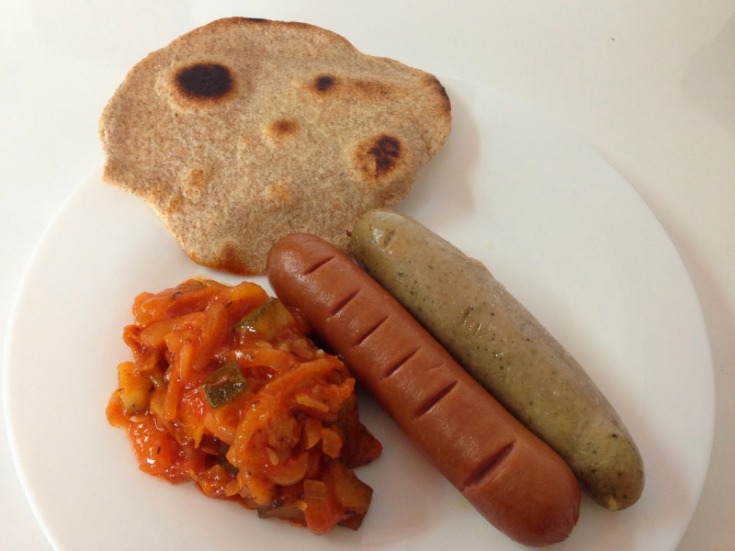
The nutritional content of Kenyan chapati can vary based on the ingredients used and the method of preparation. Typically, a standard serving provides approximately 150-200 calories, mainly from carbohydrates, with small amounts of protein and negligible fat. Incorporating nutrient-dense fillings or accompaniments like vegetables, lean meats, or legumes can enhance its nutritional value, making it a more wholesome part of the diet.
Healthier Variations and Substitutions
Kenyan chapati is a popular and versatile dish that can be made healthier by incorporating various nutritional considerations. Using whole wheat flour instead of refined flour increases fiber content, aiding digestion and maintaining blood sugar levels. Adding vegetables like spinach or carrots into the dough can boost vitamins and minerals, making the meal more nutritious. To reduce oil and cholesterol, opt for healthier fats such as olive oil or avocado oil when preparing the dough or frying the chapati. Substituting traditional frying methods with baking or pan-roasting can also reduce fat intake. Incorporating lean proteins or legumes alongside chapati can enhance the overall nutritional profile of a balanced meal. These healthier variations and substitutions help preserve the deliciousness of Kenyan chapati while supporting better health and nutrition.
Portion Control and Dietary Considerations
Kenyan chapati is a popular and versatile flatbread that plays a significant role in the country’s culinary traditions. When considering health and nutritional aspects, it is important to note that chapati is typically made from wheat flour, which provides carbohydrates essential for energy. Incorporating whole wheat flour can enhance fiber intake, aiding digestion and promoting satiety. Portion control is vital to avoid excessive calorie consumption, especially since chapati can be calorie-dense when eaten in large quantities. For a balanced diet, pairing chapati with vegetables or lean proteins can improve its nutritional profile. Dietary considerations should also include those with gluten sensitivities or wheat allergies, for whom alternative flours like millet or sorghum can be used. Overall, moderation and mindful ingredient choices are key to enjoying Kenyan chapati as part of a healthy diet.
Recipe Examples and Cooking Tips
Discover a variety of delicious recipe examples and helpful cooking tips to perfect your Kenyan chapati. Whether you’re a beginner or an experienced cook, these tips will guide you in creating soft, flavorful chapatis that are a staple in Kenyan cuisine. Learn how to choose the right ingredients and master the techniques for achieving that perfect balance of fluffiness and taste.
Classic Kenyan Chapati Recipe
Kenyan chapati is a popular and delicious flatbread that is enjoyed as a staple in many households. It is soft, flaky, and perfect for accompanying a variety of dishes. Here are some recipe examples and cooking tips to help you make authentic Kenyan chapati at home.
- Classic Kenyan Chapati Recipe:
- 2 cups all-purpose flour
- 1/2 teaspoon salt
- 1/2 teaspoon sugar (optional)
- 3/4 cup warm water
- 2 tablespoons vegetable oil or melted butter
- In a mixing bowl, combine the flour, salt, and sugar.
- Add warm water gradually while mixing to form a soft, pliable dough.
- Knead the dough for about 8-10 minutes until smooth and elastic.
- Divide the dough into small balls, cover with a damp cloth, and let rest for at least 30 minutes.
- Roll each dough ball into a thin circle on a floured surface.
- Heat a skillet or griddle over medium-high heat and cook each chapati for about 1-2 minutes until golden brown spots appear.
- Flip and cook the other side similarly, then brush with a little butter or oil for extra flavor.
- Serve warm with curries, vegetables, or enjoyed on its own.
Tips for perfect Kenyan chapati include ensuring the dough is well-kneaded for elasticity, allowing it to rest to improve texture, and cooking on a hot pan to achieve that characteristic fluffy and crispy exterior. Adding a little oil to the dough can also enhance softness and flavor. Enjoy your homemade chapatis fresh and hot for the best experience.
Step-by-Step Cooking Instructions
Kenyan chapati is a delicious and versatile flatbread that is a staple in many households. To make perfect chapatis, start by mixing 2 cups of all-purpose flour with a pinch of salt in a large bowl. Gradually add about 3/4 cup of warm water while kneading the dough until it becomes soft and elastic. Cover the dough and let it rest for at least 30 minutes. Divide the dough into small equal portions and roll each into thin circles using a rolling pin. Heat a skillet or griddle over medium-high heat and cook each chapati for about 1-2 minutes on each side until golden brown spots appear. Serve hot with curry, vegetables, or meat dishes. For extra flavor, brush the chapatis with melted butter or ghee before serving.
Common Mistakes and How to Avoid Them
When preparing Kenyan chapati, experimenting with different recipes can enhance your culinary experience. For example, incorporating a touch of milk or yogurt into the dough can make the chapati softer and more flavorful. To achieve the perfect texture, knead the dough thoroughly until it’s smooth and elastic, then let it rest for at least 30 minutes before rolling. Flexible cooking tips include cooking on medium heat to prevent burning and flipping the chapati multiple times to ensure even browning. Common mistakes such as using too much flour when rolling can make the chapati dry and tough. To avoid this, lightly flour the surface and dough, and don’t over-press when rolling. Overcooking or cooking at too high a heat can cause burnt edges and dry out the chapati; maintaining a moderate flame helps keep the chapati soft and fluffy. With these tips, you can master delicious Kenyan chapati every time.
Market and Commercial Production of Kenyan Chapati
Kenyan chapati is a beloved traditional bread that holds a special place in the country’s culinary culture. The market and commercial production of chapati in Kenya has grown significantly, reflecting its popularity across urban and rural areas. This production process combines traditional methods with modern techniques to meet the increasing demand for this flavorful bread. Understanding the dynamics of the market and commercial production provides insight into how Kenyan chapati continues to be a staple in local diets and an important component of the country’s food industry.
Street Vendors and Local Markets
Kenyan chapati is a popular and widely consumed flatbread that has become a staple food in many households and street food vendors across the country. Its market and commercial production have grown significantly to meet the high demand from both locals and tourists seeking authentic Kenyan cuisine.
Street vendors play a crucial role in the distribution of chapati, often preparing and selling fresh, hot pieces from small stalls or designated food markets. These vendors typically source their ingredients, such as wheat flour, oil, and water, from local markets, ensuring fresh supplies to meet the daily demand. The preparation process is quick, making chapati an ideal snack or meal option for busy urban populations.
The commercial production of Kenyan chapati has also seen an increase, with specialized bakeries and food processing companies producing and distributing ready-made or frozen chapatis to supermarkets and horeca (hotels, restaurants, and catering) sectors. This expansion has helped standardize quality, improve production efficiency, and make chapatis more accessible beyond traditional street settings. Overall, the market for Kenyan chapati continues to thrive, reflecting its cultural significance and widespread popularity in local markets and commercial outlets alike.
Commercial Brands and Ready-made Chapati
Kenyan chapati is a popular and versatile staple in Kenyan cuisine, widely enjoyed across the country. The market for chapati has seen significant growth, driven by increasing demand for convenient and ready-to-eat food options. Commercial production of chapati in Kenya has evolved with both small-scale local bakeries and large-scale food processing companies entering the market, ensuring a consistent supply of quality chapatis for consumers. Several well-known commercial brands have established a strong presence, offering packaged chapatis that are readily available in supermarkets and retail outlets. These brands often focus on quality, freshness, and convenience to meet modern consumers’ needs. Ready-made chapatis have become a preferred choice for busy households and eateries, providing quick and easy meal solutions without compromising on traditional taste. The competitive landscape continues to expand as manufacturers innovate with new packaging, flavors, and variants to attract a diverse customer base, making Kenyan chapati more accessible both locally and in international markets. Overall, the commercial production and branding of chapati have contributed significantly to the popularity and availability of this beloved Kenyan food.
Challenges in Scaling Production
Kenyan chapati is a popular staple food known for its unique flavor and soft texture, making it a significant part of the country’s cuisine. The market for commercial production of chapati has grown steadily, driven by demand from local consumers, restaurants, and street vendors seeking consistent and quality products. Commercial production involves scaling traditional methods to meet larger volumes, which requires investment in machinery, quality ingredients, and skilled labor.
Scaling up production presents several challenges, including maintaining the authenticity and quality of chapati at larger scales. Ensuring uniformity in texture and taste can be difficult as production volume increases. Additionally, sourcing sufficient raw materials such as flour, oil, and other ingredients while controlling costs is a constant concern. Infrastructure limitations, such as inadequate equipment or space, may hinder expansion efforts. Furthermore, navigating regulatory standards and ensuring food safety compliance pose significant hurdles for producers aiming to grow their market share.




0 Comments