

Geography of Kenya and East Africa
Kenya, located in East Africa, is known for its diverse geography that includes savannahs, mountains, lakes, and coastal plains. The country shares borders with several nations, such as Ethiopia, Tanzania, Uganda, South Sudan, and Somalia, forming a vibrant region full of natural wonders. East Africa as a whole is characterized by its rich ecosystems, including the Great Rift Valley, highlands, and extensive lakes, making it a region of remarkable geographic variety and ecological significance.
Major Landforms and Natural Features
Kenya, located in East Africa, features a diverse and captivating geography characterized by extensive plains, highlands, mountains, and coastlines. The country is renowned for its rich natural landscapes that support a wide variety of flora and fauna. The East African region as a whole is distinguished by its prominent landforms and natural features that have shaped its climate and biodiversity.
One of the most significant landforms in Kenya is the Great Rift Valley, which runs from the north to the south of the country, creating a series of valleys, lakes, and volcanic formations. The valley is home to numerous lakes such as Lake Nakuru, Lake Naivasha, and Lake Bogoria, which are important ecological and tourist destinations. The highlands, including the Central and the Aberdare Range, provide fertile lands and are the source of many rivers in the region.
The Mount Kenya massif, the second-highest peak in Africa, is a prominent feature that influences the climate and local weather patterns. The surrounding forests and volcanic cones add to the diverse landscape. Coastal Kenya features the Indian Ocean coastline characterized by sandy beaches, coral reefs, and mangrove forests, supporting vibrant marine life. To the north, the arid Turkana Basin and parts of the desert are notable for their harsh, dry conditions.
East Africa as a broader region encompasses such major landforms as the Ethiopian Highlands, the Great Rift Valley, and the Drakensberg mountain range in the south. These natural features are vital for their ecological significance, agricultural importance, and influence on the climate. The combination of mountains, valleys, lakes, and coastlines makes East Africa a uniquely diverse geographical area with a rich natural heritage.
Climate Zones and Weather Patterns
Kenya is a prominent country located in East Africa, characterized by diverse geographical features that range from vast savannahs to highlands and coastal regions. The country’s landscape includes the Great Rift Valley, mountain ranges like Mount Kenya, and extensive coastal plains along the Indian Ocean. This geographic diversity influences the climate and weather patterns across the region, making Kenya a place of varied climatic zones.
East Africa, which encompasses Kenya and neighboring countries such as Tanzania, Uganda, Rwanda, Burundi, and South Sudan, shares similar geographic characteristics. The region features several major physical features including the East African Rift, Lake Victoria, Lake Tanganyika, and Mount Kilimanjaro. These features play a significant role in shaping local climates and weather systems.
The climate zones in Kenya and East Africa can be broadly classified into several types:
- Equatorial Climate: Found mainly along the coastal areas with high temperatures and high humidity that support lush vegetation and rainforests.
- Highland Climate: Present in the central highlands around Mount Kenya and the Aberdare Range; characterized by cooler temperatures and moderate rainfall.
- Dry Climate: Dominant in the northern and parts of eastern Kenya, characterized by arid conditions and low rainfall, supporting desert and semi-desert landscapes.
- Temperate Climate: Found in some of the higher altitude regions, with milder temperatures and distinct wet and dry seasons.
Weather patterns in Kenya and East Africa are largely influenced by seasonal monsoons, the Intertropical Convergence Zone (ITCZ), and the presence of the Indian Ocean. The region experiences bimodal rainfall patterns, with two main rainy seasons:
- Long rains, occurring from March to May, driven by the movement of the ITCZ and moist air from the Indian Ocean.
- Short rains, occurring from October to December, associated with the dispersal of moisture from the Indian Ocean and local convection currents.
This climatic diversity results in a range of agricultural, ecological, and tourism-related activities, making Kenya and East Africa uniquely vibrant in their environmental features.
Protected Areas and National Parks
Kenya, located in East Africa, is known for its diverse geography that includes savannahs, Great Rift Valley, mountain highlands, and coastal beaches. The country boasts a variety of landscapes that support rich flora and fauna, making it a prominent destination for wildlife tourism. East Africa as a whole comprises several nations including Kenya, Uganda, Tanzania, Rwanda, and Burundi, each with unique geographical features and ecosystems.
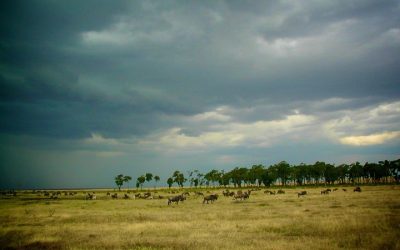
Kenya is renowned for its numerous protected areas and national parks which play a vital role in conserving wildlife and natural resources. Popular parks include Maasai Mara, Amboseli, Tsavo, Samburu, and Lake Nakuru National Park. These areas provide sanctuary for iconic species such as elephants, lions, rhinos, and cheetahs, and are central to Kenya’s tourism industry. East Africa’s protected areas are characterized by vast plains, lakes, mountains, and forests, supporting both terrestrial and aquatic ecosystems that are vital for biodiversity.
History and Cultural Heritage
Kenya, located in East Africa, boasts a rich tapestry of history and cultural heritage that reflects its diverse communities and ancient civilizations. From the archaeological sites of the Great Rift Valley to vibrant traditional ceremonies, the country’s cultural landscape offers a glimpse into its fascinating past. Kenya’s history is marked by the influence of early settlers, colonial encounters, and its journey towards independence, all of which contribute to the vibrant cultural identity seen today.
Ancient Civilizations and Archaeological Sites
Kenya in East Africa boasts a rich tapestry of history and cultural heritage, shaped by centuries of diverse civilizations and peoples. Its archaeological sites reveal the profound legacy of ancient civilizations, including the famous Turkana Boy, an early hominid fossil that provides insight into human evolution. The country is home to numerous archaeological sites such as the Great Rift Valley, where many important fossils and artifacts have been uncovered, shedding light on early human history. Kenya’s cultural heritage is reflected in its diverse communities, each with unique traditions, languages, and historical narratives that contribute to the nation’s identity. The preservation of ancient sites like Thimlich Ohinga and Fort Jesus highlights Kenya’s commitment to safeguarding its archaeological treasures and promoting understanding of its historical roots for future generations.
Colonial Period and Independence Movement
Kenya, located in East Africa, boasts a rich history and vibrant cultural heritage that spans thousands of years. It has been home to diverse ethnic groups and civilizations that have contributed to its cultural mosaic. During the colonial period, Kenya was a British colony, which significantly impacted its social, economic, and political landscapes. The colonial authorities introduced new systems of governance, land ownership, and infrastructure, while also exerting influence over indigenous cultures.
The struggle for independence in Kenya was marked by a fierce movement against colonial rule. The Mau Mau uprising in the 1950s was a pivotal part of this fight, uniting various ethnic groups in their quest for self-determination. This movement ultimately led to Kenya gaining independence from Britain in 1963. Since independence, Kenya has worked to preserve its cultural heritage while fostering economic development and political stability, making it a significant player in the history of East Africa.
Multicultural Society and Languages
Kenya, located in East Africa, boasts a rich history and vibrant cultural heritage that reflects its diverse population. The country has been a crossroads of various civilizations, from ancient Turkana and Nilotic tribes to Arab traders and European explorers, shaping its unique cultural landscape.
Kenya’s cultural heritage is preserved through its numerous festivals, traditional music, dance, and art forms. Key historic sites such as Fort Jesus in Mombasa and the ancient volcanic landscape of the Great Rift Valley highlight the nation’s archaeological and cultural significance.
As a multicultural society, Kenya is home to more than 40 ethnic groups, each with distinct languages, customs, and traditions. This diversity contributes to the country’s dynamic social fabric and offers a rich tapestry of cultural expression.
Languages spoken across Kenya include:
- Swahili: the national language and widely used in daily communication
- English: an official language used in administration, education, and business
- Numerous indigenous languages: including Kikuyu, Luo, Maasai, Kalenjin, and Turkana among others
Economy of Kenya and East Africa
The economy of Kenya and East Africa is a dynamic and rapidly evolving sector that plays a vital role in the region’s development. With a diverse mix of agriculture, manufacturing, and services, East Africa has seen significant growth driven by innovative initiatives and regional integration efforts. Kenya, as the economic hub of the region, continues to demonstrate resilience and potential for further expansion, making it a key player in shaping the economic landscape of East Africa.
Key Industries and Sectors
The economy of Kenya and East Africa is diverse and steadily growing, driven by various key industries and sectors that contribute significantly to their development. Kenya, often regarded as the economic hub of East Africa, has a mixed economy with robust agricultural, manufacturing, and service industries that play vital roles. The region as a whole benefits from natural resources, commerce, and increasingly attracting international investment, positioning itself as an emerging economic zone in Africa.
- Agriculture: This sector remains the backbone of Kenya’s economy, providing employment to a large portion of the population and producing crops such as coffee, tea, maize, and sugarcane.
- Manufacturing and Processing: Industries involved in producing textiles, food processing, cement, and beverages contribute to both domestic consumption and export revenue.
- Services Sector: Tourism, financial services, telecommunications, and information technology are rapidly expanding, with tourism centered around wildlife safaris and scenic landscapes.
- Trade and Capital Markets: Kenya has a well-established financial sector including the Nairobi Securities Exchange, facilitating investments and economic activities.
- Natural Resources: East Africa benefits from minerals, oil, and geothermal energy sources, although their exploitation varies among countries.
- Transport and Infrastructure Development: Improving road, rail, and port infrastructure to enhance regional connectivity and trade.
- Real Estate: Urbanization and population growth drive developments in housing, commercial properties, and business districts.
- Renewable Energy: Increasing investments in wind, solar, and geothermal projects contribute to sustainable growth.
Overall, the economy of Kenya and East Africa is characterized by its resource diversity, strategic geographic position, and ongoing reforms aimed at fostering economic stability and growth.
Agriculture and Livestock
The economy of Kenya and the broader East Africa region is primarily driven by agriculture, which remains a vital sector for national development, employment, and income generation. Agriculture and livestock farming play a crucial role in sustaining the livelihoods of millions of people in Kenya and neighboring countries, contributing significantly to GDP and export earnings.
- Kenya’s economy benefits from diverse agricultural products such as tea, coffee, flowers, and vegetables, which are major export commodities.
- The livestock sector supports pastoral communities, providing meat, milk, hides, and skins, and fostering rural prosperity.
- East Africa faces challenges like climate change, pests, and limited access to modern technology, which affect agricultural productivity.
- Efforts to modernize agriculture through irrigation, improved seed varieties, and value addition are ongoing to boost output and resilience.
Tourism Industry
The economy of Kenya and East Africa is a dynamic region marked by rapid growth and diverse sectors. Kenya, often regarded as the economic hub of East Africa, boasts a mixed economy with key contributions from agriculture, manufacturing, services, and technology. The country benefits from its strategic location, enabling regional trade and investment. East African nations like Uganda, Tanzania, Rwanda, and Ethiopia also play vital roles in the regional economy, each contributing through agriculture, industry, and infrastructure development.
The tourism industry in Kenya and East Africa is a major pillar of the regional economy, drawing visitors from around the world to experience its rich wildlife, national parks, and cultural heritage. Kenya is renowned for its Maasai Mara reserve, which hosts the annual wildebeest migration and offers exceptional safari experiences. Similarly, Tanzania’s Serengeti National Park and Mount Kilimanjaro attract tourists seeking adventure and natural beauty. The tourism sector provides significant employment opportunities, fosters entrepreneurship, and generates foreign exchange, making it a critical component of regional development.
Political Structure and Governance
Kenya’s political structure and governance system play a vital role in shaping the nation’s development and stability within East Africa. As a republic with a democratic framework, Kenya employs a multi-party system and a constitution that guarantees the separation of powers among the executive, legislature, and judiciary. Understanding Kenya’s governance offers insight into its efforts to promote good governance, ensure political stability, and foster economic growth across the region.
Government System and Administrative Divisions
Kenya, located in East Africa, has a well-defined political structure and governance system that emphasizes democratic principles and regional administration. It operates under a constitutional framework that ensures separation of powers among the executive, legislature, and judiciary, fostering transparency and accountability in its governance.
- The President of Kenya serves as the head of state and government, elected through a popular vote for a five-year term. The President oversees national policy and represents the country internationally.
- The Parliament of Kenya consists of two houses: the National Assembly and the Senate, responsible for making laws, approving budgets, and scrutinizing government actions.
- The Judiciary is independent, comprising a Supreme Court, Court of Appeal, and other courts, ensuring justice and legal oversight.
Kenya’s administrative divisions are organized into counties, which are further subdivided into sub-counties, wards, and villages. Each county is governed by an elected governor and county assembly, responsible for local development and service delivery. This decentralized structure aims to promote regional development, administrative efficiency, and local participation in governance.
Current Political Landscape
Kenya’s political structure is characterized by a democratic republic framework, featuring a multi-party system that fosters political pluralism. The government operates under a constitution that delineates the separation of powers among the executive, legislature, and judiciary, ensuring checks and balances. The President serves as both head of state and government, elected through a national vote, supported by a Vice President and a cabinet of ministers. The Parliament consists of the National Assembly and the Senate, responsible for lawmaking and oversight. Kenya’s governance emphasizes decentralization through county governments, which have their own elected leaders overseeing local development.
The current political landscape in Kenya is dynamic and often influenced by ethnic affiliations, political alliances, and ongoing reforms. Recent years have seen increased efforts toward consolidating democracy, combating corruption, and enhancing transparency. Political tensions occasionally surface around electoral processes, but the nation continues to work toward stable governance and inclusive politics. Key issues include economic development, land reform, and addressing social inequalities. Kenya remains a pivotal player in East Africa, with its political stability vital for regional peace and prosperity.
Regional and International Relations
Kenya’s political structure is a republic with a democratic form of governance, featuring a president as the head of state and government. The country operates under a multi-party system, with legislative authority vested in a bicameral parliament comprising the National Assembly and the Senate. Kenya’s governance framework emphasizes decentralization through county governments, fostering local development and administrative efficiency.
Regionally, Kenya plays a significant role within East Africa, actively participating in regional organizations such as the East African Community, the Intergovernmental Authority on Development, and the African Union. These memberships facilitate economic integration, peacekeeping, and diplomatic cooperation among neighboring countries.
On the international stage, Kenya maintains diplomatic relations with numerous nations, emphasizing trade, security, and development partnerships. The country is a member of the United Nations and advocates for regional stability, counter-terrorism efforts, and climate change mitigation. Its strategic position and vibrant economy make Kenya a key player in fostering peace and economic growth in East Africa and beyond.
Society and Demographics
Kenya, located in East Africa, features a rich and diverse society shaped by a variety of ethnic groups, cultures, and traditions. Its demographics reflect a vibrant mix of communities, each contributing to the nation’s dynamic social fabric. Understanding the society and demographics of Kenya provides insight into its social structure, heritage, and ongoing development.
Population Statistics and Ethnic Groups
Kenya, located in East Africa, has a diverse and vibrant society shaped by its varied demographics and rich ethnic mosaic. The country’s population exceeds 50 million people, making it one of the most populous nations in the region. Kenya’s population growth rate remains steady, driven by high birth rates and improving healthcare systems. The nation is characterized by a multitude of ethnic groups, each contributing unique cultural practices, languages, and traditions to the national identity.
The major ethnic groups in Kenya include the Kikuyu, Luo, Luhya, Kalenjin, Maasai, Embu, Meru, and others. The Kikuyu are the largest community, primarily found in central Kenya, and have historically played influential roles in the country’s economy and politics. The Luo people, predominantly in western Kenya, are known for their rich musical heritage and fishing traditions. The Maasai, famous for their semi-nomadic lifestyle and distinctive dress, predominantly inhabit the southern regions of Kenya and northern Tanzania.
Kenya is multilingual, with English and Swahili serving as official languages, facilitating communication across its diverse communities. Indigenous languages such as Kikuyu, Luo, Maasai, and others are also widely spoken within their respective groups. Urban areas like Nairobi and Mombasa are melting pots of different ethnicities, contributing to Kenya’s dynamic societal fabric. Despite ethnic diversity, Kenyans share a strong sense of national identity, which is reflected in their cultural practices, festivals, and daily interactions.
Education System and Literacy Rates
Kenya, located in East Africa, boasts a diverse society shaped by numerous ethnic groups, cultures, and traditions. Its demographics reflect a youthful population, with a significant proportion of residents under the age of 25. This demographic trend influences various social and economic aspects of the country, including education and workforce development.
Society and Demographics
- Kenya is home to over 50 ethnic groups, with Kikuyu, Luo, Luhya, Kalenjin, Maasai, and Kamba being some of the largest communities.
- The population is predominantly rural, although urbanization is increasing rapidly, especially in cities like Nairobi and Mombasa.
- The country has a relatively high population growth rate, which presents both opportunities and challenges for development.
- English and Swahili are official languages, facilitating communication across diverse communities.
Education System and Literacy Rates
- The education system in Kenya is structured into primary, secondary, and tertiary levels, with free primary education introduced in 2003.
- Despite progress, disparities in access and quality of education exist between urban and rural areas.
- Kenya has made significant strides in increasing literacy rates, now estimated at over 80% for adults.
- Efforts continue to focus on improving educational infrastructure, teacher training, and curriculum relevance to meet the demands of a growing young population.
Healthcare and Social Services
Kenya, located in East Africa, is characterized by a diverse society with a rich tapestry of ethnic groups, languages, and cultures. Its demographic landscape is marked by a young population, with a significant portion under the age of 15, contributing to both opportunities and challenges in social development. The country’s demographic trends influence various sectors, including healthcare and social services, which strive to meet the needs of its growing and diverse population.
- The population of Kenya is approximately 54 million, with high birth rates leading to rapid population growth.
- Major ethnic groups include Kikuyu, Luo, Luhya, Kalenjin, Masaai, and others, fostering cultural diversity.
- Urbanization is increasing, especially in cities like Nairobi and Mombasa, impacting social services and infrastructure.
Kenya’s healthcare system has made significant progress but still faces challenges such as limited access to quality healthcare in rural areas and infectious diseases like HIV/AIDS, tuberculosis, and malaria. Efforts to improve healthcare include expanding hospital facilities, vaccination programs, and community health initiatives.
- Maternal and child health services are prioritized to reduce high neonatal and infant mortality rates.
- Kenya has adopted universal health coverage goals to ensure equitable access to essential health services.
- Community health workers play a vital role in delivering primary healthcare, especially in underserved regions.
Social services in Kenya encompass education, poverty alleviation, and social protection programs aimed at reducing inequality and supporting vulnerable populations. The government and various NGOs work together to address issues like homelessness, disability support, and youth empowerment, creating a foundation for sustainable social development.
Challenges and Opportunities
Kenya, located in East Africa, faces a variety of challenges and opportunities related to language. The country’s linguistic landscape is diverse, reflecting its rich cultural history and the coexistence of multiple languages. While this diversity presents some difficulties in communication and education, it also offers unique opportunities for cultural exchange, tourism, and economic growth. Understanding these dynamics is essential to harnessing the full potential of Kenya’s multicultural environment.
Environmental and Conservation Issues
Kenya, located in East Africa, faces a range of environmental and conservation challenges, but these also present significant opportunities for sustainable development. Rapid population growth, deforestation, and agricultural expansion have led to habitat loss and reduced biodiversity, threatening iconic species such as elephants, rhinos, and lions. Climate change exacerbates these issues by causing unpredictable weather patterns, droughts, and flooding, which impact both ecosystems and local communities.
Despite these challenges, Kenya has made notable progress in environmental conservation, including the establishment of national parks and wildlife reserves. The country’s commitment to sustainable tourism and community-based conservation programs offers promising avenues to balance economic growth with ecological preservation. Additionally, Kenya’s innovative use of technology, such as drone surveillance and eco-friendly farming practices, provides new opportunities to monitor and protect crucial ecosystems.
Furthermore, Kenya’s active engagement in regional and international conservation efforts enhances its capacity to address environmental issues. The integration of environmental policies into national development plans can foster resilient communities and sustainable resource management. Harnessing these opportunities while tackling current challenges is essential for ensuring a sustainable future for Kenya and its rich natural heritage.
Economic Development and Infrastructure
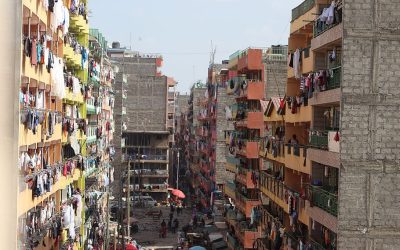
Kenya, located in East Africa, faces a range of challenges and opportunities in its economic development and infrastructure. Rapid population growth and urbanization pose significant pressures on existing infrastructure, requiring substantial investments to improve roads, transportation networks, and utilities. Despite these obstacles, Kenya has a vibrant economy with diverse sectors such as agriculture, manufacturing, and technology, notably the flourishing tech hubs in Nairobi. These developments present opportunities for job creation, innovation, and attracting foreign investment. Additionally, Kenya’s strategic location as a regional hub offers potential in trade and logistics, encouraging improvements in ports and transportation corridors. Overcoming infrastructural deficits while leveraging its youthful workforce and natural resources can propel Kenya towards sustainable economic growth. However, addressing issues like corruption, political instability, and ensuring equitable distribution of wealth are essential to fully harness these opportunities and achieve long-term development goals.
Regional Stability and Security
Kenya and East Africa face a complex mix of challenges and opportunities regarding regional stability and security. Political tensions, border disputes, and ethnic divisions can threaten peace and hinder development efforts. However, the region also has significant opportunities through regional cooperation, economic integration, and strategic partnerships. Initiatives such as the East African Community aim to foster stability, improve security, and promote sustainable growth. Addressing issues such as terrorism, insurgency, and cross-border crime remains vital, but with collaborative efforts, East Africa can achieve greater stability and prosperity for its peoples.


0 Comments