

Historical Background of the Kenya Flag
The flag of Kenya holds a rich historical significance that reflects the country’s journey to independence and its national identity. Adopted on December 12, 1963, when Kenya gained independence from British colonial rule, the flag symbolizes the country’s struggles, values, and aspirations. Its design elements, including the black, red, and green colors along with the Maasai shield and spears, are rooted in Kenya’s cultural heritage and history of resistance. Over time, the flag has become a powerful emblem of unity and pride for the Kenyan people.
Origins of the Flag Design
The flag of Kenya was officially adopted on December 12, 1963, when the nation gained independence from British colonial rule. Its design reflects the country’s history, culture, and aspirations for unity and progress. The flag’s origins are rooted in the struggle for independence, symbolizing the native people’s desire for freedom and self-determination.
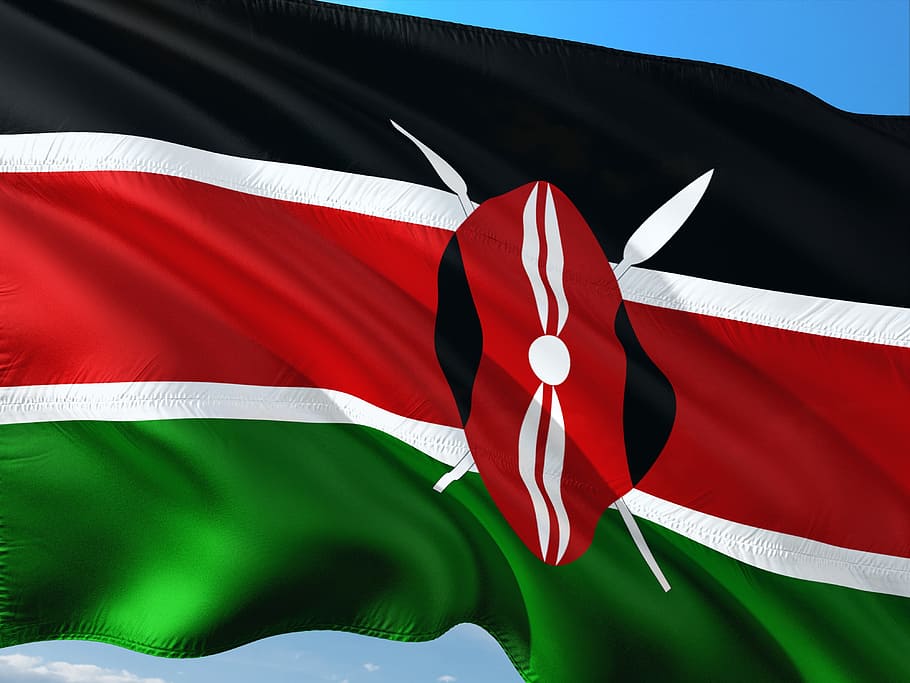
The design of the Kenyan flag features three major horizontal stripes: black at the top, red in the middle, and green at the bottom. These colors hold significant meaning; black represents the people of Kenya, red symbolizes the blood shed in the fight for independence, and green stands for the country’s rich landscapes and agriculture. The flag also includes a Maasai shield in the center, with two crossed spears behind it, representing the defense of freedom and cultural heritage.
The choice of colors and symbols was influenced by the Pan-African movement, which emphasized unity and liberation for African nations. The flag’s distinctive design was inspired by the flag of the Kenya Africa National Union (KANU), the political party leading the independence movement. Over time, the flag has become a powerful emblem of national identity, pride, and sovereignty for Kenya.
Evolution Over the Years
The flag of Kenya has a rich historical background that reflects the nation’s journey towards independence and unity. Originally, during colonial rule, Kenya did not have its own distinct national symbols, but as independence approached, the need for a symbol of national identity became clear. The current design of the Kenyan flag was adopted on December 12, 1963, when Kenya gained independence from British colonial rule. It was designed to embody the country’s diverse cultural heritage and aspirations for progress.
Over the years, the Kenyan flag has undergone various modifications to better represent its identity. The original flag featured black, red, and green horizontal stripes separated by white fimbriations, with a Maasai shield and spears at the center, symbolizing protection and the struggle for independence. The colors have specific meanings: black for the people, red for the blood shed in the fight for independence, green for fertility and agriculture, and white for peace and unity. While the overall design has remained consistent, the shield and spears have sometimes been stylized differently in various flags used during different periods of transitional governance or political movements.
Today, the Kenyan flag stands as a symbol of national unity, strength, and the country’s rich cultural history. Its evolution over the years highlights Kenya’s journey from colonial rule to an independent nation proud of its diverse heritage and optimistic about its future.
Symbolism in Historical Context
The flag of Kenya has a rich historical background rooted in the country’s struggle for independence and national identity. It was officially adopted on December 12, 1963, when Kenya gained independence from British colonial rule, symbolizing the hope and unity of the Kenyan people. The design was inspired by the political movements and cultural heritage that sought to foster national pride and sovereignty.
The flag features black, red, green, and white colors, each carrying significant symbolism within Kenya’s historical context. The black color represents the indigenous people of Kenya and their shared heritage. The red stripe symbolizes the struggle for independence and the sacrifices made by those who fought for freedom. The green signifies the country’s fertile land and natural resources, reflecting hope and economic growth. The white fimbriation acts as a symbol of peace and unity among diverse communities in Kenya.
Furthermore, the Maasai shield and spears depicted in the center reflect Kenya’s warrior traditions and the protection of independence. Overall, the flag embodies Kenya’s history, cultural diversity, and aspirations for peace, unity, and progress. It stands as a visual reminder of the nation’s journey from colonial rule to independence and its ongoing pursuit of development and harmony.
Design Elements of the Kenya Flag
The Kenyan flag is a vibrant symbol of the nation’s identity, featuring distinctive design elements that represent its history, culture, and unity. Its bold colors and unique patterns convey a sense of pride and hope for the country’s future. Understanding the design elements of the Kenya flag provides insight into the nation’s values and heritage.
Colors and Their Significance
The flag of Kenya features a distinctive design composed of three horizontal stripes of black, red, and green, separated by thin white lines. In the center, there is a traditional Maasai shield with two crossed spears, symbolizing the defense of freedom and the country’s heritage. The color scheme and symbols collectively represent Kenya’s cultural diversity and independence.
The black color on the flag symbolizes the people of Kenya and their rich heritage. The red stripe signifies the blood shed by those who fought for independence and freedom. The green represents the country’s lush agricultural land and natural resources. The white stripes stand for peace and unity among Kenyans.
Symbols and Emblems
The flag of Kenya is a vibrant symbol of the nation’s identity, incorporating several distinct design elements that convey its history and values. It features three major colors: black, red, and green, separated by white borders, each with specific symbolism. The black stripe represents the people of Kenya, highlighting their strength and resilience. The red band symbolizes the struggle for independence and sacrifices made by Kenyans, often depicted with a traditional Maasai shield and crossed spears, which are iconic symbols of defense and unity. The green stripe stands for Kenya’s rich agriculture, natural resources, and the country’s lush landscape. The white borders symbolize peace and unity among the diverse communities within Kenya. Overall, the design elements of the flag reflect the country’s heritage, struggle for freedom, and hope for a peaceful future. The emblem of the Maasai shield and crossed spears further emphasize the importance of defense, cultural heritage, and national pride, making the flag a meaningful and recognizable symbol of Kenya’s identity.
Layout and Proportions
The flag of Kenya features a distinctive design that symbolizes the country’s rich heritage and unity. It consists of three major color fields: black at the top, red in the middle, and green at the bottom. These colors are separated by two thin white stripes that outline each color block, creating a striking contrast.
Centered on the flag is a traditional Maasai shield, which is brown with white decoration, and is flanked by two white crossed spears. The shield and spears are prominent symbols of defense and the people’s struggle for independence, reflecting Kenya’s historical and cultural identity.
The layout of the flag exhibits a horizontal tricolor arrangement with a central emblem. The proportions of the flag are standardized at a 2:3 ratio, meaning the height is two units for every three units of width. The colors are arranged in three equal horizontal stripes, with the shield and spears positioned symmetrically in the center, ensuring balance and visual harmony across the design.
Meaning of the Flag Colors
The colors of the Kenya flag each carry significant symbolism that reflects the country’s history, culture, and values. Understanding the meaning behind these colors helps to appreciate the rich heritage of Kenya. The flag’s vibrant hues are more than just design elements; they embody the spirit and identity of the Kenyan people.

Black
The color black on the Kenya flag symbolizes the strength and resilience of the Kenyan people. It represents the majority of the population who have fought for independence and continue to uphold their cultural identity. Black is a powerful reminder of unity, perseverance, and the collective spirit of the nation.
Red
The color red on the flag of Kenya symbolizes the struggle for independence and the sacrifices made by those who fought for freedom. It represents the blood shed by freedom fighters and the resilience of the Kenyan people in their pursuit of independence. This powerful color serves as a reminder of the nation’s history and the bravery of its heroes.
Green
The green color on the Kenya flag symbolizes the country’s rich agricultural landscape and natural resources. It represents the fertile land, vegetation, and the vitality of the nation’s environment. Green also stands for hope, prosperity, and the agricultural growth that is vital to Kenya’s economy and way of life.
White
The color white on the Kenyan flag symbolizes peace, unity, and honesty among the people of Kenya. It reflects the nation’s commitment to harmony and transparency in its governance and relationships.
- Peace and tranquility within the country
- Unity among diverse communities
- Honesty and integrity in leadership
The Maasai Shield and Spears
The Maasai shield and spears hold significant cultural and historical importance for the Maasai people of Kenya. These traditional weapons symbolize their strength, bravery, and identity. Their distinctive designs and craftsmanship reflect the rich heritage of the Maasai community and are often seen during ceremonies and cultural displays. Understanding these weapons offers insight into the vibrant traditions that form an integral part of Kenya’s diverse cultural landscape, complementing the national symbolism represented by the Kenya flag.
Design and Placement
The Maasai shield and spears are iconic symbols of Kenyan culture, often featured in traditional ceremonies and displays of bravery. Their design is characterized by bold geometric patterns, vibrant colors, and intricate craftsmanship, reflecting the rich heritage of the Maasai people. The shields are typically round with concentric designs, while the spears are long and slender, symbolizing strength and protection. In terms of placement, these items are usually worn as part of ceremonial attire or displayed prominently during cultural events to showcase identity and pride. Their strategic positioning emphasizes their importance as symbols of courage and societal status within Maasai communities.
Symbolic Representation
The Maasai shield and spears are prominent cultural symbols that reflect the rich heritage and traditions of the Maasai people of Kenya. These items are not only used in ceremonies and battles but also embody values such as bravery, protection, and identity, making them deeply significant in Kenyan symbolism.
- The Maasai shield, traditionally made from cowhide and decorated with intricate patterns, signifies protection and strength. It is a symbol of the Maasai’s resilience and their role as warriors.
- The spears, alongside shields, represent the readiness to defend community and uphold cultural values. They embody courage and the fighting spirit of the Maasai community.
- In the context of the Kenya flag, these symbols reflect the diverse cultural landscape of Kenya, highlighting the importance of traditional symbols that promote unity and national identity.
- Incorporating elements reminiscent of the Maasai shield and spears in national symbolism emphasizes Kenya’s respect for its indigenous cultures and their contributions to the nation’s history.
- The prominent display of these symbols in art and emblems associated with Kenya underscores their role in conveying themes of protection, courage, and cultural pride on a national level.
Historical Significance
The Maasai shield and spears hold a profound historical significance in Kenya, particularly among the Maasai community. These traditional weapons symbolize strength, bravery, and cultural identity. They have been used for warfare, protection, and as ceremonial objects during important rites of passage. Over time, the Maasai shield and spears have become iconic symbols representing the rich heritage and resilience of the Maasai people. Their design and craftsmanship reflect the artistry and social status within the community, making them important cultural artifacts that link the past with the present in Kenya’s national identity.
Flag Adoption and Usage
The adoption and usage of flags serve as powerful symbols of national identity, unity, and pride. In the case of Kenya, its flag represents the country’s rich history, diverse culture, and aspirations for progress. Understanding the significance of the Kenyan flag provides insight into the nation’s values and its journey towards independence and development.
Official Adoption Date
The flag of Kenya was officially adopted on December 12, 1963, marking its independence from British colonial rule. It features three major horizontal stripes: black at the top, white-edged red in the middle, and green at the bottom. In the center, there is a traditional Maasai shield accompanied by two crossed spears, symbolizing Kenya’s rich cultural heritage and the defense of freedom. The colors of the flag carry significant meanings: black represents the people of Kenya, red symbolizes the struggle for independence, green signifies the country’s natural resources and fertility, and white stands for peace and unity. The flag embodies the nation’s history, culture, and aspirations for a unified future.
Protocols for Display
The Kenyan flag is a symbol of national pride and unity, representing the country’s rich history and diverse culture. Proper adoption and usage of the flag are essential to maintain its dignity and respect. When displaying the Kenyan flag, it should be raised and lowered ceremoniously, ensuring it is never flown at night unless properly illuminated. The flag should be positioned with the black stripe at the top, followed by red and green stripes, with the white Maasai shield and spears centered. Protocols dictate that the flag should not touch the ground, be draped over vehicles inappropriately, or be used for advertising purposes. When displayed alongside other flags, the Kenyan flag should be placed to the right or in a position of honor. Respectful handling and adherence to proper protocols are vital to uphold the flag’s significance as a national emblem.
Use in National Events
The flag of Kenya is an important national symbol that represents the country’s history, culture, and unity. It is prominently displayed during various national events and ceremonies to foster patriotism and national pride.
- The Kenyan flag is widely adopted during independence celebrations, national holidays, and other significant events.
- It is often displayed on government buildings, public places, and private institutions to demonstrate loyalty to the nation.
- During major sporting events, such as international football matches or the Olympics, citizens wave the flag to support their teams.
- The flag also plays a role in educational institutions, where students learn about its symbolism and importance.
Cultural Significance of the Kenya Flag
The flag of Kenya holds deep cultural and national significance, serving as a symbol of unity, independence, and identity for the Kenyan people. Its vibrant colors and distinct design reflect the country’s rich history, natural beauty, and the diverse communities that make up its society. As an emblem of patriotism, the Kenya flag resonates with citizens, inspiring pride and a sense of belonging among Kenyans worldwide.
National Identity and Pride
The Kenya flag holds a profound cultural significance, symbolizing the nation’s identity, history, and aspirations. Its vibrant colors and design elements reflect Kenya’s diverse heritage and unity among its people. The black represents the people of Kenya, highlighting their resilience and strength, while the red signifies the struggles and sacrifices made for independence. The green stands for the country’s rich agriculture and natural resources, and the white fimbriation symbolizes peace and unity. The Maasai shield and spears in the center emphasize Kenya’s commitment to self-defense and sovereignty, serving as a reminder of the nation’s courage and independence. Flying the flag with pride fosters a sense of belonging, national pride, and unity among Kenyans, enriching their cultural identity and commemorating their journey towards sovereignty.
Recognition During Celebrations
The Kenyan flag holds deep cultural significance as a symbol of national unity, pride, and independence. During celebrations, the flag is prominently displayed and recognized by all Kenyans, serving as a unifying emblem that fosters patriotism and national identity.
- The flag is widely recognized and respected during national holidays such as Mashujaa Day and Jamhuri Day, where it is displayed on public buildings, vehicles, and homes.
- During independence celebrations, the flag is raised with great fervor, symbolizing Kenya’s liberation and sovereignty.
- School parades, community events, and political rallies feature the Kenyan flag prominently, reinforcing its role in uniting citizens across diverse cultural backgrounds.
- The colors of the flag—black, red, green, and white—are also recognized for their cultural meanings related to Kenya’s history, struggles, and natural wealth.
- Ordinary citizens often wear clothing featuring the flag or its colors during national celebrations, showcasing pride and solidarity.
Symbol of Unity
The Kenya flag is a powerful symbol of national identity and unity, representing the country’s rich history, diverse cultures, and aspirations for progress. Its vibrant colors and unique design embody the spirit of Kenyans and their shared values. The black color signifies the people of Kenya, while the red reflects the struggles for independence. The green symbolizes the country’s natural wealth and fertile land, and the white fimbriation stands for peace and unity. The Maasai shield and spears in the center highlight Kenya’s cultural heritage and readiness to defend its sovereignty. Overall, the flag serves as a unifying emblem that inspires pride and patriotism among Kenyans, reminding them of their common heritage and collective journey toward a prosperous future.
Comparison with Other African Flags
The flag of Kenya stands out among African nations with its distinctive design and meaningful symbolism. While many African flags feature colors such as green, gold, and red, Kenya’s flag uniquely incorporates a black stripe to represent the people, along with a Maasai shield and spears symbolizing defense and unity. Comparing it with other African flags reveals a rich tapestry of history, culture, and regional identity expressed through various colors and symbols.
Similarities and Differences
The Kenyan flag shares similarities with several other African flags, notably in its use of black, red, and green colors, which are commonly associated with Pan-African symbolism. For example, the South Sudan flag also features these colors, representing unity, independence, and the land. However, unlike many other African flags, the Kenyan flag is distinctive due to its inclusion of a Maasai shield and spears, emphasizing national history and defense. While the colors in the Kenyan flag are symbolic—black for the people, red for the struggle for independence, and green for land and agriculture—the other flags often have different symbols or patterns that reflect their unique histories and cultures. Overall, the Kenyan flag’s design combines traditional Pan-African colors with culturally specific imagery, setting it apart from many other African national flags that focus primarily on color symbolism or abstract patterns.
Unique Features of Kenya’s Flag
The flag of Kenya stands out among other African flags due to its distinctive design and symbolism. Unlike many flags that primarily use solid colors or simple patterns, Kenya’s flag features a unique combination of colors, shapes, and symbols that represent its heritage and values. The black, red, and green are separated by white stripes, creating a striking and recognizable layout that emphasizes unity, resilience, and the country’s rich culture. Additionally, the central Maasai shield and crossed spears set Kenya’s flag apart, symbolizing defense of freedom and the struggle for independence, which is less common in other African flags that typically focus solely on colors and patterns. Overall, Kenya’s flag is uniquely distinguished by its meaningful symbols integrated into a vibrant and balanced design, setting it apart from other national flags across Africa.
Influence on Regional Flags
The flag of Kenya is distinctive and has played a significant role in shaping the design of other African regional flags. Its bold colors and symbols are often seen as a representation of unity and independence, influencing neighboring countries in their flag designs. Many regional flags incorporate similar color schemes or symbols to evoke a sense of shared heritage and movement towards progress.
- The use of black, red, green, and white in the Kenyan flag is common among several other African nations, symbolizing unity, the blood of those who fought for independence, fertility, and peace respectively.
- Flag designs in regions like East Africa often mirror Kenya’s horizontal stripes and central emblem, establishing a regional identity rooted in shared history.
- Kenya’s flag’s symbolism has inspired the incorporation of traditional colors and motifs in flags of neighboring countries such as Uganda, Tanzania, and South Sudan.
- Regional flags sometimes adopt the same color palette to reinforce regional solidarity and emphasize common struggles for independence and progress.




0 Comments