
Overview of Egypt’s God of War
Egypt’s God of War, often associated with strength, power, and martial prowess, is a significant figure in ancient Egyptian mythology. This deity symbolizes the fierce aspects of battle and protection, embodying both destructive and defensive qualities. Exploring this god offers insights into the ancient Egyptians’ values, their view of warfare, and the divine forces they believed protected and guided them through conflicts and challenges.
Origins and Mythological Background
The Egyptian God of War is famously represented by the deity Montu, who embodies martial prowess, valor, and the dynamic force of warfare. Montu was revered as a powerful and fierce god, often depicted with a falcon head, symbolizing keen vision and agility in battle. His worship was particularly prominent in the city of Thebes, where he was considered a protector of pharaohs and a bringer of military victories.
Montu’s origins can be traced back to ancient Egyptian mythology, with roots extending to the early dynastic periods. His name translates to “The One who Dominates,” emphasizing his authoritative control over combat and conflict. As a sky god, he was also associated with the sun and its fiery energy, which complemented his martial characteristics. Over time, Montu was syncretized with other war deities, including Ra, further elevating his status within the pantheon.
Mythologically, Montu played a role in several narratives involving the protection of Egypt and its rulers during times of war. He was seen as an embodiment of the divine might that granted pharaohs the strength to triumph over enemies. Temples dedicated to Montu, such as those at Karnak, highlight his importance and reflect the theocratic nature of Egyptian religion, where gods like Montu were essential to the king’s divine right to rule and defend the land.
Role and Significance in Ancient Egyptian Religion
In ancient Egyptian religion, the god of war was a prominent deity associated with strength, combat, and protection. Known primarily as Montu, this deity played a vital role in military and spiritual realms, embodying valor and martial prowess. Worshipped widely across Egypt, Montu became a symbol of Pharaohs’ might and divine authority, reflecting the importance of warfare in maintaining cosmic order and national stability.
- Montu was often depicted with a falcon head, symbolizing hunting, vigilance, and the sky.
- He was associated with the sun god Ra, emphasizing his supreme power and divine might.
- Egyptian warriors and kings frequently invoked Montu for victory in battles and protection during warfare.
- The Temple of Montu at Armant was a major religious site dedicated to his worship, highlighting his significance in Egyptian spiritual life.
The role of the Egyptian god of war extended beyond mere battlefield success; he was also seen as a protector of the pharaoh and the land, ensuring cosmic harmony through victory over chaos. His significance permeated various aspects of ancient Egyptian culture, reinforcing the belief that divine favor and martial strength were key to maintaining order and prosperity in the realm.
Attributes and Depictions
Attributes and depictions in language play a crucial role in conveying the essence and symbolism of deities, especially in ancient mythology. When exploring the figure of Egypt’s god of war, Morrigan, understanding how attributes are described and visualized helps to deepen the connection to their divine functions and stories. These depictions often include specific symbols, attire, and poses that reflect the god’s power, traits, and influence in mythological narratives.
Iconography and Symbols
The attributes and depictions of the Egyptian god of war, typically identified as Set or sometimes Horus in his war aspect, serve to emphasize his martial prowess and divine authority. These deities are often portrayed with specific iconography that highlights their roles in warfare and protection. Common symbols include weapons such as the scepter and the lance, as well as animals like the Seth animal, a composite creature representing chaos and strength. The depictions frequently show the god in a commanding stance, sometimes with a headdress featuring a double plume or a solar disk, symbols associated with divine power. Additionally, motifs like the ankh or the was scepter are incorporated to underline sovereignty and divine rule. Overall, their imagery consolidates their fierce nature and their function as protectors and warriors within the pantheon, reinforcing their importance in both mythological and ritual contexts.
Common Artistic Representations
In the artistic depictions of the Egyptian god of war, the deity is often portrayed with a commanding and formidable presence, emphasizing strength and martial prowess. Common attributes include a tall, muscular figure adorned with traditional Egyptian regalia, such as a headdress featuring a prominent plume or feathered crown. Symbols associated with war, like shields, swords, or spears, are frequently depicted alongside or in his hands, underscoring his role as a warrior. The god is also sometimes shown with an animal head—most notably a falcon or a lion—representing vigilance, power, and ferocity. These images serve to emphasize his authority and martial attributes, making him a powerful figure in Egyptian mythology and art.
Mythology and Legends
Mythology and legends are rich stories passed down through generations that explain the mysteries of the world, human nature, and the divine. These tales often feature gods, heroes, and mythical creatures, shaping cultures and traditions. In Egyptian mythology, the god of war holds a significant place, embodying strength, combat, and protection. Exploring this deity offers a glimpse into the ancient Egyptians’ beliefs and values regarding bravery and divine power.
Key Myths Involving the God of War
The Egyptian god of war, often associated with chaos and violence, is Sekhmet, a fierce lion-headed deity. She embodies both destruction and protection, representing the scorching sun’s power and its ability to purify through destruction. One of the key myths involving Sekhmet recounts her wrath when humanity defied the gods. In this story, she was sent by the sun god Ra to punish humans but became so bloodthirsty that she threatened to wipe out mankind. To halt her rampage, her priests tricked her into drinking a mixture of beer and red dye, which appeared to be blood. Mistaking it for blood, Sekhmet drank until she was intoxicated, calming her fury and ending her destructive spree. This myth highlights her dual nature as a bringer of justice and a destructive force, emphasizing the importance of balance and divine order in Egyptian mythology.
Interactions with Other Deities
In Egyptian mythology, the god of war is primarily represented by Set, also known as Seth, who embodies chaos, violence, and disorder. His interactions with other deities are complex and often marked by conflict as well as cooperation. Set’s relationships with other gods reveal the dynamic and often tumultuous nature of divine interactions within Egyptian legend.
Set’s most notable interactions include his rivalry with Osiris, the god of the afterlife, and Horus, the god of the sky and kingship. These conflicts are central to many mythological stories, illustrating themes of power, legitimacy, and chaos versus order. Despite their differences, these gods also occasionally work together, especially in rituals designed to maintain ma’at, or cosmic balance.
- Set and Osiris: The myth recounts how Set murdered Osiris to claim his throne, leading to a series of battles and the eventual resurrection of Osiris by Isis. This story underscores the themes of death, rebirth, and the ongoing struggle between opposing forces.
- Set and Horus: Following Osiris’s death, his son Horus fights Set for control of Egypt. Their warfare symbolizes the eternal struggle between order and disorder, often depicted in mythological art and temple carvings. Ultimately, Horus defeats Set, symbolizing the triumph of stability over chaos.
- Set and Isis: Despite his conflicts with other gods, Set sometimes interacts with Isis, Osiris’s wife. In some tales, Set’s actions are driven by jealousy or defensive motives, adding layers of complexity to his character as both adversary and participant in divine diplomacy.
Thus, the interactions of Set with other deities highlight a rich tapestry of myth that explains natural phenomena and social order, emphasizing the importance of conflict and harmony in the divine and mortal worlds.
Temples and Cult Worship
Temples and cult worship played a central role in ancient Egyptian religion, serving as sacred spaces where deities were venerated and rituals were performed to maintain cosmic harmony. These religious edifices were elaborate and richly decorated, reflecting the significance of the gods they honored. Among the many Egyptian gods, those associated with war held a prominent place, symbolizing strength, protection, and divine authority. Exploring the temples dedicated to these war gods provides insight into their worship and the spiritual life of ancient Egypt.
Major Centers of Worship
Temples and cult worship played a central role in ancient Egyptian religion, serving as sacred spaces dedicated to their gods. These structures were not only places for religious ceremonies but also symbols of divine authority and cosmic order. Major centers of worship, such as the Temple of Amun at Karnak and the Temple of Horus at Edfu, attracted pilgrims and functioned as hubs for rituals, offerings, and festivals.
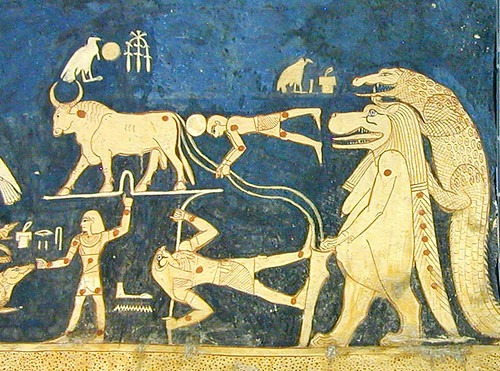
In the context of Egyptian gods of war, such as Montu and Seth, specialized temples and cult practices were established to honor and invoke their power. These deities were often associated with martial prowess, protection in battle, and divine authority over chaos and violence. Cult worship included elaborate rituals, processions, and offerings designed to secure favor and strength from these gods, emphasizing their significance in both spiritual and political spheres of ancient Egypt.
Rituals and Festivals
The worship of Egypt’s god of war, often associated with martial strength and protection, was deeply embedded in the religious practices of ancient Egypt. Temples dedicated to this deity served as important centers for cult activities, where worshippers performed rituals to honor and seek favor from the god. These rituals often involved offerings, prayers, and symbolic acts designed to invoke divine power and ensure martial success. Festivals celebrating the god of war were grand events, featuring processions, music, dance, and ceremonies that emphasized strength, valor, and divine protection. These occasions reinforced the god’s significance in both the spiritual and societal realms, uniting communities in their devotion and hope for victory in conflicts and personal safety.
Influence on Egyptian Culture and Society
In Egyptian culture and society, deities played a central role in shaping beliefs, traditions, and daily life. Among these gods, the influence of a war god reflects the importance of strength, protection, and martial prowess within ancient Egyptian civilization. Exploring the god of war offers insight into how warfare, power, and divine authority intertwined to influence societal values and the collective identity of the Egyptians.
Impact on Warfare and Leadership
Anubis, often regarded as the Egyptian god associated with war and protection, has profoundly influenced Egyptian culture and society through his symbolism and mythological significance. As a deity representing strength, vigilance, and strategic prowess, Anubis contributed to shaping societal values related to bravery, loyalty, and militaristic discipline. His role in myth reinforced the importance of spiritual protection in both warfare and daily life, fostering a culture that revered not only physical might but also divine support.
The impact of Anubis on warfare and leadership in ancient Egypt was substantial. He was seen as a guardian of soldiers and warriors, guiding and protecting them in battle and during journeys to the afterlife. This divine association elevated the status of military leaders, who often incorporated Anubis’s imagery into their standards and insignias to invoke divine favor. The god’s influence also extended to funeral rites for warriors, emphasizing the importance of divine approval for victory and the afterlife success of fallen soldiers.
- Symbolized strategic planning and protection in warfare
- Provided divine legitimacy and morale for soldiers and leaders
- Informed military rituals and rituals for safeguarding warriors
- Inspired leadership ideals emphasizing loyalty and divine support
- Contributed to the spiritual significance of warfare as a sacred duty
Symbolism in Egyptian Art and Literature
The influence of the Egyptian god of war, often identified with gods like Montu or Osiris in various contexts, has significantly shaped Egyptian culture and society. These deities embodied the values of strength, protection, and divine authority, which were reflected in both religious practices and societal structure. The worship of such gods reinforced the importance of martial prowess and divine legitimacy, influencing the way rulers presented their authority and military campaigns.
In Egyptian art and literature, the symbolism associated with the god of war played a crucial role in conveying messages of power and divine favor. Artworks depicting the god often feature dynamic poses, weapons, and symbolic motifs that emphasize martial strength and divine protection. Literature, including hymns and funerary texts, frequently references the protective and fierce qualities of war deities to invoke their favor and ensure societal stability.
- Symbols such as the lotus flower, which represented rebirth and the sun’s power, were associated with war gods, emphasizing their role in renewal and protection.
- Animals like falcons and lions, often linked to these deities, symbolized vigilance, strength, and kingship.
- Weapons such as spears and shields depicted in carvings and paintings highlighted the martial aspect of the gods and their role in defending the realm.
Overall, the veneration of the Egyptian god of war deeply influenced the cultural identity, artistic expressions, and societal values of ancient Egypt, underscoring the intrinsic link between divine power and political authority.
Historical Evolution and Worship Decline
The historical evolution of ancient Egyptian religion reveals a rich tapestry of deities and evolving spiritual beliefs, with the worship of gods like the Egyptian god of war reflecting societal values and conflicts of different eras. Over time, shifts in political power, cultural influences, and changing religious practices contributed to a gradual decline in traditional worship, leading to diminished prominence of many deities. Understanding this decline offers insight into the changing spiritual landscape of Egypt and the enduring legacy of its mythological figures.
Changes Over Different Dynasties
The worship of the Egyptian god of war, commonly identified as Anhur or his other manifestations, experienced significant changes throughout Egypt’s dynastic history. From the earliest periods, martial deities were venerated primarily for their protective qualities and association with royal power. Over time, the prominence of these gods fluctuated, influenced by political stability, religious reforms, and cultural shifts.
During the Old Kingdom, the worship of war gods was relatively modest, with a focus on ensuring the king’s divine protection. However, in the Middle Kingdom, the role of martial deities, particularly Anhur, grew in importance as military campaigns expanded and Egypt sought to secure its borders. Temples dedicated to these gods were constructed, reflecting their elevated status. The New Kingdom marked the peak of veneration for war gods, with elaborate rituals and increased prominence in royal iconography, emphasizing their role in imperial expansion and conquest.
In subsequent periods, especially during the Late and Ptolemaic eras, the worship of war gods experienced a decline in popularity, often overshadowed by other religious figures and syncretic deities. The focus shifted towards gods associated with fertility, the afterlife, or cosmic order. Consequently, temples dedicated specifically to war gods like Anhur diminished, and their influence waned within the broader religious landscape.
- Early Dynastic Period: Limited emphasis on martial deities, focus on divine protection for kings.
- Old Kingdom: Continued modest veneration, with some temples for war gods but not central.
- Middle Kingdom: Increased popularity of martial gods as military activity intensified.
- New Kingdom: Heightened worship, extensive temple constructions, and integration into royal ideology.
- Late Period onward: Decline in prominence, overshadowed by other deities and religious shifts.
Transition and Syncretism with Other Deities
The ancient Egyptian god of war, originally prominent in early Egyptian mythology, experienced significant shifts over time that reflected changes in religious practices and societal values. Historically, gods like Montu and Ares (in Greek interactions) exemplified the evolving nature of warfare deities, adapting to the political and military needs of the culture. As Egypt’s empire expanded and contracted, the prominence of war gods fluctuated, often aligning with periods of conflict or stability.
The decline of worship for specific war deities occurred as new religious beliefs emerged and the Egyptian pantheon integrated with other traditions. Over time, traditional gods were assimilated into a broader religious framework or diminished in influence. This decline was also influenced by the shift from polytheism to later religious transformations, such as during the Greco-Roman period, when Greek and Roman gods became more prominent.
Transition and syncretism played a crucial role in the evolution of Egyptian war deities. Deities like Montu, often associated with the sun and war, were combined with other gods such as Ra or Horus to create composite deities that embodied multiple aspects of divine authority. This blending helped maintain the relevance of war gods within the broader religious landscape, ensuring their continued worship even as specific cults waned. Such syncretism reflects the dynamic and adaptable nature of Egyptian religion, allowing war gods to survive through reinterpretation and association with other divine figures.



0 Comments