
Historical Significance of Moroccan Kaftans
Moroccan kaftans hold a rich historical significance as symbols of cultural heritage, craftsmanship, and elegance. Traditionally worn by nobility and royalty, these garments reflect centuries of Moroccan artistry and social status. Over time, the kaftan has become an emblem of national identity, blending intricate embroidery, luxurious fabrics, and timeless design that continue to captivate fashion enthusiasts worldwide.
Origins and Cultural Roots
The Moroccan kaftan holds a rich historical significance that reflects the country’s diverse cultural heritage and artistic traditions. Traditionally worn by both men and women, especially during special occasions and ceremonies, the kaftan symbolizes elegance, status, and cultural identity in Morocco. Its intricate embroidery, vibrant colors, and luxurious fabrics showcase the craftsmanship of Moroccan artisans and have been passed down through generations.
The origins of the Moroccan kaftan trace back to ancient Persia, where similar tunics were worn by Middle Eastern aristocracy. Over time, these garments evolved as they were adopted and adapted by North African cultures, particularly in Morocco. The influence of Arab, Berber, and Andalusian cultures has shaped the design, ornamentation, and significance of the kaftan, making it a unique reflection of Morocco’s cultural mosaic.
Culturally, the kaftan serves as more than just clothing; it functions as a symbol of identity, social status, and cultural pride. Its elaborate embellishments are often custom-made for significant life events such as weddings, religious festivals, and royal ceremonies. Today, the Moroccan kaftan continues to be a celebrated attire that preserves traditional craftsmanship while embracing contemporary fashion trends, reinforcing its role as a vital expression of Moroccan cultural roots.
Evolution Through the Centuries
Moroccan kaftans are a symbol of rich cultural heritage and have played a significant role in the history of Morocco. Their intricate designs and luxurious fabrics reflect the diverse influences of different civilizations that have traded and interacted with Morocco over centuries. These garments are not only traditional attire but also embody social status, regional identity, and artistic craftsmanship.
- During the Almoravid and Almohad dynasties, the kaftan evolved as a symbol of aristocracy and was often adorned with elaborate embroidery and gold embellishments.
- The influence of Arab, Berber, and Andalusian cultures contributed to the diverse styles and embellishments seen in Moroccan kaftans through the ages.
- In the 19th and early 20th centuries, the kaftan became more elaborate, featuring intricate beadwork, sequins, and luxurious fabrics as a reflection of social status during Moroccan sultanate times.
- Today, Moroccan kaftans have evolved from traditional ceremonial garments to modern fashion statements while still honoring their historical roots through embroidery and design elements.
- The global recognition of Moroccan craftsmanship has cemented the kaftan’s place as a cultural icon, inspiring contemporary designers worldwide.
Symbolism and Status
Moroccan kaftans hold deep historical significance as symbols of cultural identity, craftsmanship, and social status within Moroccan society. These garments, traditionally handcrafted with intricate embroidery and luxurious fabrics, reflect centuries of artistic tradition and regional influences. They have been worn during important events such as weddings, religious festivals, and celebrations, serving as a visual representation of Moroccan heritage.
Symbolism embedded in Moroccan kaftans often relates to their elaborate designs, colors, and adornments. For instance, gold embroidery may signify wealth and prosperity, while specific patterns can denote regional origins or social class. The complexity and quality of a kaftan often indicated the wearer’s social standing, with elaborate, richly decorated pieces reserved for high-ranking individuals or special occasions. As both art and attire, Moroccan kaftans embody a rich legacy of cultural expression, reflecting societal values, artistic excellence, and historical continuity.
Design and Embroidery Techniques
Design and embroidery techniques play a vital role in creating the intricate and vibrant patterns that define traditional Moroccan kaftans. These garments showcase a rich blend of cultural heritage and artistic craftsmanship, with each piece reflecting unique methods of embellishment. Exploring the various embroidery styles and design elements used in Moroccan kaftans reveals the skill and creativity behind these stunning garments.
Traditional Fabric Selection
The design and embroidery techniques used in Moroccan kaftans are renowned for their intricate artistry and cultural significance. Skilled artisans often employ a variety of embroidery styles such as chain stitch, satin stitch, and beading to create detailed patterns that reflect Morocco’s rich heritage. These techniques are applied to enhance the aesthetic appeal and to symbolize social status, regional identity, or special occasions. Traditional motifs often include geometric shapes, floral patterns, and symbolic symbols that carry historical meanings and storytelling elements.
When selecting fabrics for Moroccan kaftans, designers prefer luxurious and vibrant materials that embody the essence of Moroccan tradition. Silks, velvets, brocades, and fine cottons are commonly chosen for their durability and ability to showcase embroidery details vividly. The fabric selection not only influences the overall look and feel of the garment but also ensures comfort and elegance. Rich, colorful textiles are often adorned with gold or silver threadwork, further emphasizing the opulence associated with Moroccan garment craftsmanship. These fabric choices play a crucial role in maintaining the authenticity and beauty of traditional Moroccan kaftans.
Common Embroidery Patterns
Design and embroidery techniques play a significant role in enhancing the beauty of Moroccan kaftans, showcasing intricate craftsmanship and rich cultural heritage. Traditional methods such as hand embroidery, appliqué, and mirror work are commonly employed to create stunning patterns and textures. These techniques often involve meticulous stitchwork, including chain stitch, satin stitch, and cross-stitch, which add depth and detail to the fabric. Embellishments with beads, sequins, and metallic threads further elevate the design, making each kaftan a unique piece of art. The craftsmanship reflects Morocco’s history of blending Berber, Arab, and Andalusian influences to produce luxurious and culturally meaningful garments.
Common embroidery patterns on Moroccan kaftans include geometric motifs, floral designs, and symbolic symbols that carry cultural significance. These patterns often draw inspiration from traditional Moroccan tilework and architectural elements, such as star shapes and interlocking designs. Floral patterns featuring stylized roses, lotus, and jasmine are also popular, adding elegance and femininity. Additionally, motifs inspired by tribal art and calligraphy are frequently incorporated to convey cultural stories and values. The combination of these patterns with vibrant colors and rich textures results in kaftans that are both visually striking and deeply rooted in Moroccan heritage.
Use of Colors and Metal Accents
Kaftans from Morocco are celebrated for their intricate design and craftsmanship, blending traditional embroidery techniques with vibrant colors and luxurious metal accents. The embroidery often features detailed patterns inspired by Moroccan culture, including geometric shapes, floral motifs, and calligraphy, crafted using techniques such as hand-stitched satin stitches, chain stitches, and appliqué work. Use of colors in Moroccan kaftans is both bold and harmonious, with rich jewel tones like emerald green, royal blue, ruby red, and gold, creating a striking visual impact. Metal accents, including gold and silver thread, sequins, beads, and metallic thread embroidery, are skillfully incorporated to add a touch of opulence and elegance. These elements not only enhance the aesthetic appeal but also reflect the region’s rich history of luxurious textile art, making each kaftan a unique piece of cultural artistry combining elaborate craftsmanship with the vibrant palette of Moroccan tradition.
Types of Moroccan Kaftans
Moroccan kaftans are exquisite garments that showcase the rich cultural heritage and intricate craftsmanship of Morocco. These traditional dresses vary greatly in style, fabric, and embellishment, reflecting regional influences and contemporary fashion trends. From elegant evening wear to everyday attire, Moroccan kaftans embody a perfect blend of tradition, artistry, and modern elegance.
Wedding Kaftans (Marnoucha)
Moroccan kaftans are renowned for their elegance and rich tradition, with various styles suited for different occasions. Among these, wedding kaftans, also known as Marnoucha, are especially exquisite and elaborate, symbolizing celebration and opulence. Traditional Moroccan kaftans come in a variety of types, often distinguished by their fabric, embroidery, and design details, reflecting the region’s diverse craftsmanship.
Wedding Kaftans (Marnoucha) are the most luxurious and ornate varieties, crafted with fine fabrics such as silk, satin, or velvet. They are heavily embellished with intricate embroidery, beadwork, sequins, and metallic threads, all designed to showcase Moroccan artistry. These kaftans typically feature long, flowing sleeves, a fitted bodice, and a wide skirt, often accompanied by elaborate belts or sashes.
In addition to the wedding-specific Marnoucha, Morocco offers a range of other kaftan styles suitable for daily wear or festive occasions. These include casual kaftans made from light fabrics like cotton or chiffon, often decorated with simpler embroidery or prints. There are also modern adaptations that blend traditional elements with contemporary fashion, appealing to younger generations while maintaining cultural heritage.
Everyday and Casual Models
Moroccan kaftans are renowned for their rich history and diverse styles, particularly in everyday and casual models. These kaftans are crafted to combine comfort with elegance, making them suitable for daily wear as well as informal gatherings. Typically made from lighter fabrics such as cotton, silk, or chiffon, these casual kaftans feature simple yet stylish designs that reflect Moroccan culture and craftsmanship.
Everyday Moroccan kaftans often showcase vibrant colors, intricate embroideries, and straightforward cuts that ensure ease of movement and comfort. They may feature minimal embellishments or subtle decorative elements, making them perfect for casual outings, family gatherings, or informal events. The designs usually include loose fits, long sleeves, and flowing silhouettes that adapt easily to daily routines.
Casual models of Moroccan kaftans also emphasize practicality and style, often incorporating modern twists like asymmetrical patterns or contemporary accessories. They are versatile enough to be worn with simple slippers or barefoot and can be accessorized with jewelry or scarves to add a personal touch. These models highlight the blend of traditional Moroccan aesthetics with modern comfort, making them popular choices for everyday wear.
Festive and Special Occasion Designs
Moroccan kaftans are renowned for their elegance and intricate craftsmanship, making them a popular choice for festive and special occasions. These garments come in various styles that reflect Morocco’s rich cultural heritage and diverse regional influences. Whether for weddings, festivals, or formal gatherings, Moroccan kaftans offer a stunning array of designs tailored for celebration and grandeur.
Types of Moroccan Kaftans
- Traditional Moroccan Kaftans: These feature elaborate embroidery, metallic threadwork, and vibrant colors, often made from luxurious fabrics like silk and satin.
- Contemporary and Fusion Designs: Modern takes on the classic kaftan combine traditional patterns with sleek cuts, lighter fabrics, and minimalist embellishments, suitable for both formal and casual events.
- Wedding Kaftans: Highly ornate with extensive embroidery, beading, and jewel accents, specifically designed for bridal wear or guests attending wedding celebrations.
- Festive Kaftans: Brightly colored and decorated with sequins, beads, and intricate lace, these are ideal for Ramadan, Eid, or other cultural festivities.
- Regional Variations: Different regions in Morocco have distinct styles; for example, the Sahara-inspired kaftans are known for their flowing silhouettes and desert hues, while northern styles often incorporate more intricate embroidery.
Festive and Special Occasion Designs
For special events, Moroccan kaftans are crafted to impress, featuring rich embroidery, detailed beadwork, and luxurious fabrics such as brocade and velvet. These designs often include elaborate decorations like gold or silver appliqué, sequins, and lace overlays. The color palette is vibrant, ranging from deep jewel tones to shimmering metallic shades, all aimed at celebrating the joyous spirit of the occasion with opulence and elegance.
Modern Trends and Adaptations
Modern trends and adaptations in the language of English continue to shape how we communicate in an increasingly globalized world. As cultural exchanges become more frequent, English evolves through the incorporation of new vocabulary, slang, and idiomatic expressions influenced by diverse traditions and styles. This linguistic flexibility mirrors the dynamic nature of fashion, such as the evolution of the kaftan in Morocco, blending traditional elegance with contemporary influences to create a versatile and stylish garment.
Fusion with Contemporary Fashion
Modern trends and adaptations in Moroccan kaftans have transformed traditional attire into a versatile fashion statement that resonates with contemporary aesthetics. Designers are blending classic embroidery and luxurious fabrics with minimalist cuts and innovative silhouettes, making the kaftan suitable for both formal events and casual wear. Fusion with contemporary fashion has also introduced new textures, color palettes, and accessories, allowing wearers to personalize their look while honoring cultural roots. This seamless integration of tradition and modernity has elevated the Moroccan kaftan from a ceremonial garment to a global fashion icon, showcasing its adaptability and timeless appeal.
Influence of International Fashion Trends
Modern trends and adaptations in Moroccan kaftans reflect a dynamic blend of tradition and contemporary fashion. While maintaining their rich cultural significance, kaftans have evolved to incorporate new fabrics, cuts, and embellishments that appeal to a global audience. This fusion creates a versatile aesthetic that respects heritage while embracing innovation, making Moroccan kaftans popular not only locally but also internationally.
The influence of international fashion trends has significantly shaped how Moroccan designers reinterpret the kaftan. Elements such as minimalist designs, pastel palettes, and modern accessories are now integrated into traditional styles, resulting in unique fusion pieces. This global inspiration has also led to the use of sustainable materials and contemporary craftsmanship techniques, elevating the kaftan’s status as a high-fashion garment.
- Incorporation of global fabrics and textures, such as silk and chiffon, for a luxurious feel.
- Adoption of modern cuts and silhouettes, including off-shoulder and asymmetrical designs.
- Use of international embellishments like sequins, beads, and embroidery trends.
- Blending traditional Moroccan motifs with contemporary color palettes and styles.
- Adapting the kaftan for various occasions, from casual wear to haute couture fashion shows.
Customization and Personalization
Modern trends and adaptations in kaftan Morocco emphasize the seamless blend of traditional craftsmanship with contemporary styles, allowing for greater customization and personalization. Designers are incorporating innovative fabrics, bold patterns, and unique embellishments to cater to diverse tastes while respecting cultural heritage. Customization options such as personalized embroidery, color choices, and accessory pairings enable individuals to express their unique identity through their attire. This evolving approach ensures that the timeless elegance of Moroccan kaftans remains relevant and appealing to a global audience, celebrating both tradition and modernity in every piece.
Materials and Craftsmanship
Materials and craftsmanship are essential elements that define the beauty and authenticity of Moroccan kaftans. These exquisite garments showcase the rich cultural heritage of Morocco, combining high-quality fabrics with skilled artisanal techniques. From intricate embroidery to luxurious textiles, every detail reflects a deep tradition of craftsmanship that has been passed down through generations. The mastery involved in creating a kaftan ensures that each piece is unique, embodying both artistic expression and cultural significance.
Traditional Handwoven Fabrics
Traditional handwoven fabrics are at the heart of Moroccan craftsmanship, especially in the creation of kaftans. These textiles are crafted with great skill and attention to detail, often passed down through generations of artisans. The process involves the use of natural fibers such as silk, cotton, wool, and sometimes metallic threads, which are meticulously woven to produce intricate patterns and vibrant colors. Each piece reflects cultural symbolism and regional influences, showcasing the rich heritage of Moroccan textile artistry.
The craftsmanship involved in making a Moroccan kaftan is a testament to the artisans’ dedication and expertise. Handweaving techniques vary by region, with some employing traditional loom methods that require patience and precision. Decorative elements like embroidery, appliqué, and beading further enhance the fabric’s beauty, often representing specific social or ceremonial significance. The result is a luxurious fabric that not only embodies artistic expression but also ensures durability and a unique tactile experience.
Overall, the materials and craftsmanship behind Moroccan kaftans highlight an enduring tradition of artisanal excellence. These fabrics are more than mere clothing; they are cultural artifacts that celebrate Morocco’s rich history of textile art, showcasing timeless techniques and vibrant designs that continue to influence contemporary fashion.
Embellishments and Accessories
Kaftans from Morocco are renowned for their exquisite materials and exceptional craftsmanship, reflecting centuries of cultural tradition and artistic mastery. Typically crafted from luxurious fabrics such as silk, satin, and fine cotton, these garments often feature intricate embroidery and elaborate embellishments that highlight the skill of Moroccan artisans. Embellishments often include gold and silver thread embroidery, sequins, beads, and mirror work, which add a touch of opulence and shimmer to each piece.
In terms of accessories, Moroccan kaftans are frequently complemented with ornate belts, brooches, and headpieces that further enhance their regal appearance. Jewelry such as statement earrings, layered necklaces, and delicate bangles often accompany the attire, emphasizing the opulence and detailed craftsmanship. The combination of high-quality materials, meticulous sewing, and decorative accessories creates a luxurious and culturally rich ensemble that embodies Moroccan elegance and heritage.
Artisans and Local Workshops
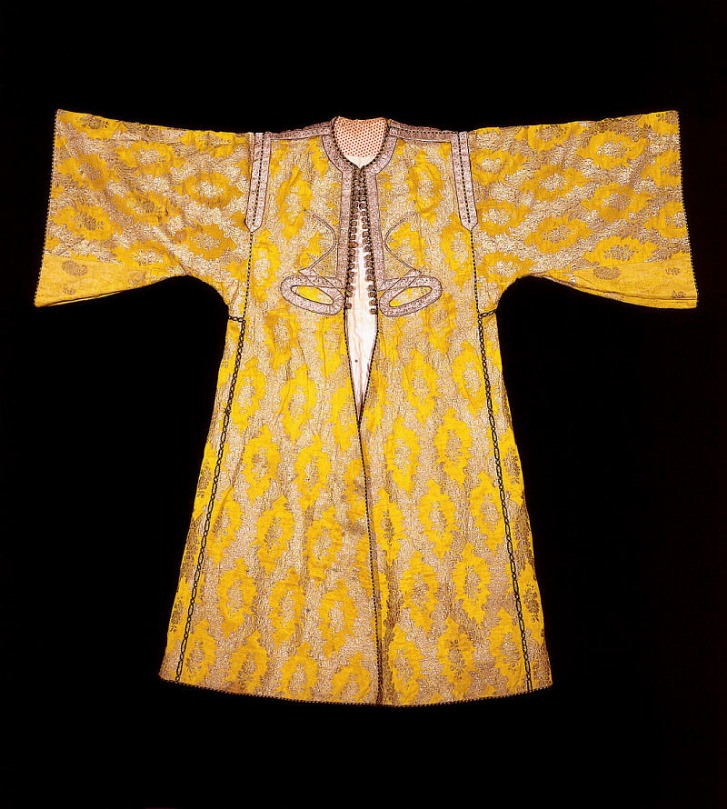
Kaftans from Morocco are renowned not only for their elegant design but also for the exceptional materials and craftsmanship involved in their creation. High-quality fabrics such as silk, brocade, and fine cotton are carefully selected to ensure comfort and durability, often adorned with intricate embroidery and embellishments. These textiles are sourced both locally and internationally, reflecting a blend of traditional Moroccan styles and modern influences.
The artisans who craft Moroccan kaftans are highly skilled and often work within family workshops passed down through generations. These artisans utilize centuries-old techniques, such as hand embroidery, appliqué, and beadwork, to add detailed and vibrant decorative elements. Their meticulous craftsmanship is evident in every stitch and motif, which contributes to the uniquely luxurious and authentic feel of each piece.
Many Moroccan kaftans are produced in small, local workshops that emphasize artisanal quality over mass production. These workshops foster a sense of community and cultural preservation, supporting local economies and sustaining traditional crafts. The collaboration between designers and artisans often results in one-of-a-kind garments that reflect Morocco’s rich heritage, making each kaftan a piece of wearable art rooted in centuries-old craftsmanship.
Where to Buy Authentic Moroccan Kaftans
Discovering where to buy authentic Moroccan kaftans is essential for those seeking genuine craftsmanship and vibrant cultural style. These beautifully crafted garments represent Morocco’s rich textile traditions and are perfect for special occasions or stylish everyday wear. Whether shopping locally or online, finding reputable sources ensures you receive high-quality, traditional pieces that reflect Moroccan heritage and craftsmanship.
Tourist Markets and Souks
Discovering authentic Moroccan kaftans can be an exciting experience, especially when exploring the vibrant markets and souks throughout Morocco. These traditional garments are often handcrafted with intricate embroidery and luxurious fabrics, making them a perfect keepsake or stylish addition to your wardrobe. To find genuine Moroccan kaftans, it’s best to visit renowned tourist markets and souks where skilled artisans sell their high-quality pieces directly.
Popular places to purchase authentic Moroccan kaftans include the Marrakech Souk, also known as Jemaa el-Fnaa market, where numerous vendors offer a wide selection of beautifully crafted garments. The Fez Medina is another excellent destination, famous for its traditional craftsmanship and authentic textiles. In addition, the Souk el Had in Casablanca provides a variety of Moroccan clothing, including traditional kaftans, often at reasonable prices.
For a more curated shopping experience, consider visiting boutiques and artisanal shops that specialize in handcrafted Moroccan clothing. These places often ensure authenticity and high-quality craftsmanship, making them ideal for those seeking genuine products. Remember to haggle politely, as bargaining is a customary practice in Moroccan markets, and you’ll often find better deals on beautiful, authentic kaftans.
High-End Boutiques and Designers
For those seeking authentic Moroccan kaftans, exploring high-end boutiques and renowned designers is the best way to find exquisite, high-quality pieces. These outlets offer a curated selection of handcrafted kaftans that showcase traditional Moroccan craftsmanship alongside contemporary styles.
In cities like Marrakech and Casablanca, luxury boutiques such as La Porte de Marrakech and Yves Saint Laurent Museum Boutique feature authentic Moroccan kaftans crafted by skilled artisans. These stores often carry collections from celebrated Moroccan designers who specialize in blending tradition with modern elegance.
International fashion houses and designers inspired by Moroccan culture also sell luxurious kaftans. Look for labels and designers with Moroccan heritage or collaborations with Moroccan artisans to ensure authenticity and superior craftsmanship.
Online platforms and official websites of Moroccan designers provide a convenient option to purchase authentic kaftans, often offering detailed information about the craftsmanship and cultural significance behind each piece. When buying, always verify the authenticity by checking for genuine craftsmanship, high-quality fabrics, and the reputation of the boutique or designer.
Online Platforms and Exports
For those seeking authentic Moroccan kaftans, several online platforms offer a wide selection of high-quality, handcrafted garments. Reputable websites specializing in Moroccan attire often feature collections from skilled artisans across Morocco, ensuring genuine craftsmanship and authentic designs. Popular online retailers include Moroccan-based boutique stores and international marketplaces that focus on traditional Moroccan fashion. Additionally, many Moroccan exporters and wholesalers provide direct purchasing options for wholesale orders, making it easier for retailers or enthusiasts to access authentic kaftans. Always verify the authenticity by checking reviews, seller credentials, and product descriptions to ensure you’re acquiring genuine Moroccan craftsmanship.
Cultural Significance and Wearing Occasions
The kaftan holds a profound cultural significance in Moroccan tradition, symbolizing elegance, identity, and heritage. This versatile garment is not only worn during special occasions but also serves as a reflection of Morocco’s rich history and diverse cultural influences. Understanding the occasions when kaftans are worn provides insight into their importance within Moroccan society and the artistry behind their intricate designs.
Weddings and Religious Festivals
The kaftan Morocco holds a profound cultural significance, symbolizing tradition, elegance, and social status. It is traditionally worn during important occasions, serving as a representation of Moroccan heritage and craftsmanship. The intricate embroidery and luxurious fabrics reflect the artistry passed down through generations, making the kaftan a cherished cultural artifact. Its versatility allows it to be suitable for various events, from everyday wear to grand celebrations.
During weddings, the Moroccan kaftan transforms into an exquisite garment that highlights the bride’s beauty and the rich cultural heritage of Morocco. Typically adorned with elaborate gold or silver embroidery, beads, and sequins, the bridal kaftan is a centerpiece of the wedding ceremony, symbolizing prosperity and happiness. Guests also wear beautifully embroidered kaftans, creating a vibrant and elegant atmosphere.
Religious festivals are another occasion where the kaftan is prominently worn. During events such as Eid or Ramadan, individuals wear traditional kaftans to mark the significance of these celebrations. The attire not only reflects respect for cultural customs but also adds to the festive spirit, often featuring brighter colors and intricate details. The kaftan’s role in these festivities underscores its importance as a symbol of Moroccan identity and communal joy.
National Celebrations and Events
The kaftan in Morocco holds profound cultural significance, symbolizing elegance, tradition, and identity. It is a garment that reflects the rich heritage and artistry of Moroccan craftsmanship, often adorned with intricate embroidery and luxurious fabrics. Wearing a Moroccan kaftan is associated with important life events and celebrations, serving as a mark of respect and cultural pride.
Throughout various occasions, the kaftan is chosen to honor tradition and showcase local artisanal skills. It is commonly worn during weddings, where elaborately decorated designs highlight wealth and social status. Additionally, kaftans are popular during religious festivals such as Eid, as well as on national holidays like Independence Day, emphasizing unity and cultural pride.
During national celebrations and cultural events, donning a Moroccan kaftan is a way to showcase national identity and preserve heritage. Whether in traditional settings or modern fashion shows, the kaftan continues to be a symbol of Morocco’s historical legacy and contemporary elegance. Its versatility and timeless beauty make it a cherished garment for special occasions across the country.
Daily Wear and Cultural Heritage
The kaftan holds a profound cultural significance in Morocco, symbolizing the rich heritage and traditions of Moroccan society. It is traditionally worn during special occasions such as weddings, religious festivals, and important family gatherings, showcasing its role in celebratory and ceremonial events. In daily wear, the kaftan can range from simpler, more practical designs to more elaborate versions, allowing it to serve as both a comfortable outfit and a statement of cultural identity. As a cherished element of Morocco’s cultural heritage, the kaftan reflects the craftsmanship, artistry, and historical legacy passed down through generations, maintaining its importance as a symbol of Moroccan elegance and cultural pride.



0 Comments