
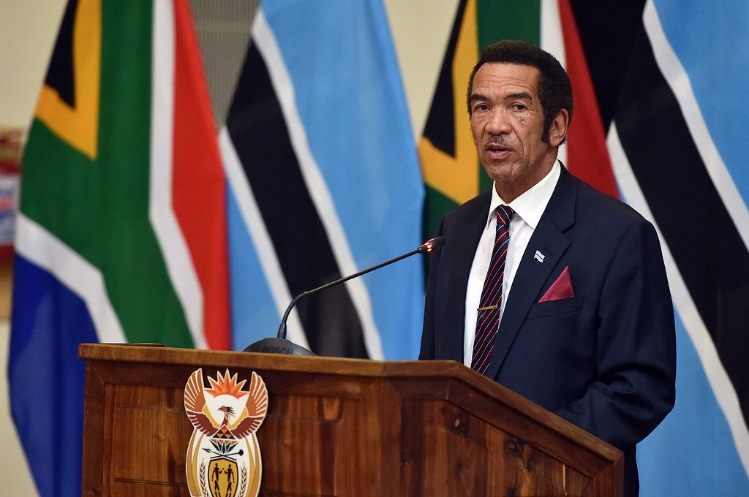
Overview of Botswana Housing Market
The Botswana housing market offers a dynamic landscape characterized by growing urbanization and increasing demand for residential properties. As the country continues to develop economically, the housing sector plays a vital role in supporting both local communities and foreign investments. Understanding the current trends, challenges, and opportunities within the Botswana housing market is essential for buyers, investors, and policymakers alike.
Historical Development
The Botswana housing market has experienced significant development over the years, reflecting the country’s economic growth and urbanization trends. Historically, housing in Botswana was primarily characterized by traditional methods and simple structures, predominantly serving rural populations. With increased urban migration and economic expansion, especially in cities like Gaborone, the housing sector has evolved to include modern residential complexes, affordable housing schemes, and private developments. Government initiatives have played a crucial role in addressing housing shortages, promoting housing finance, and encouraging private sector investment. Over time, the market has seen a shift towards more sustainable and innovative housing solutions to meet the diverse needs of the population, contributing to the overall development of Botswana’s urban landscape.
Current Market Trends
The Botswana housing market is characterized by steady growth driven by urbanization, increased demand for residential properties, and government initiatives to improve housing accessibility. Over recent years, the market has seen a shift towards modern developments and affordable housing options catering to a diverse income spectrum.
Current market trends indicate a rising demand for affordable and mid-tier housing in urban centers such as Gaborone, Francistown, and Selebi-Phikwe. There is also an increasing interest in gated communities and estate developments offering security and amenities. Property prices are gradually appreciating, supported by stable economic conditions and favorable mortgage financing options.
Additionally, technological advancements in property listing and transactions are streamlining the buying process, attracting more local and foreign investors. The Botswana government continues to implement policies aimed at fostering sustainable urban development and addressing housing shortages, which further stimulates market activity.
Factors Influencing the Market
The Botswana housing market is characterized by a mix of urban growth and rural development, influenced by various economic, social, and policy factors. As urbanization continues to rise, demand for residential properties in cities like Gaborone is increasing, driving the need for diversified housing solutions. The market reflects a combination of government initiatives, private sector involvement, and international investments aimed at addressing housing shortages and improving living standards across the country.
- Economic Growth: Botswana’s stable economy, driven by diamond mining and other sectors, boosts disposable income and investment in housing.
- Urbanization: Rapid movement of people from rural to urban areas creates higher demand for affordable and quality housing in cities.
- Government Policies: Initiatives such as the National Housing Policy and affordable housing schemes influence accessibility and development standards.
- Interest Rates and Financing: Availability of mortgage financing and prevailing interest rates impact homeownership levels.
- Population Growth: An increasing population, especially among young adults, fuels the need for more housing options.
- Foreign Investment: International investors contribute to the development of luxury apartments and commercial properties.
- Infrastructure Development: Improvements in transport, utilities, and social amenities enhance property values and market appeal.
Types of Housing in Botswana
Housing in Botswana reflects a diverse array of styles and structures, shaped by cultural traditions, climate, and economic factors. From traditional dwellings to modern urban apartments, the types of housing available offer a glimpse into the country’s evolving lifestyle. Understanding the various housing options provides insight into Botswana’s social fabric and developmental progress.
Urban Housing Options
Botswana offers a variety of urban housing options to accommodate its growing population and diverse needs. The types of housing available in urban areas range from traditional structures to modern apartments and government-subsidized housing schemes.
Urban Housing Options in Botswana
- Detached Houses: Typically stand-alone single-family homes made with durable materials suitable for urban living.
- Townhouses: Multi-story homes that share walls with neighboring units, offering a balance between privacy and affordability.
- Apartment Complexes: Modern multi-unit buildings providing various sizes of units, often with shared amenities.
- Flats and Condominiums: Compact living spaces usually situated in city centers for convenience and accessibility.
- Gated Communities: Secure residential areas with controlled access, often featuring amenities such as parks and shopping facilities.
- Government-Subsidized Housing: Affordable housing initiatives aimed at low-income families to improve living standards.
Rural Housing Styles
In Botswana, rural housing styles are deeply rooted in traditional construction methods and local materials, reflecting the country’s cultural heritage and environmental conditions. Many rural households construct their homes using materials such as mud, thatch, and wood, which are readily available in the region. The most common type of rural dwelling is the rondavel, a circular hut with a conical thatched roof, designed to provide practical shelter while accommodating the climate. These structures are often built with mud walls reinforced with sticks or bricks, offering insulation against heat and rain. Additionally, some rural homes incorporate modern materials and techniques, blending traditional styles with contemporary influences to improve durability and comfort. Overall, rural housing in Botswana emphasizes functionality, cultural expression, and the use of locally sourced, sustainable materials.
Government-Provided Housing
In Botswana, the government provides various types of housing to accommodate the diverse needs of its population. These include urban housing developments, rural housing schemes, and affordable housing projects aimed at low-income families. The government has focused on constructing apartments, houses, and community-based dwellings to promote better living conditions and reduce homelessness. Initiatives such as the National Housing Development Programts aim to offer accessible and sustainable housing options for citizens, especially in urban areas where demand is high. Through these efforts, Botswana seeks to improve the quality of life for its residents and ensure that housing is inclusive and widely available.
Housing Policies and Regulations
Housing policies and regulations play a crucial role in shaping the development and accessibility of affordable and quality housing in Botswana. They aim to promote sustainable urban growth, ensure equitable distribution of resources, and address the diverse needs of the population. Effective housing policies are essential for enhancing living conditions and supporting the country’s overall economic development.
Government Housing Programs
Housing policies and regulations in Botswana aim to improve access to affordable and sustainable housing for all citizens. The government has implemented various programs to address housing shortages, urbanization challenges, and the need for decent living standards. These initiatives are designed to promote equitable growth and ensure that vulnerable populations are provided with suitable housing options.
- The National Housing Policy of Botswana emphasizes the development of affordable housing units, infrastructure, and urban planning that support both rural and urban communities.
- The Botswana Housing Corporation (BHC) plays a central role in implementing government-led housing projects, offering subsidies, and facilitating homeownership schemes.
- Government housing programs include the Commander Shelter Program, which targets low-income families by providing subsidized housing units.
- There are also programs aimed at upgrading informal settlements and improving living conditions through infrastructure development and legal land tenure arrangements.
- Regulatory frameworks govern building standards, land use, and urban development to ensure sustainable and safe housing environments.
- Expand access to affordable housing through private-public partnerships and subsidies.
- Strengthen land tenure and property rights to encourage investment in housing.
- Promote sustainable urban development by integrating environmental considerations into housing projects.
- Enhance infrastructure services such as water, electricity, and sanitation in underserved areas.
- Implement monitoring and evaluation systems to assess the effectiveness of housing policies and programs.
Building Codes and Standards
Housing policies and regulations in Botswana are essential for ensuring the development of safe, sustainable, and affordable housing for its population. These policies aim to address urbanization challenges, improve living standards, and promote equitable access to housing resources across both urban and rural areas. Building codes and standards play a critical role in establishing clear guidelines for construction practices, safety measures, and environmental sustainability, thereby ensuring that structures meet necessary quality criteria. In Botswana, the government collaborates with various stakeholders, including private developers and international organizations, to enforce compliance with building regulations and promote innovations that align with national development goals. Continuous updates to building standards are vital to incorporate modern construction techniques, improve resilience against climate change, and protect residents’ welfare. Overall, a robust regulatory framework supports the advancement of Botswana’s housing sector, fostering community growth and socio-economic development.
Land Ownership Rights
Housing policies and regulations in Botswana are designed to promote access to safe, affordable, and sustainable housing for all citizens. The government has implemented a range of initiatives aimed at improving housing standards, facilitating land allocation, and supporting low-income families. Land ownership rights in Botswana are governed by the Land Act, which provides for both customary and freehold tenure systems. Under customary tenure, land is typically held communally and managed by traditional authorities, while freehold ownership grants individuals full legal rights to land through formal registration processes. These frameworks aim to balance the need for secure land rights with equitable land distribution, fostering social stability and economic development. Additionally, current policies emphasize urban planning, infrastructure development, and the regulation of housing markets to ensure orderly growth and sustainable land use across the country.
Challenges in Botswana Housing Sector
The housing sector in Botswana faces numerous challenges that hinder its ability to provide adequate and affordable accommodation for its growing population. Issues such as limited access to financing, land shortages, and infrastructure deficiencies contribute to the persistent housing backlog. Additionally, economic constraints and rapid urbanization create further pressures on the housing market, making it difficult to meet the diverse needs of residents across the country.
Affordability and Income Levels
The housing sector in Botswana faces significant challenges related to affordability and income levels. Many citizens find it difficult to access decent and affordable housing due to low income levels, which limit their purchasing and rental capabilities. Rapid urbanization has increased demand for housing, putting pressure on available infrastructure and driving up prices, thereby making affordability a major concern. Additionally, limited financing options and high mortgage rates further restrict access to home ownership for the majority of the population. These issues are compounded by economic disparities, with low-income households often unable to benefit from housing development programs aimed at improving living conditions. Addressing these challenges requires comprehensive strategies that boost income levels, promote affordable housing projects, and improve financial access for low to middle-income families in Botswana.
Infrastructure and Utilities
The Botswana housing sector faces several significant challenges that hinder its development and accessibility. One of the primary issues is the rapid population growth, which puts immense pressure on existing infrastructure and housing facilities. This has led to overcrowding in urban areas and a shortage of affordable housing options for low- and middle-income families. Additionally, infrastructure and utility services such as water, electricity, and sanitation are often inadequate or unreliable, especially in rural and peri-urban areas. This situation is compounded by limited financial resources and investment in infrastructure development, which hampers the expansion and maintenance of essential utilities. Furthermore, there are challenges related to urban planning and land management, including issues of land tenure and illegal settlements, which complicate efforts to improve housing infrastructure. Overall, addressing these interconnected challenges is crucial for ensuring sustainable housing development and improved living standards in Botswana.
Urban Growth and Congestion
The housing sector in Botswana faces numerous challenges, primarily driven by rapid urban growth and increasing congestion in urban areas. As cities like Gaborone expand swiftly, the demand for affordable and adequate housing outpaces supply, leading to the proliferation of informal settlements and inadequate living conditions.
Urban growth in Botswana is largely fueled by rural-urban migration, job opportunities, and population increase, which put immense pressure on existing infrastructure and housing resources. This rapid expansion often results in insufficient planning and infrastructure development, contributing to overcrowding and congestion in city centers and peri-urban areas.
Congestion in Botswana’s cities hampers transportation, accessibility, and overall urban functionality, creating difficulties for residents and service providers alike. The limited land availability, high land prices, and bureaucratic hurdles further exacerbate the housing shortage, making it challenging to implement large-scale affordable housing projects.
Addressing these challenges requires integrated urban planning strategies, increased investment in affordable housing, and improved infrastructure development to accommodate the growing population while ensuring sustainable urban growth.
Real Estate Development and Investment
Real estate development and investment play a crucial role in shaping the economic growth and urban landscape of Botswana. As the country continues to urbanize and experience population growth, the demand for quality housing and commercial spaces increases, creating opportunities for investors and developers. Understanding the dynamics of Botswana’s real estate market is essential for fostering sustainable development and addressing the housing needs of its expanding cities.
Major Developers and Projects
Real estate development and investment play a crucial role in shaping the housing landscape in Botswana. The country’s growing population and urbanization trends have spurred significant projects aimed at providing quality and affordable housing options. Major developers are actively involved in transforming the housing sector through innovative and large-scale developments that cater to various income levels.
- Water Utilities Corporation (WUC) – Focuses on developing integrated residential communities with essential infrastructure and services.
- Prime Development Botswana – Known for large residential projects in Gaborone and surrounding areas, offering commercial and mixed-use spaces.
- Concrete Development Consortium (CDC) – Specializes in affordable housing projects aimed at middle and low-income families.
- BDP (Botswana Development Projects) – Initiatives include sustainable housing developments with modern amenities.
- Major Projects:
- The Sir Seretse Khama International Airport Housing Expansion – Large-scale housing near the airport to accommodate transient and permanent residents.
- Gaborone North Housing Scheme – A government-led project providing affordable housing units for urban populations.
- Molepolole Housing Development – A focus on expanding housing options in rural and semi-urban areas to promote regional development.
- Kasane Housing Initiative – Developing sustainable housing solutions to support tourism-driven economic growth in the Chobe region.
Foreign Investment Trends
Real estate development and investment in Botswana have experienced significant growth driven by increasing foreign interest and government initiatives to enhance housing infrastructure. The country’s strategic location and stable political environment make it an attractive destination for foreign investors seeking opportunities in residential and commercial property markets. Recent trends indicate a surge in foreign direct investment, particularly from neighboring countries and international development agencies, aimed at addressing housing shortages and urban expansion.
Foreign investment trends in Botswana’s housing sector reflect a commitment to improving urban living standards and promoting sustainable development. Investors are focusing on affordable housing projects, utilizing innovative building technologies to reduce costs and increase efficiency. The government’s favorable policies, including tax incentives and streamlined approval processes, further encourage foreign participation. As a result, Botswana is emerging as a key destination for real estate investments within the region, with ongoing projects poised to transform the housing landscape for residents and expatriates alike.
Future Development Opportunities
Real estate development and investment in Botswana present promising future opportunities, particularly in the housing sector. As the country experiences steady economic growth and urbanization, demand for affordable and quality housing continues to rise. Developers are increasingly exploring innovative construction methods and sustainable building practices to meet this demand while minimizing environmental impact. Additionally, government initiatives aimed at improving infrastructure and providing incentives for private investment foster a conducive environment for housing projects. Future development opportunities include the expansion of gated communities, affordable housing schemes, and mixed-use developments that integrate residential, commercial, and recreational amenities. These developments are set to transform Botswana’s urban landscape, attracting both local and international investors seeking to capitalize on the country’s growing housing market.
Housing Finance and Mortgage Market
The housing finance and mortgage market in Botswana play a crucial role in supporting the nation’s economic development and providing affordable housing solutions for its residents. As the country continues to urbanize and grow, access to reliable mortgage products and innovative financing options becomes increasingly important. Understanding the dynamics of this market helps stakeholders, including homebuyers, financial institutions, and policymakers, to navigate the challenges and opportunities within Botswana’s housing sector.
Availability of Mortgages
In Botswana’s housing finance and mortgage market, access to mortgage loans has been gradually improving, driven by increased demand for housing and efforts to promote financial inclusion. Financial institutions are expanding their mortgage offerings, making it easier for individuals to purchase homes. The availability of mortgages has been supported by government initiatives aimed at encouraging homeownership and stabilizing the housing sector. Despite these developments, some challenges remain, such as stringent lending criteria and limited access to credit in rural areas. Overall, the mortgage market in Botswana is evolving to better serve the needs of its growing population, fostering a more accessible housing market for residents across the country.
Interest Rates and Loan Terms
In Botswana, the housing finance and mortgage market play a crucial role in providing affordable homeownership opportunities for citizens. The government and financial institutions have introduced various loan programs designed to support residential development and assist low- to middle-income earners. Interest rates in Botswana’s mortgage market tend to fluctuate based on the prevailing economic conditions, inflation rates, and monetary policy decisions by the Bank of Botswana. Typically, loan terms for housing loans range from 15 to 25 years, allowing borrowers to spread out repayments and reduce monthly financial burdens. The availability of competitive interest rates and flexible repayment options are essential factors influencing the attractiveness of mortgage products in Botswana, ultimately contributing to the country’s efforts to improve housing affordability and stimulate economic growth.
Challenges for Homebuyers
The housing finance and mortgage market in Botswana plays a crucial role in shaping the accessibility of homeownership for its citizens. Despite ongoing efforts to improve housing opportunities, many homebuyers face significant challenges when trying to secure financing. Limited access to affordable mortgage products, stringent lending criteria, and high interest rates often hinder potential homeowners from achieving their goals. Additionally, the scarcity of long-term financing options and the rising costs of construction materials further complicate the situation. These factors collectively create barriers that prevent many Botswana residents from entering the housing market, highlighting the need for policy reforms and innovative financial solutions to address these ongoing challenges.
Community and Lifestyle Aspects
Community and lifestyle aspects play a vital role in shaping the housing experience in Botswana. These elements influence how residents interact with their surroundings, foster social connections, and enhance overall quality of life. Understanding the local community dynamics and lifestyle preferences is essential for creating housing solutions that are both functional and culturally relevant, contributing to a thriving and harmonious living environment in Botswana.
Neighborhoods and Amenities
Community and lifestyle aspects are vital considerations when exploring housing options in Botswana. The country boasts vibrant and diverse communities, offering a range of social activities and cultural experiences that foster a strong sense of belonging. Neighborhoods vary from bustling urban areas with modern amenities to peaceful rural settings, each providing unique living environments suited to different lifestyles.
Many neighborhoods in Botswana are equipped with essential amenities such as schools, healthcare facilities, shopping centers, and recreational parks, enhancing the convenience and quality of life for residents. Urban centers like Gaborone are known for their well-developed infrastructure and modern living spaces, while rural communities offer a more relaxed lifestyle surrounded by nature. Overall, Botswana’s housing options are complemented by a rich community environment and lifestyle amenities that cater to both individual and family needs.
Cultural and Social Influences
Community and lifestyle aspects in Botswana significantly shape the housing landscape, reflecting the country’s rich cultural traditions and social interactions. Traditional houses such as the rondavel exemplify communal living and cultural heritage, fostering close-knit relationships among residents. Modern urban areas incorporate contemporary designs, yet retain communal spaces that promote social gatherings and shared experiences. The societal values of hospitality and collectivism influence the design and utilization of housing, emphasizing spaces that facilitate community engagement.
Cultural and social influences in Botswana deeply impact housing preferences and development. The importance of family and community is evident in the emphasis on larger, multi-generational homes that accommodate extended relatives. Festivals, rituals, and social norms often dictate the layout and usage of living spaces. Additionally, traditional crafts and materials, like thatch and mud, are incorporated into housing to preserve cultural identity and promote sustainability. These influences ensure that housing in Botswana not only serves functional needs but also aligns with the country’s cultural identity and social fabric.
Quality of Life Factors
Community and lifestyle aspects play a significant role in the overall appeal of housing in Botswana. Strong community networks foster a sense of belonging and support, enhancing residents’ social well-being. Access to cultural activities, markets, and social gatherings contributes to a vibrant lifestyle that many seek in their neighborhoods. Additionally, safety and security are core components of community life, influencing people’s comfort and confidence in their environment.
Quality of life factors in Botswana housing are closely tied to infrastructure and amenities. Reliable access to clean water, electricity, healthcare, and educational facilities greatly impacts residents’ daily experiences. Natural surroundings and outdoor recreational opportunities, such as parks and nature reserves, add to the attractiveness of living in Botswana. Overall, a combination of community cohesion and high-quality amenities elevates the standard of living for residents, making Botswana a desirable place to live.




0 Comments