
Overview of Prison Island Tanzania
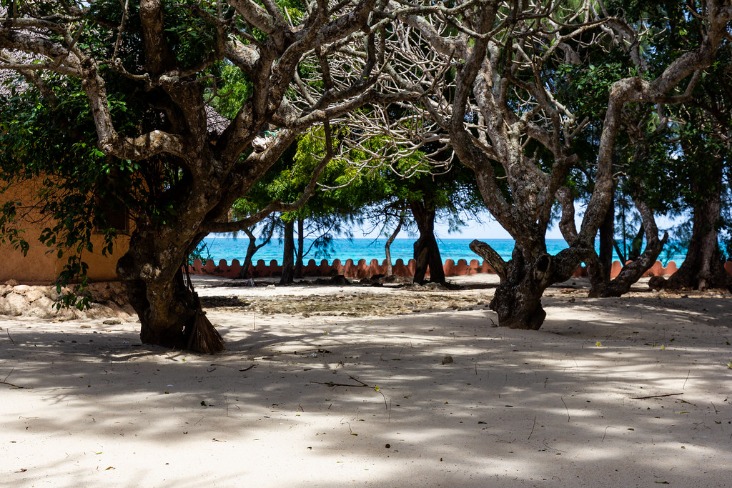
Prison Island, also known as Changuu Island, is a fascinating historical and tourist destination located off the coast of Zanzibar, Tanzania. Renowned for its intriguing past as a former prison and quarantine station, it offers visitors a unique glimpse into the island’s rich heritage. Today, Prison Island is popular for its stunning beaches, giant tortoises, and vibrant marine life, making it a must-visit spot for travelers seeking both history and natural beauty.
Location and Accessibility
Prison Island, also known as Changuu Island, is a small island located off the coast of Zanzibar in Tanzania. It is renowned for its historical significance and natural beauty, attracting many visitors each year. The island originally served as a quarantine station for the archipelago and later became a penitentiary, hence the name Prison Island. Today, it is a popular tourist destination, famous for its giant tortoises, clear waters, and coral reefs.
Located approximately 5 kilometers northwest of Stone Town, the island is easily accessible by boat. Visitors can reach Prison Island within 20 to 30 minutes from Zanzibar’s main port, making it a convenient day-trip destination. Regular boat services operate from Stone Town, allowing travelers to explore the island’s historical sites, enjoy snorkeling, and observe the giant tortoises in their natural habitat.
Historical Significance
Prison Island, also known as Changuu Island, is a small island located off the coast of Zanzibar in Tanzania. It is renowned for its historical significance and unique natural features, making it a popular tourist destination. The island originally served as a detention center for rebellious slaves and later as a quarantine station for prisoners and advance staff during the colonial period.
- Historical Use as a Detention Center: Prison Island was initially used in the late 19th century to house rebellious slaves and was known for its prison facilities.
- Quarantine Station: In the early 20th century, it functioned as a quarantine station for ships arriving in Zanzibar, helping prevent the spread of diseases like the plague.
- Safarini and the Giant Tortoises: The island became famous for its giant Aldabra tortoises, some of which are believed to be over 100 years old, and were brought here as part of a conservation effort.
- Historical Significance: The island’s role in colonial and slave history highlights its importance in Tanzania’s past, reflecting stories of resistance, disease control, and conservation efforts.
- Current Status: Today, Prison Island is a protected area and a popular tourist attraction, offering insight into its historical past along with stunning beaches and vibrant marine life.
Current Status and Management
Prison Island, also known as Changuu Island, is a small island located off the coast of Zanzibar in Tanzania. It is historically significant due to its use as a facility to hold prisoners in the 19th century and later as a sanctuary for giant tortoises. Today, Prison Island is a popular tourist destination, renowned for its natural beauty and historical landmarks.
The current status of Prison Island is that it is managed as a protected area and tourist site by the Zanzibar government. The island is maintained to preserve its natural environment and historical structures while providing facilities for visitors. It features a restored colonial-era prison, a lighthouse, and a large population of giant tortoises that attract wildlife enthusiasts from around the world.
- Prison Island is actively managed by the Zanzibar Ministry of Tourism and Heritage, ensuring conservation of its natural and historical assets.
- Conservation efforts focus on protecting the giant tortoise population and maintaining the island’s ecosystems.
- The island functions primarily as a tourist attraction, offering guided tours, boat rides, and educational programs about its history and wildlife.
- Facilities such as visitor centers, restrooms, and souvenir shops are available to enhance tourist experience.
- Ongoing monitoring and preservation initiatives help sustain the island’s cultural heritage and natural environment for future generations.
History of Prison Island
Prison Island, also known as Changuu Island, is a small island located off the coast of Zanzibar in Tanzania. Historically, it is famous for its role during the colonial era when it was used as a prison for rebellious slaves and prisoners. Over the years, the island has transformed from a harsh detention site to a popular tourist destination renowned for its beautiful beaches, giant tortoises, and historical significance. Its rich history offers a fascinating glimpse into the colonial period and the history of slave trading in the region.
Origins and Construction
Prison Island, also known as Changuu Island, is located off the coast of Zanzibar in Tanzania. Its history is closely linked to its origins as a place of quarantine and later as a penal facility. The island’s strategic location made it an ideal site for controlling the spread of diseases and managing prisoners during the colonial period.
The construction of Prison Island began in the late 19th century under the orders of Sultan Barghash of Zanzibar. The primary purpose was to house rebellious slaves and prisoners, as well as to serve as a quarantine station for visitors arriving by sea. The island’s development involved building facilities such as dungeons, quarantine stations, and other infrastructure necessary for its dual role.
Origins and Construction of Prison Island
- In the late 1800s, Zanzibar’s Sultan commissioned the establishment of a prison on the island to accommodate political prisoners and rebellious slaves.
- The British colonial administration expanded the facilities in the early 20th century, constructing quarantine station buildings to prevent the spread of diseases like malaria and yellow fever.
- The construction included walls, cell blocks, and other infrastructure, utilizing local coral stone and other available materials to withstand the tropical climate.
- Over time, the island’s use shifted from a detention and quarantine facility to a popular tourist destination, with many of the historical structures preserved for visitors.
Role During Colonial Period
Prison Island, located near Zanzibar in Tanzania, has a rich history that dates back to the colonial period. During the 19th century, the island was used by the Sultan of Zanzibar as a quarantine station for slaves and other travelers arriving from the mainland and neighboring islands. Its strategic position made it an ideal location for controlling maritime activity and monitoring incoming and outgoing ships. In the late 19th and early 20th centuries, the island gained notoriety as a prison for rebels and political prisoners under German colonial rule, especially during the period of German East Africa. The facilities on Prison Island were adapted to house inmates, and it served as a symbolic site of colonial authority and control. Over time, the island transitioned from a colonial prison to a historical site and tourist attraction, preserving its legacy of the colonial era in Tanzania’s history.
Transition to Tourism and Conservation
Prison Island, also known as Changuu Island, is a historic site located off the coast of Zanzibar, Tanzania. Originally constructed in the late 19th century as a detention center for prisoners, the island has a rich history intertwined with Zanzibar’s colonial past. Over time, the use of the island shifted from a penal colony to a popular tourist destination, renowned for its natural beauty and historical significance. Today, efforts have been made to conserve the island’s unique ecosystem and heritage while promoting sustainable tourism.
- Initially, Prison Island served as a quarantine station before being transformed into a prison for rebellious slaves and prisoners in the late 1800s.
- The island’s limestone quarries provided materials for the construction of Stone Town, reflecting its importance in Zanzibar’s development.
- In the early 20th century, the prison was abandoned, and the island gradually became known for its giant tortoise sanctuary, attracting visitors worldwide.
- Transition to tourism began in the mid-20th century, with the establishment of resorts, guided tours, and wildlife conservation initiatives.
- Conservation efforts focus on protecting the native flora and fauna, especially the giant Aldabra and local tortoise species, which have become a symbol of the island.
- Today, Prison Island is a protected area where visitors can explore its historical relics, observe wildlife, and enjoy the pristine beaches, demonstrating a successful balance between tourism and conservation.
Attractions and Features
Prison Island in Tanzania is a captivating destination known for its rich history, stunning scenery, and unique attractions. Visitors can explore the island’s fascinating past as a former prison and quarantine station while enjoying the breathtaking views of the Indian Ocean. The island also offers a variety of features, including lush botanical gardens, vibrant coral reefs, and opportunities to encounter friendly resident turtles. These attractions and features make Prison Island a must-visit location for travelers seeking both adventure and cultural insight.
Historical Prison Structures
Prison Island in Tanzania, also known as Changuu Island, offers a fascinating glimpse into historical prison structures. The island was originally used as a quarantine station for slaves and later became a prison for prisoners awaiting transportation to the mainland. The ancient stone prison structures on the island are notable for their robustness and historical significance. Visitors can explore the well-preserved cells and walls that tell stories of its past usage as a detention facility. In addition to the prison structures, the island features lush foliage, sandy beaches, and the opportunity to see giant tortoises that inhabit the area. The combination of historical architecture and natural beauty makes Prison Island a unique attraction for history enthusiasts and nature lovers alike.
Giant Tortoises of Prison Island
Prison Island, also known as Changuu Island, is a popular attraction in Tanzania renowned for its giant tortoises. These impressive creatures, some believed to be over a hundred years old, roam freely around the island, providing visitors with a unique opportunity to observe and interact with them up close. The island’s lush vegetation, crystal-clear waters, and scenic beaches add to its charm, making it an ideal destination for nature lovers and tourists seeking a peaceful escape.
Aside from the giant tortoises, Prison Island features historical significance with ruins of a former prison built in the late 19th century, now serving as a museum that highlights its past. Visitors can explore the old structures, enjoy panoramic views of the Dar es Salaam coastline, and take part in snorkeling or swimming in the vibrant coral reefs surrounding the island. The island’s tranquil environment, combined with its diverse wildlife and historical sites, makes it a must-visit destination in Zanzibar, Tanzania.
Marine Life and Corals
Prison Island in Tanzania is renowned for its stunning natural attractions and unique marine environment. The island offers visitors a captivating landscape filled with lush vegetation, historical significance, and pristine beaches perfect for relaxation and exploration.
One of the main attractions of Prison Island is its vibrant marine life. Snorkelers and divers can observe a diverse array of colorful fish, graceful sea turtles, and other fascinating marine creatures thriving in the clear, warm waters surrounding the island. The island’s protected marine park ensures the preservation of its rich aquatic ecosystem.
Corals are a prominent feature of Prison Island’s underwater scenery. The vibrant coral reefs form intricate structures that provide habitat for various marine species. These coral formations not only enhance the island’s natural beauty but also support the thriving biodiversity, making it a must-visit destination for nature lovers and underwater enthusiasts alike.
Historical Artifacts and Museums
Prison Island in Tanzania is renowned for its rich history and captivating attractions. Visitors can explore the island’s unique wildlife, including the famous giant tortoises that have become a symbol of the site. The island also features historic buildings that offer insight into its past, once serving as a prison and quarantine station during the colonial era. Museums on Prison Island showcase various artifacts and photographs that tell the story of its historical significance, providing a fascinating glimpse into Tanzania’s colonial and maritime history. Additionally, the island’s scenic landscapes and clear waters make it a popular destination for tourists interested in both nature and history.
Wildlife and Natural Environment
Prison Island in Tanzania is not only a historical site but also a vital part of the island’s rich wildlife and natural environment. Surrounded by clear blue waters, the island is home to diverse flora and fauna, including the famous giant tortoises. Its unique ecosystem offers visitors a glimpse into the beauty of nature preserved in this remote and tranquil location.
Giant Tortoise Sanctuary
Prison Island, also known as Changuu Island, in Tanzania is renowned for its rich wildlife and stunning natural environment. One of the most notable features of the island is the Giant Tortoise Sanctuary, which provides a sanctuary for endangered Aldabra giant tortoises. Visitors can observe these impressive creatures in a natural-like habitat, offering a glimpse into their slow-paced, peaceful existence. The island’s lush vegetation, coral reefs, and crystal-clear waters create a vibrant ecosystem that supports diverse marine and terrestrial life. Conservation efforts on Prison Island help preserve its unique species and maintain the island’s pristine environment, making it a vital destination for wildlife enthusiasts and nature lovers alike.
Marine Biodiversity
Prison Island, located off the coast of Zanzibar, Tanzania, is a renowned site with rich wildlife and a vibrant marine environment. The island’s lush vegetation provides habitat for various bird species, while its surrounding waters are teeming with diverse marine life. Coral reefs surrounding Prison Island host an array of colorful fish, sea turtles, and other marine creatures, making it a significant area for marine biodiversity. Protecting this natural environment is crucial for maintaining the ecological balance and supporting local tourism efforts. Efforts to preserve both the terrestrial and marine ecosystems on and around Prison Island contribute to the global conservation of biodiversity and highlight the importance of sustainable practices in fragile environments.
Vegetation and Landscape
Prison Island in Tanzania is renowned for its lush vegetation and unique natural landscape, offering a glimpse into the vibrant wildlife that inhabits the region. Surrounded by clear turquoise waters, the island boasts diverse plant life, including coastal mangroves and tropical trees that create a rich, green environment. The island’s natural habitat provides sanctuary for various bird species and marine life, making it an important area for conservation. Its landscape features pristine beaches, rocky outcrops, and scenic coves, contributing to the overall beauty and ecological significance of the island. Visitors can experience the pristine wilderness that reflects the untouched natural environment of this unique Tanzanian locale.
Tourism Activities
Prison Island in Tanzania offers a unique blend of history, nature, and adventure, making it an exciting destination for travelers. Visitors can explore the island’s rich past as a former prison and quarantine station, while also enjoying its stunning beaches and vibrant marine life. Whether you’re interested in learning about its historical significance or relaxing in picturesque surroundings, Prison Island provides a variety of tourism activities that cater to diverse interests.
Snorkeling and Diving
Prison Island in Tanzania is a popular destination for tourists seeking exciting water activities such as snorkeling and diving. The island’s clear turquoise waters and vibrant marine life make it an ideal spot for exploring underwater ecosystems.
- Snorkeling around Prison Island offers a chance to see colorful coral reefs, tropical fish, and sometimes even sea turtles up close. The calm waters and shallow areas make it suitable for snorkelers of all experience levels.
- For more adventurous visitors, diving excursions provide deeper access to the rich marine biodiversity. Dive operators on the island offer guided trips to nearby coral reefs and underwater caves, showcasing diverse marine species including rays, starfish, and various species of fish.
- Both snorkeling and diving tours typically start from the island, with equipment rentals and guided instructions available for beginners and experienced divers alike.
Boat Tours and Excursions
Prison Island in Tanzania offers a variety of engaging tourism activities, boat tours, and excursions that allow visitors to experience its unique history and natural beauty. Tourists can enjoy scenic boat rides across the Indian Ocean, providing stunning views of the surrounding waters and coastline. Upon arrival, visitors can explore the island’s historic prison ruins, which date back to the 19th century, and learn about its past as a quarantine station. The island is also famous for its resident giant tortoises, where tourists can get close to these gentle creatures and observe their behavior. Excursions often include snorkeling and swimming opportunities in the crystal-clear waters, giving travelers a chance to discover vibrant marine life. Overall, Prison Island presents a perfect blend of cultural history and outdoor adventure, making it a must-visit destination in Tanzania.”
Historical Tours and Guided Walks
Prison Island in Tanzania offers a range of engaging tourism activities, including historical tours and guided walks that allow visitors to explore its rich history and natural beauty. Visitors can learn about the island’s past as a quarantine station and its role in regional history through informative guided walks led by knowledgeable guides.
During these tours, guests have the opportunity to see the ancient limestone quarry used during construction and explore the iconic prison ruins, which add a mysterious and historical dimension to the visit. The guided walks often include visits to the island’s lush botanical gardens, featuring giant tortoises and a variety of tropical flora, making it a memorable experience for nature lovers and history enthusiasts alike.
Overall, Prison Island provides an excellent platform for tourists to immerse themselves in Tanzania’s history, culture, and natural environment through well-organized activities and engaging educational experiences.
Photography and Sightseeing
Prison Island, also known as Changuu Island, in Tanzania offers a fascinating blend of tourism activities, photography opportunities, and sightseeing experiences. Visitors can explore the island’s rich history and natural beauty while capturing stunning images of its unique landscape and wildlife.
- Tourism Activities:
- Guided tours around the historic prison ruins and the former quarantine station.
- Swimming and snorkeling in the clear waters surrounding the island.
- Feeding and observing giant Aldabra tortoises that freely roam the island.
- Relaxing on the sandy beaches and enjoying picnics with scenic views.
- Photography:
- Capturing panoramic shots of the island’s coastline and turquoise waters.
- Photographing the unique Aldabra giant tortoises in their natural habitat.
- Taking advantage of the vibrant sunsets over the Indian Ocean for stunning sunset photos.
- Documenting the remnants of the historic prison structure for a touch of history.
- Sightseeing:
- Exploring the old prison ruins and learning about the island’s history as a prison and quarantine station.
- Visiting the nearby coral reefs and marine parks for a glimpse of diverse marine life.
- Admiring the lush vegetation and exotic bird species inhabiting the island.
- Enjoying the scenic views from various vantage points around the island.
Conservation and Preservation Efforts
Prison Island in Tanzania is a historic site that highlights the importance of conservation and preservation efforts to protect its unique ecosystem and cultural heritage. Efforts to conserve this island aim to safeguard its diverse wildlife, including endemic species, while preserving the rich history that makes it a significant destination. Promoting sustainable practices ensures that future generations can continue to learn from and enjoy this remarkable location.
Protection of Tortoise Population
Prison Island in Tanzania is renowned for its vibrant tortoise population, which faces threats from habitat destruction and illegal poaching. Conservation and preservation efforts are crucial to protect these ancient creatures and maintain the island’s ecological balance. Various initiatives have been implemented, including the establishment of protected areas and authorized breeding programs, to ensure sustainable populations of the tortoises. Local authorities and environmental organizations are actively involved in monitoring and safeguarding the tortoise habitats, promoting awareness among visitors and residents alike. By combining community engagement, strict enforcement of wildlife laws, and habitat restoration projects, Prison Island strives to secure a safe future for its treasured tortoise species and preserve its unique biodiversity for generations to come.
Marine Conservation Projects
Prison Island in Tanzania is renowned for its unique conservation and preservation efforts aimed at protecting both its historic significance and natural environment. The island’s efforts focus on safeguarding its indigenous species, including the giant Aldabra tortoises that have become a symbol of the island. Marine conservation projects around Prison Island involve protecting coral reefs and marine life, ensuring sustainable fishing practices and maintaining the health of the surrounding waters. These initiatives are crucial for preserving the biodiversity of the area and supporting eco-tourism, which is a vital aspect of the island’s economy. Local communities and conservation organizations collaborate to promote awareness and implement measures that help sustain the island’s ecosystems for future generations.
Historical Preservation Initiatives
Prison Island in Tanzania is a significant historical and ecological site, and numerous conservation and preservation efforts have been undertaken to maintain its cultural heritage and natural environment.
- Restoration of the historic prison buildings to preserve their architectural integrity and prevent deterioration.
- Implementation of marine conservation initiatives to protect coral reefs and marine life surrounding the island.
- Establishment of wildlife preservation programs to safeguard the native species, including the endemic Aldabra giant tortoises.
- Promotion of sustainable tourism practices to minimize environmental impact while educating visitors about the island’s history and ecological significance.
- Engagement with local communities and stakeholders to support ongoing preservation projects and ensure the sustainable use of the island’s resources.
Access and Visiting Information
Prison Island in Tanzania is a fascinating historical site that attracts visitors from around the world. Conveniently located off the coast of Zanzibar, it offers a unique blend of cultural heritage and natural beauty. Accessing the island is straightforward, with various transportation options available, making it an ideal destination for travelers interested in exploring Tanzania’s rich history and stunning landscapes.
Best Time to Visit
Prison Island in Tanzania is accessible by boat from Stone Town, Zanzibar, with regular ferries operating throughout the day. Visitors can reach the island easily, typically taking about 10-15 minutes by boat. It is advisable to check the boat schedules in advance, as timings may vary depending on the season and weather conditions.
The best time to visit Prison Island is during the dry season, which runs from June to October and from December to February. During these months, the weather is sunny and warm, making it ideal for exploring the island, snorkeling, and enjoying outdoor activities. Avoid the rainy season from March to May and November, as heavy rains can disrupt travel plans and limit activities.
Travel Tips and Guidelines
Prison Island in Tanzania is a popular tourist destination located off the coast of Zanzibar. Visitors can explore its historic significance as well as enjoy the natural beauty of the island. To make the most of your visit, it’s important to understand the access details, travel tips, and guidelines for a smooth experience.
Access to Prison Island is primarily by boat from Stone Town or other parts of Zanzibar. The boat rides typically take around 20-30 minutes, offering scenic views of the ocean. Visitors can arrange tours through local agencies or directly at the waterfront. It is advisable to arrive early in the morning to avoid crowds and ensure availability.
Travel tips and guidelines for visiting Prison Island include:
- Wear comfortable clothing and footwear suitable for walking and exploring.
- Bring sun protection such as hats, sunglasses, and sunscreen, as the sun can be intense.
- Carry enough water to stay hydrated during your visit.
- Respect the local environment and animal habitats, especially the giant tortoises.
- Follow the guidelines provided by guides or tour operators to ensure safety and preservation of the site.
- Avoid littering; use designated trash bins if available.
- Be mindful of your admission times and plan your visit accordingly.
- Check weather conditions before booking, as tours may be canceled in rough seas or bad weather.
Entry Fees and Regulations
Prison Island, also known as Changuu Island, is a popular tourist destination near Zanzibar, Tanzania. Visitors can access the island via boat from Stone Town, and it offers a unique historical and natural experience. It is important to understand the visiting regulations, entry fees, and tips for a smooth visit before planning your trip.
Entry to Prison Island is regulated through a ticketing system, with fees collected at the main dock or through authorized tour operators. Visitors are allowed to explore the island’s historical sites, including the old prison ruins and the giant tortoise sanctuary, but are required to adhere to local rules for safety and conservation reasons. The island is a protected area, so it is essential to follow guidelines to preserve its natural and cultural heritage.
- Entry Fees: Typically, the entrance fee for tourists is around $4 to $10 USD per person. Additional costs may arise if you opt for guided tours, boat transfers, or additional activities.
- Visiting Hours: Prison Island can be visited during daylight hours, usually from early morning until late afternoon, around 8:00 AM to 5:00 PM.
- Regulations: Visitors should not disturb the wildlife, especially the giant tortoises. Littering is prohibited, and all visitors are expected to respect the peace of the island and its environment. Swimming is generally not allowed off the designated swimming areas for safety reasons.
It is recommended to arrive early, wear comfortable clothing and sun protection, and carry water. Always check with local tour operators or official sources for the most current information on fees, regulations, and operational hours before your visit to Prison Island.



0 Comments