
View Point in Matmata (مطماطة), Gabès, Tunisia – A Short Guide
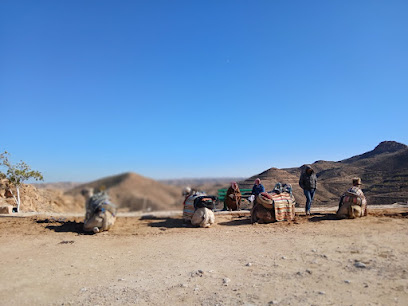
Nestled in the southern Tunisian landscape, the View Point at Matmata offers visitors a chance to overlook the distinctive troglodyte village and the surrounding desert plains. While the site is rooted in the larger town of Matmata, the viewpoint itself is valued for the panoramic sight it provides of traditional cave dwellings carved into the earth and the expansive desert horizon beyond.
Highlights typically include a broad vista over the village’s earth‑sheltered structures and the stark beauty of the surrounding terrain. The setting combines cultural interest with natural drama, making it a popular stop for travellers who are exploring Matmata’s unique architecture and the broader Matmata/Gabès region.
What you can do at the viewpoint is relatively straightforward. Visitors mainly come to take photographs, enjoy the scenery, and gain a sense of the scale and arrangement of the troglodyte huts that characterise Matmata. It is a straightforward stop rather than a full excursion, so many travellers pair it with a visit to nearby troglodyte houses, museums or markets to deepen their understanding of local life.
Who it’s best for
The View Point is well suited to photographers seeking landscape and cultural imagery, travellers with an interest in Berber and troglodyte architecture, and families or groups looking for a relaxed, short stop as part of a day in Matmata. It is also suitable for travellers who enjoy easy access and unobstructed views without a long hike.
Practical tips
- Bring a camera or smartphone to capture the wide vistas and distinctive hut‑like structures set against the desert.
- Dress modestly and comfortably for warm weather common in southern Tunisia; sun protection is advisable.
- Check local opening times and access arrangements on the day of your visit, as facilities at viewpoints can vary by season.
- Allocate time for a short stroll around the surrounding area if you wish to compare the viewpoints with the village sights nearby.
Best time to visit
The most pleasant times are during the cooler parts of the day or in the milder seasons. Early morning or late afternoon visits often provide softer light for photography and more comfortable temperatures for sightseeing in this arid region.
Getting there
The View Point is located in or near Matmata, a town in the Gabès Governorate. Access is typically by road from the surrounding area, with most travellers arriving by car or via organised tours. If you are staying in Matmata or Gabès, plan a short drive or a guided visit that includes the viewpoint as part of a broader itinerary.
Safety and etiquette
As with most open viewpoints, stay on designated paths or viewing areas where available. Be mindful of your surroundings and respect local customs when visiting residential areas or interacting with residents. Photography is usually welcome, but always be courteous if local people or guides request privacy or a moment of quiet.
مطماطة
Gabès
Tunisia
Sorry, no records were found. Please adjust your search criteria and try again.
Sorry, unable to load the Maps API.
Matmata: A Troglodyte Treasure of Tunisia
Tourism
Matmata sits in the inland reaches of Tunisia’s Gabès Governorate, offering a quiet, immersive look at Berber heritage and desert life. Visitors come to walk among the iconic underground dwellings, admire the stark, lunar landscape and learn about traditional crafts. The village makes a gentle base for day trips into the surrounding countryside and nearby desert scapes, with opportunities to observe Bedouin-style hospitality and local agricultural practices. The welcome is typically informal and family-friendly, making it suitable for travellers seeking an authentic, slow-paced experience.
Best visited in the cooler months of spring and autumn, the area can be hot in peak summer. Early mornings or late afternoons are ideal for photographs and strolls. If you plan a longer stay, combine Matmata with a visit to nearby towns within the Gabès region to diversify your itinerary and experiences.
Dining
Dining in Matmata centres on hearty, community-minded Tunisian fare prepared with care. Expect simple, flavourful dishes featuring locally grown vegetables, legumes, couscous and bread. Meals enjoyed in family homes or small eateries often reflect seasonal produce, offering a friendly, intimate dining atmosphere. For travellers, it is common to encounter hospitable hosts who may offer tea or coffee after a meal. Sample portions are typically generous, so pace yourself and savour a mix of savoury dishes and fresh bread. If you venture into nearby towns, you will find additional options ranging from traditional couscous stalls to more modern eateries with regional twists.
Accommodation
Accommodation in Matmata ranges from troglodyte dwellings and guesthouses to rural casas that preserve the unique subterranean architecture. Staying in a troglodyte lodging affords a memorable blend of climate control and cultural immersion, with rooms often carved into soft rock and furnished with simple, comfortable amenities. For greater choice, travellers may also consider nearby towns or coastal Gabès city, where hotels and guesthouses provide more conventional facilities. Regardless of choice, it is wise to book ahead in peak seasons and to discuss accessibility, heating and bedding with hosts if travelling during the cooler hours or in marginal weather.
Entertainment
Entertainment is largely informal and community-based. Expect evenings filled with storytelling, music or traditional songs in guesthouses or village gatherings. The surrounding desert offers intriguing night skies that are ideal for stargazing after sunset. Short cultural demonstrations, such as the preparation of bread or basic crafts, may also be available during your stay. For a broader experience, arrange a guided excursion to explore the landscape at sunrise or sunset, when light brings out the textures of the terrain and the troglodyte structures in striking relief.
Tourist Attractions
The main draw is the cluster of troglodyte houses carved into the soft hillside, a defining feature of Matmata’s landscape. Visitors can stroll through narrow lanes, peering into subterranean rooms and courtyards that once sheltered families from the sun. The surrounding area presents an austere beauty, with craggy hills and open desert vistas that invite photography and quiet contemplation. Nearby, in other parts of the Gabès region, you may find ancient ruins, desert wadis and oases that offer additional day trips. While planning, consider relaxed itineraries that balance cultural sights with time for restful pauses in shade or under palm groves.
Practical tips
- Transport: The easiest way to reach Matmata is by road from Gabès or other towns; buses and private taxis are common options. Renting a vehicle provides flexibility for day trips to surrounding areas.
- Safety: Travel with local advice in unfamiliar areas, stay hydrated, and respect private property when visiting homes or workshops.
- Etiquette: Dress modestly, especially when visiting homes or religious sites. Ask for permission before entering private spaces and remove shoes if asked.
- Weather: Pack sun protection for daytime and a light layer for cooler evenings in winter or alpine desert winds.
- Money: Cash is commonly used in small establishments; carry some local currency for markets and family-run guesthouses.