
Soysambu Conservancy Main Gate: A Gateway to Kenya’s Great Rift Valley Wilderness
Situated in the heart of Kenya’s Great Rift Valley, the Soysambu Conservancy Main Gate sits within the Mbaruk/Eburu ward of Nakuru. The conservancy, established in 2007, covers around 48,000 acres of diverse landscape that straddles the Lake Elmenteita region and lies between Lake Elmenteita Wildlife Sanctuary and Lake Nakuru National Park. It is a recognised part of the Kenya Lakes System, a UNESCO World Heritage Site, and a Ramsar site – emphasising its global importance for habitat and biodiversity. The Main Gate is your entry point into a sanctuary that has become famous for its wildlife, landscape, and stewardship of endangered species.
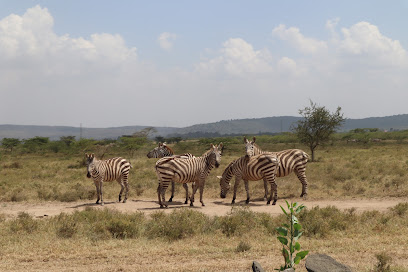
The conservancy is home to a substantial wildlife population, with over 12,000 animals across the reserve and a notable population of Rothschild’s giraffe, sometimes referred to in connection with the Nubian giraffe lineage. This makes Soysambu a beacon for conservation efforts as well as a living landscape where visitors can observe and learn about recovery programmes designed to protect endangered species within a community-focused framework. Through its partnerships and conservation initiatives, Soysambu aims to balance wildlife protection with the needs of local communities and sustainable tourism.
The Main Gate marks the start of experiences that showcase the area’s biodiversity and its wild, uncultivated beauty. The conservancy actively promotes habitat conservation while inviting visitors to engage with the landscape in ways that support ongoing work to safeguard giraffes, birds, and other wildlife that rely on this ecosystem. It also offers opportunities for filming on location, reflecting its appeal to photographers and media crews who wish to document wildlife in a relatively intact Rift Valley setting.
Highlights and what to expect
Highlights include expansive savannah, lakeside scenery around the adjacent waterbodies, and a concentration of wildlife that can be observed along guided drives. The area is part of an important bird area, with flamingos and other waterfowl often visible around the lakes’ shorelines. The Giraffe recovery work conducted by the Conservancy is a standout feature, drawing attention from scientists, conservationists, and visitors alike who are keen to learn about practical conservation steps on the ground.
What to do
- Day and night game drives to explore the reserve’s diverse habitats and wildlife.
- Birdwatching sessions to spot resident and migratory species around the lakes and plains.
- Horse riding tours and other specialised experiences that showcase the landscape from different perspectives.
- Filming on location for media projects interested in Kenya’s wildlife heritage.
- Guided visits focused on conservation programmes, including endangered species recovery efforts.
Who it’s best for
Soysambu Conservancy appeals to wildlife lovers, families seeking a responsible wildlife experience, photographers and film crews, and visitors who value conservation-led tourism. The Main Gate access point is suitable for travellers who wish to embark on immersive experiences that highlight Kenya’s wildlife stewardship and landscape heritage while supporting local communities and conservation outcomes.
Practical tips
- Arrive via the Main Gate with appropriate permit and guide arrangements; coordinates and opening times are typically managed through the Conservancy’s visitor services.
- Carry sun protection, layered clothing for variables in the highland climate, and sufficient water for day trips.
- Respect local rules and wildlife guidelines provided at the gate and during drives to ensure safety for visitors and animals alike.
- Photography and filming should be conducted with consent where required and in a manner that does not disturb wildlife.
- Support conservation by engaging with approved tours and paying any relevant conservation or entry fees as advised at the gate.
The best time to visit
Visitors can travel year-round, with experiences adapting to seasonal wildlife movements and lake conditions. Your best chances to see a range of species typically align with cooler mornings and late afternoons when animals are most active, though birdlife can be observed throughout the day around the lakes and wetlands.
Getting there
The Main Gate is located in Nakuru County within the Mbaruk/Eburu ward area, adjacent to the Lake Elmenteita region. Access is typically via road routes from Nakuru town and surrounding areas, with local arrangements arranged through the Conservancy’s visitor services. For filming or large groups, coordinate in advance to ensure suitable itineraries and permits.
Safety and etiquette
As with many wildlife conservancies in Kenya, safety briefings are provided on arrival. Stay in designated vehicles during game drives, maintain a respectful distance from wildlife, and follow the guidance of your guide. Honour local customs and community benefits that come from visiting, and avoid disturbing wildlife or habitats outside approved routes and times.
Practical resources
The Conservancy promotes experiences such as horse riding, wildlife drives, and community-linked conservation programmes. For up-to-date visitor guidelines, filming provisions, and additional activities, consult the official website and contact the Conservancy’s visitor services directly.
Mbaruk/Eburu ward
Nakuru
Kenya
Sorry, no records were found. Please adjust your search criteria and try again.
Sorry, unable to load the Maps API.
Discover Mbaruk and Eburu Ward in Nakuru County
Nestled in Nakuru County, the Mbaruk and Eburu ward area offers a welcoming entry point to Kenya’s Rift Valley region. Visitors will find a mix of rural landscapes, wildlife-adjacent scenery, and easy access to larger urban centres, making it an ideal base for a relaxed Kenyan countryside experience. The region is characterised by rolling hills, green farmlands and close proximity to larger protected areas.
Tourism
Tourism here centres on nature, gentle adventure and authentic local culture. Hiking or walking through scenic viewpoints provides a sense of the area’s natural beauty, while day trips to nearby parks or lakes offer wildlife watching and birdlife viewing. The pace is relaxed, allowing visitors to observe rural life, farm routines, and communities at work and play.
For nature enthusiasts, the surrounding highlands and woodland areas can reveal striking landscapes, endemic birds and opportunities for memorable photo moments. If you prefer a cultural lens, speak with local guides to learn about farming practices, traditional crafts, and community projects that welcome visitors.
Dining
Dining in the ward reflects Kenyan flavours with simple, fresh ingredients. Expect meals featuring staple staples such as ugali, sukuma wiki, hearty stews, and seasonal vegetables. Many eateries offer locally prepared dishes that showcase traditional techniques alongside lighter, Western-influenced items for travellers.
Food stalls and small cafés often provide snacks and refreshing drinks, ideal for a quick break between excursions. If you have dietary needs, it’s best to communicate clearly with hosts or restaurant staff, and you’ll usually find accommodating options.
Accommodation
Accommodation ranges from modest guesthouses and family-run lodges to small inns and campsite options. Visitors frequently choose stays in nearby towns with easy road access to Mbaruk and Eburu, while seeking a quieter rural ambience close to nature.
When booking, consider proximity to your planned activities, accessibility during rain, and the availability of local guides or tour services. Some establishments offer guided walking tours or wildlife-viewing suggestions as part of their guest services.
Entertainment and Tourist Attractions
Entertainment tends to be informal and community-oriented. Local markets, village events, and evenings with music or storytelling can provide a warm glimpse into daily life. For wildlife or landscape experiences, day trips to nearby protected areas or viewing points are popular options.
While the ward itself is primarily rural, the broader Nakuru area offers notable attractions to complement your stay. Always check with local guides for nearby safaris, viewpoints, and seasonal activities that may be available during your visit.
Practical Tips
- Best time to visit: the dry seasons tend to offer easier travel and clearer wildlife viewing, typically around January–February and July–October. Rain can alter road conditions.
- Transport: expect rural roads; matatus (shared minibuses) and local taxis are common. Boda-boda options may be available in more populated areas. Hire a guide or join a organised excursion if possible for safer travel.
- Safety: stay aware of your surroundings, keep valuables secure, and travel with a reputable guide or guesthouse staff when venturing into less-frequented areas, especially after dark.
- Etiquette: greet locals politely, dress modestly, and seek permission before taking photographs of people or homes. Tipping for services is customary but modest in amount.
- Health and preparedness: carry essentials such as sunscreen, water, a hat, and a basic first aid kit. Check for up-to-date vaccination and travel advice before travelling.
Mbaruk and Eburu ward offer a calm, authentic Kenyan experience with easy access to Nakuru’s regional treasures. Whether you are seeking scenic views, gentle hiking, or learning about local culture, this corner of Nakuru provides a welcoming stop on your Rift Valley journey.