
Shimoni Slave Caves – A Brief Guide
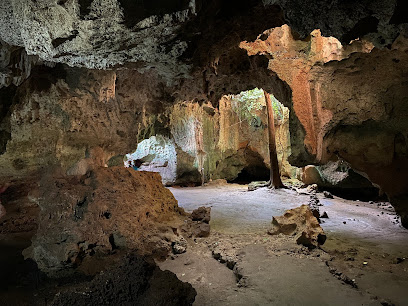
The Shimoni Slave Caves are a historic site near Pongwe Kikoneni ward in Kwale County, Kenya. Set against the Indian Ocean coastline, the caves mark a poignant part of East Africa’s history. They offer visitors a lens into the legacy of the East African slave trade and the experiences of those who sought escape or passage to freedom. The site is often described as atmospheric, with a quiet, contemplative ambience that invites reflection on the stories held within its walls.
Within the caves, visitors can learn about the routes once used by enslaved individuals and the role of local trading networks in this history. The proximity to the sea means that the landscape combines coastal scenery with historical curiosity, making the visit a chance to connect geography and human history in a meaningful way. The surrounding area is typically rural and tranquil, offering a contrast to the bustle of larger tourist centres, and many travellers find the site to be a thoughtful addition to a broader exploration of Kwale’s coastal heritage.
Highlights
- Historical significance as part of the East African slave trade narrative
- Coastal setting with views of the Indian Ocean
- Opportunities for photography and quiet reflection
- Proximity to other local heritage sites and natural scenery
What to Do
Visitors typically engage in a straightforward itinerary focused on learning and light exploration. Guided tours are often available, providing context and answering questions about the site’s history and its impact on communities in the region. Some travellers also combine their visit with a stroll along the nearby coast or a short drive to explore additional coastal villages and natural landscapes in Kwale County. To make the most of the experience, take your time to absorb the atmosphere, listen to the stories shared by guides, and reflect on the complex history that the caves represent.
Who It’s Best For
The site is suitable for history enthusiasts, travellers interested in cultural heritage, and those seeking a calm, reflective day near the coast. It can be interesting for family groups and older travellers who enjoy immersive educational experiences. Because the experience centres on history and a modest level of site exploration, it is generally accessible to a broad audience, though potential visitors should be prepared for uneven ground and sheltered spaces inside the caves.
Practical Tips
- Wear comfortable walking shoes suitable for uneven surfaces.
- Bring water and note that facilities may be limited in the surrounding area.
- Check travel times and plan for a relaxed pace to allow for meaningful reflection.
- Respect the site and any guidance offered by local guides or signage.
- Respect local customs and the privacy of nearby residents when exploring the wider area.
Best Time to Visit
Coastal Kenya experiences a tropical climate, with seasonal variations in rainfall and temperature. The best time to visit coastal sites often aligns with dry periods when outdoor travel is more comfortable. Consider local weather patterns for Kwale County and plan for cooler coastal mornings and comfortable daytime temperatures. If you prefer fewer crowds, early morning visits can be as peaceful as late afternoons, while ensuring you have adequate daylight to explore the area safely.
Getting There
Shimoni Slave Caves are located near Shimoni, close to Pongwe Kikoneni ward in Kwale. The area is typically accessed by road from nearby towns or through organised tours. Public transport options may be limited, so many visitors arrange private transport or join guided excursions. If you are staying in coastal towns, check with your accommodation or tour operators for recommended routes and transfer arrangements. Allow extra time for travel due to possible delays on rural roads.
Safety and Etiquette
As with any historical site, exercise general travel common sense. Stay on designated paths where they exist, follow any posted guidelines, and be mindful of fragile structures within the caves. Respect the memory of those connected to the site by speaking in considerate tones and avoiding loud behaviour. If a local guide is present, listening to their insights can enhance safety and understanding. When visiting natural coastal environs, be aware of tides and changing weather conditions to ensure your safety near the shoreline.
Shimoni Slave Caves offer a concise, reflective glimpse into a difficult chapter of regional history, set against Kenya’s distinctive coastal backdrop. By combining educational context with careful, respectful exploration, visitors can gain a deeper appreciation of Kwale’s heritage and the people whose stories are preserved in these caves.
Pongwe Kikoneni ward
Kwale
Kenya
Sorry, no records were found. Please adjust your search criteria and try again.
Sorry, unable to load the Maps API.
Pongwe Kikoneni Ward: Tourism, Dining, Accommodation and Attractions
Located along the picturesque coast of Kwale County in Kenya, Pongwe Kikoneni offers a relaxed gateway to Swahili culture, pristine beaches and rich coastal landscapes. Visitors can enjoy a mix of sun, sea and cultural experiences that reflect the region’s heritage and natural beauty. The ward provides a gentle introduction to coastal life, with opportunities to explore nearby natural reserves, traditional villages and farm-to-table dining.
Tourism
Tourism in Pongwe Kikoneni centres on coastal recreation, bird and wildlife watching, and authentic cultural engagements. Long, palm-studded beaches invite tranquil walks, shell collecting and quiet swims at sheltered coves. Boat trips along the coastline offer glimpses of marine life and tide-dependent scenery. For those who wish to explore further, day trips to nearby wildlife and nature areas in Kwale County provide a broader perspective on landscape, from mangrove fringes to rolling savannahs.
Visitors can also engage with local communities, learning about traditional crafts, music and dance. Such engagements are rewarding and can deepen appreciation for Swahili coastal culture. When planning, consider daylight hours, comfortable footwear for beach strolls, and sun protection, as conditions can be bright and hot in the dry season.
Dining
Dining in Pongwe Kikoneni highlights fresh seafood, coconut flavours and fragrant Swahili spices. Local eateries and markets frequently offer dishes featuring fish, prawns, coconut rice and tropical fruit. If you prefer a casual dining experience, look for small family-run establishments where you can sample regional favourites prepared with simple, seasonal ingredients. For a special treat, seek recommendations from hosts or guides about seafood prepared in traditional ways, and always ask about any dietary needs in advance.
Accommodation
Accommodation ranges from simple guesthouses to eco-conscious lodges and small boutique properties located along the coast or inland within short travel distances. Many options prioritise comfortable rooms, warm hospitality and easy access to beaches or rural scenery. When booking, consider proximity to the beach, any included meals, and the availability of guided excursions. If you are travelling in a group or with family, some properties can arrange shared activities such as village visits or boat trips, which can add value to your stay.
Entertainment
Evenings in the area can be peaceful and culturally rich. Expect vivant markets, casual beachside gatherings and occasional performances by local musicians or dancers. Entertainment is typically relaxed rather than nightlife-focused, so plan for early starts the next day to take the most from day-time activities. If a resort or lodge offers organised events, these can be convenient for travellers seeking gentle entertainment without venturing far from base.
Tourist Attractions
Key nearby attractions include the broader Kwale coast with its scenic beaches, as well as nature reserves in the region. The Shimba Hills National Reserve, not far from the coast, offers woodland landscapes, wildlife viewing and panoramic vistas. Coastal mangrove systems, while less conspicuous, are important ecosystems and can be explored through guided walks or boat tours. Always check with local guides about access, tides and safety before venturing into natural areas.
Practical tips
- Best time to visit: consider the dry seasons for more reliable beach weather, but the area enjoys pleasant temperatures most of the year. Rain is more common in certain months, so plan accordingly.
- Transport: travel is typically by road. Local taxis, minibus taxis (matatus) and guided transfers are common. Allow extra time for journeys, as roads may be busy or uneven in parts.
- Safety and etiquette: dress modestly in villages and respect local customs. Keep valuables secure and use reputable transport or guides, especially when travelling to more remote areas.
- Health: consult a travel health professional for up-to-date advice on malaria prevention and required precautions. Bring sunscreen, a hat and insect repellent.
- Money: carry some cash in local currency for smaller eateries and markets; many areas may not accept cards.
Whether you seek peaceful beach days, cultural insight or light-adventure experiences, Pongwe Kikoneni ward provides a gateway to Kenya’s colourful coastal heritage with warm, welcoming communities and stunning natural settings.