
Sepupa – A Quiet Village in Botswana’s North-West District
Sepupa is a small settlement set in the North-West District of Botswana. While it may not appear on every tourist map, it offers a sense of place that is often found in rural Botswana: a community rhythm, open landscapes and a pace of life that invites reflection. Visitors who seek an authentic, low-key experience away from the more visited game reserves may find Sepupa a thoughtful starting point for understanding local living, traditional customs and the surrounding environment.
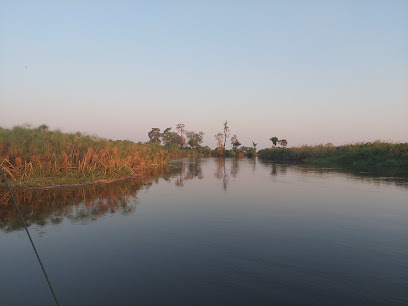
The highlights of a visit to Sepupa lie in its atmosphere and surroundings rather than in formal attractions. Travellers often remark on the opportunity to observe daily village life and to encounter residents who are proud of their heritage. The area around Sepupa typically features wide horizons, seasonal colours, and natural textures that remind visitors of Botswana’s vast, open country. Any encounters with locals can be meaningful occasions to learn about the region’s history, livelihoods and the everyday realities of rural life in the north-western reaches of the country.
What to do in and around Sepupa is best guided by local expertise. If a guided walk or village visit is offered, it can provide context to the landscape, point out notable flora or land uses, and help visitors engage respectfully with residents. For those who enjoy photography or quiet contemplation, the surrounding scenery offers opportunities to capture the changing light and expansive skies. Respectful, slow-paced exploration is generally more rewarding here than rapid sightseeing.
Sepupa is best understood as part of a larger circuit of north-western Botswana experiences. It can complement visits to nearby communities and natural areas, where travellers may learn about regional traditions, crafts, foodways and the management of local resources. The village itself is a reminder of the role that small settlements play in shaping Botswana’s cultural mosaic, and as such, it suits travellers who value human-scale experiences and a connection with people beyond the well-trodden tourist routes.
Who Sepupa is best for? The destination tends to appeal to travellers who appreciate authenticity, quiet environments and opportunities to engage with local communities at a human level. It is suited to those who prefer unstructured days, with the chance for spontaneous conversations and personal discoveries. Families, couples and solo travellers alike may find value in a visit, provided expectations are aligned with the village atmosphere and the pace of rural life.
Practical tips for planning a trip to Sepupa include prioritising flexibility and cultural sensitivity. Check transport options in advance, as rural itineraries often rely on local arrangements. If you are staying for a short period, plan a focused visit to balance time between observing village life and experiencing the surrounding landscape. It is wise to carry essential supplies such as water, sun protection and a light, comfortable layer for cooler mornings or evenings. When photographing people or homes, seek permission and be mindful of local customs and pace of life.
Best time to visit Botswana’s interior generally falls in the cooler, drier months for easier travel and comfortable outdoor exploration. In the North-West District, this often aligns with the late autumn to early winter period. However, visitors who enjoy the visual drama of seasonal colours and more comfortable temperatures may choose times that suit their personal preferences, keeping in mind the possibility of heat, dust or rain at different times of the year. Always check local conditions ahead of travel and be prepared for variable weather, especially if you plan to venture beyond settled areas.
Getting there to Sepupa typically involves regional transport arrangements. Because smaller rural settlements may not have frequent public services, arranging a suitable route and confirming timings with local contacts or a tour operator is advisable. When planning a trip, allow for a relaxed arrival and departure schedule to accommodate any delays and to ensure you can fully appreciate the village’s pace and surroundings.
Safety and etiquette are key to a positive visit. Respect private spaces and local norms, seek permission for interactions, and keep noise to a considerate level, particularly in the early morning or late afternoon when residents may be at work or resting. Carry basic first-aid supplies, stay hydrated, and avoid leaving litter in natural areas. If you are part of a guided visit, listen to your guide’s advice on cultural practices and environmental stewardship to minimise impact on people and places you encounter.
In summary, Sepupa offers a modest but meaningful glimpse into Botswana’s rural life in the North-West District. It is a place for reflective travellers who enjoy slow travel, real conversations and a respectful approach to local living, set against the backdrop of wide skies and quiet landscapes.
North-West District
Botswana
Sorry, no records were found. Please adjust your search criteria and try again.
Sorry, unable to load the Maps API.
Discover the North-West District, Botswana
The North-West District offers a gateway to Botswana’s remarkable wilderness, where expansive landscapes, winding rivers and lush floodplains meet a rich tapestry of wildlife. Visitors can expect warm welcomes, wide horizons and a calm pace that invites exploration. From riverine habitats to game-rich safaris, this region provides a memorable backdrop for first-time travellers and returning explorers alike.
Tourism
Touring the North-West District blends outdoor adventures with cultural encounters. Guided safaris and boat trips reveal the region’s diverse fauna, including large heronries, hippo pools, and mighty elephant crossings along seasonal waterways. People who enjoyphotography, birdwatching or tranquil nature walks will find abundant moments to treasure. For a broader perspective, consider a day trip to nearby conservation areas or community projects that showcase Botswana’s wildlife stewardship and traditional livelihoods.
Dining
Dining in the district centres on hospitality and seasonal, locally sourced ingredients. Expect informal eateries, lodges and camps offering hearty breakfast spreads, light lunches and flavoursome dinners. Menus often feature regional dishes with influences from nearby communities. For a relaxed evening, you may encounter outdoor dining under starry skies, ideal after a day spent on safari or on the water. Remember to modestly sample local fruits and grilled fare while keeping hydration in warm weather in mind.
Accommodation
Accommodation ranges from comfortable lodges and guesthouses to more rustic safari camps set close to wildlife-rich areas. Options often provide guided activities, fly-in or road-based transfers and sunset programmes. When selecting a place to stay, consider proximity to major reserves, accessibility during the rainy season, and the level of tranquillity you desire. In high season, advance bookings are prudent, while shoulder periods can offer a quieter experience with good wildlife viewing opportunities.
Entertainment
Evenings in the North-West District can feature traditional song and dance performances, storytelling, and campfire customs that reflect Botswana’s cultural heritage. Many lodges organise nature talks, starlight safaris, or guided night drives that bring a different perspective to nocturnal wildlife. Shopping for crafts at local markets provides an opportunity to support community initiatives while bringing home handmade mementos.
Tourist Attractions
Key attractions lie in the waterways, wetlands, and open savanna that characterise the region. Wildlife-watching opportunities, canoe or boat excursions, and guided bush walks are common ways to experience the landscape. Visitors may also enjoy scenic viewpoints, birding spots and photographic opportunities along channels and lagoons. While new to the area, travellers should be prepared for vast skies, occasional remoteness and the chance to encounter animals in their natural habitat. Always follow guidance from rangers and lodge staff to protect both wildlife and visitors.
Best Time to Visit
Generally, dry seasons offer easier wildlife viewing, with animals gathering near water sources. The wetter months bring lush scenery and different species, though conditions can be more challenging for travel in some areas. Consider what you most want to see—great herds and predators or birdlife and river scenes—and plan accordingly. Always check local guidance on weather patterns and park access before travelling.
Practical Tips
- Transport: Travel between towns is most reliable by road in dry periods; use reputable tour operators for long trips or flights where available.
- Safety: Stay with guides or established lodge programmes, follow safety briefings, and keep a respectful distance from wildlife.
- Etiquette: Dress modestly out of respect for local communities; tipping practices vary but are appreciated for good service.
- Health: Carry sun protection, adequate water, insect repellent and a basic medical kit; confirm vaccination recommendations with a travel clinic.
- Etiquette and culture: Seek permission when engaging with local communities, and learn a few simple phrases in the local language as a courtesy.
Whether you seek quiet wildlife encounters, star-filled nights, or a respectful immersion in Botswana’s conservation story, the North-West District offers an extensive canvas for a rewarding and responsible travel experience.