
Rumbo Malabo: guided discovery of Bioko and Guinea Ecuatorial
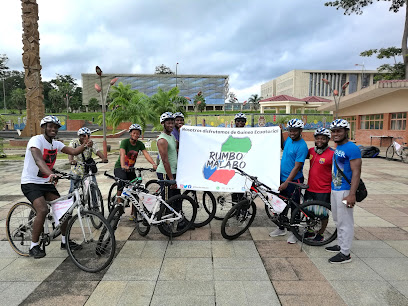
Rumbo Malabo is a Malabo-based tour operator offering customised itineraries across Guinea Ecuatorial, with a particular focus on Bioko Island. The company presents itself as a young organisation dedicated to responsible and ecological tourism, aiming to reveal the country’s less-explored secrets while preserving nature and local culture. Their philosophy emphasises respectful travel and a personalised approach to itineraries, making it a practical option for visitors who want to see Guinea Ecuatorial through a curated, thoughtful lens.
Among the highlights highlighted by Rumbo Malabo are journeys centred on Bioko, including structured multi-day routes that explore the island’s landscapes, culture and wildlife. The operator markets several ready-made packages ranging from shorter island-focused experiences to longer, more complete explorations that can be tailored to the traveller’s interests. In addition to nature and culture, they also offer golf experiences, notably at the Club de Golf de Sipopo, described as a year-round, weather-friendly setting where players can combine golf with tropical scenery and a sense of luxury.
What makes Rumbo Malabo distinctive is their emphasis on customization. The company promotes fully personalised trips designed around the traveller’s interests, pace and budget. They invite visitors to share what appeals to them—whether it is culture, wildlife, beaches, or adventure—and then craft a tour that aligns with those priorities. This bespoke approach is reinforced by their promise of support throughout the visa process, a factor that can help ease planning for international visitors navigating travel documents for Guinea Ecuatorial.
For travellers seeking structured options, Rumbo Malabo outlines several itineraries varying in length. Options include a four-day overview of Bioko, a five-day Bioko Explorer, a seven-day “gem” of Bioko, a nine-day deeper discovery, and even longer journeys that cover broader parts of Guinea Ecuatorial or its island groups. They also offer day trips and short excursions, which can be a convenient way to experience highlights without committing to longer programmes. This breadth makes the company suitable for first-time visitors as well as seasoned explorers who want to see more of what Guinea Ecuatorial has to offer.
Practical tips and considerations reflect their mission. The site communicates a commitment to responsible tourism and cultural respect, which suggests visitors should expect guided experiences that prioritise environmental stewardship and local sensitivities. Their “why travel with Rumbo Malabo” section highlights practical advantages such as visa support, fully customised routes for different budgets, and approachable customer service rooted in friendliness and enthusiasm for their work.
The best audience for Rumbo Malabo is likely travellers who value bespoke planning, local insight, and a guided structure that supports sustainable tourism. The option to tailor itineraries makes it particularly appealing to families, couples, or solo travellers who want to balance cultural immersion with comfort and a personalised pace. Those interested in golfing opportunities or who wish to discover Bioko in depth—combining nature, culture, and leisure—will find the operator’s offerings aligned with their interests.
Getting there is straightforward in concept: base operations are in Malabo, Bioko Norte, so the starting point for most itineraries is likely the capital. Visitors should expect to be supported through practicalities that accompany international travel to Guinea Ecuatorial, including visa processes, as indicated by the company’s value proposition.
Best time to visit Guinea Ecuatorial can vary by region and activity, but Rumbo Malabo highlights a warm climate for their golf experiences, suggesting a generally favourable year-round climate for outdoor exploration. As always, travellers should check current travel advisories and tailor activities to local weather patterns at the time of booking.
When it comes to safety and etiquette, Rumbo Malabo positions itself as a responsible operator that respects nature and cultural heritage. Guided experiences typically offer context, safety briefings and cultural sensitivity, helping visitors engage respectfully with local communities and environments.
In summary, Rumbo Malabo offers a doorway to customised exploration of Bioko and Guinea Ecuatorial from a Malabo base, with flexible itineraries, a focus on responsible travel, and practical support for visitors navigating visas and travel arrangements. Whether you seek a compact, well-rounded short trip or a deep, tailor-made journey, the operator presents a coherent option for discovering this fascinating region with local insight.
- Sample offerings include: four to twelve day Bioko-centric itineraries, day trips, and bespoke tours across Guinea Ecuatorial.
- Highlights include Bioko’s landscapes and culture, and golf at Sipopo.
- Added value: visa support and personalised planning tailored to your budget and interests.
Malabo
Bioko Norte
Equatorial Guinea
Sorry, no records were found. Please adjust your search criteria and try again.
Sorry, unable to load the Maps API.
Malabo, Bioko Norte: A Guide for Visitors
Malabo, the capital on Bioko Island, offers a compact but rewarding introduction to Equatorial Guinea’s culture, coastline and wildlife. The city sits on the Gulf of Guinea, with a dramatic backdrop of volcanic hills and lush rainforest. Visitors can combine a harbour-side atmosphere with nearby natural sights, making it a practical base for exploring Bioko Norte and its surrounding attractions.
Tourism and Experiences
Begin with a stroll along the waterfront and the historic waterfront districts, where you can observe a blend of colonial architecture and contemporary life. Take time to admire the harbour views at sunset, when colours shift across the water. Day trips to nearby nature reserves reveal rich biodiversity, from coastal mangroves to forested slopes teeming with birdlife. If you enjoy hiking, there are gentle trails offering rewarding viewpoints without requiring advanced trekking skills.
For a flavour of local history and culture, seek out small museums or cultural centres that highlight traditional crafts and music. Attending a live music or dance event can provide insight into everyday life and regional rhythms, though schedules may vary. If you are interested in marine life, marine excursions or dolphin-spotting outings are sometimes offered by tour operators depending on the season.
Dining
Malabo’s dining scene centres on fresh seafood and regional ingredients. Expect mercados and simple eateries alongside more formal restaurants that showcase pan-African influences. When dining out, you may be offered dishes featuring fish, prawns or shellfish prepared in straightforward, locally inspired styles. It is customary to try a light, shared starter and to ask about spice levels. Water quality can vary, so opt for bottled water where in doubt and verify the source of ice if consuming drinks on the go.
Accommodation
Accommodations range from modest guesthouses to mid-range hotels near the coast or the city centre. Depending on preferences, guests can select lodging that offers basic amenities or a few extra comforts such as Wi‑Fi and on-site dining. When booking, consider proximity to the harbour, central streets and transport links to follow-up day trips. It is prudent to confirm security features and 24-hour reception, especially if arriving late by air or sea.
Entertainment
Evenings in Malabo can be lively, with bars and casual venues where you may hear local music and enjoy informal meals. Public events or performances occasionally take place in cultural venues or open squares, subject to scheduling. For cinema or theatre, inquire locally for current showings and venues, as offerings can be modest compared with larger cities. A relaxed pace in the evenings is common, so plan accordingly and stay aware of your surroundings when exploring after dark.
Tourist Attractions and Nearby Wonders
Must-see sights include coastal viewpoints that offer dramatic panoramas of the Atlantic, and architectural remnants from the colonial era set against the surrounding hills. If you travel beyond the capital, Bioko Island features lush forests and viewpoints where you may spot endemic birdlife. Day trips to beaches, nature trails and nearby villages can provide a deeper sense of place while remaining within a reasonable travel radius.
Best Time to Visit and Practical Tips
The region has a tropical climate with a distinct wet season; many travellers prefer the drier months for more comfortable outdoor activity. Pack light, breathable clothing, sun protection and a light rain layer for sudden showers. Currency and payments vary by venue, so carry a mix of cash and card where accepted, and verify small-change availability.
Transport within Malabo is practical by taxi or private transfer, with roads that are generally passable but can be busy. Allow extra time for travel between districts and for occasional delays. When visiting markets or public spaces, observe local etiquette: greet with a friendly nod or short exchange, dress modestly in more formal settings, and respect local customs and photography rules. Safety-wise, stay aware of your belongings in crowded areas and use reliable transport options, especially after dark.
With careful planning, Malabo offers a welcoming gateway to Bioko Norte’s natural beauty and cultural richness. Embrace the language of hospitality, sample regional flavours, and enjoy a respectful pace that reveals the charms of Equatorial Guinea’s Atlantic coastal capital.