
Mwenge Woodcarvers Market, Dar es-Salaam
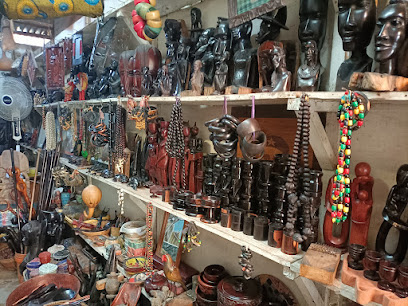
Mwenge Woodcarvers Market is a vibrant open-air centre for Tanzanian arts and crafts situated in the coastal city of Dar es-Salaam. Known for its wide range of woodcarvings, carvings, sculptures and other handmade artefacts, the market offers travellers a chance to encounter local artisans at work and to purchase unique souvenirs in a lively neighbourhood setting. The atmosphere is common to many craft markets in East Africa: bustling stalls, colourful displays and a sense that every piece has a story behind it. Visitors should expect to wander among rows of stalls where wood is carved into figures, animals, masks and decorative items, with the chance to watch artisans shaping and finishing pieces as part of the market’s everyday rhythm.
As a place to observe traditional crafts and support local makers, Mwenge Woodcarvers Market functions not merely as a shopping destination but as a cultural encounter. The market reflects a long-standing tradition of woodcraft in the region, and it draws visitors who are curious about materials, techniques and the apprenticeship networks that sustain these crafts. While prices can vary, the focus is on handmade quality, with many pieces reflecting local aesthetic sensibilities and motifs common to East African artistic patrimony.
Highlights to look out for include a broad selection of woodcarvings in different sizes, from small keepsakes to larger sculptures. There are often blocks of raw or partially finished pieces alongside completed works, providing a sense of the transformation involved in turning raw timber into art. Colourful painted surfaces, inlaid details and carved textures invite close inspection. If you want to learn more about a specific craft, engage politely with the stallholders; many artisans are happy to explain the materials used, the carving process and the symbolic meanings behind certain designs.
What to do during your visit is fairly straightforward: stroll through the market to compare styles and prices, ask questions about ownership and provenance of pieces, and, if appropriate, commission a custom item or request a particular size or finish. Bargaining is a common practice in many craft markets across the region, so a gentle, respectful approach can help you secure a fair price. Photography can be enjoyable, but always seek consent before photographing artisans at work or private displays. If you are travelling with others, a relaxed pace works well, since the market can become busy, especially during peak hours.
Mwenge Woodcarvers Market is best suited to travellers who enjoy hands-on crafts, want to understand local artistic traditions and are looking for distinctive souvenirs. It appeals to those seeking authentic, locally made items rather than mass-produced goods. Families, couples and solo travellers alike can find something of interest, provided they are patient with the browsing process and comfortable negotiating with sellers. For someone with a tight schedule, a brief visit to the market can still be rewarding if you focus on a few stalls and prioritise the types of pieces you’d most like to see.
Practical tips for a smooth visit include arriving with cash in small denominations, as many stalls operate on cash transactions and change can be limited. Wear comfortable shoes for walking along busy aisles and various stall arrangements. Keep valuables secure and be mindful of your belongings in crowded areas. If you’re travelling from the city centre, plan your route in advance or ask for directions at your hotel or a reputable taxi operator; the market is situated in the Mwenge area and is accessible by taxi or local transport options. Allow extra time to browse without feeling rushed, so you can compare craftsmanship and build an understanding of value across different stalls.
Best time to visit tends to be in the morning when the market is gearing up and light is good for viewing wood textures. Weekdays may be quieter than weekends, though weekends can bring more visitors and a livelier ambience. Consider visiting during daylight hours to enjoy the full character of the market and to get the best sense of the craftspeople at work. If you have a specific item in mind, it’s wise to start with a clear idea of size, wood type and finish, and with that knowledge, you can better navigate options and negotiable prices.
In summary, Mwenge Woodcarvers Market offers a window into Tanzanian craft traditions, with a focus on woodcarving and handmade art. It’s a place for tactile discovery, conversation with skilled artisans and the chance to bring home a piece of Dar es-Salaam’s cultural landscape. By approaching exchanges with courtesy and curiosity, visitors can enjoy a memorable, culturally rich experience while supporting local makers and their crafts.
Dar es-Salaam
Coastal Zone
Tanzania
Sorry, no records were found. Please adjust your search criteria and try again.
Sorry, unable to load the Maps API.
Dar es-Salaam: A Coastal Experience
Dar es-Salaam, the bustling gateway to Tanzania’s coast, blends urban energy with easy access to superb beaches and nearby historic towns. The city sits on a harbour that opens onto the Indian Ocean, providing a lively mix of culture, cuisine and colour. For visitors, it offers a balanced introduction to Tanzania’s urban rhythm while acting as a convenient base for day trips and excursions along the coast.
Tourism
Tourists arriving in Dar es-Salaam can enjoy a blend of cultural encounters, coastal scenery and modern city life. Take time to stroll along the harbour and waterfront promenades, where boats come and go and the sea breeze is ever-present. Evening markets, spice stalls and crafts offer a chance to pick up locally made souvenirs. For those seeking wider horizons, day trips by road or short flights can lead to wildlife reserves, historic towns and pristine beaches nearby.
Visitors should plan with a flexible itinerary. The city is a hub for regional travel, so leaving time for spontaneous discoveries—whether a coastal café, a seaside dinner or a late-afternoon park visit—enhances the experience.
Dining
Dar es-Salaam’s dining scene reflects its cultural diversity. Expect fragrant Swahili coconut curries, spiced fish dishes, and fresh seafood. You’ll also find influences from Indian, Middle Eastern and local coastal kitchens. Waterfront eateries and hotel restaurants provide fresh seafood and meals with ocean views, while busy neighbourhood spots offer affordable and hearty breakfasts and lunches. When dining out, it is common to share dishes, sample a variety of flavours and enjoy a cup of locally brewed tea or freshly pressed juice.
Accommodation
A wide range of accommodation is available, from comfortable mid-range hotels to luxury lodges and boutique guesthouses. In the city centre, many properties offer easy access to business districts, markets and transport hubs, while quieter options may be found near the harbour or in residential neighbourhoods slightly away from the bustle. For travellers seeking a seaside ambience, there are lodgings along the coast with closer access to beaches and sunset views. Booking in advance during peak travel periods is advisable.
Entertainment
Evenings can be lively with live music, restaurants, and bars that celebrate both local artists and international acts. Cultural performances and traditional dancers can sometimes be found in cultural centres or hotel venues. If you enjoy nightlife, choose reputable venues and keep to well-lit, populated areas after dark. Daytime entertainment includes markets, waterfront walks and coastal parks where you can observe everyday life and enjoy street food aromas.
Tourist Attractions
Key sights include the National Museum and House of Culture, where you can learn about Tanzania’s natural and human history, and nearby cultural centres that showcase Swahili heritage. The bustling Kariakoo market offers an authentic shopping experience, while the historic harbour area provides a flavour of maritime trade. For a longer excursion, consider a day trip to historic Bagamoyo or the quieter beaches and nature reserves along the coast—each offering a different glimpse of Tanzania’s heritage and landscapes.
Best time to visit & practical tips
The dry seasons—roughly June to October and the short interlude of January to February—tend to offer pleasant weather for sightseeing and day trips. The hot, humid rainy season can still be enjoyable with proper planning, particularly for coastal activities in the early mornings or late afternoons. Pack light, breathable clothing, sun protection and a light layer for cooler evenings by the harbour. Currency is typically the local Tanzanian shilling, with some places accepting major cards; carry some cash for markets and smaller vendors.
Transport within the city is reliable via taxis, ride-hailing services and organised tours. When travelling at night, use reputable transport and avoid isolated areas after dark. Dress modestly in public, especially when visiting religious or traditional neighbourhoods. Respect local customs, ask before photography in certain settings, and always keep valuables secure and out of sight.
Dar es-Salaam offers a friendly welcome, a coastline of possibilities and convenient access to Tanzania’s southern and neighbouring regions. With thoughtful planning, visitors can enjoy a memorable blend of culture, cuisine and coastal charm.