
Karunguru Coffee Estate: A Signature Kenyan Coffee Experience
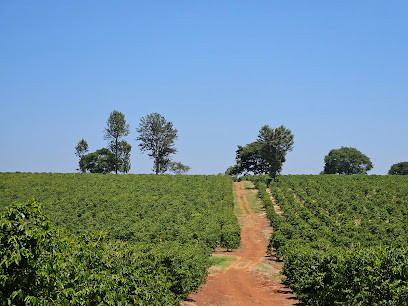
Karunguru Coffee Estate sits on a long-standing family legacy in Juja ward, Kiambu, just a short journey from Nairobi. A third-generation boutique farm, it specialises in single-origin, 100% Arabica coffee grown on the volcanic soils of the Central Highlands at an altitude of around 1,685 metres above sea level. Visitors are invited to walk through the farm’s rich history—from the first plantings in 1928 by the Glassford family to today’s carefully tended crops—before sampling the finished product in the tasting rooms. The experience centres on a hands‑on, farm‑to‑cup narrative, emphasising sustainability, quality and a heritage of craft.
What makes Karunguru stand out is its immersive “farm to cup” journey. The estate offers guided tours that explain every stage of coffee production, with a particular highlight being the chance to observe and participate in the liquoring process, a cornerstone of traditional Kenyan cupping. A typical visit is framed as a 10,000-step journey—from the coffee fields to the liquoring room—where guides answer questions and share insights about cultivation, processing and the distinctive flavour profile of Karunguru’s beans. For many guests, the tour is as much about culture and landscape as it is about caffeine.
Two main tour formats are described on the estate’s site. The Karunguru Farm Tour with Lunch provides a full day out, including a guided farm walk, a tasting experience in the gardens, a tour of the parchment grading and drying areas, and a three‑course buffet lunch in the 1928 ballroom. The Farm Tour without Lunch covers much of the same ground but ends earlier, without the midday meal. For visitors wanting a more intimate or domestic perspective, Kiburi Home Tours—both with and without lunch—offer a glimpse into life at Kiburi Farm, including the family’s country home, farm animals and local surroundings, with additional opportunities for picnics, hikes and relaxation in a peaceful montane setting.
Karunguru emphasises its boutique, craft approach. The estate roasts its coffee in small batches to preserve flavour, and its beans are marketed as a single-origin product from a family-operated farm. The farm also stocks a range of finished goods—coffee, jams and related products—often presented to visitors as part of the shopping experience after tours. Testimonials from visitors highlight well‑organised offerings, a scenic drive from Nairobi, and a warm, hospitable atmosphere that enhances the overall day out.
Who is Karunguru Coffee Estate best for? It is ideal for coffee enthusiasts keen to understand the full journey of Kenyan coffee, culture‑seekers looking for an authentic rural experience near Nairobi, and families or groups seeking a relaxed day out with food, nature and a tasting element. The site emphasises that all tours must be booked in advance, so planning ahead is essential for a smooth visit.
Practical tips and logistics
- Best time to visit: The estate showcases a montane climate characteristic of Kiambu; plantings and harvests align with local growing cycles, but visitors should consult the booking page for availability and seasonal notes.
- Getting there: The address places Karunguru Coffee Ltd on Kenyatta Road, Gatundu, Kiambu. The site notes a scenic route from Nairobi and a countryside setting ideal for a day trip.
- Booking and pricing: Tours are available for residents, citizens and non-residents, with lunch-inclusive and lunch-free options. Prices are listed on the official tour pages; advance booking is required.
- What to expect: A guided walk through the farm, coffee tasting experiences, visits to processing stages, and the opportunity to purchase fresh coffee and related products on-site.
- Safety and etiquette: As with rural farm visits, wear comfortable footwear suitable for uneven ground, follow guide instructions, respect working areas, and handle merchandise with care when shopping.
Best time to visit and seasonality
Karunguru’s core attraction—its guided farm walk and tasting—can be enjoyed year‑round, with the experience often enhanced by the estate’s lush grounds and the historic 1928 ballroom in which meals are served. If you plan to include Kiburi Home Tours, confirm availability and any seasonal activities that may be offered in tandem with the family’s private spaces and views of the hills.
Safety and etiquette
Respect for the farm environment and its workers is encouraged. Stick to marked paths during tours, ask questions of guides, and observe any instructions related to processing areas or tasting sessions. When shopping, handle products gently and be mindful of local customs and timings for family‑run operations.
In summary
Karunguru Coffee Estate offers a richly atmospheric, educational, and delicious immersion into Kenyan coffee heritage. From its early 20th‑century origins to its modern boutique operations, the estate provides a compelling blend of landscape, history and the sensory pleasure of a cup that truly represents its origin. Whether you are a devoted coffee enthusiast or simply seeking a memorable day out near Nairobi, Karunguru’s signature experiences promise insight, flavour and a warm Kenyan welcome.
Juja ward
Kiambu
Kenya
Sorry, no records were found. Please adjust your search criteria and try again.
Sorry, unable to load the Maps API.
Juja Ward: A Practical Tourist Guide
Juja ward, nestled in Kiambu County just a short journey from Nairobi, offers a refreshing mix of rural charm and convenient access to urban comforts. Visitors can enjoy gentle countryside scenery, local markets, and friendly hospitality while using Juja as a base to explore the surrounding region. The area is well suited to travellers seeking a relaxed pace, authentic Kenyan experiences, and opportunities to sample regional flavours and crafts.
Tourism and Attractions
People come to Juja to experience village life with a touch of growth and development. Walkable streets near community hubs reveal everyday Kenyan routines, while nearby reserves and natural spaces offer chances for short strolls, birdwatching, and scenic viewpoints. While exploring, look for small gardens, roadside stalls, and community centres that occasionally host cultural performances or local exhibitions. The surrounding Kiambu countryside provides ambiance and photo opportunities without the bustle of larger tourist centres.
Dining
Local eateries in and around Juja typically serve hearty Kenyan dishes with seasonal produce. Expect simple, wholesome meals and friendly service. Many visitors enjoy trying traditional favourites and freshly prepared vegetables sourced from nearby farms. If you have dietary requirements, it is wise to ask about ingredients and portion sizes as menus can be modestly described.
Accommodation
In Juja you will find a range of lodging options, from modest guesthouses to small hotels that prioritise comfort and value. Styles vary from colonial-inspired establishments to modern, functional rooms with essential amenities. Booking in advance is advisable during peak travel periods, and many properties will offer practical conveniences such as secure parking, Wi-Fi, and information on local transport links. For a more immersive stay, consider a family-run guesthouse to experience local hospitality and daily routines more closely.
Entertainment
Entertainment choices in Juja are often informal and community-oriented. Evenings may feature relaxing meals with neighbours, music performances in communal spaces, or casual gatherings at local venues. If you are looking for nightlife or large-scale entertainment, plan to travel to nearby towns where larger venues and events are more common. Respectful listening and polite participation are appreciated in shared spaces.
Best Time to Visit
The region experiences a tropical climate with distinct wet and dry seasons. The dry periods are popular for outdoor activities and day trips, offering clearer conditions for walking and photography. The wet seasons can be lush and green, but rain may affect travel plans or outdoor itineraries. Consider your tolerance for heat and humidity when choosing dates, and always have a light rain layer handy during the rainy months.
Practical Tips
- Transport: Local transport options include shared minibuses and private taxis. Domestic flights are not typically part of Juja travel, so plan road connections accordingly. Allow extra time for travel during peak hours.
- Safety: Stay aware of your belongings in crowded areas, use reputable transport options, and keep a copy of important contact details. Limit valuable items when moving around at night and always let someone know your planned route.
- Etiquette: Greet respectfully with a handshake and a smile. Dress modestly, particularly when visiting markets or community spaces. Learn a few basic phrases in Swahili or local greetings; locals appreciate the effort.
- Etiquette for photography: Seek permission before photographing people or private spaces, and respect cultural sensitivities.
- Money: Carry a small amount of local currency for street purchases and always verify prices before accepting services to avoid misunderstandings.
- Health: Stay hydrated, use bottled water, and carry a basic first-aid kit for minor needs. Check travel advisories and vaccination recommendations before travelling.
Juja ward invites curious travellers to slow down, connect with local life, and discover a region that blends rural character with accessible hospitality. With thoughtful planning, a visit can be rewarding, relaxed, and insightful.