
Djerba Beach, ميدون (Médenine), Tunisia – A Visitor’s Guide
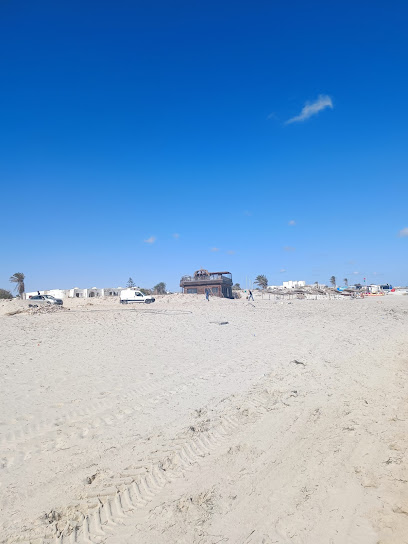
Djerba Beach in the Médenine Governorate represents part of the coastal charm that defines Tunisia’s southern shore. Nestled on the island of Djerba, the beach offers a sense of easy-going sunshine and space to stretch out along golden sands, with the turquoise glow of the Mediterranean nearby. This guide provides a practical overview for visitors seeking a relaxed beach day, scenic views, or a gentle introduction to the island’s seaside appeal.
What it is and highlights
Visitors should expect a classic beach experience: long stretches of sand, modest waves, and a backdrop of palm trees and traditional architecture along the coast. The natural setting is well suited to long walks at sunrise or sunset, photography opportunities, and dipping into calmer waters at certain points along the shore. The surrounding area often features modest amenities, including beachside cafés and small shops where traditional Tunisian snacks and refreshments may be found. As with many Mediterranean beaches in the region, the atmosphere leans toward laid-back and family-friendly environments, with a focus on simple pleasures rather than high-speed activity.
What to do
The activities available tend to be comfortable and low-key, suitable for families and travellers seeking a relaxed beach day. You may wish to:
- Take a stroll along the shoreline and scan for shells or interesting pebbles.
- Dip into the sea for a refreshing swim, keeping an eye on local currents and lifeguard advisories where available.
- Engage in casual beach games or simply enjoy the scenery with a book or camera in hand.
- Explore nearby towns or markets to experience local culture, crafts, and cuisine after a day at the beach.
- Admire the blend of island and coastal landscapes that characterise Djerba’s shoreline.
Who it’s best for
This beach tends to suit travellers who value a calm, approachable coastal environment over resort-style hustle. It is well matched to families seeking space to play, couples looking for a peaceful day by the water, and solo travellers who wish to unwind in a modest setting. Those hoping for extensive water sports or nightlife may wish to explore other beaches around Djerba or the broader Médenine region, where options can be more varied.
Practical tips
- Pack sun protection: hat, sunglasses, and a high‑SPF sunscreen, as the sun can be strong, even on cooler days.
- Bring water and light snacks, as facilities may be limited away from coastal amenities.
- Wear comfortable footwear for walking on sand and rocky sections near the shore.
- Respect local customs and dress modestly away from the water, particularly in nearby towns.
- Check local safety guidance for tides and swimming conditions before entering the water.
Best time to visit
Spring and autumn often offer mild temperatures and pleasant sea breezes, making these seasons favorable for a relaxed beach day. Summer brings hotter days and peak sunshine, which can be enjoyable for sunbathing but may require extra hydration and shade. Winter visits tend to be cooler, with fewer crowds, but sea temperatures may be less inviting for swimming. Consider not only weather but also local events or markets that may enrich your visit.
Getting there
Approaches to Djerba Beach vary depending on your starting point on the island or the mainland. If you are staying in Djerba’s resort zones or in the town of Houmt Souk, local transport options such as taxis, rental scooters, or organised transfers may be available. Public transport connections are more limited than in larger cities, so planning ahead or seeking advice from your accommodation can help you choose the most convenient option. If you plan to explore beyond the beach, allow time to enjoy other seaside attractions and cultural sites on Djerba.
Safety and etiquette
As with many Mediterranean beaches, standard safety precautions are prudent. Swim within designated areas when possible, keep an eye on children, and be mindful of changes in weather or sea conditions. Respect local norms in and around bathing areas, particularly in terms of dress codes and noise. Litter the shore only in designated bins or take it with you to help preserve the coastal environment for wildlife and other visitors.
In summary, Djerba Beach in ميدون offers a quintessential, easy-going Tunisian coastal experience. It is ideal for those seeking a restful day by the sea, with opportunities to combine gentle seaside moments with a taste of the local island atmosphere. For a broader visit, pair your beach time with nearby towns, markets, and cultural sights to gain a fuller sense of Médenine’s southern coastline.
ميدون
Médenine
Tunisia
Sorry, no records were found. Please adjust your search criteria and try again.
Sorry, unable to load the Maps API.
Discover Médenine: A Gateway to Desert Beauty
Médenine, in the south‑east of Tunisia, offers a warm gateway into the Sahara’s splendour while remaining an approachable base for visitors exploring the surrounding ksars, oases and rugged landscapes. The town itself is calm and authentic, making it an ideal starting point for day trips and longer excursions into the regional countryside. Expect wide skies, gentle hospitality and a sense of stepping back to traditional North African life.
Tourism
Tourists arrive to view the region’s distinctive architecture, such as ancient fortified village compounds and traditional grain stores set against a desert backdrop. Visitors commonly arrange guided excursions to nearby desert towns and ksars, where you can learn about local trading routes, crafts and agricultural history. Outdoor adventures, including walking in rugged terrain and short desert treks, are popular for those seeking memorable scenery and photo opportunities. While Médenine itself is quieter, its proximity to other famous southern destinations makes it a practical base for multi‑day itineraries.
Events and cultural experiences tend to be small and community‑led. Expect friendly conversations, opportunities to sample local fruits and sweets, and a respectful pace that suits travellers who prefer a relaxed travel rhythm.
Dining
Dining in Médenine focuses on Tunisian flavours with gentle spice, fresh produce and welcoming service. Expect simple, hearty meals featuring staple ingredients such as couscous, bread, olives, grilled meat or fish, and seasonal vegetables. Local eateries often pair traditional dishes with mint tea and strong coffee. For a balanced day, combine a light lunch in a café with a wider selection of regional dishes in larger towns nearby. Cheesier snacks, dates and yoghurt delicacies are common and ideal for a quick, authentic taste of the region.
Accommodation
Accommodation in Médenine ranges from modest guesthouses to comfortable mid‑range hotels. Many options prioritise a friendly, homely atmosphere, with locally sourced interiors and easy access to main streets and transport links. If you prefer a more immersive stay, consider a traditional guesthouse or a small hotel near the town centre, where staff can provide practical tips for day trips and local etiquette. For a broader choice, guesthouses and hotels in nearby towns often offer additional amenities and extended touring options.
Entertainment
Evenings tend to be relaxed, with opportunities to enjoy regional music, conversation, and night markets in or near the town. Entertainment is typically low‑key, focusing on shared meals, tea and storytelling rather than large performances. For a livelier scene, plan visits to towns a short distance away where traditional music performances or seasonal festivals may occasionally take place. Always check local schedules and weather‑related advisories when planning evening activities.
Tourist Attractions
Key draws include the region’s distinctive ksars and desert vistas. The surrounding countryside features dramatic clay‑brick architecture, arid hills and wide horizons that are perfect for photography and quiet reflection. You can base line day trips around observing agricultural life, visiting traditional workshops and learning about historical trade routes. Close by, you may discover additional oases, rocky pathways and scenic viewpoints that showcase Tunisia’s southern character without straining travel plans.
Practical tips
- Best time to visit: spring (March–May) and autumn (September–November) offer mild temperatures and pleasant conditions for outdoor sightseeing.
- Transport: consider hiring a car for flexibility, or use local taxis and regional services for day trips. Public buses operate in the region, but timetables may be limited.
- Safety and etiquette: dress modestly in public spaces, respect local customs, and seek advice from hosts for appropriate behaviour at cultural sites. Carry water, sunscreen and a hat for sun protection.
- Money and communications: carry some cash in local currency; not all places accept cards. Basic French or Arabic phrases can be helpful in interactions with locals.
- Health: stay hydrated, especially in warmer months, and use appropriate sun protection. Check recommended vaccinations and travel guidance before departure.