
Bridal Veil Falls, Chimanimani – A Guide
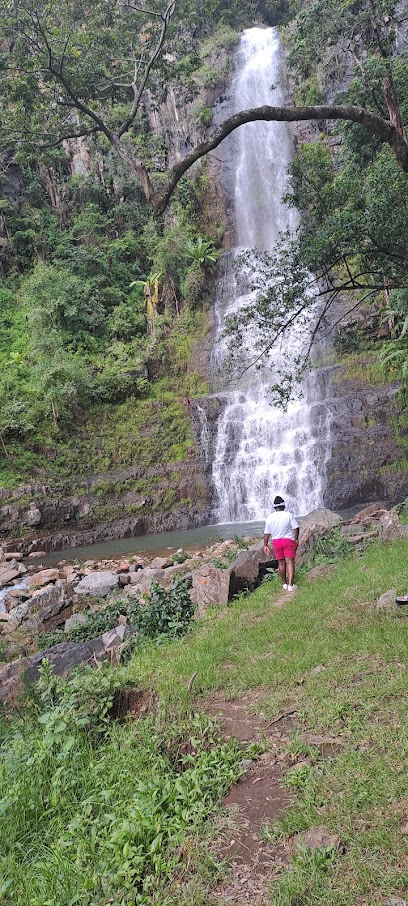
Bridal Veil Falls is a waterfall set in the rugged beauty of Chimanimani, within Manicaland Province, Zimbabwe. The name evokes the cascading veil of water that tumbles over rock and into a gorge, framed by lush vegetation and dramatic escarpment scenery. While not as crowded as some well‑known destinations, the falls rewards those who seek a peaceful encounter with nature, offering a sense of solitude and the chance to observe the region’s distinctive subtropical flora and, at times, abundant birdlife.
The falls form part of Chimanimani’s extraordinary landscape, where green hills, rocky outcrops and forested valleys meet, creating a backdrop that is as photographically striking as it is spiritually refreshing. Visitors often remark on the hum of the surrounding environment—the breeze through trees, the spray on the air, and the distant sounds of wildlife—contributing to a sense of immersion rather than crowd‑driven spectacle. If you are a traveller who enjoys a quiet, nature‑focused visit rather than a high‑action excursion, Bridal Veil Falls tends to suit you well.
What many visitors highlight is the sense of achievement that comes with a hike to the falls, coupled with the reward of a serene viewing point. The surrounding terrain can vary from gentle woodland tracks to more rugged paths, depending on the route chosen, so a certain level of fitness and a readiness for uneven ground will usually be beneficial. The falls themselves are commonly described as graceful and photogenic, with mist and spray contributing to atmospheric photos on bright or overcast days alike.
The site often works best as part of a longer day of exploring in the Chimanimani region. Some travellers combine a visit to the falls with other nearby viewpoints, forest walks, or a picnic in suitably designated areas. If you are planning a tight schedule, be mindful that times may be dictated by local conditions and access routes, which can change with weather or seasonal maintenance. Still, for many, the experience of a slower, woodland‑driven day near the falls remains a highlight of a Chimanimani itinerary.
What to do
At Bridal Veil Falls, the primary activity is enjoying the view and atmosphere. Walking along the paths, taking photographs, and listening to the atmospheric sounds of the environment are common ways visitors spend their time. Depending on the exact location and access permissions, there may be opportunities for a closer look at the waterfall from designated viewing points. Always prioritise safety and the integrity of the landscape—stick to established paths and follow local guidance.
Who it’s best for
The waterfall is well suited to travellers who appreciate nature, quiet scenery, and outdoor walking. It can be particularly appealing for photographers seeking a natural water feature framed by green hills, as well as for couples or small groups seeking a low‑key, scenic day out. Families with older children who are comfortable on uneven terrain may also enjoy a visit, provided they are prepared for a moderate walk and changeable conditions.
Practical tips
- Wear sturdy footwear suitable for uneven ground and damp areas.
- Bring water, sun protection, and a light layer for cooler moments along the trail.
- Pack a small snack and a towel if you plan to sit and rest near the fall or enjoy a picnic in permitted areas.
- Respect local customs and communities; keep noise to a reasonable level and dispose of rubbish responsibly.
- Check with a local guide or visitor information point for current access guidelines, trail conditions, and safety advisories.
Best time to visit
Bridal Veil Falls can be enjoyed year round, but the experience may differ with the seasons. Many visitors find the waterfall and surrounding scenery particularly lush after rainfall, when colours are vibrant and the volume of water is at its peak. In drier months, the site may be more exposed and trails can be dustier. If you are seeking the most dramatic water flow, plan around the rainy season or immediately afterwards, while understanding that access conditions can vary with weather.
Getting there
Access to Bridal Veil Falls is typically by road through the Chimanimani area in Manicaland Province. Depending on your starting point and recent road conditions, a local guide or driver familiar with the region can provide directions, transport and safety guidance. There are often no formal facilities at every access point, so it is advisable to arrange transport with a reputable operator and to confirm plans locally before travelling.
Safety and etiquette
Respect the natural environment and other visitors. Stay on marked paths, avoid climbing on rocks near the falls, and supervise children closely. Do not disturb wildlife, and leave no trace—take all litter with you and minimise visibility of your belongings to deter theft. If you are unsure about path conditions or safety at the viewing points, seek advice from a local guide or park staff. Always follow any posted rules or local advisories.
Whether you’re seeking a tranquil moment in a verdant landscape or a photography‑savvy stop on a Chimanimani itinerary, Bridal Veil Falls offers a modest yet memorable experience that highlights the enduring beauty of Zimbabwe’s eastern highlands.
Chimanimani
Manicaland Province
Zimbabwe
Sorry, no records were found. Please adjust your search criteria and try again.
Sorry, unable to load the Maps API.
Chimanimani: A Guide to Tourism, Dining, Accommodation, Entertainment and Attractions
Nestled in Manicaland Province, Chimanimani offers a serene escape where dramatic mountain scenery meets warm hospitality. The area is well known for its rugged landscapes, open plains and river valleys, making it a popular destination for outdoor enthusiasts and curious travellers alike. Visitors can combine scenic walks with cultural encounters, delicious dining, and comfortable places to rest after a day of exploration.
When planning a visit, the best time tends to be the dry season, which runs from late winter through spring. This period usually offers clearer skies and easier travel along trails. However, Chimanimani’s charm can be found year round: the cooler months are excellent for hiking, while the green season brings vibrant colours and a different atmosphere. Pack layers, sturdy footwear and essentials for changing conditions, especially if you plan to venture into more remote areas.
Tourism and Attractions
Outdoor adventures centre on the surrounding mountains, gorges and forests. Guided treks, day walks and shorter nature excursions allow travellers to appreciate panoramic viewpoints, waterfalls and diverse flora and fauna. For a more relaxed pace, scenic drives or gentle riverside strolls are appealing, with opportunities for wildlife watching and birding along the way.
Nearby cultural experiences include visits to traditional communities and craft markets where you can observe local artistry and sample handmade goods. It is customary to greet warmly, learn a few polite phrases, and respect local customs. For longer stays, consider arranging culturally informed itineraries with reputable operators to gain a deeper understanding of the region’s history and heritage.
Dining
Dining options in Chimanimani range from modest cafés to guesthouse dining rooms and village eateries. You can expect hearty, home‑style meals featuring locally sourced ingredients. Traditional dishes may be complemented by familiar favourites; be prepared for authentic African flavours and generous portions. It is wise to check meal times in advance and to enjoy a slow, social dining experience, as meals are often a centrepiece of hospitality.
Accommodation
There is a range of accommodation to suit different budgets, from family-run guesthouses to more secluded lodges. Expect clean, comfortable rooms, friendly service and easy access to trails and viewpoints. Booking ahead is advised during peak travel periods, but many places can offer flexible arrangements. Simple amenities such as secure storage for gear, hot water and reliable bedding contribute to a restful stay after a day on the hills.
Entertainment and Practical Tips
Evenings can be quiet but rewarding, with guesthouses often hosting informal gatherings where travellers share stories and local music. If you are seeking more nightlife or live entertainment, you may need to travel to nearby towns, as Chimanimani itself leans towards tranquil evenings and starlit skies.
- Transport: Arrange transfers with reputable operators or your accommodation. Roads can be rural and weather‑dependent, so plan with flexibility.
- Safety and etiquette: Keep valuables secure, travel with a companion when possible, and be mindful of local customs and environmental conservation. Respect private land and follow marked trails.
- Packing: Bring weather‑appropriate clothing, a compact first aid kit, and a reusable water bottle. A light rain jacket is sensible, even in dry seasons.
- Connectivity: mobile reception may be intermittent in mountain areas; inform someone of your itinerary and carry a map or offline navigation if venturing off the beaten track.
Chimanimani rewards travellers with striking landscapes, gracious hosts and an authentic rural Zimbabwean experience. Whether you are chasing mountain adventures, cultural insights or simply a peaceful retreat, this corner of Manicaland offers a memorable escape into nature and hospitality.