
Biyo-kulul, Siti – Hot Springs in the Somali Region, Ethiopia
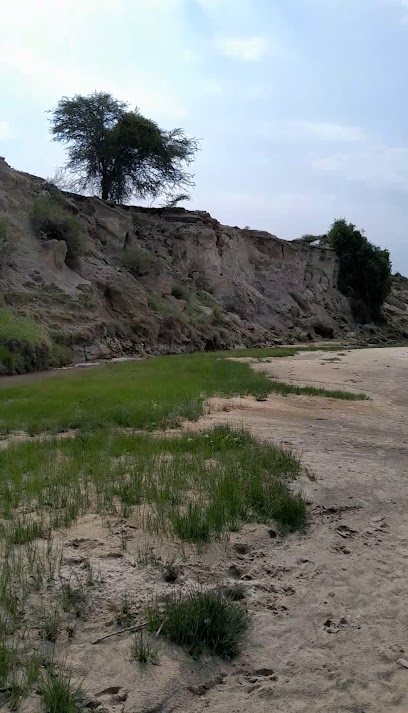
Biyo-kulul is a natural hot springs site located near Siti in the Somali Region of Ethiopia. Known for its warm mineral waters, the area offers a relaxing setting that combines natural thermal features with the region’s distinctive landscapes. The site presents an opportunity to experience a different side of Ethiopia’s diverse environment, where geothermal warmth meets the open scenery of the Ethiopian highlands.
Highlights often mentioned by visitors include the tranquillity of the surroundings and the chance to unwind in warm waters while taking in the rural scenery and local life nearby. The setting provides a quiet escape from busier tourist routes, making it appealing for travellers who value atmosphere, nature and an authentic regional experience.
What to do at Biyo-kulul is largely centred on enjoying the hot springs themselves. Visitors typically take part in soaking in the warm mineral-rich waters, which can be a calming activity after days of travel or trekking. Beyond the water, opportunities to observe the surrounding landscape and the rhythms of daily life in the area enhance a visit for those who enjoy nature and cultural immersion. Depending on local arrangements, informal pathways or viewpoints may offer chances for short walks and photography, all while respecting the privacy and pace of those who live and work nearby.
Who is Biyo-kulul best for? The site is suited to travellers seeking relaxation, a slower pace, and an authentic sense of place in the Somali Region. It can also appeal to nature lovers and those curious about geothermal features in East Africa. Because information on amenities and facilities is limited, it is well-matched with independent travellers or visitors who prefer low-key experiences and the guidance of local experts on the day of their visit.
Practical tips for planning a visit include dressing modestly and comfortably, bringing essentials such as water, sunscreen and a hat, and being prepared for simple facilities. Since the site is a natural area, there may be limited shade and seating, so plan for sun protection and hydration. It is wise to check local advice on water temperatures and any seasonal conditions before you go, and to travel with a guide or local contact if you’re unfamiliar with the area. Respect for local communities and natural surroundings is encouraged at all times.
Best time to visit is typically when conditions allow comfortable access to the site and when it suits your travel plan. In many regions of Ethiopia, dry periods can offer easier travel and clearer surroundings, but temperatures can be hot during the day, so plan accordingly and aim for early morning or late afternoon visits if possible to enjoy cooler air and softer light for views.
Getting there generally involves regional transport and guidance from local operators. If you’re travelling independently, contacting a local guide or community liaison can help you arrange access, safety briefings and any needed permissions. Plan for a modest itinerary and allow flexibility for weather and local advice.
Safety and etiquette are important to observe. Respect local customs, seek permission where appropriate, and avoid entering private or restricted areas. Keep noise to a considerate level, protect the environment by carrying out all litter, and use designated access points when they exist. If you are unsure about safe areas for soaking or swimming, ask a local guide or resident for directions and guidelines. By approaching the visit with curiosity and courtesy, you can enjoy a peaceful experience that supports both the natural site and its surrounding community.
- What to bring: sun protection, water, modest clothing, sturdy footwear for light walking, and a camera if you wish to capture the landscape (while being respectful of privacy).
- Essentials to confirm: access arrangements, local guidance, and any seasonal advice from reliable sources on the day of your visit.
Siti
Somali Region
Ethiopia
Sorry, no records were found. Please adjust your search criteria and try again.
Sorry, unable to load the Maps API.
Exploring Siti, Somali Region, Ethiopia
Situated in the eastern Somali Region of Ethiopia, Siti offers an authentic glimpse into the country’s vast landscapes, nomadic traditions and resilient local communities. Visitors come to absorb the stark beauty of the plains, observe traditional ways of life, and experience heartfelt hospitality. The area rewards travellers who are prepared for a slow, respectful pace and absolute openness to new experiences.
Tourism in Siti centres on discovering the landscape, engaging with pastoralist communities, and enjoying moments of quiet solitude in wide-open spaces. Outdoor activities abound, from long, scenic drives to sunrise walks across savannah-like terrain. For birdwatchers and nature enthusiasts, seasonal wetlands and seasonal migrations provide opportunities to observe wildlife and enjoy the quiet soundtrack of the bush. While some sights are remote, the experience is enriched by the cultural dynamics of the region—market days, traditional music, and crafts made by local artisans.
Dining options in and around Siti tend to be modest but welcoming. Expect simple, hearty meals based on staples such as injera, stews and grilled meat, accompanied by tea or locally produced coffee. In larger towns nearby, you may find a wider selection of restaurants and guesthouses offering a mix of regional Ethiopian dishes and lighter fare. When dining out, it is polite to ask about spice levels and to sample milk tea or yoghurt when offered.
Accommodation in this part of Ethiopia ranges from basic guesthouses to more comfortable lodges in nearby towns. In some areas, visitors may stay in traditional-style camps or family-run homestays that provide insight into daily life and customs. Whichever option you choose, book in advance where possible and be prepared for more modest facilities than in major tourist centres. Guests should confirm water and power arrangements and bring essentials such as sun protection, a flashlight and a basic first-aid kit.
Entertainment in Siti is often informal and intimately tied to daily life. Expect friendly conversations with locals, occasional music gatherings, and community events during market days. If you have the opportunity, participate respectfully in cultural exchanges—acknowledging local norms and avoiding sensitive topics. Photography is welcome in many places, but always ask for consent in homes, camps or when people are engaged in daily tasks.
Top tourist attractions and experiences include exploring the vast landscapes, observing traditional pastoralist routines, and visiting nearby villages where crafts and trades are practiced. Plan your itinerary to include travel between settlements during daylight hours, and allow flexibility to adapt to weather and community calendars. For those seeking more structure, local guides can offer context, translate questions, and ensure safety while you explore less-accessible areas.
Best time to visit is during the dry season when roads are more navigable and weather is typically cooler, especially from late autumn to early spring. The rainfall period can make travel challenging and some routes impassable. If you travel during shoulder seasons, be prepared for changing conditions and plan accordingly.
Practical tips: hire a reputable local guide or travel company, carry sufficient water, sun protection and a charged mobile phone. Use recognised transport options for longer journeys and avoid isolated routes after dark. Dress modestly and respect local customs—for example, modest attire for both men and women when visiting villages. Always obtain permission before taking photographs of people or private spaces, and tip guides and service providers according to local norms if you are satisfied with their assistance.
Whether you are drawn by the landscape, the chance to meet hospitable hosts, or the simplicity of life in the Somali Region, Siti offers a unique gateway to a country that rewards patience, curiosity and respectful travel.