
Geography of Zimbabwe
Zimbabwe, a landlocked country in Southern Africa, is characterized by diverse geographical features that shape its climate and habitats. The country is predominantly made up of high plateaus, known as the Eastern Highlands, and features notable natural landmarks such as the Great Zimbabwe Ruins and the Zambezi River. Its geographical diversity supports rich biodiversity and influences its agricultural practices, making Zimbabwe a country of ecological and cultural significance.
Topography and Landforms
Zimbabwe’s geography is characterized by diverse topography and landforms that shape its landscape. Located in southern Africa, Zimbabwe features a mixture of highlands, plateaus, and river valleys that create a varied terrain. The country is largely covered by the Central African Plateau, which is etched with several mountain ranges and elevated regions. The prominent landforms include the Eastern Highlands along the border with Mozambique, comprising rugged mountains such as the Chimanimani and Nyanga ranges. To the west, the terrain gradually descends into the Kalahari Desert basin, characterized by arid plains and low-lying areas. The landscape is also marked by major rivers, including the Zambezi River, which forms the impressive Victoria Falls, and the Limpopo River, forming part of the southern boundary. Zimbabwe’s landforms support a range of ecosystems and influence the climate, making it a land of significant geographical diversity.
Climate and Weather Patterns
Zimbabwe is a landlocked country located in southern Africa, characterized by diverse geographical features that include high plateaus, mountains, savannas, and rivers. The country is primarily situated on a high plateau with an average elevation of about 1,200 meters (3,937 feet) above sea level, which contributes to its generally temperate climate. Notable geographical features include the Great Zimbabwe Ruins, the Zambezi River forming the natural border with Zambia, and the Eastern Highlands, which include some of the country’s highest peaks such as Mount Nyangani.
The climate of Zimbabwe varies from tropical savanna in the low-lying regions to temperate in the highland areas. It experiences a mostly subtropical climate with distinct wet and dry seasons. The rainy season occurs from November to March, bringing heavy downpours that sustain agriculture and natural ecosystems. The dry season, from April to October, features cooler temperatures and lower rainfall, especially in the center and south of the country. Weather patterns are influenced by the Intertropical Convergence Zone and the movement of the warm Indian Ocean air masses, which bring seasonal rains.
Major Rivers and Lakes
Zimbabwe, located in southern Africa, features a diverse geography characterized by highlands, plateaus, and river valleys. The country’s landscape is predominantly made up of a central basin surrounded by mountainous regions, offering a variety of natural environments and resources.
Major rivers in Zimbabwe include the Zambezi River, which forms the country’s northern border and is famous for its Victoria Falls, one of the world’s largest and most spectacular waterfalls. Other significant rivers are the Limpopo River to the south and southeast, serving as a natural border with South Africa and Mozambique, and the Save River, which flows into Mozambique. These rivers are vital for agriculture, hydroelectric power, and transportation.
Zimbabwe’s notable lakes include Lake Kariba, one of the largest artificial reservoirs in the world, situated on the Zambezi River. It provides essential water, hydroelectric energy, and fishing opportunities. Other lakes like Lake Naivasha and Lake Manyame are smaller but contribute to local ecosystems and livelihoods. The country’s lakes and rivers are key to sustaining its agriculture, wildlife, and overall economic development.
History of Zimbabwe
The history of Zimbabwe is a rich tapestry that reflects a diverse cultural heritage and a complex past. From ancient civilizations such as Great Zimbabwe, which was once the heart of a powerful kingdom, to the colonial era and subsequent independence, Zimbabwe’s history is marked by resilience and transformation. This fact-rich overview explores key moments and developments that have shaped the nation into what it is today.
Ancient Kingdoms and Civilizations
The history of Zimbabwe is rich and diverse, reflecting a legacy of ancient kingdoms and civilizations that shaped the region’s cultural and political landscape. This country, located in southern Africa, has been home to some of the earliest complex societies on the continent, with a history dating back thousands of years. Understanding these ancient kingdoms provides insight into Zimbabwe’s historical significance and its contributions to regional development.
One of the most prominent ancient civilizations in Zimbabwe is the Kingdom of Great Zimbabwe, which flourished between the 11th and 15th centuries. It is renowned for its impressive stone architecture and served as a major trading hub. These structures, often called Great Zimbabwe, are considered the largest ancient stone constructions in sub-Saharan Africa and a UNESCO World Heritage Site.
In addition to Great Zimbabwe, other significant ancient groups include the Torwa and Rozvi kingdoms. The Torwa dynasty, which ruled from the 15th to the 17th centuries, was centered in the southwestern part of the country. Later, the Rozvi Empire (17th to 19th centuries) emerged as a powerful state known for resisting colonial encroachment and expanding territorial influence.
- Early Bantu settlers migrated into the region around 1500 BCE, bringing ironworking and farming techniques that established the foundation for later civilizations.
- Great Zimbabwe rose to prominence as a major trading center, facilitating trade in gold, ivory, and other commodities with Arab, Persian, and Swahili traders.
- By the 15th century, the Kingdom of Mutapa succeeded Great Zimbabwe as the dominant political entity, controlling vast territories and maintaining trade networks.
- European contact began in the 16th century, leading to complex interactions, conflicts, and eventual colonization, which profoundly impacted indigenous societies.
Colonial Era and Independence
Zimbabwe’s history is rich and complex, beginning with ancient civilizations such as the Kingdom of Mapungubwe and the Great Zimbabwe Empire, which flourished between the 11th and 15th centuries. These early societies were known for their impressive stone architecture and trading networks that connected them with the broader Indian Ocean trade routes.
During the colonial era, the territory now known as Zimbabwe was inhabited by the Shona and Ndebele peoples. The region was colonized by the British in the late 19th century, initially as Southern Rhodesia under British South Africa Company rule, led by Cecil Rhodes. The colonial government imposed policies that marginalized indigenous Africans, restricted land ownership, and exploited labor, leading to widespread inequalities and resistance movements during this period.
The struggle for independence gained momentum in the mid-20th century, with various nationalist movements emerging, notably the Zimbabwe African National Union (ZANU) and the Zimbabwe African People’s Union (ZAPU). These groups sought to end colonial rule and attain self-governance. The confrontation culminated in a protracted guerrilla war, known as the Rhodesian Bush War, which lasted from 1964 to 1979. This conflict, coupled with international pressure and negotiations, led to the Lancaster House Agreement and the recognition of independence.
Zimbabwe officially gained independence from Britain on April 18, 1980, with Robert Mugabe becoming the nation’s first Prime Minister. The transition marked the end of colonial rule and the beginning of a new era centered on nation-building and independence. However, the post-independence period was also marked by political challenges, economic struggles, and efforts to reconcile the diverse populations within the country.
Post-Independence Developments
Zimbabwe’s post-independence history is marked by significant political, economic, and social developments that have shaped the nation’s modern identity. Achieving independence from British colonial rule in 1980, Zimbabwe, formerly known as Southern Rhodesia, was led by Robert Mugabe, who became the country’s first Prime Minister and later President. His leadership was initially associated with efforts to unify the nation and address colonial injustices, including land redistribution and social reforms.
However, the post-independence period was also characterized by political struggles, economic difficulties, and governance challenges. Mugabe’s government faced accusations of authoritarian rule, election irregularities, and human rights abuses. In the late 20th and early 21st centuries, economic decline worsened, driven by land reform policies, hyperinflation, and international sanctions. This economic turmoil led to shortages of basic goods, unemployment, and a significant deterioration in living standards.
Despite these hardships, Zimbabwe made strides in health and education, with improvements in literacy rates and healthcare access. In recent years, efforts to stabilize the economy and foster political reform have been ongoing, with changes in leadership and policies aimed at restoring stability and growth. Zimbabwe’s post-independence history reflects a complex interplay of hope, resilience, and ongoing challenges faced by the nation as it continues to seek sustainable development.
Political Structure
Zimbabwe’s political structure is characterized by a centralized government led by a President who serves as both head of state and head of government. The country operates as a republic with a multi-party political system, where political power is shared among various institutions including the Parliament and judiciary. Understanding Zimbabwe’s political framework is essential to grasp how decisions are made and how authority is distributed within the nation.
Government System and Leadership
Zimbabwe’s political structure is characterized by a centralized government system with a strong executive branch. The country operates under a presidential republic, where the President serves as both head of state and head of government, wielding significant authority. The legislative power is vested in a bicameral Parliament, consisting of the National Assembly and the Senate, which together enact laws and oversee government functions. The judiciary functions independently, ensuring the rule of law and constitutional adherence.
Zimbabwe’s government system has historically been dominated by the Zimbabwe African National Union-Patriotic Front (ZANU-PF), with past leaders like Robert Mugabe playing pivotal roles in shaping national policies and leadership dynamics. The President is elected through a national vote for a term of five years, with the possibility of re-election. Leadership in Zimbabwe is often characterized by a blend of political authority, party influence, and efforts to maintain stability amid economic and social challenges.
Recent Political History
Zimbabwe’s political structure is a semi-presidential republic characterized by a dominant-party system, primarily led by the Zimbabwe African National Union-Patriotic Front (ZANU-PF). The government comprises the executive, legislative, and judiciary branches, with the President serving as both head of state and government. The Parliament includes the Senate and the House of Assembly, with elections held every five years. The judiciary is independent but has historically faced challenges related to political influence.
Recent political history in Zimbabwe has been marked by significant turmoil and transitions. In 2017, Robert Mugabe resigned after nearly four decades in power following a military intervention and mass protests. Emmerson Mnangagwa succeeded him as President, promising economic reforms and political change. However, Zimbabwe continues to grapple with issues such as economic instability, currency devaluation, and allegations of electoral irregularities. The political climate remains tense, with opposition parties and civil society organizations advocating for greater transparency and democratic reforms.
International Relations
Zimbabwe’s political structure is primarily a republic with a central government that holds significant authority. The President serves as both head of state and head of government, and is elected through a democratic process, although political dynamics have historically been influenced by dominant parties and leading figures. The legislative branch consists of the Parliament, divided into the House of Assembly and the Senate, which oversee national policymaking and legislation.
In terms of international relations, Zimbabwe pursues a foreign policy focused on regional integration, economic development, and maintaining strong ties with key allies. It is a member of the Southern African Development Community (SADC), the African Union (AU), and other international organizations that promote cooperation within Africa. Zimbabwe aims to attract foreign investment and improve diplomatic relations, particularly with countries that support its development goals. However, its relations have occasionally been strained due to political issues domestically and concerns over governance and human rights.
Economy of Zimbabwe
The economy of Zimbabwe has experienced significant fluctuations over the years, shaped by a complex mix of historical, political, and economic factors. Once considered one of Africa’s most promising economies, it faced challenges such as hyperinflation, currency instability, and a reliance on agriculture and mineral resources. Despite these hurdles, Zimbabwe remains rich in natural resources and continues to work towards economic stabilization and growth.
Major Industries and Agriculture
Zimbabwe’s economy is characterized by a diverse range of industries and a significant agricultural sector that plays a vital role in the country’s development. The nation has faced economic challenges in recent years, including hyperinflation and currency instability, but it remains a key player in regional trade and resource extraction.
Major industries in Zimbabwe include mining, manufacturing, and tourism. The country is rich in mineral resources such as platinum, gold, diamonds, and nickel, which contribute substantially to export revenue. The manufacturing sector produces textiles, steel, and chemicals, supporting both domestic consumption and exports. Tourism is also significant, with attractions like Victoria Falls drawing international visitors and generating foreign exchange earnings.
Agriculture is the backbone of Zimbabwe’s economy, employing a large portion of the population. The sector produces tobacco, maize, cotton, sugarcane, and coffee, with tobacco being one of the leading export crops. Despite challenges such as land reform policies and climate variability, agriculture remains crucial for food security and rural livelihoods, and efforts continue to modernize and expand this sector.
Economic Challenges and Opportunities
The economy of Zimbabwe has experienced significant fluctuations over the past few decades, marked by periods of growth and decline. As a landlocked country in Southern Africa, Zimbabwe’s economy is largely driven by agriculture, mining, manufacturing, and services sectors. Despite its rich natural resources, the nation faces numerous economic challenges that impact its development and stability. However, these difficulties also present opportunities for reform and growth if managed effectively.
Key economic challenges in Zimbabwe include high inflation rates, currency instability, unemployment, and a reliance on mineral exports. The country has faced hyperinflation in the past, which eroded savings and destabilized the economy. Additionally, economic sanctions and political instability have affected investor confidence. Infrastructure deficiencies and limited access to capital further hinder growth prospects.
Despite these challenges, Zimbabwe has several opportunities to revitalize its economy. The country’s abundant natural resources such as platinum, gold, and diamonds offer significant potential for mining growth. Agriculture can be expanded through modern techniques and diversification to reduce reliance on a few crops. Tourism is another promising sector, leveraging Zimbabwe’s rich cultural heritage and natural attractions like Victoria Falls. Implementing sound economic policies, improving governance, and attracting foreign investment can help harness these opportunities for sustainable development.
Foreign Investment and Trade
Zimbabwe’s economy has experienced significant fluctuations over recent decades, heavily influenced by political, social, and economic factors. The country primarily relies on agriculture, mining, and manufacturing sectors, with gold, platinum, and diamonds being key mineral exports. Despite its wealth of natural resources, Zimbabwe has faced challenges such as hyperinflation, currency instability, and external sanctions, which have hindered sustained economic growth.
Foreign investment in Zimbabwe has been fluctuating due to concerns over political stability, regulatory environment, and infrastructure. While the government has made efforts to attract foreign direct investment through policy reforms and incentives, issues such as corruption and the need for improved ease of doing business continue to pose challenges.
Trade is vital for Zimbabwe’s economy, with major trading partners including China, South Africa, and the European Union. The country exports minerals, agricultural products, and manufactured goods, but imports machinery, fuel, and consumer goods. Zimbabwe has been working towards diversifying its export base and strengthening regional trade agreements, yet economic hurdles remain that affect trade volumes and competitiveness on the global stage.
Culture and Society
Culture and society in Zimbabwe are rich and diverse, shaped by a long history of indigenous traditions, colonial influences, and modern developments. The country’s cultural landscape reflects its vibrant communities, unique customs, and social structures that have evolved over centuries. Understanding Zimbabwean culture provides important insights into the values, beliefs, and everyday life of its people, highlighting the significance of tradition in shaping contemporary society.
Languages and Ethnic Groups
Zimbabwe is a nation rich in cultural diversity and vibrant societal traditions. Its society is shaped by a blend of indigenous customs and influences from historical interactions with various colonizers. The country boasts a variety of languages spoken across different ethnic groups, illustrating its multicultural heritage.
The primary languages in Zimbabwe include Shona and Ndebele, spoken by the majority of the population, along with English, which is used officially in government and education. Other languages such as Chewa, Tonga, and many smaller dialects are also spoken by different ethnic communities, highlighting the country’s ethnolinguistic diversity.
Zimbabwe’s ethnic groups are predominantly the Shona and Ndebele, each with distinct cultural practices, traditions, and social structures. The Shona, the largest ethnic group, has a rich tradition of music, dance, and art, often centered around communal gatherings and storytelling. The Ndebele people, known for their distinctive beadwork, colorful attire, and mural art, also maintain vibrant cultural customs. These groups coexist peacefully, contributing to Zimbabwe’s overall cultural mosaic.
Overall, Zimbabwe’s culture and society are characterized by a harmonious coexistence of multiple ethnic identities and languages, which collectively preserve the country’s history, traditions, and societal values.
Religious Practices
Zimbabwe’s rich cultural heritage is deeply rooted in its diverse religious practices and societal customs. The country is known for its vibrant traditions that blend indigenous beliefs with influences from Christianity and other faiths. Religious ceremonies, festivals, and rituals play a vital role in community life, reflecting the spiritual worldview of various ethnic groups such as the Shona and Ndebele. These practices often include music, dance, and art that convey religious stories and ancestral worship, fostering a strong sense of identity and social cohesion. Additionally, religious leaders and elders hold significant influence within society, guiding moral values and community decisions. Overall, the intertwining of culture and religion in Zimbabwe exemplifies the nation’s enduring respect for tradition while adapting to modern influences.
Traditions and Festivals
Zimbabwe boasts a rich cultural heritage rooted in its diverse traditions and vibrant festivals. The Shona and Ndebele communities, the two largest ethnic groups, proudly preserve their unique customs through music, dance, and storytelling. Traditional ceremonies such as the Bira, a spiritual ritual for communicating with ancestors, play a significant role in community life. Festivals like the Zimbabwe International Book Fair and the Harare International Festival of the Arts showcase the country’s creative spirit, drawing visitors from around the world. Furthermore, Zimbabwean artisans are renowned for their intricate craftwork, including stone sculpture, basketry, and beadwork, which are often displayed and celebrated during cultural festivals. These traditions and festivals not only strengthen social bonds but also serve as vital expressions of national identity and pride, passing cultural knowledge from generation to generation.
Natural Resources and Environment
Zimbabwe is a country rich in natural resources and diverse environmental landscapes. Its abundant mineral deposits, fertile agricultural land, and abundant wildlife highlight the nation’s connection to the natural environment. Understanding the importance of sustainable resource management is crucial for Zimbabwe’s economic development and ecological preservation.
Mineral Resources
Zimbabwe is endowed with a variety of natural resources, with mineral resources playing a significant role in its economy. The country possesses rich deposits of minerals such as platinum, gold, diamonds, and coal. These mineral resources have historically contributed to Zimbabwe’s economic development and continue to be vital for its growth.
Mineral resources in Zimbabwe are mainly found in regions like the Great Dyke, a geological formation rich in platinum group metals, and the Mashonaland region, known for its gold deposits. The mining industry not only provides raw materials for export but also creates employment opportunities and stimulates local economies.
Environmental concerns associated with mineral exploitations include deforestation, soil erosion, water pollution, and habitat destruction. These issues highlight the importance of sustainable mining practices and environmental conservation efforts to ensure that the natural resources are utilized responsibly for the benefit of future generations.
Zimbabwe’s government and various organizations are working towards implementing policies that promote responsible resource management, environmental protection, and sustainable development in the mining sector, aiming to balance economic growth with ecological preservation.
Wildlife and Conservation Efforts
Zimbabwe is endowed with diverse natural resources that play a vital role in its economy and ecological balance. The country’s rich mineral deposits include diamonds, gold, platinum, and coal, which contribute significantly to national revenue. In addition to minerals, Zimbabwe boasts extensive freshwater resources, with major rivers such as the Zambezi and Limpopo supporting agriculture and hydroelectric power generation.
Environmental conservation in Zimbabwe has gained increasing attention as vital to ensuring sustainable development. The government and various organizations have implemented measures to protect forests, rivers, and other ecosystems from deforestation, pollution, and overexploitation. National parks like Hwange, Matusadona, and Gonarezhou are critical habitats for diverse wildlife and serve as major tourist attractions, fostering conservation awareness and economic benefits.
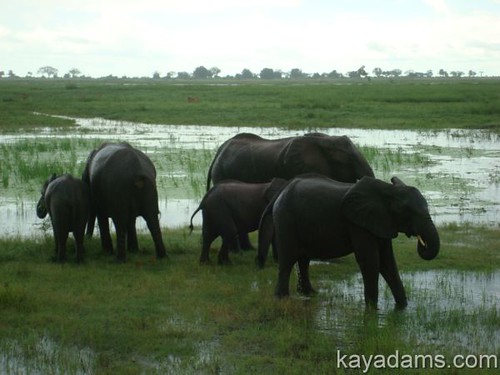
Zimbabwe’s wildlife conservation efforts focus on protecting endangered species such as elephants, rhinos, and lions. Anti-poaching initiatives, community involvement, and strict wildlife laws have been enacted to combat illegal hunting and habitat loss. Community-based natural resource management programs further empower local populations to participate actively in conserving their environment while benefiting economically through eco-tourism activities.
Environmental Issues and Sustainability
Zimbabwe is endowed with a diverse range of natural resources, including mineral deposits, fertile agricultural land, and abundant wildlife. These resources are vital for the country’s economic development and have the potential to support sustainable growth if managed properly. However, challenges such as deforestation, illegal mining, and pollution threaten the health of Zimbabwe’s environment. Environmental issues like soil erosion, water scarcity, and loss of biodiversity are prompting urgent need for sustainable practices. Efforts to promote environmental conservation and sustainable resource utilization are crucial for Zimbabwe’s future stability and development. Implementing policies that balance economic growth with ecological preservation can ensure that natural resources continue to benefit generations to come.
Tourism in Zimbabwe
Zimbabwe is a captivating destination renowned for its rich cultural heritage and stunning natural landscapes. As a country full of diverse attractions, it offers travelers an array of experiences, from exploring ancient ruins to witnessing breathtaking wildlife in its national parks. Tourism in Zimbabwe plays a vital role in showcasing its historical significance and natural beauty, making it a fascinating destination for adventure seekers and culture enthusiasts alike.
Major Tourist Attractions
Zimbabwe is a captivating destination known for its diverse landscapes, rich cultural heritage, and abundant wildlife, making it a popular spot for tourists seeking adventure and natural beauty. The country offers a unique blend of history, nature, and wildlife, attracting visitors from around the world.
One of the major tourist attractions in Zimbabwe is Hwange National Park, renowned for its extensive variety of wildlife, including elephants, lions, and cheetahs, providing exceptional safari experiences. Victoria Falls, one of the world’s largest and most spectacular waterfalls, is another must-visit site, offering breathtaking views and exciting activities like helicopter rides and white-water rafting. Great Zimbabwe Ruins, a UNESCO World Heritage Site, showcases the ancient kingdom’s impressive stone architecture and provides insights into the country’s historical significance. Matobo Hills, with their striking granite formations and rich archaeological sites, are perfect for hiking, bird watching, and exploring historical tombs. Lake Kariba, one of the largest man-made lakes globally, offers fishing, houseboat cruises, and relaxing retreats amidst scenic surroundings. These attractions highlight Zimbabwe’s natural splendor and cultural depth, making it a fascinating destination for travelers worldwide.
Adventure and Ecotourism
Zimbabwe is renowned for its diverse tourism offerings, especially in the realms of adventure and ecotourism. The country’s breathtaking landscapes, from the majestic Victoria Falls to the vast wilderness of national parks, attract visitors seeking thrilling experiences and sustainable travel options. Adventure enthusiasts can enjoy activities such as white-water rafting, bungee jumping, hiking, and wildlife safaris, all set amidst some of the most pristine natural environments in Africa. Ecotourism in Zimbabwe emphasizes conservation and community involvement, providing travelers with authentic encounters with local cultures and ecosystems while supporting efforts to preserve the country’s rich biodiversity. Overall, Zimbabwe offers a compelling destination for those eager to explore wild, untouched terrains and participate in responsible tourism practices.
Tourism Infrastructure and Development
Tourism in Zimbabwe is a vital sector of the country’s economy, renowned for its rich biodiversity, stunning landscapes, and historical landmarks. The nation attracts visitors eager to explore iconic sites such as Victoria Falls, Hwange National Park, and the ancient city of Great Zimbabwe. To support this influx of tourists, Zimbabwe has invested significantly in developing its tourism infrastructure, including airports, hotels, lodges, and transportation networks. These improvements aim to enhance the visitor experience and promote sustainable tourism practices. Ongoing development initiatives focus on conservation efforts, community involvement, and diversifying tourist attractions to ensure economic growth while preserving Zimbabwe’s natural and cultural heritage.



0 Comments