

Overview of the Government of Kenya
The Government of Kenya is a democratic system that operates under a constitution establishing the framework for governance and authority. It is divided into three main branches: the executive, the legislature, and the judiciary, each playing a vital role in the country’s administration. The government aims to promote national development, uphold the rule of law, and ensure the welfare of its citizens through various policies and institutions. Kenya’s government structure reflects its commitment to democracy, accountability, and progress.
Historical Evolution of Government in Kenya
The Government of Kenya is a sovereign state authority responsible for the administration, legislation, and execution of national policies within the country. It operates under a democratic framework, with executive, legislative, and judicial branches working together to ensure governance, development, and the protection of citizens’ rights. Kenya’s government is structured to promote decentralization, with county governments playing a significant role in local administration.
Historically, the evolution of government in Kenya has been marked by significant milestones starting from pre-colonial societies governed by traditional leadership systems. During the colonial period, Kenya was governed as a British colony with a colonial administration imposing foreign rule. The struggle for independence intensified in the mid-20th century, leading to the establishment of a nationalist movement that sought self-rule. Kenya gained independence from Britain on December 12, 1963, becoming a republic in 1964 with Jomo Kenyatta as its first President. Since independence, Kenya has transitioned through various political phases, including single-party rule, reform movements, and the current multi-party democracy, with constitutional reforms aimed at enhancing governance, accountability, and citizen participation.
Constitutional Framework
The Government of Kenya operates under a constitutional framework that establishes the structure, functions, and principles guiding its governance. Kenya adopted a new constitution in 2010, which introduced significant reforms aimed at promoting democracy, transparency, and decentralization of power. The constitution outlines the separation of powers among the Executive, Legislature, and Judiciary, ensuring checks and balances within the system.
The Executive branch is headed by the President, who is both the head of state and government, elected through a national vote. The President appoints the Cabinet and oversees the implementation of government policies. The Legislature is bicameral, comprising the National Assembly and the Senate, responsible for making laws, representing constituencies, and overseeing the executive.
The Judiciary of Kenya is independent and tasked with interpreting the laws, ensuring justice, and safeguarding the constitution. The judiciary includes the Supreme Court, Court of Appeal, High Court, and subordinate courts. Together, these institutions work to uphold the rule of law, protect citizens’ rights, and promote good governance in Kenya.
Branches of Government
The government of Kenya is organized into three main branches: the Executive, the Legislature, and the Judiciary. These branches work together to ensure the country’s laws are made, enforced, and interpreted fairly. Each branch has specific powers and responsibilities that help maintain a balanced and effective government system in Kenya.
Executive Branch
The Executive Branch of the government of Kenya is responsible for implementing and enforcing laws. It is headed by the President, who is both the head of state and the head of government. The President is supported by various government ministries and agencies that oversee different sectors such as health, education, and security. The Executive Branch plays a crucial role in shaping policies, making decisions, and managing the day-to-day operations of the government to serve the needs of the Kenyan people.
Legislative Branch
The legislative branch of the Kenyan government is responsible for making laws and representing the interests of the people. It is composed of two main bodies: the National Assembly and the Senate. The National Assembly is made up of Members of Parliament who are elected by the citizens to discuss and pass legislation. The Senate acts as a revising chamber, ensuring that laws are fair and consider regional interests. Together, these two houses play a vital role in shaping the nation’s policies, oversight of the executive, and ensuring that government actions align with the will of the people.
Judicial Branch
The Judicial Branch in Kenya is an essential pillar of the government, responsible for interpreting laws and ensuring justice is upheld. It functions independently from the Executive and Legislative branches, providing checks and balances within the system. The judiciary is headed by the Chief Justice and includes a hierarchy of courts such as the Supreme Court, Court of Appeal, High Court, and subordinate courts. These institutions handle constitutional matters, disputes, and criminal and civil cases, ensuring the rule of law is maintained across the country. The Judicial Branch plays a vital role in safeguarding the rights of citizens and maintaining the integrity of Kenya’s legal system.
Key Government Institutions
Kenya’s government is supported by a range of key institutions that play vital roles in maintaining the nation’s stability, governance, and development. These institutions include the executive, legislative, and judiciary branches, each with distinct responsibilities. Additionally, various agencies and commissions work diligently to implement policies, uphold the rule of law, and promote public welfare, ensuring the smooth functioning of the country’s democratic system.
President of Kenya
The President of Kenya is the head of state and government, serving as the chief executive authority of the country. He is responsible for implementing laws, overseeing the executive branch, and representing Kenya internationally. The President is elected through a general election and holds office for a five-year term, renewable once. Key government institutions in Kenya include the Parliament, which makes laws; the Judiciary, which interprets laws; and various ministries that handle specific sectors such as health, education, and finance. The President works closely with these institutions to ensure effective governance and development of the nation.
Parliament of Kenya
The Parliament of Kenya is a fundamental institution in the country’s government, serving as the legislative authority responsible for making laws, scrutinizing government actions, and representing the interests of the Kenyan people. It is a bicameral legislature, comprising two houses: the National Assembly and the Senate. The National Assembly is responsible for proposing and passing legislation, while the Senate primarily focuses on representing the counties and safeguarding their interests. Both houses play vital roles in shaping national policies, overseeing government budgeting, and ensuring accountability. The Parliament of Kenya is established under the Constitution and functions as a key pillar of Kenya’s democratic system, promoting good governance, transparency, and public participation in decision-making processes.
Supreme Court of Kenya
The Supreme Court of Kenya is the highest judicial authority in the country, serving as the final arbiter of constitutional and legal disputes. It was established under the 2010 Constitution of Kenya and plays a vital role in upholding the rule of law and ensuring justice. The Court is composed of a Chief Justice and several other judges, who are appointed based on merit and legal expertise.
The primary functions of the Supreme Court include the interpretation of the Constitution, the hearing of presidential election petitions, and the resolution of important legal issues affecting the nation. Its decisions are binding and set precedents that influence the entire legal system in Kenya.
As a key government institution, the Supreme Court works to protect constitutional democracy, promote transparency, and uphold citizens’ rights. It operates independently, free from executive or legislative influence, ensuring justice and fairness in the governance of Kenya.
Independent Electoral and Boundaries Commission (IEBC)
The Independent Electoral and Boundaries Commission (IEBC) is a crucial institution within the government of Kenya, tasked with overseeing the country’s electoral processes. Its primary responsibility is to conduct free, fair, and transparent elections for national and local offices, ensuring the integrity of democratic processes. The IEBC also plays a vital role in reviewing and delimiting electoral boundaries to reflect demographic changes, thereby promoting equitable representation. As an independent body, it operates with autonomy to uphold credibility and public trust in the electoral system. The commission collaborates with various government agencies and stakeholders to ensure smooth electoral operations and the promotion of democracy throughout Kenya.
Decentralization and Local Governance
Decentralization and local governance play a crucial role in enhancing the efficiency and responsiveness of government services in Kenya. By distributing authority from central to local levels, communities gain greater control over development initiatives, resources, and decision-making processes. This approach fosters inclusive participation, promotes transparency, and helps address regional disparities, ultimately contributing to national growth and stability.
County Governments
Decentralization and local governance are essential components of the government structure in Kenya, aimed at promoting effective service delivery and empowering communities. County governments, established under the 2010 Constitution, play a vital role in managing local affairs and ensuring that development benefits reach all regions.
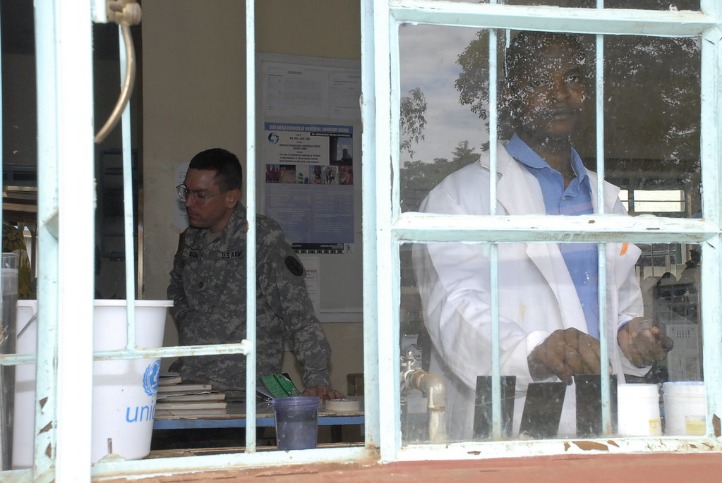
- County governments are responsible for functions such as health services, agriculture, county transport, trade development, and county planning.
- Decentralization allows for decision-making to be closer to the people, increasing transparency and accountability.
- These local authorities help address specific community needs and facilitate participatory governance.
- Funding for county governments is derived from the national government revenue share, local taxes, and other sources.
- Effective local governance strengthens democracy and promotes inclusive development across Kenya’s diverse counties.
Government Policies and Initiatives
Government policies and initiatives play a crucial role in shaping the development and progress of Kenya. Through strategic planning and implementation, the Kenyan government aims to address key issues such as economic growth, health, education, and infrastructure. These policies are designed to promote social welfare, foster innovation, and ensure sustainable development for the nation’s future.
Economic Development Policies
The Government of Kenya has implemented a range of policies and initiatives aimed at promoting economic development and sustainable growth. These policies focus on attracting foreign investment, improving infrastructure, and supporting local businesses to stimulate economic activity across various sectors. The Kenya Vision 2030 serves as a strategic blueprint for transforming the country into a newly industrializing, middle-income nation by 2030, focusing on sectors such as agriculture, manufacturing, tourism, and information technology.
Economic development policies in Kenya emphasize inclusive growth that benefits all segments of society. The government has launched initiatives to improve access to education, healthcare, and financial services, fostering entrepreneurship and innovation. Additionally, efforts to enhance governance, reduce corruption, and streamline regulatory frameworks are vital components of these policies, aimed at creating a conducive environment for economic expansion.
Infrastructure development policies, including major projects like the Standard Gauge Railway and energy expansion programs, play a crucial role in connecting markets and reducing operational costs for businesses. Furthermore, Kenya’s policies support regional integration within East Africa, encouraging trade and cross-border cooperation to bolster economic resilience and development in the region.
Social Welfare Programs
The government of Kenya has implemented a range of policies and initiatives aimed at fostering socioeconomic development and improving the quality of life for its citizens. These policies focus on areas such as infrastructure development, healthcare, education, and economic growth to ensure sustainable progress across the nation.
Social welfare programs in Kenya are designed to support vulnerable populations and promote social equity. These initiatives include cash transfer schemes, such as the Older Persons Cash Transfer (OPCT) and the Hunger Safety Net Programme (HSNP), which provide financial assistance to the elderly, disabled, and impoverished communities. Additionally, the government has launched programs to enhance access to quality healthcare and education, aiming to reduce poverty and inequality.
Through these efforts, the Kenyan government strives to build a more inclusive society, fostering resilience and empowerment among its citizens, while also laying the foundation for long-term economic and social development.
Infrastructure Development Projects
The Government of Kenya has prioritized the formulation and implementation of comprehensive policies aimed at fostering economic growth, social development, and sustainable progress. Significant initiatives include the Kenya Vision 2030, which serves as a blueprint for transforming Kenya into a middle-income country through strategic development in sectors like agriculture, manufacturing, and tourism. Additionally, the government has launched various reforms to improve governance, enhance public service delivery, and promote inclusivity.
Infrastructure development remains a key focus for the Kenyan government, with large-scale projects aimed at improving connectivity, transportation, and urbanization. Notable projects include the Standard Gauge Railway (SGR) connecting Nairobi to Mombasa, which has revolutionized freight and passenger movement across the country. The expansion and upgrading of roads, airports, and ports are also ongoing to facilitate trade and regional integration. Additionally, efforts to provide affordable housing, expand energy access through renewable sources, and develop digital infrastructure are central to Kenya’s development agenda. These initiatives collectively aim to create a conducive environment for economic growth, job creation, and improved quality of life for all Kenyans.
Electoral System and Democratic Processes
The electoral system and democratic processes are fundamental pillars that shape the functioning of any government. In Kenya, these systems play a crucial role in ensuring fair representation, citizen participation, and the legitimacy of elected leaders. Understanding how Kenya’s electoral framework operates helps to appreciate the efforts toward maintaining a vibrant democracy and the ongoing challenges faced in achieving transparent and inclusive governance.
Elections and Voting Procedures
The electoral system and democratic processes in Kenya are fundamental to ensuring fair representation and the functioning of a democratic government. Kenya operates a multi-party political system that allows citizens to participate in free and fair elections to choose their leaders. The Independent Electoral and Boundaries Commission (IEBC) is responsible for organizing and supervising elections, ensuring transparency and integrity in the electoral process.
Elections in Kenya are conducted through a combination of voting procedures, including the use of biometric voter registration and verification devices to enhance accuracy. Voting is done electronically or manually, depending on the electoral circumstances, with voters casting ballots for presidential, parliamentary, county, and local government positions. The country has adopted a proportional representation system for some elective offices, promoting inclusivity among diverse ethnic and social groups.
The voting process in Kenya emphasizes civic education to encourage informed participation among voters. Campaigns are monitored to prevent election-related violence and corruption, with legal mechanisms in place to address disputes. Overall, Kenya’s electoral system aims to uphold democratic principles, ensure accountability, and foster political stability through transparent and inclusive electoral processes.
Political Parties
The electoral system and democratic processes in Kenya play a vital role in shaping the nation’s governance. Kenya employs a mixed electoral system that includes both direct election of representatives and proportional representation, ensuring broader participation and fair representation of diverse groups. The country holds regular elections for the presidency, parliament, and local governments, fostering democratic legitimacy and accountability. Political parties in Kenya are essential for democracy, offering voters choices and serving as platforms for political ideas and debates. These parties range from major national entities like Jubilee and ODM to smaller regional or interest-based groups. The vibrant multiparty system encourages political competition, but it also faces challenges such as party fragmentation and allegations of electoral misconduct, which the government continually strives to address to strengthen Kenya’s democratic processes.
Electoral Reforms
The electoral system and democratic processes in Kenya play a crucial role in shaping the nation’s governance and political stability. Kenya employs a mixed electoral system that combines both proportional representation and first-past-the-post methods to elect members of parliament, the president, and local government officials. Such systems aim to ensure broad representation and legitimacy in governance. Democratic processes in Kenya are anchored in regular elections, political participation, and respect for constitutional rights, fostering a dynamic political environment. Over the years, electoral reforms have been implemented to enhance transparency, reduce electoral violence, and improve the credibility of elections. Key reforms include the establishment of the Independent Electoral and Boundaries Commission (IEBC), the adoption of biometric voter registration, and the introduction of electronic transmission of results. These measures are intended to strengthen democratic processes, promote fair competition, and ensure that electoral outcomes reflect the will of the people, thereby supporting Kenya’s democratic development and stability.
Challenges Facing the Kenyan Government
The Kenyan government faces numerous challenges that hinder the country’s development and stability. Issues such as political corruption, economic inequality, and the need for improved infrastructure continuously impact governance. Additionally, addressing ethnic tensions and ensuring effective public service delivery remain critical for achieving sustainable progress in Kenya.
Economic Challenges
The Kenyan government faces several significant economic challenges that impact the country’s overall development. One major issue is widespread unemployment, especially among the youth, which leads to increased poverty and social unrest. Additionally, managing public debt remains a concern, as high levels of borrowing can hinder economic growth and strain national resources. The country also struggles with income inequality, resulting in disparities in access to services and opportunities across different regions and communities. Corruption continues to undermine economic progress by diverting funds and discouraging investment. Moreover, Kenya’s reliance on agriculture makes its economy vulnerable to climate change and unpredictable weather patterns, affecting food security and livelihoods. Addressing inflation and stabilizing the currency are ongoing challenges, impacting the cost of living and business operations. Overall, these economic issues require comprehensive policies and effective governance to foster sustainable growth and stability in Kenya.
International Relations and Foreign Policy
International relations and foreign policy are essential components of a country’s strategy to engage with the world. They determine how a government interacts with other nations, manages diplomatic relationships, and pursues national interests on the global stage. For Kenya, these elements play a vital role in fostering economic development, regional stability, and international cooperation. Understanding Kenya’s foreign policy helps to shed light on its approach to global challenges and opportunities.
Regional Cooperation
Kenya’s government actively engages in international relations and foreign policy to promote national interests, regional stability, and economic development. The country’s approach emphasizes regional cooperation, diplomacy, and multilateral partnerships to address common challenges.
- Kenya is a key member of the East African Community (EAC), working to foster economic integration and political stability within the region.
- The government prioritizes diplomatic relations with neighboring countries such as Uganda, Tanzania, and Somalia to enhance security and trade.
- Kenya actively participates in the African Union (AU) to advocate for continental development goals and conflict resolution.
- International trade agreements, including partnerships with China, the United States, and the European Union, are central to Kenya’s foreign policy strategy to boost economic growth.
- Regional cooperation is also reflected in initiatives like the Northern Corridor Transit and Transport Agreement, aimed at improving infrastructure and connectivity across East Africa.
Overall, Kenya’s government continues to leverage regional and international collaborations to foster peace, stability, and sustainable development within its borders and beyond.
Global Partnerships
Kenya’s international relations and foreign policy are centered on fostering regional stability, economic growth, and diplomatic cooperation. As a member of the East African Community and the African Union, Kenya actively participates in regional initiatives to promote peace, development, and trade within Africa. The government prioritizes strengthening bilateral partnerships with nations such as the United States, China, and the United Kingdom to attract investment, enhance security, and support technological advancement. Kenya also seeks to engage in global partnerships through the United Nations and other international organizations to address issues like climate change, health, and sustainable development, reinforcing its commitment to being an active contributor on the world stage.




0 Comments