

Design and Colors of the Kenyan Flag
The flag of Kenya is a vibrant symbol of the nation’s identity, history, and values. Its striking design features bold colors and meaningful symbols that reflect the country’s diverse culture and natural beauty. The use of distinct colors and patterns makes the Kenyan flag easily recognizable and rich in symbolism.
Overview of Flag Colors
The flag of Kenya is a vibrant symbol of the nation’s identity, featuring a distinctive design and meaningful colors. It consists of three major horizontal stripes: black at the top, white-edged red in the middle, and green at the bottom. In the center, there is a Maasai shield with two crossed spears behind it, which represents the defense of freedom. The colors on the Kenyan flag carry significant symbolism. The black color represents the people of Kenya, highlighting unity and heritage. The red stripe signifies the struggle for independence and the sacrifices made by national heroes. The green symbolizes Kenya’s rich agriculture and natural resources, reflecting hope and fertility. The white borders and elements symbolize peace and unity among Kenyans. Overall, the flag’s colors and design embody the country’s history, culture, and aspirations for a united and prosperous future.
Symbolism of Green
The flag of Kenya features a striking design with horizontal black, white-edged red, and green stripes. In the center, there’s a traditional Maasai shield in white and black, flanked by two white crossed spears. The bold colors and symbols reflect the country’s rich history, culture, and struggles for independence. Green on the Kenyan flag symbolizes the country’s lush agriculture, fertile land, and natural wealth, representing hope and the promise of future prosperity for the nation.
Symbolism of Black
The flag of Kenya features a distinctive design with three major colors and symbols that represent the nation’s heritage and values. It consists of three horizontal stripes in black, white-edged red, and green, with a central white Maasai shield and two white crossed spears behind it. The black in the Kenyan flag symbolizes the people of Kenya and their rich heritage. It represents the strength, resilience, and the unity of the Kenyan nation. The use of black is also a reminder of the African identity and the importance of the indigenous communities in the country’s history and culture.
Symbolism of Red
The flag of Kenya features a distinctive design and vibrant colors that symbolize the country’s history and values. It consists of three major horizontal stripes: black at the top, red in the middle, and green at the bottom, separated by narrow white strips. A Maasai shield with two crossed spears is positioned at the center, adding cultural significance to the flag’s design.
- Red on the Kenyan flag symbolizes the blood shed during the struggle for independence and colonial sacrifices made by the nation’s heroes.
Symbolism of White
The flag of Kenya features a distinctive design with three major colors: black, red, and green, separated by white borders. The flag’s proportions are 2:3, and it prominently displays a Maasai shield in the center, accompanied by two crossed spears behind it. The colors and symbols on the flag hold significant meaning and represent various aspects of Kenya’s history and culture.
The white color on the Kenyan flag symbolizes peace, unity, and harmony among the people of Kenya. It serves as a visual reminder of the nation’s aspiration for peaceful coexistence and social stability. The white borders around the black, red, and green sections emphasize clarity and the importance of peace in Kenya’s national identity.
Historical Development of the Flag
The history of the Kenyan flag reflects the nation’s journey towards independence and unity. Over time, the flag’s design has evolved to symbolize Kenya’s rich cultural heritage, natural resources, and the spirit of freedom. Understanding the development of this emblem offers insight into the country’s historical milestones and national identity.
Early Flags of Kenya
The historical development of the Kenyan flag reflects the country’s journey towards independence and national identity. Early flags used by Kenya primarily featured colonial symbols and colors, representing British control and influence. These flags often incorporated the Union Jack and colonial emblems, signifying colonial administration. As the independence movement grew, there was a shift towards symbols that embodied local culture and aspirations for self-governance. In the late 1950s and early 1960s, various nationalist groups designed flags that incorporated traditional colors and symbols to express unity and hope for independence. The modern Kenyan flag, adopted officially in 1963, features black, red, green, and white, representing the people, the struggle for independence, the land, and peace respectively, and has its origins in these early symbolic representations of national pride and identity. The evolution from colonial banners to the distinct national flag signifies Kenya’s transition from a colony to an independent nation with a unique identity.
Adoption of the Present Flag
The history of the Kenyan flag reflects the nation’s journey to independence and its aspirations for unity and progress. Originally, Kenya was part of British East Africa, and its symbols were influenced by colonial imagery. As Kenya moved toward independence, there was a desire to create a flag that represented the diverse cultural heritage of its people. This led to the adoption of a unique design that embodies the national identity.
The current Kenyan flag was officially adopted on December 12, 1963, the day Kenya gained independence from British colonial rule. The flag features three major horizontal stripes of black, red, and green, separated by narrow white stripes, symbolizing the people, blood of those who fought for independence, and the fertile land of Kenya, respectively. The central element is a Maasai shield with two crossed spears, representing the defense of freedom and the resilience of the Kenyan people.
This flag has become a powerful symbol of Kenya’s sovereignty, unity, and pride, embodying its history and aspirations for a prosperous future. Over the years, it has remained largely unchanged, serving as a unifying emblem for the nation and its citizens.
Historical Changes and Revisions
The flag of Kenya has a rich historical development marked by changes and revisions that reflect the country’s journey towards independence and national identity. Originally, Kenya’s flag was used during the colonial period under British rule, featuring symbols that represented colonial authority. After gaining independence in 1963, the design was revised to embody Kenya’s cultural heritage and sovereignty. The current flag was officially adopted on December 12, 1963, and has undergone minor modifications to ensure it accurately represents the nation’s values and history. The flag’s distinctive features, including the black, red, and green horizontal stripes separated by white borders, along with the Maasai shield and spears, symbolize the people, their struggle for independence, and the defense of freedom. Over the years, these elements have been preserved and slightly refined to maintain their significance and relevance to Kenya’s national identity. The ongoing revisions and maintenance of the flag reflect Kenya’s respect for its history and its commitment to unity and progress.
Flag Specifications and Regulations
Understanding the specifications and regulations surrounding flags is essential to ensure respect and proper representation. In Kenya, the national flag holds significant cultural and historical importance, and specific guidelines govern its design, use, and display. These rules help maintain the flag’s dignity and ensure it is used appropriately in various contexts across the country.
Flag Dimensions and Proportions
The flag of Kenya is a symbol of national pride and identity, with specific specifications and regulations that ensure its proper display and maintenance. The flag features distinctive colors and symbols arranged in a precise manner to represent Kenya’s history, culture, and natural resources.
Flag dimensions and proportions are carefully prescribed to maintain consistency and respect for the national symbol. The standard proportion of the Kenyan flag is 2:3, meaning the height is two units and the width is three units. This ratio ensures the flag’s elements are correctly proportioned and recognizable from different distances.
The flag comprises three major horizontal stripes: black at the top, red in the middle, and green at the bottom. These stripes are separated by narrow white fimbriations to enhance visibility and separation. A central Maasai shield with two crossed spears is positioned over the red stripe, symbolizing defense of freedom and independence. The dimensions of the shield and spears are proportioned to fit within the flag’s overall dimensions, ensuring clarity and balance in the design.
Official Usage Guidelines
The flag of Kenya is a symbol of national pride and unity, governed by specific specifications and regulations to ensure proper usage and representation. The official flag features three major horizontal stripes: black at the top, white-edged red in the middle, and green at the bottom. In the center, there is a traditional Maasai shield with two crossed spears behind it, symbolizing the defense of freedom. The proportions of the flag are generally 2:3, and precise color shades are maintained to uphold consistency.
Official guidelines stipulate that the flag should be displayed prominently on national holidays, government buildings, and during official ceremonies. When hoisted, the flag must be flown freely and handled with respect, avoiding any signs of disrespect, such as dragging or improper folding. During flying, the black band should be at the top when the flag is displayed horizontally. The flag should not be used for commercial purposes or as a decoration in a manner that diminishes its dignity. Proper etiquette mandates that the flag be lowered at sunset unless illuminated. These regulations serve to honor the flag’s significance as a symbol of Kenya’s sovereignty and cultural heritage.
Flag Etiquette and Protocol
The flag of Kenya is a symbol of national pride and unity, and it adheres to specific specifications and regulations that ensure its proper display and respect. The flag features three major horizontal stripes: black at the top, white-edged red in the middle, and green at the bottom. In the center, there is a Maasai shield with two crossed spears, symbolizing defense of freedom. The proportions and colors are regulated to maintain consistency, with the black representing the people, red for the struggle for independence, and green for Kenya’s natural resources and agriculture.
Flag etiquette and protocol emphasize the importance of treating the Kenyan flag with dignity and respect. It should be raised and lowered ceremoniously, never touching the ground or water. When displayed in ceremonies, the flag should be hoisted briskly and lowered slowly and ceremoniously. It is customary to participate in national holidays and events by displaying the flag prominently and ensuring it is in good condition. When multiple flags are displayed together, the Kenyan flag should be given place of honor. Flown at half-mast as a mark of mourning, the flag must first be flown to the top before being lowered to the half-mast position, and raised again to full height later.”
Cultural Significance of the Flag
The flag of Kenya holds deep cultural and historical significance, symbolizing the nation’s journey towards independence and unity. Its vibrant colors and distinctive design reflect Kenya’s rich heritage, natural beauty, and the aspirations of its people. As a symbol of national pride, the flag unites Kenyans across diverse communities and serves as a powerful emblem of their collective identity.
National Identity and Unity
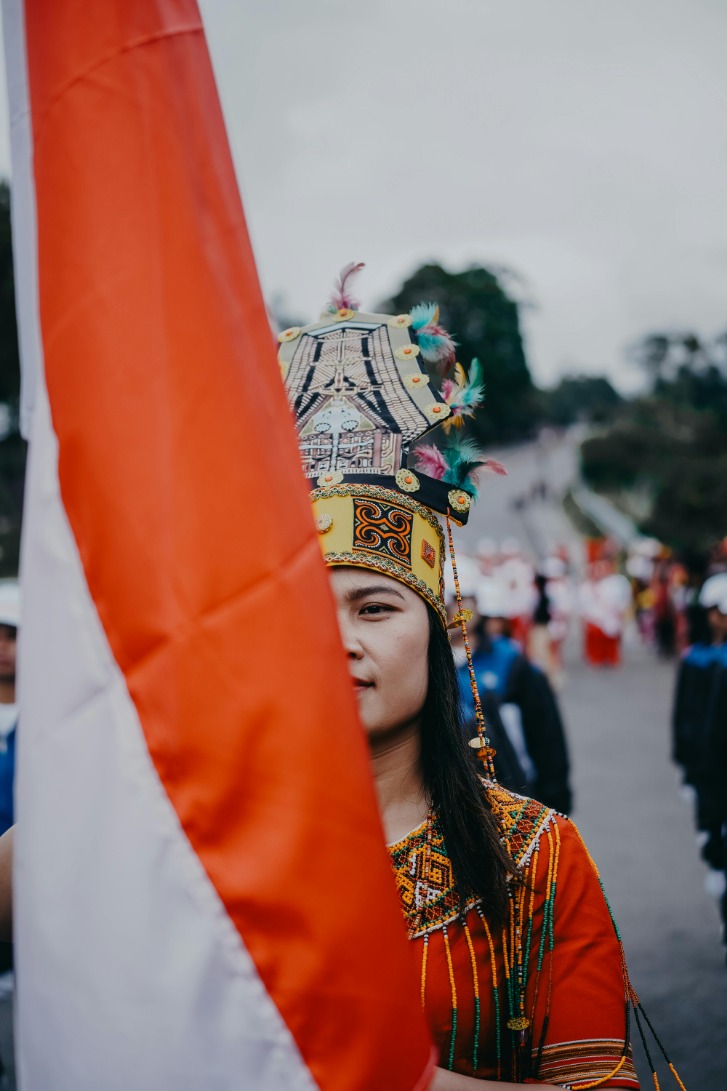
The flag of Kenya holds profound cultural significance, serving as a powerful symbol of national identity and unity. Its design reflects the country’s rich history, diverse cultures, and aspirations for a unified future. The black color represents the people of Kenya, while the red symbolizes the struggle for independence and sacrifice. The green signifies the country’s lush landscapes and natural resources, and the white Maasai shield and crossed spears embody the defense of freedom and sovereignty. Together, these elements foster a sense of pride and belonging among Kenyans, uniting them under a shared national identity. The flag is not only a visual emblem but also a reminder of the resilience, diversity, and unity that define Kenya as a nation.
Representation in Celebrations
The flag of Kenya holds deep cultural significance as a symbol of the nation’s identity and unity. Its design reflects important aspects of Kenyan heritage, history, and values, serving as a visual reminder of the country’s struggle for independence and progress. The black color represents the people of Kenya, the red symbolizes the blood shed for independence, and the green signifies the country’s rich natural resources and agriculture. The white Maasai shield and spears symbolize unity and readiness to defend the nation’s sovereignty.
In Kenyan celebrations, the flag is prominently displayed during national holidays, such as Mashujaa Day and Jamhuri Day, to foster a sense of pride and patriotism among citizens. It is often hoisted during parades, political events, and school ceremonies, serving as a unifying emblem that connects all Kenyans regardless of their diverse ethnic backgrounds. The flag’s presence during these events strengthens national identity and reminds Kenyans of their collective history, resilience, and aspirations for a prosperous future.
Flag in Kenyan Symbols and Emblems
The flag of Kenya holds a profound cultural significance, representing the nation’s history, unity, and aspirations. Its design reflects Kenya’s rich heritage and diverse communities, symbolizing the collective identity of its people. The black color in the flag signifies the people of Kenya, while the red represents the struggles for independence and sacrifice. The green stands for the country’s lush agriculture and natural resources, and the white fives symbolize peace and unity. The Maasai shield and spears in the center highlight Kenya’s defense of its sovereignty and cultural heritage, emphasizing strength and resilience. Overall, the Kenyan flag is a powerful emblem that encapsulates the nation’s journey towards independence, unity, and hope for a prosperous future.
Comparison with Other African Flags
The flag of Kenya stands out among other African flags with its distinct design and meaningful symbolism. While many flags across the continent incorporate vibrant colors and regional motifs, Kenya’s flag uniquely combines black, red, green, and white to represent the country’s rich history, struggle for independence, natural resources, and unity. Comparing it with other African flags highlights the diverse ways nations express their identity and heritage through vibrant and symbolic banners.
Design Elements Shared Across Flags
The flag of Kenya shares several design elements commonly found across African flags, reflecting regional identities and cultural significance. These similarities often include the use of bold colors and symbolic patterns that represent unity, independence, and heritage.
- The Kenya flag features black, red, green, and white, which are also prominent in many other African flags, symbolizing the people, the struggle for independence, the land, and peace respectively.
- Many African flags, including Kenya’s, incorporate geometric shapes or patterns such as stripes or bands that run horizontally or vertically, emphasizing unity and solidarity among nations.
- Implementing symbols like the Maasai shield and spears on the Kenya flag is a pattern seen in several other national flags, representing defense, strength, and cultural tradition.
- Colors used in Kenyan symbolism often align with Pan-African themes, reinforcing a shared history of liberation and cultural pride across the continent.
- The overall simplicity and bold design of the Kenyan flag make it easily recognizable, a trait common among many African countries aiming to promote national identity through universally understandable symbols.
Unique Features of Kenya’s Flag
Kenya’s flag stands out among African flags due to its distinctive design and meaningful symbolism. While many African flags feature simple color schemes or symbols, Kenya’s flag incorporates a complex pattern that reflects its history and identity. The black, red, and green colors are common across numerous African flags, representing the people, the struggles for independence, and the land, respectively. However, Kenya’s flag uniquely features a Maasai shield combined with two crossed spears, symbolizing defense of freedom and the cultural heritage of the Maasai community. This central emblem distinguishes Kenya from other nations whose flags primarily rely on abstract symbols or color blocks, making it a uniquely representative and culturally significant design within the continent.
Influence of Pan-African Colors
The flag of Kenya is a distinctive emblem that shares similarities with other African flags through its use of Pan-African colors—black, red, green, and white. These colors symbolize unity, strength, and hope across the continent. Many African nations incorporate these colors to represent their common heritage and struggle for independence, creating a visual connection that fosters a sense of solidarity. Kenya’s flag, with its black象 representing the people, red for the struggle for independence, green for the land and natural wealth, and white outlining to symbolize peace, reflects this widespread influence of Pan-African symbolism. This design philosophy underscores the shared history, aspirations, and cultural ties among African countries, emphasizing a collective identity rooted in historical resistance and unity.




0 Comments