
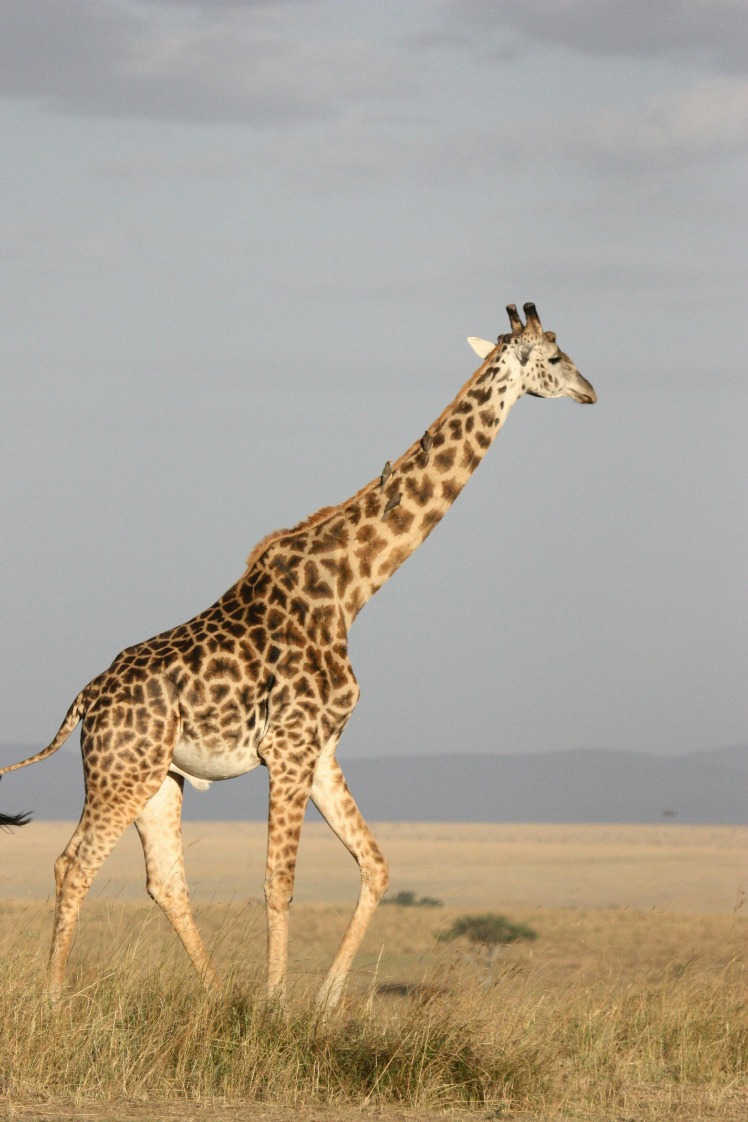
Geography of Kenya
Kenya is a country located in East Africa, renowned for its diverse and stunning geography. It features vast savannahs, lush highlands, arid deserts, and beautiful coastlines along the Indian Ocean. The country’s landscape is shaped by its prominent features such as the Great Rift Valley, Mount Kenya, and numerous lakes, making it a unique and vibrant part of the African continent.
Topographical Features
Kenya is a country located in East Africa, renowned for its diverse geography and breathtaking landscapes. It features a variety of topographical features, including vast highlands, expansive plains, mountains, and lakes. The central and western regions are dominated by the Kenya Highlands, which include the prominent Mt. Kenya, the second-highest peak in Africa. The Great Rift Valley, a significant geological feature, runs through the country from north to south, creating a series of lakes such as Lake Turkana, Lake Naivasha, and Lake Victoria nearby. The coastal area along the Indian Ocean is characterized by flat, sandy beaches and coral reefs, contrasting sharply with the rugged terrain of the interior. The country’s topography supports diverse ecosystems, from savannahs and grasslands to forests and wetlands, making Kenya a remarkable land of natural beauty and geographical complexity.
Major Landforms
Kenya, located in East Africa, is known for its diverse and stunning landforms that shape its landscape. The country features a variety of major landforms including the Great Rift Valley, which stretches from the northern part of the country down to the south and is famous for its scenic lakes and volcanic formations. The highlands cover much of central Kenya and include the central and eastern highlands, which are characterized by lush greenery and fertile soils. To the west, the Lake Victoria basin is a low-lying region that is crucial for agriculture and fishing. In addition, Kenya has a coastline along the Indian Ocean, featuring beautiful beaches and coral reefs. The landscape also includes mountain ranges like Mount Kenya, the highest peak in the country, which is an extinct volcano and a prominent feature in the region. These landforms contribute to Kenya’s rich natural scenery and support a wide range of ecosystems and wildlife.”
Climate Variations
Kenya’s geography is remarkably diverse, characterized by a mix of highlands, plains, lakes, and coastlines that create a unique landscape. The country is situated along the equator, which influences its climate and ecological zones. The central highlands, including Nairobi and the Aberdare Range, are lush and fertile, while the Great Rift Valley runs through the country, forming a series of deep valleys and lakes such as Turkana and Victoria.
The climate variations in Kenya are largely driven by altitude and geographical features. Coastal regions along the Indian Ocean experience tropical climate with high temperatures and high humidity, along with seasonal monsoon rains. The inland and highland areas have moderate temperatures with distinct wet and dry seasons, while the arid northern regions are characterized by hot and dry conditions year-round. These diverse climate zones support a wide range of biodiversity and influence agricultural practices across the country.
Historical Background
Kenya’s rich historical background is a testament to its diverse cultural heritage and significant past. From ancient civilizations to colonial influences, the nation’s history reflects a complex tapestry of events that have shaped its identity. Understanding Kenya’s historical background provides valuable insights into its current social, political, and economic landscape.
Ancient Civilizations
Kenya’s rich historical background is deeply rooted in ancient civilizations that thrived long before modern times. The region was home to early humans, with archeological findings in places like Turkana revealing some of the oldest hominid fossils, dating back over 3 million years. Ancient civilizations such as the Kushite and Egyptian influences extended into parts of modern-day Kenya, especially along the Nile River corridor. The coastal areas saw the rise of Swahili city-states in the first millennium AD, which became vibrant centers of trade, culture, and commerce, connecting Africa with Arabia, Persia, India, and beyond. These early civilizations laid the groundwork for the diverse cultural landscape that characterizes Kenya today, reflecting a history of migration, trade, and intercultural interactions over thousands of years.
Colonial Era
The colonial era in Kenya, which lasted from the late 19th century to the mid-20th century, significantly shaped the country’s history and development. During this period, Kenya was established as a British colony, with the British exploiting its land and resources. Colonial authorities imposed new systems of administration, introduced European-style agriculture, and built infrastructure such as roads and railways to facilitate the extraction of wealth. This era also saw the displacement of indigenous communities from their lands and the establishment of settler colonies, which led to social and economic disparities. The struggle for independence grew during this time, culminating in the Mau Mau uprising in the 1950s, a major resistance movement against colonial rule. The colonial background left a lasting impact on Kenya’s political, social, and economic structures as the country moved towards independence in 1963.
Independence Movement
Kenya’s struggle for independence was a pivotal moment in its history, marked by a long and arduous fight against colonial rule. The country was under British control from the late 19th century, with settlers and colonial administrators exerting significant influence over the native population. The desire for self-governance grew stronger as Kenyans sought to reclaim their land and political rights, leading to various forms of resistance and activism throughout the early 20th century.
The independence movement gained momentum in the 1950s with the rise of organizations like the Mau Mau, which was a militant group advocating for land rights and addressing grievances against colonial authorities. The Mau Mau Uprising, which began in 1952, became a symbol of resistance and drew international attention to Kenya’s quest for independence. After years of negotiations, political agitation, and conflict, Kenya finally attained independence from Britain on December 12, 1963, establishing itself as a sovereign nation with Jomo Kenyatta as its first President.
Demographics of Kenya
Kenya is a diverse country located in East Africa, known for its rich cultural heritage and varied demographics. The population comprises multiple ethnic groups, with the Kikuyu, Luo, Luhya, Kalenjin, and Maasai being some of the largest communities. The country has a youthful population, with a significant percentage under the age of 25, reflecting high birth rates and improving healthcare. Urbanization is increasing, especially in cities like Nairobi and Mombasa, contributing to a dynamic demographic landscape. Overall, Kenya’s demographics play a crucial role in shaping its social, economic, and political environment.
Ethnic Groups
Kenya is a diverse country with a rich tapestry of ethnic groups and demographics. The population is characterized by a variety of ethnicities, languages, and cultures, making it one of the most ethnically varied nations in Africa.
- The largest ethnic group in Kenya is the Kikuyu, who make up about 21% of the population.
- Other major groups include the Luo, Luhya, Kalenjin, Maasai, and Kamba.
- Kenya has over 40 different ethnic communities, each with its own unique language and cultural practices.
- Swahili and English are the official languages, widely used for communication and government affairs.
- The population is predominantly rural, although urban areas like Nairobi and Mombasa are rapidly growing.
- Kenya’s demographic profile shows a youthful population, with a significant percentage under the age of 15.
- Recent estimates place the total population of Kenya at over 50 million people, continuing to grow annually.
Languages Spoken
Kenya is a diverse country located in East Africa, with a population that reflects a rich mosaic of ethnic groups and cultures. The country has an estimated population of over 54 million people, making it one of the most populous nations in the region.
The demographics of Kenya are characterized by a variety of ethnic communities, including the Kikuyu, Luo, Luhya, Kalenjin, Maasai, and others. Each group contributes to the nation’s vibrant cultural landscape. The population is relatively young, with a significant proportion under the age of 15, indicating a youthful demographic profile.
Kenya’s official languages are English and Swahili, both of which are used in government, education, and media. Swahili is widely spoken across the country and functions as a lingua franca, enabling communication among the diverse ethnic groups. In addition to these official languages, numerous indigenous languages are spoken throughout different regions, reflecting the country’s cultural diversity.
Population Distribution
Kenya’s demographics are characterized by a diverse population with over 50 million people as of recent estimates. The country exhibits a youthful demographic, with a significant percentage of its population under the age of 15. The population is ethnically diverse, comprising over 40 different ethnic groups, with the Kikuyu, Luo, Luhya, Kalenjin, Maasai, and Kamba being some of the largest communities. Urban areas, especially Nairobi and Mombasa, are densely populated, while vast rural regions house the majority of the population. Population distribution in Kenya is uneven, with high concentration in the central and western regions, near lakes, and along the urbanized corridors. The distribution reflects economic activities, access to resources, and historical settlement patterns, contributing to the rich demographic tapestry of Kenya. Overall, Kenya’s population growth remains steady, driven by high fertility rates and improving healthcare systems.
Political Structure
Kenya’s political structure is a vibrant framework that governs the nation’s democratic processes and administrative functions. It is characterized by a multi-tier system that includes the executive, legislature, and judiciary, each playing a vital role in ensuring good governance. The country’s political framework reflects a blend of historical influences and modern democratic principles, shaping Kenya’s journey towards stability and development.
Government System
Kenya has a democratic political structure characterized by a multi-party system. The government operates under a unitary presidential system, where the President is both the head of state and the head of government. The Kenyan Parliament is bicameral, consisting of the National Assembly and the Senate, responsible for making national laws and overseeing the executive branch. The judiciary is independent, ensuring the rule of law and justice. Kenya’s political framework emphasizes decentralization, with counties serving as local governments that handle regional administrative functions. Overall, the system fosters democratic governance, with regular elections and a constitution that guarantees fundamental rights and freedoms.
Political Parties
Kenya has a diverse political structure characterized by a democratic government with multiple political parties actively participating in the country’s governance. The political system is a republic with a multi-party system, enabling citizens to choose their leaders through free and fair elections. Kenya’s political landscape is shaped by various parties that represent different regions, ethnic groups, and ideologies, fostering a vibrant democratic process.
- President: The head of state and government, elected through a national election every five years.
- Parliament: Composed of two houses – the National Assembly and the Senate – responsible for making laws and representing citizens.
- Judiciary: An independent body that interprets laws and ensures justice is served.
- Local Governments: County governments and county assemblies that handle local administrative functions.
- Jubilee Party
- Orange Democratic Movement (ODM)
- Wiper Democratic Movement
- Amani National Congress
- Kenya African National Union (KANU)
Electoral System
Kenya has a democratic political structure characterized by a multi-party system, with executive, legislative, and judicial branches. The President serves as both head of state and government, elected through a popular vote for a five-year term. The Parliament consists of two chambers: the Senate and the National Assembly, which are responsible for making laws and overseeing the executive. Kenya’s judicial system is independent, with the Supreme Court as the highest court in the land.
The electoral system in Kenya is a mixed system primarily based on direct elections. Presidential elections are conducted through a two-round system, requiring a candidate to secure over 50% of the vote and at least 25% in more than half of the counties. Members of Parliament are elected via a plurality voting system in single-member constituencies. The country also uses proportional representation for some local elections to ensure fairer representation. Electoral processes are overseen by the Independent Electoral and Boundaries Commission, which aims to ensure free, fair, and transparent elections.
Economy of Kenya
Kenya’s economy is one of the most dynamic and diverse in East Africa, characterized by a mix of agriculture, manufacturing, services, and technology sectors. It serves as a regional hub for trade and commerce, leveraging its strategic geographic location and vibrant workforce. Over the years, Kenya has experienced steady growth, driven by investments in infrastructure, innovation, and a growing middle class. This economic landscape presents a compelling picture of resilience and opportunities for both local and international stakeholders.
Key Industries
Kenya’s economy is one of the most dynamic in East Africa, characterized by a diverse range of industries that contribute significantly to its growth. Agriculture remains a vital sector, employing a large portion of the population and producing key exports such as tea, coffee, flowers, and fresh produce. The country has also developed a strong manufacturing sector, including food processing, cement, and textiles. In recent years, the services industry, especially tourism, finance, and telecommunications, has seen substantial expansion, driven by Kenya’s vibrant urban centers and world-famous safari destinations. Additionally, Kenya is investing in technology and innovation, positioning itself as a hub for startups and digital solutions in the region. Overall, Kenya’s economy continues to grow, fueled by a mix of traditional industries and emerging sectors that promise further development.
Agriculture and Livestock
Kenya’s economy is primarily driven by agriculture, which plays a vital role in the livelihoods of the majority of its population. The sector significantly contributes to the country’s GDP, employment, and export earnings.
- Kenya’s agriculture sector encompasses the cultivation of crops such as tea, coffee, maize, and sugarcane, alongside livestock farming.
- Livestock farming includes cattle, goats, sheep, and camels, which provide meat, milk, and hides, supporting both domestic markets and exports.
- Agriculture and livestock combined account for a substantial portion of Kenya’s total employment, especially in rural areas.
- The sector faces challenges like climate change, pests, and limited access to modern technology, affecting productivity.
- Recent innovations and government initiatives aim to improve resilience, productivity, and sustainability within Kenya’s economy of agriculture and livestock.
Tourism Sector
Kenya’s economy is primarily driven by agriculture, services, and industry sectors, with tourism playing a significant role in its economic development. The country boasts diverse wildlife, scenic landscapes, and cultural heritage sites that attract millions of visitors annually. The tourism sector contributes substantially to national revenue, employment, and foreign exchange earnings. Key attractions include national parks like the Maasai Mara, Amboseli, and Tsavo, which are famous for their abundant wildlife and safari experiences. Moreover, Kenya’s vibrant cultural festivals, historical sites, and coastal beaches further enhance its appeal to international tourists. Despite challenges such as political instability and infrastructural issues, the tourism industry remains a vital component of Kenya’s economy, offering opportunities for sustainable growth and development.
Natural Resources
Kenya is richly endowed with a variety of natural resources that play a vital role in its economy and development. From its vast wildlife reserves and fertile agricultural land to mineral deposits and scenic landscapes, these resources contribute significantly to the country’s growth. Understanding Kenya’s natural resources is essential to appreciating its potential for sustainable development and environmental conservation.
Mineral Resources
Kenya is endowed with a variety of natural resources, including significant mineral resources that contribute to its economy. These resources play a vital role in industrial growth and development, providing raw materials for various sectors.
- Gold: Kenya has small deposits of gold, primarily in the western regions such as Kakamega and Kakamega mines.
- Tin and tantalum: These minerals are found in the Rift Valley and are used in electronics and manufacturing.
- Soda ash: The lake Magadi in Kenya is a major source of soda ash, which is used in glass manufacturing and detergents.
- Fluorspar: Found in Kerio Valley, used in chemical industries and metallurgy.
- Geothermal energy: Kenya has significant geothermal resources, especially in the Rift Valley, providing renewable energy.
- Limestone: Widely distributed across the country, used in cement production and construction.
- Iron ore: Found in regions like the coast and western parts, essential for steel manufacturing.
While Kenya’s mineral resources are not as extensive as some neighboring countries, ongoing exploration and technological advancements continue to uncover new deposits, promising future economic benefits.
Wildlife and National Parks
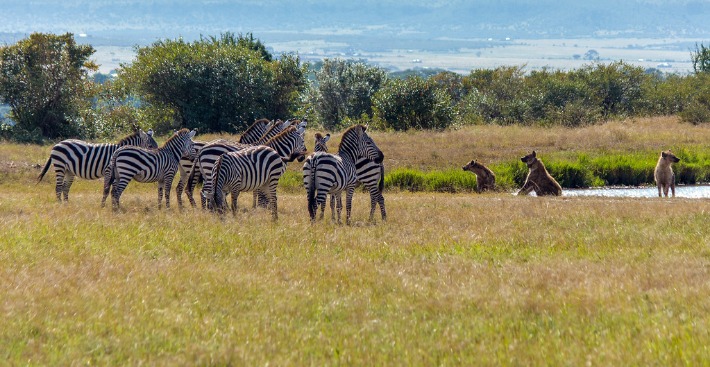
Kenya is renowned for its abundant natural resources, diverse wildlife, and expansive national parks, making it a popular destination for eco-tourism and conservation efforts. The country boasts vast savannahs, lush forests, and picturesque lakes that serve as vital habitats for a wide array of animal species. Key national parks like Maasai Mara, Amboseli, Tsavo, and Lake Naivasha protect unique ecosystems and provide sanctuary for iconic animals such as lions, elephants, rhinoceroses, and giraffes. Conservation initiatives in Kenya aim to balance the utilization of natural resources with sustainability and habitat preservation. The country’s rich biodiversity not only attracts tourists from around the world but also underscores the importance of protecting these natural treasures for future generations. Kenya’s commitment to wildlife conservation is exemplified by various laws and protocols that regulate hunting, poaching, and habitat destruction, ensuring the survival of its majestic wildlife. Overall, Kenya’s natural resources and protected areas are a vital part of its national identity and economic development, emphasizing the importance of sustainable management and preservation efforts.
Culture and Heritage
Kenya’s rich culture and heritage are a blend of diverse traditions, customs, and histories that reflect its vibrant society. From the colorful Maasai traditions to the ancient archaeological sites, Kenya’s cultural legacy offers a glimpse into its past and present. Preserving these cultural practices is essential for maintaining the country’s unique identity and fostering national pride.
Traditional Customs and Practices
Kenya’s rich culture and heritage are reflected in its diverse traditional customs and practices that have been passed down through generations. The vibrant Maasai community, known for their colorful attire and intricate beadwork, exemplifies the unique cultural identity of Kenyan tribes. Music, dance, and storytelling play a vital role in preserving history and fostering community bonds. Traditional ceremonies, such as circumcision rites and initiation rituals, are important milestones in many Kenyan societies, signifying transition and societal acceptance. Additionally, festivals like Lamu Cultural Festival and the Maasai Moran Ceremony celebrate and showcase Kenya’s diverse heritage to both locals and tourists. These customs and practices are vital in maintaining the country’s cultural diversity, which remains a core aspect of Kenya’s national identity.
Festivals and Events
Kenya is a country rich in culture and heritage, celebrated through vibrant festivals and events that showcase its diverse traditions and history. These celebrations play a vital role in preserving the cultural identity of various ethnic communities and fostering national unity.
- Mombasa Carnival: An annual festival that features colorful parades, music, dance, and cultural displays, highlighting the coastal region’s rich heritage.
- Luo Festival: Celebrated by the Luo community, it includes traditional music, dance, and storytelling to honor their ancestors.
- Maasai Mara Cultural Festival: Showcases Maasai warfare, dance, beadwork, and traditional ceremonies, promoting awareness of Maasai culture.
- Kenya Music Festival: A national event that encourages young talents across the country in singing, playing instruments, and performing arts.
- International Safari Rally: An iconic motorsport event held in various parts of Kenya, attracting tourists and celebrating the country’s adventurous spirit.
Kenya’s diverse festivals and cultural exhibitions not only preserve ancestral traditions but also attract tourists from around the world, contributing significantly to its economy and global cultural exchange.
Cultural Institutions
Kenya boasts a rich cultural heritage that reflects the diverse traditions and histories of its numerous ethnic groups. This vibrant tapestry includes unique music, dance, crafts, and rituals that have been passed down through generations, preserving the identity of communities such as the Kikuyu, Maasai, Luo, and Maasai. Cultural institutions play a vital role in safeguarding this heritage, serving as centers for education, preservation, and promotion of Kenya’s cultural diversity.
Prominent cultural institutions in Kenya include museums like the Kenya National Museum in Nairobi, which houses artifacts, fossils, and exhibits that tell the story of Kenya’s history and archaeological significance. The Bomas of Kenya is another important institution that showcases traditional music, dance, and crafts, providing both locals and tourists with a deeper understanding of the country’s cultural expressions. Additionally, various cultural festivals, such as the Lamu Cultural Festival and the Maasai Mara Cultural Experience, actively promote awareness and appreciation of Kenya’s rich cultural diversity.
Education and Innovation
Education and innovation are vital drivers of progress and development in Kenya, shaping the nation’s future and empowering its citizens. As Kenya continues to embrace new technologies and innovative teaching methods, the country’s educational landscape is transforming, fostering skilled minds ready to meet global challenges. This synergy between learning and innovation is essential for sustaining economic growth and social well-being in Kenya.
Educational System
Education and innovation are vital components of Kenya’s development, shaping a brighter future for its citizens. The Kenyan educational system emphasizes access to quality education, from primary to university levels, aimed at equipping students with essential skills for the modern world. Innovation in education, including the integration of technology and digital learning platforms, has become increasingly prominent, fostering creativity and problem-solving abilities among learners. Kenya’s commitment to improving its educational infrastructure and fostering research and development reflects its recognition of education as a key driver of economic growth and social progress.
Research and Development
In Kenya, education and innovation are vital drivers of national growth and development. The country has made significant strides in expanding access to quality education, fostering a culture of critical thinking and creativity among students. Research and development (R&D) initiatives are increasingly prioritized to address local challenges, from agriculture to healthcare, promoting sustainable solutions tailored to Kenya’s unique context. Investments in technology and scientific research have catalyzed new industries and improved productivity, positioning Kenya as a rising hub for innovation in Africa.
Major Landmarks and Tourist Attractions
Kenya is renowned for its remarkable landmarks and vibrant tourist attractions that showcase the country’s rich cultural heritage and stunning natural beauty. From iconic wildlife reserves to historic sites and bustling city centers, Kenya offers a diverse array of destinations that captivate travelers from around the world. Exploring these major landmarks provides a unique opportunity to experience the essence of Kenya’s scenic landscapes and vibrant traditions.
The Maasai Mara National Reserve
The Maasai Mara National Reserve is one of Kenya’s most iconic and renowned tourist attractions, celebrated for its stunning landscapes and rich wildlife. Covering approximately 1,510 square kilometers, it is famous for the exceptional population of lions, cheetahs, elephants, and other wildlife that thrive within its plains and savannahs. The reserve is part of the Serengeti ecosystem and is best known for the spectacular annual migration of over a million wildebeest and hundreds of thousands of zebras and gazelles. Visitors to the Maasai Mara can enjoy game drives, hot air balloon safaris, and culturally immersive experiences with the Maasai people. The reserve offers breathtaking vistas and unparalleled opportunities for wildlife photography, making it a must-visit destination for nature lovers and adventure seekers alike.
Mount Kenya
Mount Kenya is one of the most iconic landmarks in Kenya and a major attraction for tourists visiting the country. As Africa’s second-highest mountain, it features stunning peaks, lush forests, and diverse wildlife. Visitors come to Mount Kenya to enjoy hiking, mountain climbing, and exploring its unique ecosystems. The mountain is also a UNESCO World Heritage Site, recognized for its natural beauty and ecological significance. The surrounding national park offers opportunities for bird watching, wildlife safaris, and cultural experiences with the Maasai and Kikuyu communities. Overall, Mount Kenya stands out as a must-visit destination for nature lovers and adventure enthusiasts exploring Kenya.
Lamu Old Town
Lamu Old Town, located in Kenya, is a UNESCO World Heritage Site renowned for its rich history, stunning architecture, and vibrant culture. It serves as a major landmark and a popular tourist attraction, offering visitors a unique glimpse into Swahili heritage and coastal life.
- Historical Significance: Lamu Old Town is one of the oldest Swahili settlements, dating back over 700 years, and showcases a well-preserved example of Swahili culture and architecture.
- Architectural Marvels: The town features narrow winding streets, traditional coral-stone houses, intricate carved doors, and ancient mosques, making it a fascinating place for history and architecture enthusiasts.
- Shela Village: Located nearby, Shela offers pristine beaches, luxurious resorts, and a peaceful atmosphere perfect for relaxation and exploring coastal Kenyan culture.
- Lamu Museum: Provides insights into the history, culture, and traditions of the Swahili people, enriching visitors’ understanding of the region.
- Festivals and Events: The Lamu Cultural Festival celebrates Swahili culture, featuring dhow races, traditional music, dance performances, and cultural exhibitions.
- Transportation: The town is best explored on foot or via traditional donkeys, maintaining its historic charm and slow-paced lifestyle.
Challenges Facing Kenya
Kenya, a vibrant and rapidly developing country in East Africa, faces numerous challenges that impact its growth and stability. These challenges include economic disparities, political instability, environmental concerns, and issues related to health and education. Addressing these hurdles is crucial for Kenya to achieve sustainable development and prosperity for its diverse population.
Environmental Issues
Kenya faces several significant challenges related to environmental issues that impact its development and natural resources. Deforestation, primarily driven by agricultural expansion, logging, and charcoal production, has led to loss of biodiversity and increased soil erosion. Water scarcity is another critical concern, exacerbated by climate change, overuse of water for agriculture, and pollution of water bodies. Additionally, desertification threatens arid and semi-arid regions, reducing land productivity and affecting local communities. Pollution from industrial activities, waste disposal, and urbanization further degrades air, water, and soil quality. Addressing these environmental challenges is essential for Kenya’s sustainable development, biodiversity conservation, and improving the quality of life for its citizens.
Economic Challenges
Kenya faces several significant economic challenges that impact its overall development. One major issue is high unemployment rates, especially among youth, which leads to social instability and increased poverty levels. Additionally, the country struggles with widespread income inequality, where the benefits of growth are not evenly distributed across different regions and communities. Kenya’s reliance on agriculture exposes it to risks from climate change, droughts, and unpredictable weather patterns, which threaten food security and farmers’ livelihoods. Infrastructure deficits, including inadequate transportation and energy systems, hinder economic growth and limit access to markets. Corruption and governance issues also pose barriers to attracting investment and implementing effective economic policies. Addressing these challenges is crucial for Kenya to achieve sustainable development and improve the living standards of its citizens.
Social Issues
Kenya faces a variety of social issues that impact its development and stability. Poverty remains a significant challenge, with many communities struggling to access basic needs such as education, healthcare, and clean water. Unemployment, especially among youth, contributes to social unrest and a rise in crime rates. High levels of inequality between urban and rural areas exacerbate social tensions and hinder national unity. Additionally, issues like gender inequality and discrimination against marginalized groups continue to prevent equitable social progress. Education disparities also threaten to limit opportunities for many young Kenyans, impacting the country’s future growth. Addressing these social challenges requires comprehensive policies and sustained efforts to promote inclusive development and social cohesion in Kenya.




0 Comments